
Can a Transmission Cause a Car to Overheat?

Yes, a faulty transmission can indirectly cause a car to overheat. While the engine cooling system handles most heat management, transmission problems—especially in vehicles with integrated coolers—can raise overall temperatures. Understanding the connection helps prevent serious engine and transmission damage.
Key Takeaways
- Transmission fluid overheating can raise engine coolant temperatures: In many vehicles, the transmission cooler is housed inside the radiator, so hot transmission fluid can transfer heat to the coolant.
- Low or degraded transmission fluid increases friction and heat: Poor fluid condition leads to excessive heat buildup, which can affect nearby engine components.
- Slipping gears or delayed shifting strains the engine: When the transmission doesn’t shift properly, the engine works harder, generating more heat.
- Towing or heavy loads amplify the risk: Extra weight increases demand on both the engine and transmission, raising the chance of overheating.
- Cooling system failures often go hand-in-hand: A clogged radiator or faulty thermostat can impact both engine and transmission cooling.
- Regular maintenance prevents overheating issues: Checking fluid levels, changing filters, and inspecting hoses can catch problems early.
- Dashboard warning lights are your first clue: Watch for the check engine, transmission temperature, or coolant temperature lights.
📑 Table of Contents
Can a Transmission Cause a Car to Overheat?
You’re driving down the highway, enjoying the breeze through your open window, when suddenly you notice the temperature gauge creeping into the red zone. Your first thought? “Is my engine overheating?” But what if the real culprit isn’t the engine at all—but the transmission?
It’s a question many drivers overlook: Can a transmission cause a car to overheat? The short answer is yes—though not directly in the way you might think. While the engine’s cooling system is primarily responsible for managing heat, the transmission plays a surprising role in your vehicle’s overall thermal balance. When transmission components fail or operate inefficiently, they can create conditions that lead to elevated engine temperatures, especially in modern vehicles where systems are tightly integrated.
Understanding this connection is crucial. Overheating doesn’t just mean a hot engine—it can lead to warped cylinder heads, blown gaskets, or even complete engine failure. And if the transmission is part of the problem, ignoring it could cost you thousands in repairs. But don’t panic. With the right knowledge, you can spot the signs early and take action before things get serious.
In this guide, we’ll explore how transmission issues can contribute to overheating, what symptoms to watch for, and how to protect your vehicle from costly damage. Whether you’re a daily commuter or a weekend road-tripper, knowing how your car’s systems interact could save you time, money, and a lot of stress.
How the Transmission and Engine Cooling Systems Interact
Visual guide about Can a Transmission Cause a Car to Overheat?
Image source: carglassadvisor.com
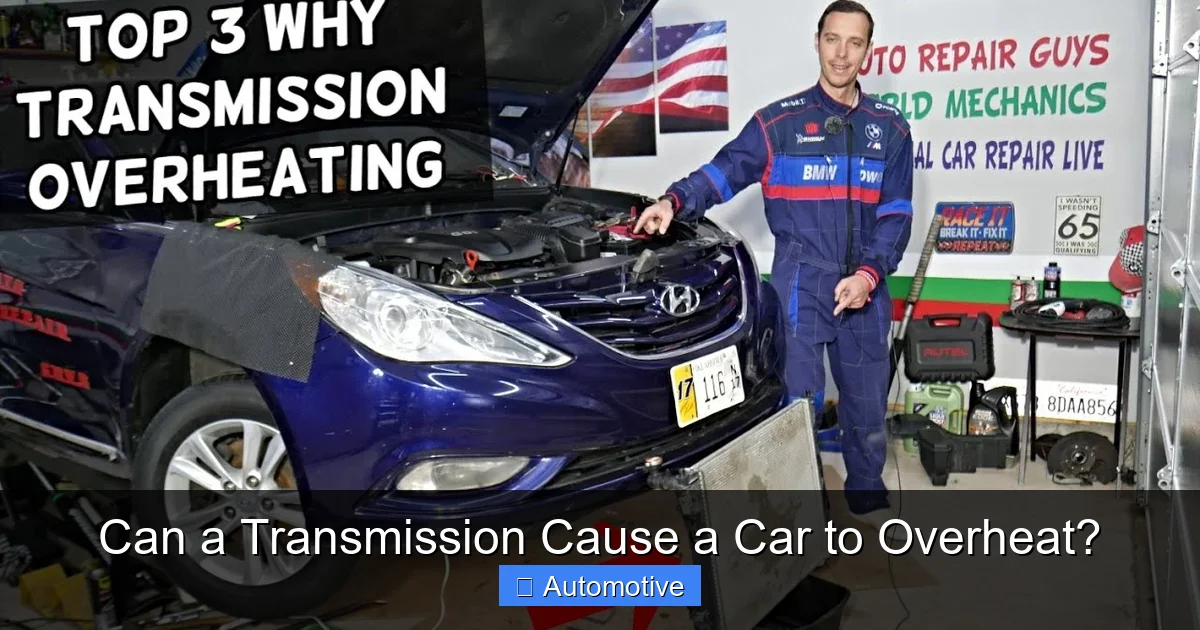
To understand how a transmission can cause overheating, it helps to know how these two systems work together. At first glance, the engine and transmission seem like separate components—one powers the car, the other changes gears. But in reality, they’re deeply connected, especially when it comes to heat management.
Most modern vehicles use a transmission cooler that’s built into the radiator. This small but vital component allows transmission fluid to flow through a separate chamber inside the radiator, where it’s cooled by the same airflow and coolant that keep the engine from overheating. This design is efficient and space-saving, but it also means that if the transmission fluid gets too hot, it can transfer that heat back into the engine’s cooling system.
Think of it like a shared cooling loop. If one part gets too hot, it can raise the temperature of the entire system. For example, if the transmission fluid overheats due to low fluid levels or a failing cooler, that heat can warm up the coolant in the radiator. As a result, the engine may struggle to stay cool, especially under heavy load or in hot weather.
Additionally, many vehicles—especially trucks and SUVs—use a coolant-to-transmission fluid heat exchanger. This device helps warm up the transmission fluid quickly during cold starts and keeps it at an optimal temperature during operation. But if this exchanger develops a leak or becomes clogged, it can disrupt the balance between the two systems, leading to overheating in one or both.
Another factor is the torque converter, a key part of automatic transmissions. It uses fluid to transfer power from the engine to the transmission. Under heavy load—like towing a trailer or climbing a steep hill—the torque converter can generate significant heat. If the transmission cooler can’t dissipate this heat quickly enough, the excess warmth can radiate into the engine bay or affect nearby components.
In short, while the transmission doesn’t produce combustion heat like the engine, it does generate friction and hydraulic heat. And when that heat isn’t managed properly, it can contribute to an overall rise in under-hood temperatures. This is why a failing transmission can indirectly cause your car to overheat—even if the engine itself is in good condition.
Common Transmission Problems That Lead to Overheating
Visual guide about Can a Transmission Cause a Car to Overheat?
Image source: media.newyorker.com
Now that we know how the transmission and cooling systems are linked, let’s look at the specific transmission issues that can trigger overheating. These problems often start small but can escalate quickly if ignored.
Low or Degraded Transmission Fluid
Transmission fluid does more than just lubricate moving parts—it also cools the transmission by absorbing and transferring heat. When fluid levels drop or the fluid becomes old and contaminated, its ability to manage heat drops dramatically.
Low fluid means less cooling capacity. The transmission has to work harder, creating more friction and heat. Over time, this can cause the fluid to break down, turning dark or smelling burnt. Degraded fluid loses its viscosity and protective properties, leading to increased wear and even more heat generation.
For example, if you notice a burnt smell under the hood or see dark, gritty fluid on the dipstick, your transmission may be overheating. This excess heat can then transfer to the engine coolant via the radiator, raising overall temperatures.
Faulty Transmission Cooler or Clogged Lines
The transmission cooler is essential for maintaining safe fluid temperatures. But if it becomes clogged with debris or develops a leak, it can’t do its job.
A clogged cooler restricts fluid flow, preventing heat from being dissipated. This causes the transmission fluid to overheat rapidly, especially during prolonged driving or towing. Since the cooler is often inside the radiator, the hot fluid can raise the temperature of the engine coolant, leading to engine overheating.
Similarly, damaged or collapsed transmission cooler lines can restrict flow and create hot spots. You might notice the transmission slipping or shifting roughly, along with rising temperature readings.
Slipping Gears or Delayed Shifting
When a transmission slips—meaning it momentarily loses power or hesitates before engaging—it’s often a sign of internal wear or fluid problems. Slipping increases friction between clutch plates and other components, generating excess heat.
Delayed shifting, where the transmission takes too long to upshift or downshift, can also strain the system. The engine may rev higher than normal, producing more heat than usual. Over time, this constant stress can cause both the transmission and engine to run hotter than they should.
For instance, if your car hesitates when accelerating from a stop or seems to “hunt” for gears on the highway, it’s time to have the transmission checked. These symptoms often precede overheating issues.
Torque Converter Lock-Up Failure
The torque converter is designed to lock up at higher speeds to improve fuel efficiency and reduce heat. But if the lock-up clutch fails, the converter continues to slip, creating unnecessary friction and heat.
This constant slipping can cause the transmission fluid to overheat quickly. In severe cases, the heat can radiate into the engine bay or affect the radiator’s ability to cool the engine coolant.
You might notice increased RPMs at highway speeds or a noticeable drop in fuel economy. These are red flags that the torque converter isn’t functioning properly.
Overloading or Towing Beyond Capacity
Towing a heavy trailer or carrying excessive weight puts immense strain on both the engine and transmission. The transmission has to work harder to maintain speed, especially on inclines, which generates more heat.
If your vehicle isn’t equipped with an auxiliary transmission cooler, the stock cooler may not be enough to handle the extra load. This can lead to rapid fluid overheating, which in turn affects the engine’s cooling system.
For example, if you’re towing a boat up a mountain pass and notice the temperature gauge rising, the transmission could be the hidden cause. Always check your owner’s manual for towing limits and consider adding an external cooler if you frequently haul heavy loads.
Symptoms of Transmission-Related Overheating
Visual guide about Can a Transmission Cause a Car to Overheat?
Image source: autovfix.com
Recognizing the signs early can prevent major damage. While overheating is often blamed on the engine, transmission issues can produce similar symptoms. Here’s how to tell if your transmission might be the culprit.
Rising Temperature Gauge
The most obvious sign is the temperature gauge climbing into the red zone. But if your coolant level is fine and the radiator fan is working, the issue might not be the engine.
Pay attention to when the overheating occurs. If it happens during long drives, while towing, or after stop-and-go traffic, the transmission could be overheating and transferring heat to the coolant.
Burning Smell
A burnt odor under the hood is a classic sign of overheating transmission fluid. The smell is often sweet or acrid and may be stronger near the transmission pan or cooler lines.
Don’t ignore this smell—it means the fluid has broken down and is no longer protecting your transmission. Continued driving can lead to seal damage, clutch wear, or even transmission failure.
Slipping or Rough Shifting
If your car hesitates, jerks, or slips out of gear, it’s often due to overheating transmission fluid. Hot fluid loses viscosity and can’t maintain proper hydraulic pressure, leading to poor engagement.
You might notice the engine revving without acceleration or a delay when shifting from park to drive. These symptoms often worsen as the transmission gets hotter.
Transmission Fluid Leaks
Leaks around the transmission pan, cooler lines, or seals can lead to low fluid levels and overheating. Look for red or brown fluid under your car, especially after it’s been parked.
Even small leaks can cause big problems over time. Low fluid means less cooling and more friction, which increases heat and wear.
Dashboard Warning Lights
Modern vehicles often have a transmission temperature warning light or a check engine light that can indicate overheating. Some cars also display a “Transmission Overheat” message on the dashboard.
If you see any of these warnings, pull over safely and let the vehicle cool down. Continuing to drive can cause irreversible damage.
Reduced Fuel Economy
An overheating transmission can cause the engine to work harder, reducing fuel efficiency. If you notice a sudden drop in miles per gallon, especially during highway driving, it could be a sign of transmission stress.
How to Prevent Transmission-Related Overheating
The good news? Most transmission-related overheating issues are preventable with regular maintenance and smart driving habits. Here’s how to keep your transmission—and engine—running cool.
Check and Change Transmission Fluid Regularly
Follow your manufacturer’s recommended service interval for transmission fluid changes. Most vehicles need a fluid change every 30,000 to 60,000 miles, but this can vary.
Use the correct type of fluid—check your owner’s manual. Using the wrong fluid can cause slipping, overheating, and damage.
Check the fluid level regularly using the dipstick (if equipped). Make sure the engine is warm and the car is on level ground. Low or dirty fluid is a leading cause of overheating.
Inspect the Transmission Cooler and Lines
Have a mechanic inspect the transmission cooler and lines during routine service. Look for signs of leaks, corrosion, or blockages.
If you frequently tow or drive in hot climates, consider installing an auxiliary transmission cooler. These add extra cooling capacity and can prevent overheating under heavy loads.
Avoid Overloading Your Vehicle
Stay within your vehicle’s towing and payload limits. Overloading increases strain on the transmission and engine, raising the risk of overheating.
If you must tow, use a weight-distributing hitch and take frequent breaks to let the transmission cool down.
Monitor Dashboard Warnings
Don’t ignore warning lights. If the transmission temperature light comes on, pull over and let the vehicle cool. Continuing to drive can cause serious damage.
Use an OBD2 scanner to check for trouble codes if the check engine light is on. Codes related to transmission temperature or pressure can help diagnose the issue early.
Drive Smoothly
Aggressive driving—like rapid acceleration and hard braking—puts extra stress on the transmission. Smooth, gradual driving helps maintain optimal fluid temperatures.
Avoid “rocking” the vehicle out of snow or mud, as this can cause the transmission to slip and overheat.
Keep the Cooling System in Good Shape
Since the transmission cooler is often inside the radiator, a healthy cooling system is essential. Replace coolant as recommended and inspect hoses, belts, and the radiator for leaks or damage.
A clogged radiator can’t cool the engine or transmission fluid effectively, increasing the risk of overheating.
When to See a Mechanic
If you notice any of the symptoms mentioned above, it’s time to visit a trusted mechanic. Transmission issues can worsen quickly, and DIY fixes are often not enough.
Seek professional help if:
– The temperature gauge rises frequently
– You smell burning fluid
– The transmission slips or shifts roughly
– You see fluid leaks
– Warning lights stay on
A mechanic can perform a full inspection, including checking fluid condition, cooler function, and electronic controls. They may also use a scan tool to read transmission temperature data and diagnose underlying issues.
Early intervention can save you from a costly transmission rebuild or replacement. Don’t wait until your car breaks down on the side of the road.
Conclusion
So, can a transmission cause a car to overheat? Absolutely. While the engine generates the most heat, the transmission plays a critical role in your vehicle’s thermal management. Through shared cooling systems, fluid dynamics, and mechanical stress, a failing transmission can indirectly lead to engine overheating—especially under heavy loads or in hot conditions.
The key is awareness. By understanding how these systems interact, you can spot warning signs early and take action before minor issues become major repairs. Regular maintenance, attentive driving, and prompt attention to symptoms are your best defenses.
Remember, your car is a complex machine with interconnected parts. What affects one system often impacts another. Keeping your transmission in good condition doesn’t just protect your gears—it helps keep your engine cool, efficient, and running strong for years to come.
Don’t let a hidden transmission problem leave you stranded. Stay informed, stay proactive, and your car will thank you with reliable performance and peace of mind on every drive.
Frequently Asked Questions
Can a bad transmission cause the engine to overheat?
Yes, a bad transmission can indirectly cause the engine to overheat. When transmission fluid overheats, it can transfer heat to the engine coolant through the radiator, raising overall temperatures. This is especially common in vehicles with integrated transmission coolers.
What are the signs of a transmission overheating?
Signs include a rising temperature gauge, burning smell, slipping gears, delayed shifting, and dashboard warning lights. You may also notice reduced fuel economy or fluid leaks under the car.
How often should I change my transmission fluid?
Most manufacturers recommend changing transmission fluid every 30,000 to 60,000 miles. However, check your owner’s manual for specific guidelines, especially if you frequently tow or drive in hot climates.
Can low transmission fluid cause overheating?
Yes, low transmission fluid reduces cooling capacity and increases friction, leading to overheating. It can also cause the fluid to break down faster, worsening the problem over time.
Should I install an auxiliary transmission cooler?
An auxiliary cooler is a good idea if you frequently tow, drive in hot weather, or live in a hilly area. It provides extra cooling capacity and helps prevent transmission overheating under heavy loads.
Can I drive with an overheating transmission?
No, driving with an overheating transmission can cause severe damage, including warped components, seal failure, or complete transmission failure. Pull over, let the vehicle cool, and have it inspected by a mechanic.
