
Can a Coolant Leak Cause Overheating?

Yes, a coolant leak can absolutely cause engine overheating. Coolant is essential for regulating engine temperature, and even a small leak can lead to serious damage if ignored. Recognizing the signs early and acting fast can save you from costly repairs.
Key Takeaways
- Coolant is vital for engine cooling: It absorbs heat from the engine and releases it through the radiator, preventing overheating.
- Even minor leaks can cause big problems: A slow drip may seem harmless, but over time, it can lead to low coolant levels and engine damage.
- Overheating can result from air pockets: When coolant leaks, air can enter the system, creating bubbles that block proper coolant flow.
- Common leak sources include hoses, radiator, water pump, and gaskets: Regular inspection of these components can help catch issues early.
- Warning signs include steam, sweet smell, and dashboard alerts: Don’t ignore these symptoms—pull over and check your coolant level immediately.
- Topping off coolant is a temporary fix: Always locate and repair the source of the leak to prevent recurring overheating.
- Preventive maintenance is key: Regular coolant flushes and system checks can extend engine life and improve performance.
📑 Table of Contents
- Can a Coolant Leak Cause Overheating? Understanding the Connection
- How the Cooling System Works: The Role of Coolant
- Common Causes of Coolant Leaks
- Signs of a Coolant Leak and Overheating
- What Happens When Coolant Leaks Cause Overheating?
- How to Diagnose and Fix a Coolant Leak
- Preventing Coolant Leaks and Overheating
- Conclusion
Can a Coolant Leak Cause Overheating? Understanding the Connection
You’re driving down the highway, enjoying the breeze through your open window, when suddenly you notice steam rising from under the hood. Your temperature gauge is creeping into the red zone, and a sweet, syrupy smell fills the cabin. Your heart sinks—your car is overheating. But what caused it? One of the most common culprits? A coolant leak.
Yes, a coolant leak can absolutely cause overheating. In fact, it’s one of the top reasons engines overheat, especially during long drives or in hot weather. Coolant—also known as antifreeze—is the lifeblood of your vehicle’s cooling system. It circulates through the engine, absorbing excess heat, and then travels to the radiator where that heat is released into the air. Without enough coolant, or if the system is compromised by a leak, your engine can’t regulate its temperature. The result? Overheating, potential engine damage, and possibly a tow truck.
This article will walk you through everything you need to know about coolant leaks and overheating. We’ll explore how the cooling system works, the signs of a leak, the risks of ignoring it, and what you can do to prevent and fix the problem. Whether you’re a seasoned car enthusiast or a new driver, understanding this connection could save you time, money, and a lot of stress down the road.
How the Cooling System Works: The Role of Coolant
To understand why a coolant leak can cause overheating, it helps to know how your car’s cooling system functions. Think of it like your body’s circulatory system—coolant flows through a network of passages, hoses, and components to keep everything running at the right temperature.
Visual guide about Can a Coolant Leak Cause Overheating?
Image source: i.ytimg.com
The Engine Generates Massive Heat
Every time your engine runs, it produces intense heat from the combustion of fuel and air. In fact, internal combustion engines can reach temperatures over 4,500°F (2,500°C) during operation. Without a way to manage that heat, engine components would warp, melt, or seize up within minutes.
Coolant Absorbs and Transfers Heat
This is where coolant comes in. A mixture of antifreeze and water (usually 50/50), coolant is pumped through the engine block and cylinder head by the water pump. As it flows, it absorbs heat from hot metal surfaces. The heated coolant then travels through rubber hoses to the radiator.
The Radiator Releases Heat
The radiator is a series of thin metal fins and tubes designed to dissipate heat. As air flows over the radiator (either from driving or a cooling fan), the heat from the coolant is transferred to the air and released. The now-cooler coolant returns to the engine to repeat the cycle.
The Thermostat Regulates Flow
A thermostat acts like a gatekeeper. It stays closed when the engine is cold, allowing it to warm up quickly. Once the engine reaches operating temperature (usually around 195°F to 220°F), the thermostat opens, letting coolant flow through the radiator. This ensures the engine stays at an optimal temperature.
Why Coolant Level Matters
For this system to work, there must be enough coolant in the system. If a leak causes the coolant level to drop, there’s less fluid to absorb and transfer heat. The engine begins to run hotter than normal. Over time, this can lead to overheating, especially under load or in hot weather.
Even a small leak—say, a slow drip from a hose connection—can gradually reduce coolant levels. You might not notice it at first, but over days or weeks, the system becomes less effective. Eventually, the engine can’t stay cool, and overheating occurs.
Common Causes of Coolant Leaks
Coolant leaks can happen for many reasons, and they often develop slowly. Knowing where to look can help you catch a problem before it leads to overheating.
Visual guide about Can a Coolant Leak Cause Overheating?
Image source: carglassadvisor.com
Radiator Leaks
The radiator is one of the most common sources of coolant leaks. Over time, the thin metal fins and tubes can corrode, especially if the coolant isn’t changed regularly. Road debris, like rocks or gravel, can also puncture the radiator. A leaking radiator may show signs of wet spots, rust, or green/orange fluid under the front of the car.
Hose Failures
Rubber hoses connect the engine to the radiator and other components. These hoses can crack, swell, or become brittle with age. Heat and pressure take their toll, and a weakened hose may develop a small leak at the clamp or along its length. Look for soft spots, bulges, or dried coolant residue around hose connections.
Water Pump Issues
The water pump circulates coolant through the system. It’s usually located at the front of the engine and driven by a belt. The pump has a seal that can wear out over time, allowing coolant to leak out. A leaking water pump often leaves a trail of coolant near the front of the engine. You might also hear a whining or grinding noise if the bearings are failing.
Head Gasket Failure
The head gasket seals the engine block and cylinder head. If it fails, coolant can leak into the combustion chamber or oil passages. This is a serious issue that can cause white smoke from the exhaust, milky oil, and overheating. Head gasket failure is often caused by prolonged overheating, which creates a dangerous cycle.
Heater Core Leaks
The heater core is a small radiator inside your dashboard that provides heat to the cabin. It’s connected to the engine’s cooling system. If it leaks, you might notice a sweet smell inside the car, foggy windows, or coolant dripping onto the floor (usually on the passenger side). Heater core leaks are tricky to fix and often require dashboard removal.
Overflow Tank or Cap Problems
The coolant overflow (or reservoir) tank holds excess coolant when the system heats up. If the tank cracks or the cap fails, coolant can leak or evaporate. A faulty cap can also prevent the system from maintaining proper pressure, which raises the coolant’s boiling point and improves efficiency.
Regular inspections can help you spot these issues early. Check under your car after it’s been parked for a few hours. Look for puddles or stains—coolant is usually green, orange, pink, or yellow and has a sweet smell. If you see any, it’s time to investigate.
Signs of a Coolant Leak and Overheating
Recognizing the warning signs of a coolant leak can prevent a minor issue from turning into a major repair. Here’s what to watch for.
Visual guide about Can a Coolant Leak Cause Overheating?
Image source: carglassadvisor.com
Dashboard Warning Lights
Most modern cars have a temperature gauge or warning light on the dashboard. If the needle moves into the red zone or a light comes on, your engine is overheating. Don’t ignore it—pull over safely and turn off the engine.
Steam or Smoke from the Hood
Steam rising from under the hood is a clear sign of overheating. It’s often caused by coolant boiling and escaping as vapor. In severe cases, you might see white smoke, which could indicate a head gasket leak.
Sweet Smell Inside or Outside the Car
Coolant has a distinct sweet, syrupy odor. If you smell it inside the cabin, it could mean a heater core leak. Outside the car, it might indicate a radiator or hose leak.
Low Coolant Level
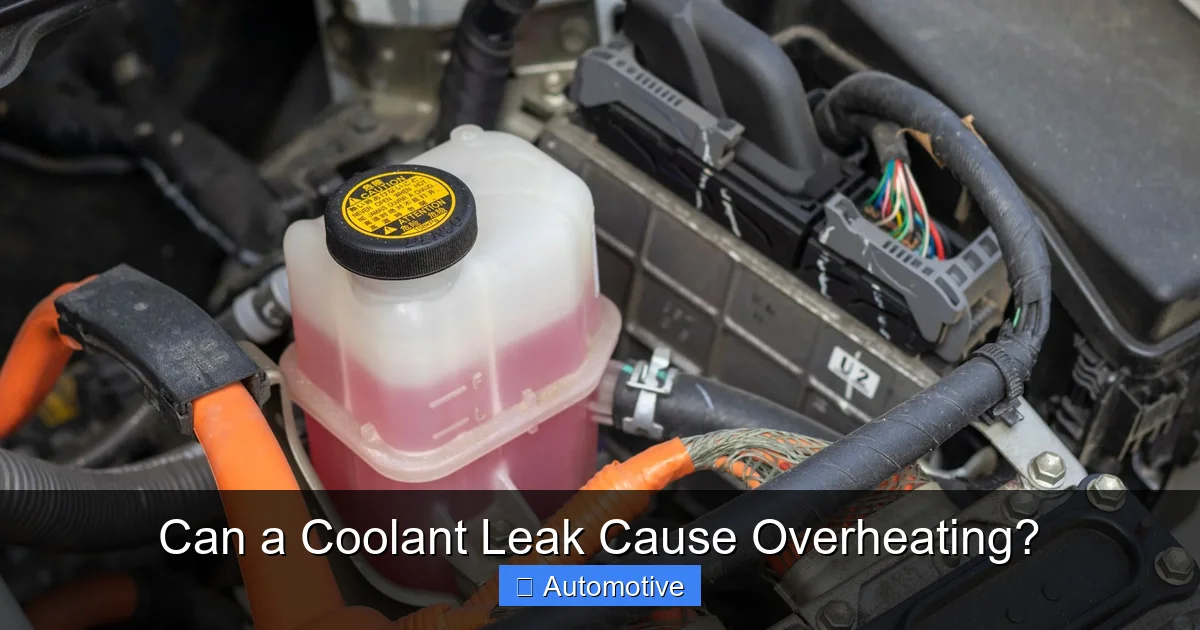
Check your coolant reservoir regularly. If the level is consistently low, even after topping it off, you likely have a leak. Some cars have a “low coolant” warning light that will alert you.
Overheating During Idle or Low Speed
If your engine overheats when you’re stopped or driving slowly, but cools down on the highway, it could be a sign of a cooling fan issue or low coolant. At higher speeds, airflow helps cool the radiator, masking the problem temporarily.
Coolant Puddles Under the Car
After parking, look under your vehicle. A puddle of brightly colored fluid near the front or middle of the car is a strong indicator of a coolant leak.
Engine Misfires or Rough Running
In severe cases, overheating can cause the engine to run poorly, misfire, or stall. This happens when heat damages internal components like spark plugs or sensors.
If you notice any of these signs, don’t wait. Overheating can cause warped cylinder heads, blown head gaskets, or even engine seizure. The sooner you address the issue, the better.
What Happens When Coolant Leaks Cause Overheating?
When a coolant leak leads to overheating, the consequences can range from minor inconveniences to catastrophic engine failure. Here’s what can happen.
Increased Engine Temperature
Without enough coolant, the engine can’t shed heat effectively. Temperatures rise rapidly, especially under load or in hot weather. The engine may begin to run hotter than normal, even if it doesn’t fully overheat.
Air Pockets in the Cooling System
When coolant leaks, air can enter the system. These air pockets block the flow of coolant, creating hot spots in the engine. This is especially dangerous because the coolant may appear full, but it’s not circulating properly.
Warped or Cracked Engine Components
Excessive heat can warp the cylinder head or engine block. Aluminum components, in particular, are sensitive to high temperatures. A warped head can prevent the head gasket from sealing properly, leading to further leaks and overheating.
Blown Head Gasket
The head gasket is designed to seal the combustion chamber, coolant passages, and oil galleries. When overheating occurs, the gasket can fail, allowing coolant to mix with oil or enter the combustion chamber. This causes white exhaust smoke, coolant loss, and engine damage.
Engine Seizure
In the worst-case scenario, overheating can cause the pistons to expand and seize inside the cylinders. This locks up the engine, requiring a complete rebuild or replacement.
Damage to Other Components
Overheating can also damage sensors, belts, hoses, and the radiator. The cost of repairs can quickly add up, especially if multiple parts are affected.
The bottom line? A coolant leak isn’t just a minor inconvenience—it’s a threat to your engine’s health. Addressing it early can prevent expensive repairs and keep you safe on the road.
How to Diagnose and Fix a Coolant Leak
If you suspect a coolant leak, don’t panic. With the right approach, you can diagnose and fix the problem—often without a trip to the mechanic.
Step 1: Check the Coolant Level
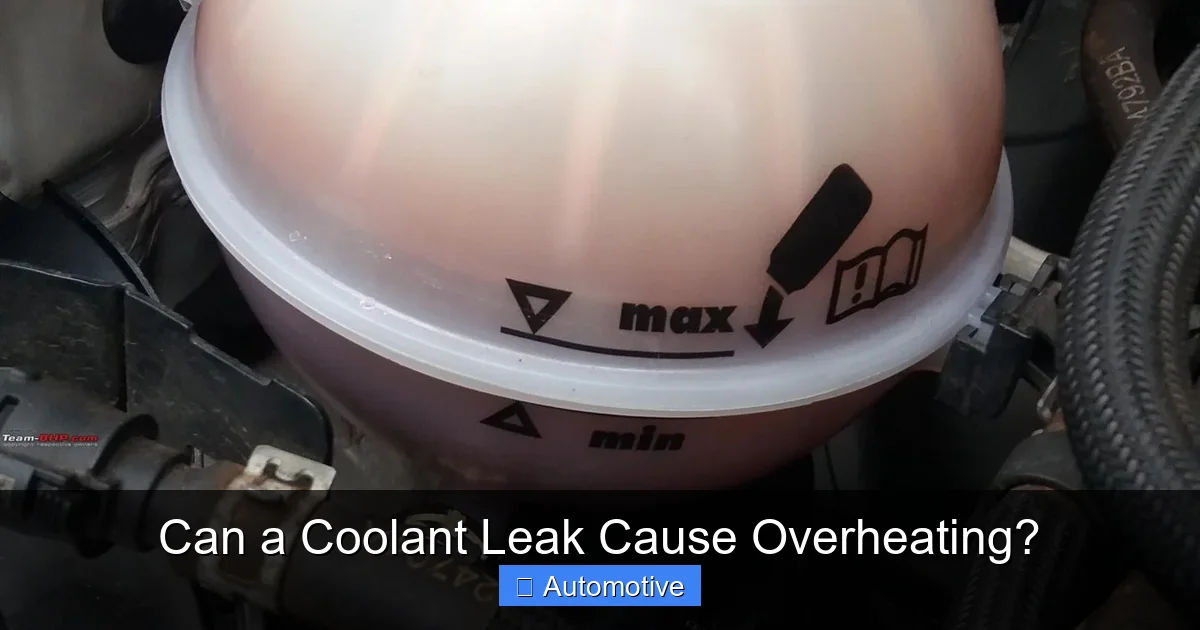
Start by checking the coolant reservoir and radiator (when the engine is cool). The level should be between the “min” and “max” marks. If it’s low, top it off with the correct type of coolant (check your owner’s manual).
Step 2: Inspect for Visible Leaks
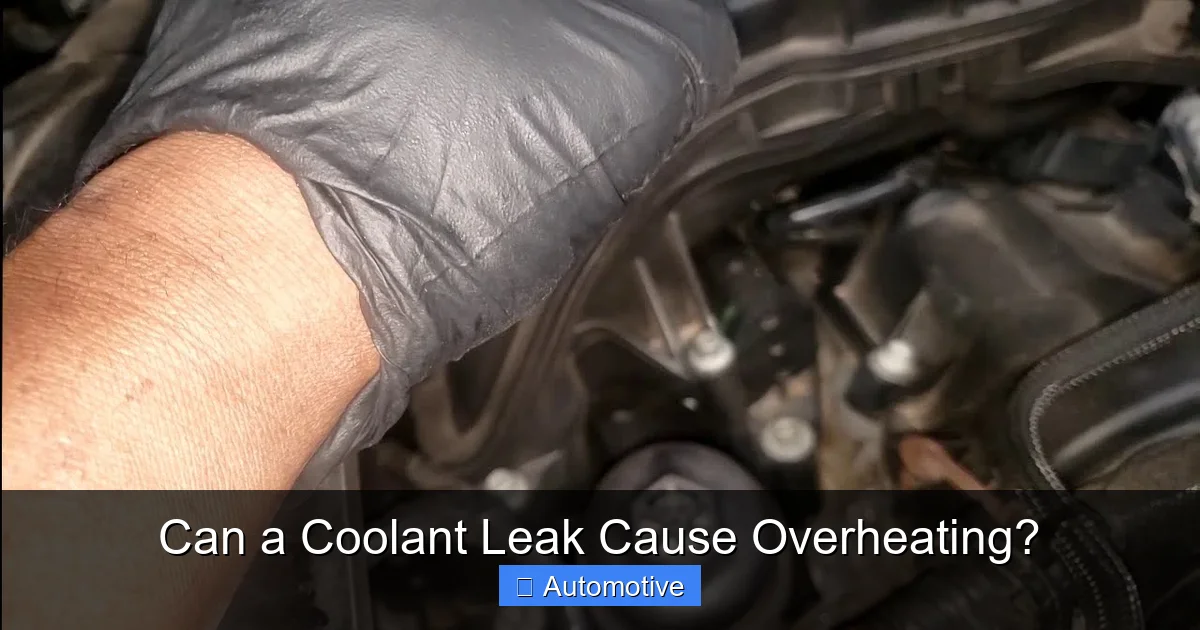
Look under the hood for signs of leakage. Check hoses, the radiator, water pump, and reservoir tank. Look for wet spots, stains, or crusty deposits—these are signs of dried coolant.
Step 3: Use a Coolant Pressure Tester
A pressure tester can help locate hidden leaks. It attaches to the radiator or reservoir and pressurizes the system. If the pressure drops, there’s a leak. Watch for bubbles or listen for hissing sounds.
Step 4: Check the Radiator Cap
A faulty radiator cap can cause coolant to boil over or leak. Replace it if it’s cracked, worn, or doesn’t hold pressure.
Step 5: Flush and Refill the Cooling System
If the coolant is dirty or contaminated, a flush can remove debris and improve performance. Use a radiator flush solution, then refill with fresh coolant.
Step 6: Repair or Replace Damaged Parts
Once you’ve identified the source of the leak, repair or replace the faulty component. This might mean replacing a hose, tightening a clamp, or installing a new water pump. For complex issues like head gasket failure, consult a professional.
Remember: topping off coolant is only a temporary fix. Always find and repair the source of the leak to prevent recurring overheating.
Preventing Coolant Leaks and Overheating
An ounce of prevention is worth a pound of cure—especially when it comes to your car’s cooling system.
Regular Maintenance
Follow your vehicle’s recommended maintenance schedule. This includes coolant flushes every 30,000 to 50,000 miles (or as specified in your owner’s manual). Fresh coolant prevents corrosion and maintains proper pH levels.
Inspect Hoses and Belts
Check hoses for cracks, bulges, or soft spots. Replace them every 4–5 years or if they show signs of wear. Also, inspect the serpentine belt that drives the water pump.
Check Coolant Level Monthly
Make it a habit to check your coolant level once a month. Look at the reservoir and note any changes. If it’s consistently low, investigate the cause.
Use the Right Coolant
Not all coolants are the same. Use the type recommended by your vehicle’s manufacturer. Mixing incompatible coolants can cause sludge, corrosion, and leaks.
Keep the Radiator Clean
Debris like leaves, dirt, and bugs can clog the radiator fins, reducing airflow. Clean the front of the radiator regularly, especially after driving on dirt roads.
Monitor Temperature Gauge
Pay attention to your dashboard. If the temperature starts to rise, pull over and investigate. Don’t wait for a warning light.
By staying proactive, you can avoid the stress and expense of overheating caused by coolant leaks.
Conclusion
So, can a coolant leak cause overheating? The answer is a resounding yes. Coolant is essential for keeping your engine at the right temperature, and even a small leak can disrupt the entire cooling system. Over time, low coolant levels, air pockets, and component damage can lead to serious overheating and costly repairs.
The good news? Most coolant leaks are preventable and fixable. By understanding how your cooling system works, recognizing the warning signs, and performing regular maintenance, you can keep your engine running smoothly. Don’t ignore a leak—act quickly to protect your vehicle and your wallet.
Remember: your car’s cooling system is like its air conditioning and heating system combined. It keeps the engine cool in summer and helps it warm up in winter. Treat it with care, and it will serve you well for years to come.
Frequently Asked Questions
Can a small coolant leak cause overheating?
Yes, even a small coolant leak can cause overheating over time. As coolant levels drop, the system can’t absorb and transfer heat effectively, leading to rising engine temperatures.
How do I know if my car is leaking coolant?
Look for puddles of brightly colored fluid under your car, a sweet smell, low coolant levels, or steam from the engine. You may also see crusty deposits around hoses or the radiator.
Can I drive with a coolant leak?
It’s not recommended. Driving with a coolant leak can lead to overheating and severe engine damage. If you must drive, go slowly and monitor the temperature gauge closely.
What should I do if my car overheats?
Pull over safely, turn off the engine, and let it cool. Do not open the radiator cap while hot. Check coolant levels and look for leaks. Call for assistance if needed.
Can I just add water instead of coolant?
In an emergency, you can add water to prevent overheating, but it’s not a long-term solution. Coolant contains additives that prevent corrosion and freezing. Use a 50/50 mix of coolant and water for best results.
How often should I check my coolant level?
Check your coolant level at least once a month. Also inspect it before long trips or during seasonal changes. Regular checks help catch leaks early.
