
How Can You Tell If Your Car Is Overheating

Your car overheating can lead to serious engine damage if ignored. Knowing the warning signs—like steam, warning lights, or strange smells—can help you act fast and prevent expensive repairs.
Key Takeaways
- Watch the temperature gauge: A rising needle or warning light is the first sign your engine is getting too hot.
- Steam or smoke from the hood: This is a clear visual signal that coolant is boiling and escaping under pressure.
- Unusual engine smells: A sweet or burning odor may indicate coolant leaks or overheating components.
- Loss of engine power: Overheating can cause the engine to run poorly or stall unexpectedly.
- Coolant leaks under the car: Puddles of green, orange, or pink fluid are signs of a cooling system problem.
- Regular maintenance prevents overheating: Check coolant levels, hoses, and the radiator during routine service.
- Pull over safely if overheating: Continuing to drive can warp engine parts and cause permanent damage.
📑 Table of Contents
Introduction: Why Overheating Is a Big Deal
Imagine you’re driving down the highway on a hot summer day, windows down, music playing—everything feels perfect. Then suddenly, you notice steam rising from under the hood. Your heart skips a beat. Is your car overheating? If you’re not sure, you’re not alone. Many drivers don’t realize their car is overheating until it’s too late. But the good news? Most overheating issues can be spotted early if you know what to look for.
An overheating engine isn’t just an inconvenience—it’s a serious threat to your vehicle’s health. When your engine gets too hot, critical parts like the cylinder head, pistons, and gaskets can warp or fail. Repairs can cost thousands of dollars, and in some cases, the engine may need to be replaced entirely. That’s why learning how to tell if your car is overheating isn’t just helpful—it’s essential. Whether you’re a daily commuter or a weekend road-tripper, staying alert to the warning signs can save you time, money, and a lot of stress.
What Causes a Car to Overheat?
Before diving into the signs, it helps to understand what’s actually happening under the hood. Your car’s engine produces a lot of heat—thousands of tiny explosions happen every minute to power your vehicle. The cooling system is designed to manage that heat by circulating coolant (a mix of antifreeze and water) through the engine and radiator. But when something goes wrong with that system, temperatures can spike dangerously.
Visual guide about How Can You Tell If Your Car Is Overheating
Image source: trucksauthority.com
Coolant Issues: The Most Common Culprit
The number one reason cars overheat is a problem with the coolant. This could be as simple as low coolant levels due to a slow leak or evaporation over time. Coolant doesn’t just disappear—it usually leaks out through damaged hoses, a cracked radiator, or a faulty water pump. Without enough coolant, the engine can’t shed heat effectively, and temperatures rise quickly.
Another coolant-related issue is contamination. Over time, coolant can break down, lose its effectiveness, or get mixed with oil (which happens if the head gasket fails). Dirty or old coolant doesn’t transfer heat well, so even if the level is fine, it may not be doing its job. That’s why manufacturers recommend flushing and replacing coolant every 30,000 to 50,000 miles, depending on the vehicle.
Radiator Problems: The Heat Exchanger That Can Fail
The radiator is like the lungs of your cooling system—it pulls in air to cool the hot coolant flowing through it. But if the radiator gets clogged with dirt, debris, or internal corrosion, airflow is restricted. This reduces its ability to cool the coolant, leading to higher engine temperatures. You might notice this more in stop-and-go traffic, where there’s less airflow over the radiator.
Radiator fans also play a key role. These electric fans kick on when the engine gets hot, especially when the car is idling or moving slowly. If a fan motor fails or a sensor doesn’t trigger the fan, the radiator can’t cool the coolant properly. A quick visual check can help—turn on the AC and see if the fan spins. If it doesn’t, there’s likely an electrical issue.
Water Pump Failure: The Heart of the Cooling System
The water pump circulates coolant through the engine and radiator. Think of it as the heart of the system. If the pump fails—due to a worn impeller, broken belt, or seal leak—coolant stops flowing. This causes hot spots in the engine and rapid overheating. A leaking water pump often leaves a telltale drip of coolant near the front of the engine, sometimes with a whitish residue from dried coolant.
Belt-driven water pumps can also fail if the serpentine belt slips or breaks. If you hear a squealing noise or notice the belt is cracked or loose, have it checked immediately. A broken belt means no coolant flow, and that means trouble.
Thermostat Malfunction: The Temperature Gatekeeper
The thermostat is a small but mighty component. It opens and closes to regulate coolant flow based on engine temperature. When the engine is cold, the thermostat stays closed, allowing it to warm up quickly. Once it reaches operating temperature, the thermostat opens, letting coolant flow to the radiator.
If the thermostat gets stuck closed, coolant can’t reach the radiator, and the engine overheats—even if everything else is working. This often happens suddenly and can be mistaken for a more serious issue. On the flip side, a thermostat stuck open can cause the engine to run too cool, reducing fuel efficiency and performance.
Head Gasket Failure: A Serious and Costly Problem
The head gasket seals the cylinder head to the engine block. It keeps coolant, oil, and combustion gases in their proper places. If it fails—often due to extreme heat or engine stress—coolant can leak into the combustion chamber or oil passages. This not only reduces coolant levels but can also cause white smoke from the exhaust, milky oil, and engine misfires.
Head gasket failure is one of the most expensive overheating-related repairs. It usually starts with repeated overheating episodes that weaken the gasket over time. If you notice bubbles in the coolant reservoir or your oil looks like a chocolate milkshake, get your car checked right away.
Top Warning Signs Your Car Is Overheating
Now that you know what can cause overheating, let’s talk about how to spot it in real time. The sooner you recognize the signs, the better your chances of avoiding major damage. Here are the most common warning signals to watch for.
Visual guide about How Can You Tell If Your Car Is Overheating
Image source: etags.com
The Temperature Gauge Is in the Red
This is the most obvious sign—and the one many drivers ignore. Your dashboard has a temperature gauge (or a warning light shaped like a thermometer). Normal operating temperature is usually in the middle of the gauge. If the needle climbs toward the “H” (hot) or a red warning light flashes, your engine is overheating.
Some newer cars have digital displays that show exact temperatures. If yours does, anything above 220°F (104°C) is a red flag. Don’t wait for the light to come on—check the gauge regularly, especially in hot weather or when towing.
Steam or Smoke Coming from Under the Hood
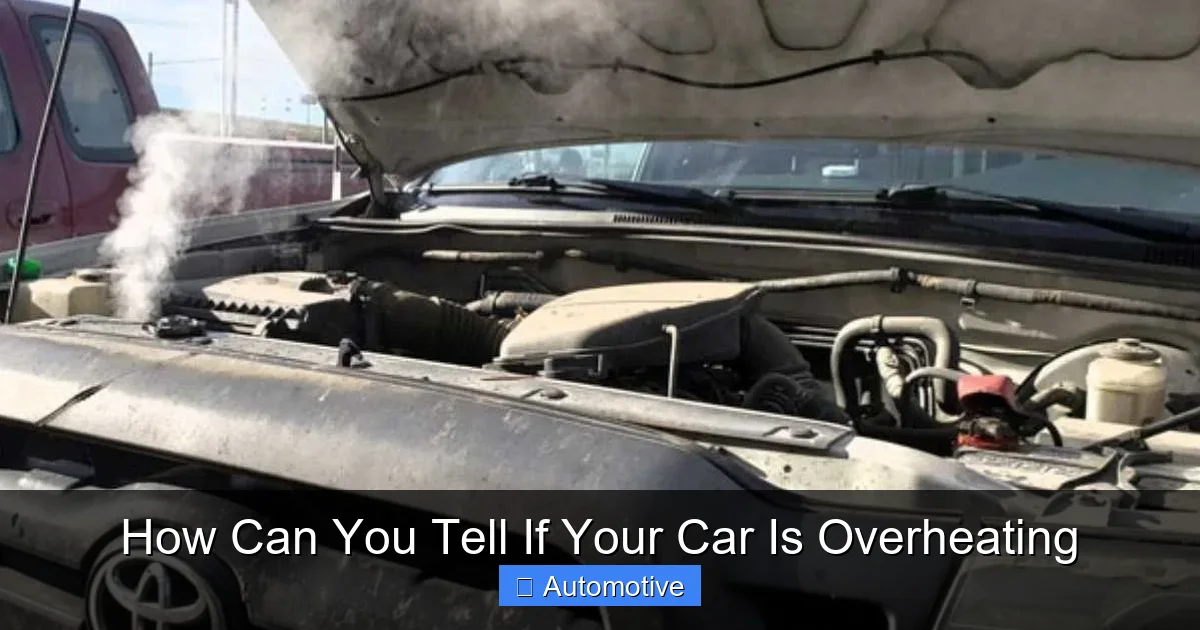
If you see steam billowing from the engine bay, pull over immediately. This is coolant boiling and escaping through a leak or overflow. It often looks like smoke, but it’s usually white or slightly sweet-smelling. Real smoke—dark and acrid—could mean oil is burning, which is even more serious.
Never open the radiator cap when the engine is hot. The system is under pressure, and releasing it can cause a dangerous spray of scalding coolant. Wait at least 30 minutes for the engine to cool before checking anything.
Strange Smells from the Engine
Your nose can be a great diagnostic tool. A sweet, syrupy smell usually means coolant is leaking and burning off hot engine parts. This is common with radiator or hose leaks. On the other hand, a burning rubber or electrical smell could indicate a slipping belt or overheating wiring.
If you smell something unusual, don’t assume it’s harmless. Pull over safely and investigate. Even a small leak can turn into a major problem if ignored.
Loss of Engine Power or Rough Running
When an engine overheats, it can’t operate efficiently. You might notice reduced acceleration, hesitation, or even stalling. This happens because hot metal expands, increasing friction between moving parts. In extreme cases, the pistons can seize in the cylinders.
If your car feels sluggish or starts misfiring, especially after driving in traffic or up a hill, overheating could be the cause. Don’t push it—pull over and let the engine cool.
Coolant Leaks Under the Car
After parking, check the ground beneath your car. Coolant is usually bright green, orange, or pink and has a slippery feel. If you see a puddle of this colorful fluid, you likely have a leak in the radiator, hoses, water pump, or heater core.
Even a small drip can lead to low coolant levels over time. Topping off the coolant might help temporarily, but you’ll need to find and fix the leak to prevent future overheating.
Warning Lights on the Dashboard
Modern cars have multiple sensors that monitor engine temperature. If the system detects overheating, it will trigger a warning light—often a red thermometer or the word “TEMP.” Some vehicles also have a separate coolant level light.
Don’t ignore these lights. They’re there to protect your engine. If a light comes on, pull over as soon as it’s safe, turn off the engine, and call for help if needed.
What to Do If Your Car Is Overheating
So you’ve spotted the signs—now what? Reacting quickly and correctly can prevent catastrophic damage. Here’s a step-by-step guide to handling an overheating situation.
Visual guide about How Can You Tell If Your Car Is Overheating
Image source: cdn.carpassionate.com
Step 1: Pull Over Safely
As soon as you notice signs of overheating, find a safe place to pull over. Turn on your hazard lights and move completely off the road if possible. Do not keep driving—even a few miles can cause irreversible engine damage.
Step 2: Turn Off the Engine
Once stopped, shut off the engine immediately. This stops the heat buildup and gives the system time to cool. Leaving the engine running can warp the cylinder head or crack the engine block.
Step 3: Let the Engine Cool
Wait at least 30 minutes before opening the hood. The coolant and engine parts will be extremely hot. Opening the radiator cap too soon can cause a dangerous burst of steam and hot liquid.
Step 4: Check Coolant Levels (When Cool)
Once the engine is cool, check the coolant reservoir. If it’s low, you may be able to add coolant or water temporarily. Use a 50/50 mix of antifreeze and distilled water if possible. Never use only water in cold climates—it can freeze and damage the engine.
If the reservoir is empty or the radiator is dry, there’s likely a major leak. Do not drive the car—have it towed to a repair shop.
Step 5: Inspect for Visible Leaks or Damage
Look for signs of leaks: wet spots, dried coolant residue, or damaged hoses. Check the radiator for bent fins or debris blocking airflow. If you see obvious damage, don’t attempt to drive.
Step 6: Call for Help if Needed
If you’re unsure what’s wrong or can’t safely add coolant, call a tow truck or roadside assistance. It’s better to be safe than sorry. Continuing to drive with an overheating engine can lead to thousands in repairs.
How to Prevent Your Car from Overheating
The best way to deal with overheating is to stop it before it starts. Regular maintenance and smart driving habits can go a long way in keeping your engine cool.
Check Coolant Levels Monthly
Pop the hood and check the coolant reservoir every month. The level should be between the “MIN” and “MAX” marks. If it’s consistently low, you have a leak that needs attention.
Inspect Hoses and Belts
Look for cracks, bulges, or soft spots in radiator and heater hoses. Replace any that look worn. Also, check the serpentine belt for fraying or looseness. A broken belt can disable the water pump and alternator.
Flush the Cooling System Regularly
Follow your owner’s manual for coolant replacement intervals. Most cars need a flush every 30,000 to 50,000 miles. This removes rust, scale, and old additives that reduce cooling efficiency.
Keep the Radiator Clean
Use a garden hose to gently spray the radiator fins from the back to remove dirt, bugs, and debris. Be careful not to bend the fins—they’re delicate and essential for airflow.
Test the Thermostat and Radiator Fan
If your car runs hot in traffic but fine on the highway, the radiator fan may not be working. Turn on the AC and see if the fan spins. If not, have it checked. Also, a mechanic can test the thermostat to ensure it opens and closes properly.
Avoid Overloading or Towing in Extreme Heat
Heavy loads and high temperatures put extra strain on the cooling system. If you must tow or drive in hot weather, take frequent breaks, monitor the temperature gauge, and ensure your coolant is fresh and at the right level.
When to See a Mechanic
Some overheating issues are simple fixes—like topping off coolant or replacing a hose. But others require professional diagnosis and repair. See a mechanic if:
- Your car overheats repeatedly, even after adding coolant.
- You notice white smoke from the exhaust or milky oil.
- The temperature gauge fluctuates wildly.
- You hear unusual noises from the engine or water pump.
- The radiator fan doesn’t turn on when the engine is hot.
Ignoring these signs can lead to costly repairs down the road. A qualified mechanic can perform a pressure test, check for head gasket leaks, and ensure your cooling system is in top shape.
Conclusion: Stay Cool, Stay Safe
Learning how to tell if your car is overheating isn’t just about avoiding a breakdown—it’s about protecting your investment and staying safe on the road. By knowing the warning signs, understanding the causes, and taking preventive steps, you can keep your engine running smoothly for years to come.
Remember: a little vigilance goes a long way. Check your coolant, watch your gauge, and don’t ignore strange smells or sounds. When in doubt, pull over and get help. Your car—and your wallet—will thank you.
Frequently Asked Questions
Can I drive my car if it’s overheating?
No, you should not drive a car that is overheating. Continuing to drive can cause severe engine damage, including warped cylinder heads or a cracked engine block. Pull over safely and turn off the engine immediately.
What should I do if my car overheats in traffic?
Turn on your hazard lights, pull over as soon as it’s safe, and shut off the engine. Let it cool for at least 30 minutes before checking coolant levels. If you’re unsure or can’t fix the issue, call for roadside assistance.
Can low coolant cause overheating?
Yes, low coolant is one of the most common causes of overheating. Without enough coolant, the engine can’t dissipate heat properly. Check your coolant reservoir regularly and top it off if needed—but also look for leaks.
Why does my car overheat when idling but not while driving?
This usually points to a problem with the radiator fan. At higher speeds, airflow cools the radiator naturally, but at idle, the electric fan must do the work. If the fan isn’t working, the engine will overheat in traffic or when stopped.
How often should I check my coolant?
Check your coolant level at least once a month. Also, inspect it during oil changes or before long trips. Look for proper levels and ensure the coolant isn’t dirty or contaminated.
Can a bad thermostat cause overheating?
Yes, a thermostat stuck in the closed position prevents coolant from flowing to the radiator, causing the engine to overheat quickly. This often happens suddenly and may require replacement.