
Can a Car Overheat with Low Oil

Yes, a car can overheat with low oil—even if the coolant level is fine. Engine oil lubricates moving parts, reduces friction, and helps dissipate heat; without enough oil, engines run hotter and risk serious damage. Ignoring low oil levels can lead to overheating, engine seizure, and costly repairs.
Key Takeaways
- Low oil reduces lubrication: Without enough oil, engine parts grind together, creating excess heat and increasing the risk of overheating.
- Oil helps cool the engine: Engine oil absorbs and transfers heat away from critical components like pistons and crankshafts.
- Overheating can occur even with full coolant: A healthy cooling system isn’t enough if oil levels are critically low.
- Warning signs include dashboard alerts and strange noises: Watch for the oil pressure light, ticking sounds, or a rising temperature gauge.
- Regular oil checks prevent major damage: Checking oil weekly and changing it on schedule can save you from expensive engine repairs.
- Ignoring low oil can lead to engine failure: Prolonged driving with low oil may result in seized engines or blown head gaskets.
- Synthetic oils offer better heat resistance: High-quality oils maintain viscosity under stress, offering improved protection against overheating.
📑 Table of Contents
- Can a Car Overheat with Low Oil?
- How Engine Oil Prevents Overheating
- Signs Your Car Is Overheating Due to Low Oil
- Real-World Examples: When Low Oil Caused Overheating
- How to Prevent Overheating from Low Oil
- What to Do If Your Car Overheats from Low Oil
- Conclusion: Don’t Let Low Oil Take Down Your Engine
Can a Car Overheat with Low Oil?
You’ve probably heard that low coolant causes overheating—but what about low oil? It’s a question many drivers overlook, yet the answer is both surprising and critical: yes, a car can absolutely overheat with low oil, even if the radiator is full and the coolant system is working perfectly.
Most people associate overheating with coolant leaks, broken thermostats, or faulty water pumps. While those are common culprits, engine oil plays a far bigger role in temperature regulation than many realize. Oil isn’t just for lubrication—it’s a silent coolant, a friction fighter, and a heat disperser. When oil levels drop too low, the engine loses one of its primary defenses against excessive heat buildup.
Think of your engine as a high-performance athlete. It generates intense heat during operation, and just like an athlete needs water and rest, your engine needs oil and coolant to stay cool. If you strip away the oil, the engine is running “dry” in key areas, causing metal parts to rub together with brutal force. This friction creates intense heat—heat that the cooling system alone can’t manage. Over time, this can lead to warped components, blown gaskets, or even a seized engine.
So while coolant handles the bulk of heat exchange through the radiator, oil works behind the scenes to keep internal temperatures in check. Ignoring low oil levels is like running a marathon without water—you might make it a few miles, but eventually, your engine will collapse.
How Engine Oil Prevents Overheating
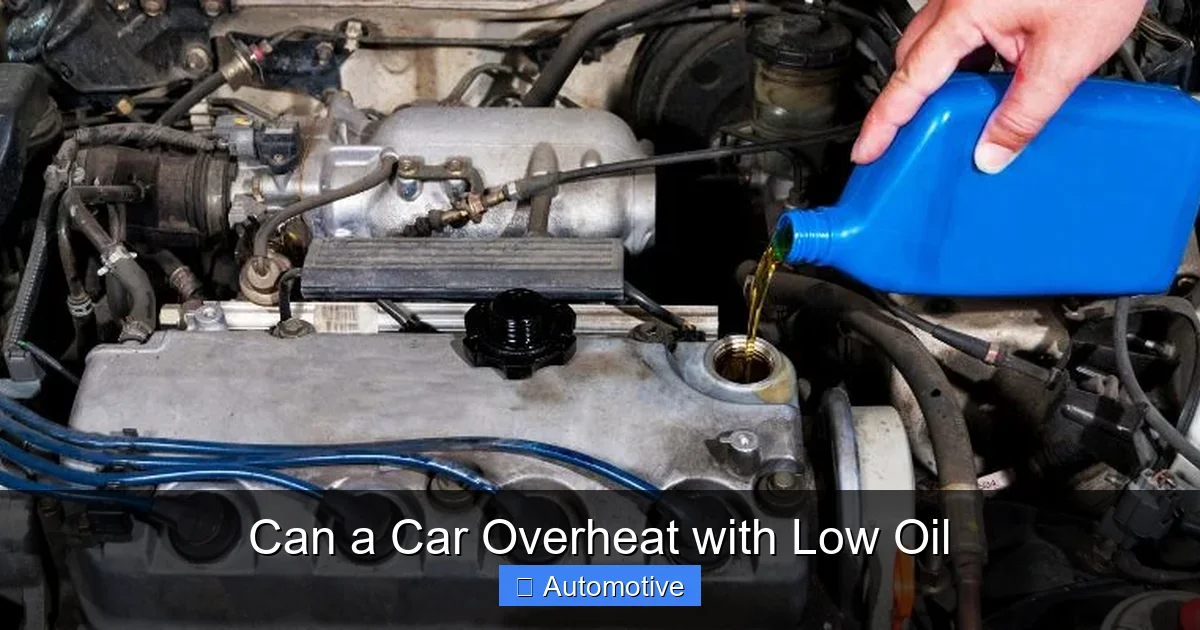
Visual guide about Can a Car Overheat with Low Oil
Image source: thedailyautomotive.com
To understand why low oil can cause overheating, it helps to know exactly what engine oil does. It’s not just a slippery coating—it’s a multi-tasking fluid that keeps your engine running smoothly under extreme conditions.
Lubrication Reduces Friction and Heat
Every time your engine runs, hundreds of metal parts move at high speeds. Pistons slam up and down, crankshafts spin, and valves open and close—all within tight tolerances. Without oil, these parts would grind against each other, creating intense friction. Friction equals heat. The more friction, the hotter the engine gets.
Oil forms a protective film between moving parts, allowing them to glide past each other with minimal resistance. This reduces both wear and heat generation. When oil levels are low, this film thins or disappears entirely in some areas, leading to metal-on-metal contact. The result? A rapid spike in temperature that can overwhelm the cooling system.
For example, imagine driving your car with barely any oil. The piston rings might start to scuff against the cylinder walls. This not only wears down the engine but also generates localized hot spots. These hot spots can cause the metal to expand unevenly, leading to warping or cracking.
Oil Absorbs and Transfers Heat
While coolant circulates through the engine block and radiator, oil takes a different route—it flows through the engine’s internal passages, absorbing heat directly from hot components. The oil pan acts as a secondary heat sink, allowing some of that heat to dissipate into the air.
As oil circulates, it carries heat away from critical areas like the crankshaft, camshaft, and piston undersides. This process is especially important in high-stress situations—like towing, climbing hills, or driving in stop-and-go traffic—where the engine works harder and generates more heat.
When oil levels are low, there’s simply not enough fluid to absorb and carry away this heat. The oil that remains becomes overworked, breaking down faster and losing its ability to transfer heat efficiently. This creates a dangerous feedback loop: less oil → more heat → oil degrades faster → even less cooling capacity.
Oil Maintains Proper Engine Clearances
Modern engines are built with incredibly tight tolerances. Pistons, bearings, and valves are designed to operate within specific gaps. Oil helps maintain these clearances by filling microscopic spaces and preventing parts from touching.
When oil is low, these clearances shrink. Parts that should glide past each other begin to rub or even bind. This increases resistance, which in turn increases heat. In extreme cases, a piston can seize in the cylinder—a catastrophic failure that often requires a full engine rebuild.
Signs Your Car Is Overheating Due to Low Oil
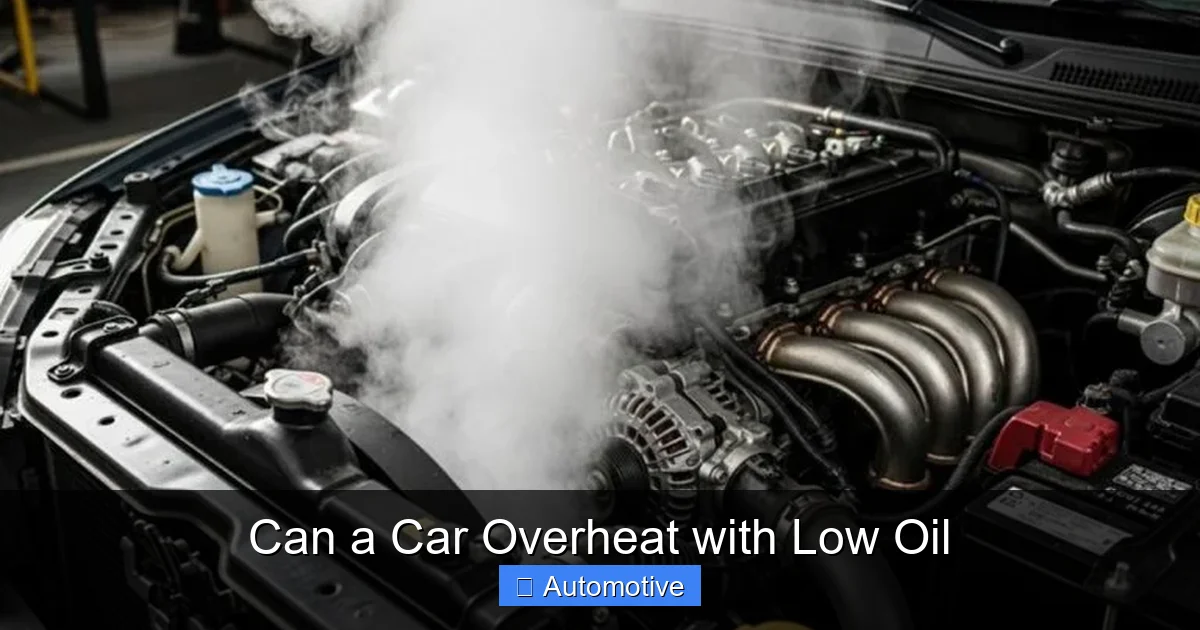
Visual guide about Can a Car Overheat with Low Oil
Image source: aautomotives.com
Overheating from low oil doesn’t always happen instantly. It can creep up slowly, giving you warning signs if you know what to look for. Ignoring these signals can lead to irreversible damage.
The Oil Pressure Warning Light
This is your first and most obvious clue. The oil pressure light on your dashboard isn’t just a suggestion—it’s a red alert. When oil levels drop too low, the oil pump can’t maintain proper pressure. The light comes on to warn you that critical engine parts aren’t getting enough lubrication.
If you see this light, pull over safely and turn off the engine immediately. Continuing to drive can cause severe damage within minutes. Check your oil level using the dipstick. If it’s below the “Add” or “Low” mark, you’ve found the problem.
Rising Temperature Gauge
Your temperature gauge should sit in the middle under normal conditions. If it starts creeping toward the red zone, your engine is overheating. While coolant issues are a common cause, low oil can be the hidden culprit—especially if the coolant reservoir is full.
Pay attention to when the temperature rises. Does it happen during long drives, heavy loads, or hot weather? These are all scenarios where oil plays a bigger role in cooling. If the gauge spikes suddenly, it could mean oil has broken down or levels have dropped dangerously low.
Unusual Engine Noises
Listen for ticking, knocking, or grinding sounds coming from under the hood. These noises often indicate metal parts are rubbing together due to insufficient lubrication.
A common sound is a “ticking” from the valve train—this happens when lifters or rocker arms aren’t getting enough oil. A deeper “knocking” noise could mean the crankshaft bearings are damaged. These sounds are serious warnings that your engine is under stress.
Burning Smell or Smoke
If you smell burning oil or see smoke coming from the engine bay, it could mean oil is leaking onto hot exhaust components. But it could also mean the engine is overheating due to low oil, causing internal parts to overheat and burn off residue.
Blue or gray smoke from the exhaust is another red flag—it often indicates oil is burning inside the combustion chamber, which can happen when piston rings are worn or valves are damaged from overheating.
Loss of Power or Stalling
As the engine overheats, it may start to lose power or stall unexpectedly. This happens because overheating causes metal parts to expand, increasing friction and reducing efficiency. In severe cases, the engine may shut down to prevent catastrophic failure.
If your car feels sluggish, hesitates during acceleration, or stalls at idle, check both your oil and coolant levels. Low oil could be the root cause.
Real-World Examples: When Low Oil Caused Overheating
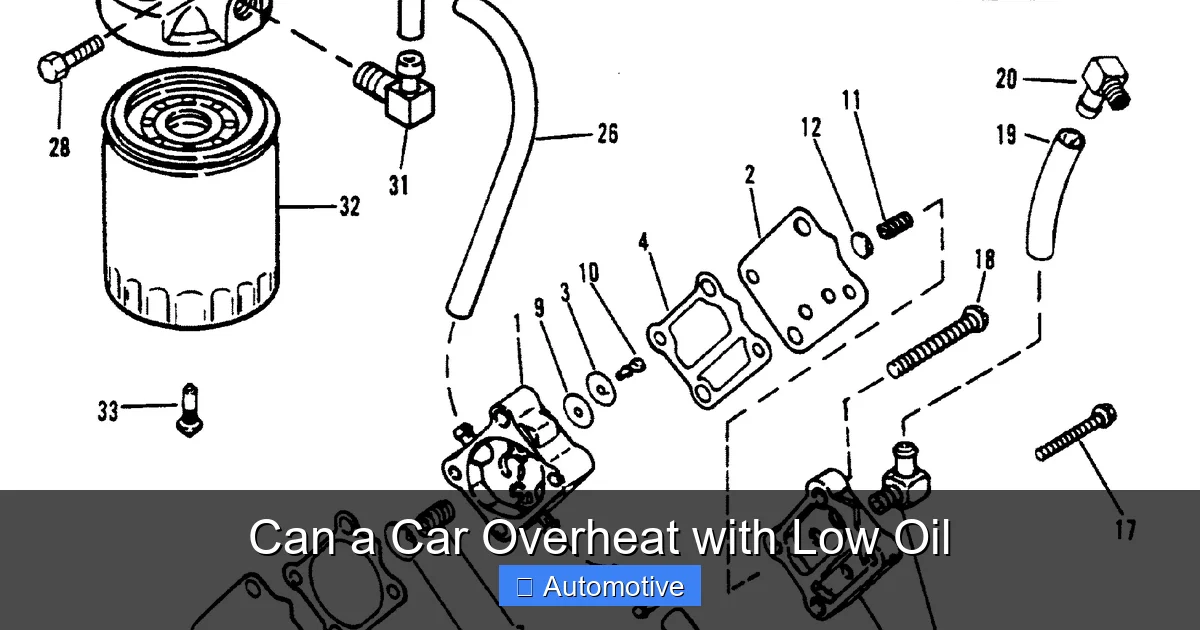
Visual guide about Can a Car Overheat with Low Oil
Image source: ww2.justanswer.com
Let’s look at a few real-life scenarios where low oil led to overheating—and what drivers could have done differently.
Case 1: The Long Road Trip
Sarah was driving cross-country in her 2012 SUV. She’d skipped her last oil change due to a busy schedule. Halfway through the trip, she noticed the temperature gauge creeping up. She pulled over, checked the coolant—it was fine. She added water just in case, but the gauge kept rising.
Eventually, the engine started making a loud knocking noise. She limped to a repair shop, where mechanics found the oil level was nearly empty. The engine had overheated due to friction and lack of lubrication. The repair bill? Over $4,000 for a new head gasket and resurfaced cylinder head.
What she missed: Sarah hadn’t checked her oil in months. Modern cars can burn oil slowly, especially older models or those with high mileage. Regular checks could have caught the problem early.
Case 2: The Towing Mishap
Mike was towing a small trailer up a mountain pass in his pickup truck. Halfway up, the temperature light came on. He pulled over, checked the coolant—full. He waited for the engine to cool, then continued. The light came back on, and this time, the engine started smoking.
At the shop, they found the oil level was critically low. The engine had overheated because the oil couldn’t handle the extra heat from towing. The pistons had scored the cylinder walls, requiring a full rebuild.
What he missed: Towing increases engine load and heat. Mike should have checked his oil before the trip and used a high-viscosity oil rated for heavy-duty use.
Case 3: The Daily Commuter
Jen drove a 2008 sedan with 180,000 miles. She rarely checked the oil, assuming the “maintenance minder” would alert her. One summer day, her car stalled in traffic. The engine was hot, and the oil light was on.
Mechanics found the oil pan was almost dry. The engine had overheated, warping the cylinder head. The repair cost more than the car was worth.
What she missed: Older engines burn oil faster. Relying solely on dashboard alerts isn’t enough—manual checks are essential.
How to Prevent Overheating from Low Oil
The good news? Preventing overheating from low oil is simple—if you stay proactive. A few minutes of maintenance each month can save you thousands in repairs.
Check Your Oil Weekly
Make it a habit to check your oil at least once a week, especially before long trips. Park on level ground, turn off the engine, and wait 5–10 minutes for the oil to settle. Pull out the dipstick, wipe it clean, reinsert it, and check the level.
The oil should be between the “Full” and “Add” marks. If it’s low, top it off with the correct type of oil for your vehicle. Don’t overfill—too much oil can cause foaming and reduce lubrication.
Follow the Manufacturer’s Oil Change Schedule
Don’t skip oil changes. Most manufacturers recommend changes every 5,000 to 7,500 miles for conventional oil, or up to 10,000 miles for synthetic. High-mileage vehicles may need more frequent changes.
Use the oil type specified in your owner’s manual. Using the wrong viscosity can reduce protection and increase wear.
Use High-Quality Synthetic Oil
Synthetic oils offer better heat resistance, longer life, and improved flow in cold weather. They’re especially beneficial for high-performance engines, turbocharged vehicles, or those used for towing.
While synthetics cost more upfront, they reduce engine wear and can extend the life of your vehicle.
Monitor for Oil Leaks
Look under your car for oil spots. A few drops are normal, but a steady drip indicates a leak. Common sources include the oil pan gasket, valve cover gasket, or oil filter.
Fix leaks promptly. A small drip can turn into a major loss over time, especially on long drives.
Watch for Oil Consumption
Some engines burn oil naturally. If you find yourself adding oil frequently, have your mechanic check for worn piston rings, valve seals, or PCV valve issues.
High oil consumption increases the risk of low oil and overheating. Addressing the root cause can prevent future problems.
Install an Oil Pressure Gauge (Optional)
If you drive an older car or use your vehicle for performance driving, consider installing an aftermarket oil pressure gauge. It gives you real-time data on oil pressure, helping you catch issues before they cause damage.
What to Do If Your Car Overheats from Low Oil
If you suspect your car is overheating due to low oil, act fast. Every minute counts.
Pull Over Immediately
Don’t wait. Pull to a safe location, turn off the engine, and engage the parking brake. Continuing to drive can cause irreversible damage.
Let the Engine Cool
Open the hood to allow heat to escape, but don’t touch any components—they may be extremely hot. Wait at least 30 minutes before inspecting.
Check Oil and Coolant Levels
Once cool, check the oil dipstick and coolant reservoir. If oil is low, add the correct type—but only after the engine has cooled. Adding cold oil to a hot engine can cause thermal shock.
Do Not Restart the Engine
If the oil was critically low or the engine made knocking noises, do not restart it. Tow the vehicle to a repair shop. Restarting could cause further damage.
Seek Professional Diagnosis
A mechanic can perform a compression test, leak-down test, or oil analysis to assess engine health. They’ll check for warped heads, scored cylinders, or bearing damage.
Consider the Cost of Repair vs. Replacement
If the engine is severely damaged, repairs may cost more than the car is worth. In such cases, replacing the engine or the vehicle may be the smarter choice.
Conclusion: Don’t Let Low Oil Take Down Your Engine
So, can a car overheat with low oil? The answer is a resounding yes. While coolant handles the bulk of heat management, engine oil is a silent hero that keeps internal temperatures in check. Without enough oil, friction increases, heat builds up, and the cooling system is overwhelmed.
Overheating from low oil isn’t just possible—it’s preventable. A few minutes of weekly maintenance can save you from costly repairs, roadside breakdowns, and engine failure. Check your oil, follow your service schedule, and listen to your car. Those dashboard lights and strange noises are trying to tell you something.
Your engine is the heart of your vehicle. Treat it with care, and it will keep you moving for years to come. Don’t let low oil turn a simple oversight into a major disaster. Stay informed, stay proactive, and keep that oil level where it belongs—full.
Frequently Asked Questions
Can low oil cause a car to overheat even with full coolant?
Yes, low oil can cause overheating even if the coolant is full. Oil lubricates engine parts and helps dissipate heat. Without enough oil, friction increases, generating excess heat that the cooling system can’t manage.
How often should I check my oil to prevent overheating?
Check your oil at least once a week, especially before long trips or in hot weather. Regular checks help you catch low levels early and prevent engine damage.
What does it sound like when an engine is overheating from low oil?
You may hear ticking, knocking, or grinding noises from the engine. These sounds indicate metal parts are rubbing together due to insufficient lubrication.
Can I just add oil if my car overheats?
You can add oil if levels are low, but only after the engine has cooled. If the engine is severely damaged or making loud noises, do not restart it—tow it to a mechanic.
Is synthetic oil better at preventing overheating?
Yes, synthetic oil offers better heat resistance, longer life, and improved flow. It’s especially beneficial for high-stress driving conditions like towing or hot weather.
What happens if I keep driving with low oil?
Driving with low oil can cause overheating, warped engine components, blown head gaskets, or a seized engine. Repairs can cost thousands, and in some cases, the engine may need replacement.