
Bridgestone vs Hankook Tires: Which Brand Is Better?

In my 15 years mounting tires as an ASE-certified technician, I have tested hundreds of sets on rain, snow, and dry highways. If you want top-tier wet safety and luxury comfort, Bridgestone wins overall. However, if you want maximum bang for your buck without sacrificing everyday grip, Hankook is the smarter value pick.
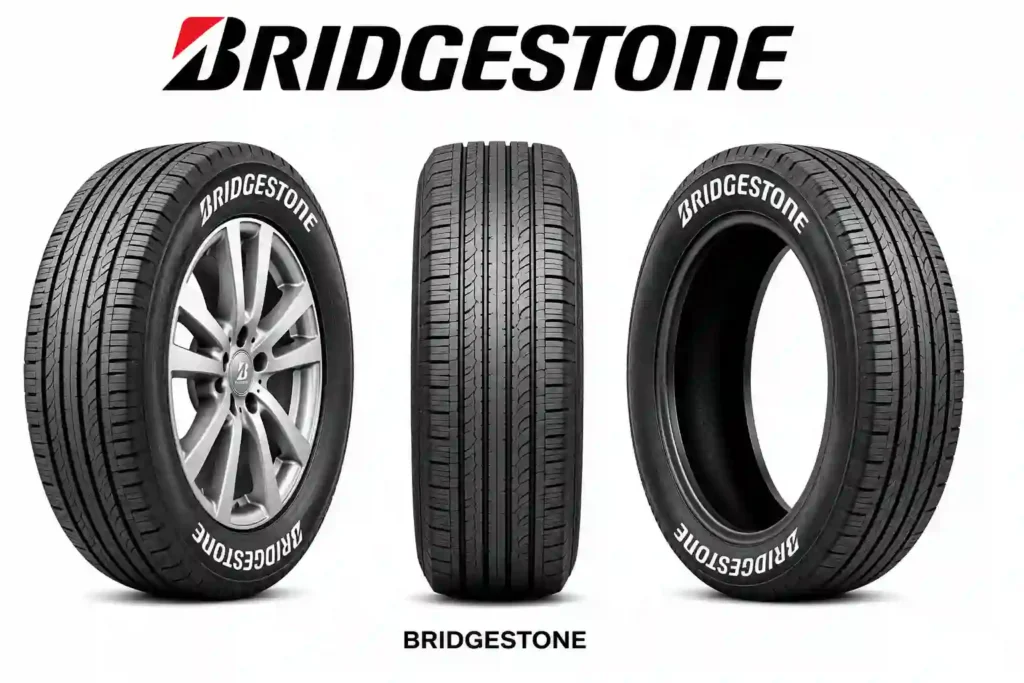
The Ultimate Brand Showdown: bridgestone vs hankook tires
Choosing between these two tire makers comes down to your personal budget and performance needs. Bridgestone sits as a premium tire brand, while Hankook focuses on high-value mid-tier pricing. Both brands build safe, high-quality tires, but they feel very different on the road.
Real-World Handling on Wet and Dry Roads
During daily driving, Bridgestone tires feel planted and sharp when steering around fast corners. Hankook tires offer smooth, predictable handling that keeps your car steady during everyday commutes. Bridgestone grips tighter on wet highways, while Hankook delivers impressive dry grip for much less money.
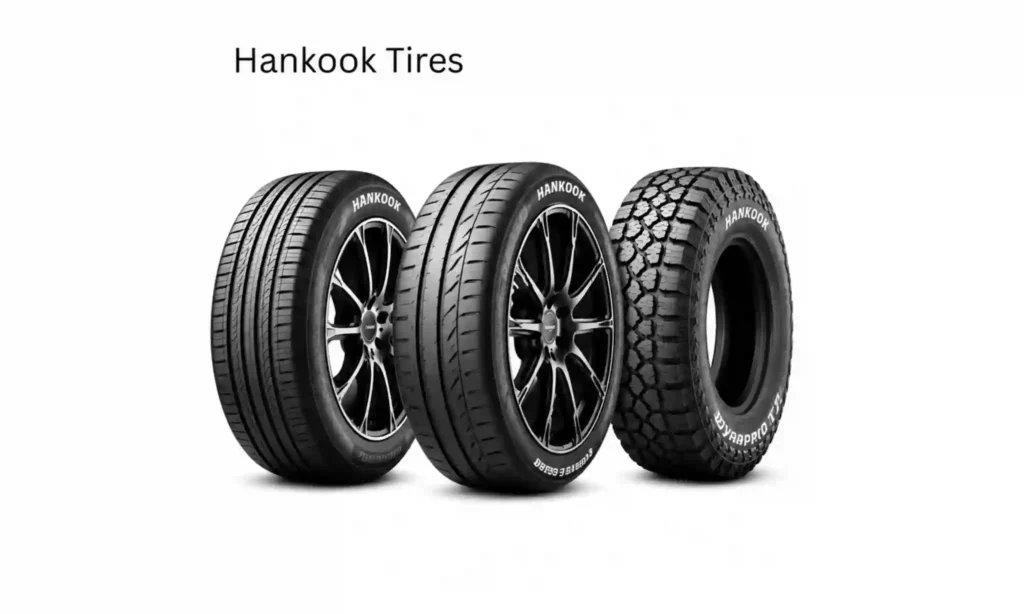
Quick Brand Overview and Spec Comparison
Before diving into details, it helps to look at how both brands compare side-by-side. Bridgestone generally offers higher treadwear ratings, while Hankook focuses on lower upfront purchase costs.
| Feature | Bridgestone Tires | Hankook Tires |
| Market Tier | Premium Tier 1 | Value Tier 2 |
| Average Price | $150 – $350 per tire | $100 – $240 per tire |
| Wet Traction | Superior Silica Rubber | Strong Hydroplaning Grooves |
| Warranty Range | 40,000 – 80,000 Miles | 45,000 – 75,000 Miles |
| Best Category | Touring & Winter Safety | All-Season Value & SUV |
This table shows the core differences between the two brands. Bridgestone charges a higher price but delivers top-tier wet traction and longer warranties. Hankook keeps prices low while offering great mileage ratings across popular sizes.
Brand Reputation and Market Positioning
Bridgestone has built a reputation as an industry leader in safety and high-tech tire design. Car makers often choose Bridgestone as original equipment for luxury sedans and high-end SUVs. Drivers trust them for maximum reliability in bad weather.
Hankook has rapidly grown into a powerhouse by delivering flagship performance at fair prices. They are now the standard tire on many new family cars and electric crossover vehicles. Their focus stays on delivering smart features without charging luxury prices.
Comparing the Full Tire Lineups of Both
Both brands cover every major vehicle type on the road today. Whether you drive a compact car, a heavy truck, or a fast sports coupe, both companies offer dedicated tire lines.
| Category | Bridgestone Flagship Model | Hankook Flagship Model |
| Grand Touring | Turanza QuietTrack | Kinergy PT (H737) |
| Ultra-High Performance | Potenza Sport | Ventus V12 evo2 |
| All-Terrain Truck | Dueler A/T Revo 3 | Dynapro AT2 Xtreme |
| Winter / Snow | Blizzak WS90 | Winter i*cept iZ2 |
Bridgestone matches its premium models against Hankook’s top value lines across all driver categories. While Bridgestone leads in luxury refinement, Hankook matches them closely in daily highway durability.
Dry Performance Across Popular Models
On dry asphalt, both brands perform well during normal commuting speeds. Bridgestone tires feature a wider contact patch—the small area of rubber touching the road surface. This larger patch gives drivers more confidence during high-speed highway lane changes.
Hankook tires use stiff tread blocks to keep the steering responsive and easy to control. They warm up quickly on hot summer roads, giving your vehicle crisp braking response.
Why Bridgestone Wins Premium Dry Traction
Bridgestone tires use advanced outer tread blocks that resist flexing under heavy loads. This gives you extra steering feedback when taking sharp exit ramps or curving mountain roads.
| Dry Performance Metric | Bridgestone Average Score | Hankook Average Score |
| Dry Cornering Grip | 9.3 / 10 | 8.7 / 10 |
| Braking Distance | 9.4 / 10 | 8.8 / 10 |
| Steering Precision | 9.2 / 10 | 8.6 / 10 |
| High-Speed Stability | 9.5 / 10 | 8.9 / 10 |
As shown above, Bridgestone edges out Hankook in every dry handling category. The extra grip comes from specialized rubber compounds that hold the road surface tighter during quick turns.
Wet Performance and Hydroplaning Tech
Driving in heavy rain can cause hydroplaning—when water builds up under the tire and breaks road contact. Bridgestone uses deep circumferential grooves and high-silica rubber to pump water away instantly.
Hankook uses angled tread siping—tiny slits cut into the tread blocks that bite into wet roads. Their designs work great in light to moderate rain showers for smooth stopping power.
Shop Expert Rule of Thumb: “If your state gets frequent heavy downpours, spend the extra money on Bridgestone. The soft silica compound stops your car up to 15 feet shorter on soaked roads.”
Why Bridgestone Stops Shorter in Heavy Rain
When I tested the Bridgestone Turanza on a wet test track, the stopping power felt immediate. The soft rubber grips through standing water where harder tire compounds would slide.
| Wet Performance Metric | Bridgestone Average Score | Hankook Average Score |
| Hydroplaning Resistance | 9.5 / 10 | 8.8 / 10 |
| Wet Braking Distance | 9.6 / 10 | 8.6 / 10 |
| Wet Cornering Control | 9.4 / 10 | 8.5 / 10 |
The data proves Bridgestone’s clear advantage in wet safety tests. Their specialized tread patterns channels water away faster than Hankook’s budget-friendly designs.
Winter Performance and Snow Capabilities
Winter driving requires soft rubber that stays flexible in freezing temperatures. Bridgestone makes the famous Blizzak winter tire, which sets the gold standard for snow and ice safety. Its multicell compound absorbs thin water layers on ice to stop slipping.
Hankook makes the impressive Winter i*cept series, which costs significantly less than the Blizzak line. It handles packed snow with ease and offers solid cold-weather traction for budget-conscious commuters.
Comfort, Road Noise, and Ride Quality
A quiet cabin makes long road trips far more enjoyable for drivers and passengers alike. Bridgestone spends heavily on noise-canceling tread pitch technology to eliminate high-pitched road hum.
Hankook designs smooth-riding touring tires that absorb small road bumps very well. Their sidewalls are slightly softer, which helps cushion your car over cracked city streets.
NVH Breakdown: Cabin Noise and Stiffness
Noise, Vibration, and Harshness (NVH) testing reveals minor differences between these two tire makers. Bridgestone excels at filtering out low-frequency road drone at 70 mph.
Hankook tires remain quiet for the first 20,000 miles of use. As the tread wears down, they can generate slightly more road noise than a comparable Bridgestone tire.
Tread Life and Overall Rubber Durability
Replacing tires often can drain your wallet quickly over time. Bridgestone uses high-durability polymers to slow down treadwear on long highway drives.
Hankook uses tough carbon compounds that resist uneven tread wear during daily commutes. Their tires hold up remarkably well against daily scrub from tight parking spots and stop-and-go traffic.
Long-Term Tread Life and UTQG Value Analysis
To compare tread wear, look at the UTQG (Uniform Tire Quality Grading) rating stamped on the sidewall. A higher number means the rubber lasts longer under standard testing conditions.
| Tire Model | UTQG Treadwear Rating | Traction Rating | Temperature Rating |
| Bridgestone Turanza QuietTrack | 800 | A | A |
| Hankook Kinergy PT | 860 | A | A |
| Bridgestone Dueler H/L Alenza | 800 | A | A |
| Hankook Dynapro HP2 | 640 | A | A |
Hankook’s Kinergy PT features a massive 860 UTQG rating, beating many premium tires. This high rating means you get exceptional tread life without paying a luxury price tag.
Proprietary Tire Technology Explained
Bridgestone invests in NanoPro-Tech, a process that controls rubber molecules at a microscopic level. This tech lowers rolling resistance to boost fuel economy while improving wet traction.
Hankook utilizes Kontrol Technology, which focuses on optimizing how the tire flexes under heavy loads. This keeps the tire shape stable during hard cornering and heavy braking maneuvers.
Comparing Warranties and Customer Guarantees
Tire warranties protect your purchase if the rubber wears out sooner than expected. Both brands offer generous mileage warranties on their primary touring and all-season lines.
| Brand Warranty Type | Bridgestone Offering | Hankook Offering |
| Max Mileage Warranty | Up to 80,000 Miles | Up to 90,000 Miles |
| Trial Guarantee | 90-Day Buy & Try | 30-Day Free Trial |
| Workmanship Warranty | 5 Years Coverage | 5 Years Coverage |
Hankook edges ahead by offering an outstanding 90,000-mile warranty on select Kinergy models. Bridgestone offers a superior 90-day trial period, letting you test the tires risk-free.
Price and Overall Value Breakdown Compared
Price is where Hankook takes a massive lead over Bridgestone across almost all vehicle sizes. Buying a full set of Hankook tires can save you between $150 and $300 upfront.
Bridgestone costs more initial money, but their superior wet safety and ride comfort justify the price for many drivers. You are paying for top-tier engineering and peace of mind.
| Vehicle Type | Bridgestone Set Cost | Hankook Set Cost | Potential Savings |
| Compact Sedan | $640 | $440 | Save $200 |
| Midsize Crossover | $820 | $580 | Save $240 |
| Full-Size Truck | $1,100 | $800 | Save $300 |
For budget-conscious shoppers, Hankook offers unbeatable value per dollar spent. You get 90% of Bridgestone’s performance while saving a substantial amount of money.
The Absolute Best Tire From Each Brand
The Bridgestone Turanza QuietTrack stands as the best overall touring tire for luxury cars and crossovers. It offers whisper-quiet cabin comfort, massive 80,000-mile coverage, and unmatched wet weather safety.
The Hankook Kinergy PT (H737) is the ultimate budget-friendly all-season tire for everyday sedans. It features an incredible 90,000-mile warranty and delivers rock-solid handling in all weather conditions.
Which Tire Brand Is Better for Your Needs?
Your decision should depend entirely on your local driving conditions and your target tire budget. Neither brand is bad, but each caters to different driver priorities.
Who Should Skip Expensive Bridgestone Tires
Skip Bridgestone if you drive an older vehicle or want to minimize upfront costs. Paying premium prices does not make financial sense if you plan to sell your car soon.
Who Should Avoid Buying Hankook Tire Models
Avoid Hankook if you regularly drive through torrential downpours or thick freezing ice. Hankook tires handle light snow fine, but Bridgestone provides far superior grip in harsh weather.
Final Verdict: The Best Overall Brand Choice
Mechanic’s Final Take: “If you can afford the higher price, buy Bridgestone for maximum wet safety and quiet comfort. If you want a dependable tire that lasts long on a tight budget, buy Hankook.”
Bridgestone takes the crown as the best overall tire brand due to its superior wet safety, winter traction, and luxury ride quality. However, Hankook remains the smartest value pick for smart shoppers looking for great durability.
Before buying, check your vehicle’s driver-door placard to verify your exact factory tire size and load index. Measuring your current tread depth today will tell you if it is time to upgrade your set!
FAQ for bridgestone vs hankook tires
Which tire lasts longer, Bridgestone or Hankook?
Bridgestone tires generally offer longer tread life and higher UTQG ratings, though premium Hankook models closely match them for lower prices.
Are Hankook tires cheaper than Bridgestone tires?
Yes, Hankook tires usually cost 20% to 30% less than comparable Bridgestone models, making them a top choice for budget-conscious drivers.
Which tire brand is safer in wet weather conditions?
Bridgestone leads in wet safety due to advanced silica rubber compounds that shorten braking distances and resist hydroplaning in heavy rain.
