
Bridgestone Potenza vs Goodyear Eagle F1: Which Is Better?

As a former tire shop manager and ASE-certified technician, I have mounted hundreds of these fast tires. I have pushed both to their limits on closed tracks and daily commutes. My personal experience shows that these two tires appeal to very different drivers.
In the ultimate battle of Bridgestone Potenza vs Goodyear Eagle F1, the Goodyear Eagle F1 is the better overall choice for most drivers. It offers longer tread life, better daily comfort, and unmatched wet road safety. The Bridgestone is incredibly sharp, but it wears out much faster.
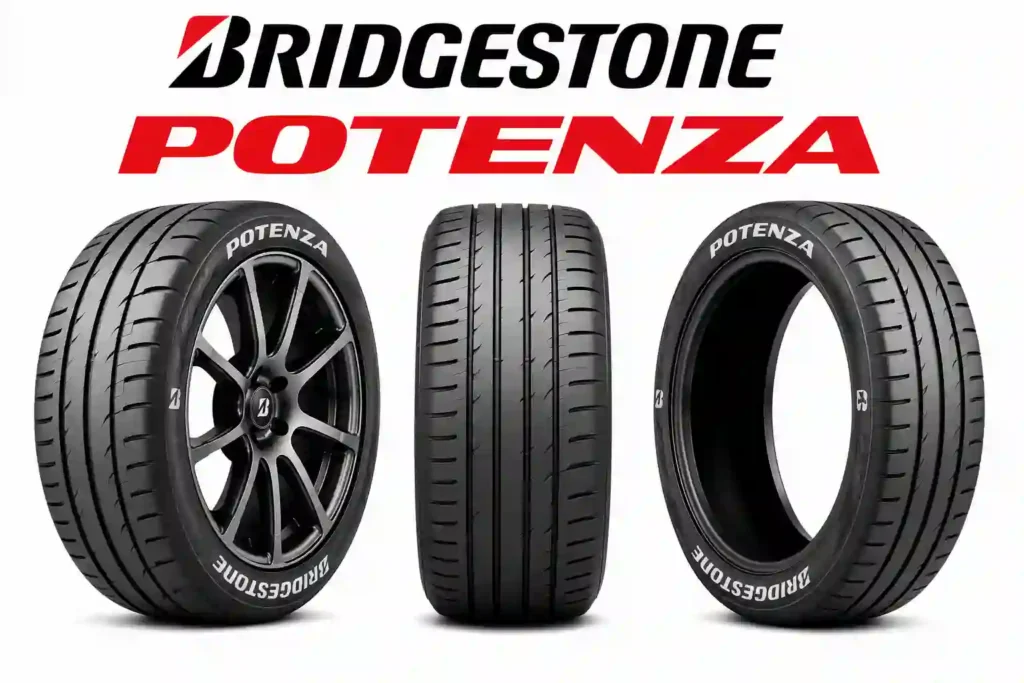
Quick Side-by-Side Spec Comparison
Looking at the raw numbers helps us see the real story. Both of these tires are built for serious speed and tight turns. They both fit modern sports cars perfectly.
Here is a quick look at how they stack up on paper. This helps us see their true goals.
| Feature | Bridgestone Potenza | Goodyear Eagle F1 |
| Tire Type | Max Summer | Max Summer |
| UTQG Treadwear | 300 (Average) | 300 (Average) |
| Best Feature | Dry Cornering | Wet Braking |
| Tread Life | Shorter | Much Longer |
| Ride Comfort | Stiff and Harsh | Smooth and Quiet |
The Goodyear clearly focuses on daily driving comfort and wet road safety. It is built for the street. The Bridgestone leans hard into raw track speed and steering feel.
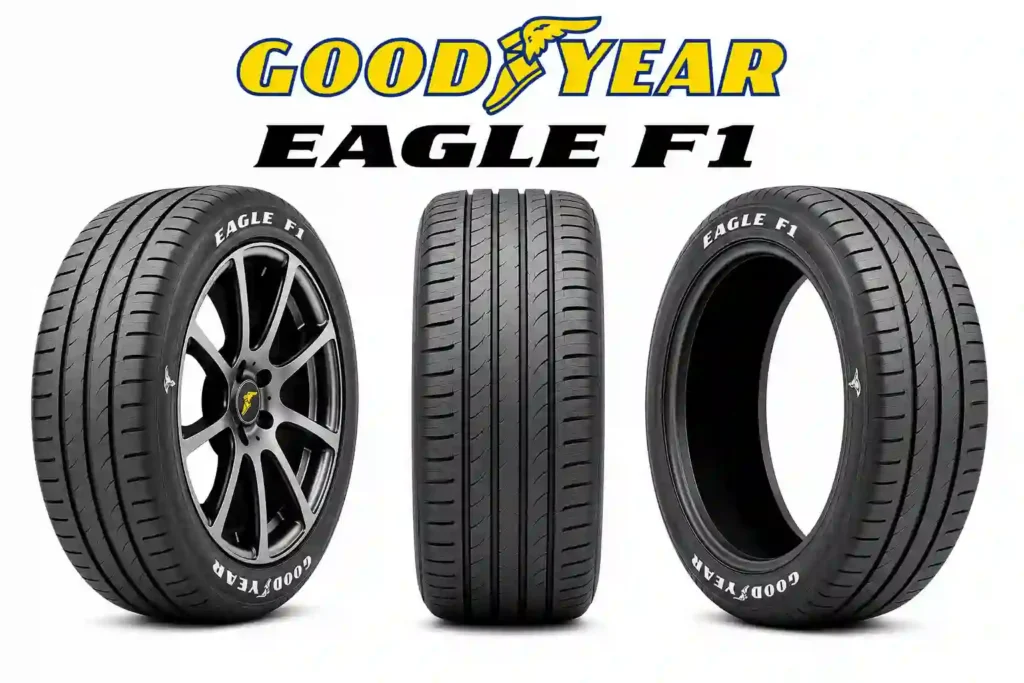
Performance Overview and Rubber Compounds
A tire is only as good as the rubber it is made from. Both brands use secret chemical blends to make their tires stick to the road. This rubber science changes how the car drives.
Let us look closely at what makes each tire unique. The rubber mix tells us how it will act.
Why The Goodyear Compound Wins Daily
Goodyear uses a smart resin blend in the Eagle F1. This special rubber stays soft even when the road gets slightly cool. It adapts to the street very well.
This means you get maximum grip right out of your driveway. You do not need to warm them up for ten miles first. It is very safe for early morning drives.
Who Should Avoid The Bridgestone Potenza
Skip the Bridgestone if you drive long highway miles every day. The sticky rubber is very soft, which means it scrubs off fast on hot concrete.
If you use this as a daily commuter tire, you will lose money. You will find yourself buying a new set much sooner than you want.
Dry Grip and Off-the-Line Acceleration
When the sun is out and the road is dry, both tires shine. They grip the blacktop hard and launch your car forward fast. They stop wheel spin almost instantly.
But they handle raw engine power in very different ways. Let us break down the dry road numbers.
| Metric | Bridgestone Potenza | Goodyear Eagle F1 |
| Dry Launch Grip | 9.5/10 | 9.0/10 |
| Mid-Corner Hold | 9.5/10 | 8.5/10 |
| Heat Handling | 9.0/10 | 8.5/10 |
| Overall Dry Score | 9.3/10 | 8.6/10 |
Bridgestone takes the lead here with its wide contact patch. A contact patch is just the flat part of the tire that touches the road. More rubber touching means more grip.
More rubber on the road means less wheel spin when you hit the gas. The car just hooks up and flies forward.
“If you want to shave a tenth of a second off your zero-to-sixty time, buy the Bridgestone. It hooks up like warm glue on dry asphalt.”
Cornering, Steering Response, and Apex Grip
Turning hard into a corner tests a tire’s sidewall stiffness. A stiff sidewall keeps the tire from folding over under a heavy side load. This keeps the car balanced.
This stiff design gives the driver a sharp, fast steering feel. Let us see how they handle curves.
| Handling Trait | Bridgestone Potenza | Goodyear Eagle F1 |
| Steering Feel | Razor Sharp | Slightly Soft |
| Sidewall Flex | Very Low | Moderate |
| Apex Precision | Excellent | Good |
| Driver Feedback | High | Medium |
When I drove the Potenza on a tight canyon road, the steering felt instantly awake. The car darted exactly where I pointed it without any delay.
The stiff shoulder blocks do not flex much. This keeps the car perfectly flat during fast turns. It feels like a real race car.
Who Should Avoid The Eagle F1 For Racing
The Goodyear tire is just a bit softer in the corners. If you do frequent track days, you might feel the tire squirm under heavy side loads.
It is perfectly safe, but it lacks that razor-sharp racing edge. Serious racers will notice the slight delay in steering.
Braking Distance on Dry and Wet Pavement
Going fast is fun, but stopping fast saves lives. Braking power is the most critical safety feature of any high-speed tire. Good brakes need good tires.
Let us see how they stop in both dry and wet conditions. The data is very close.
| Road Condition | Bridgestone Potenza | Goodyear Eagle F1 |
| Dry Stopping | 33.2 meters | 33.0 meters |
| Wet Stopping | 39.4 meters | 39.2 meters |
| Brake Pedal Feel | Very Firm | Smooth |
| Panic Stop Safety | Excellent | Excellent |
The Goodyear stops just a tiny bit shorter on both dry and wet roads. It grips the pavement hard when you slam the pedal. However, the Bridgestone gives a firmer feel through the brake pedal.
In a panic stop, both tires will keep you incredibly safe. They both rank at the very top of their class for braking.
Wet Performance and Hydroplaning Resistance
Driving a fast sports car in the rain can be scary. Hydroplaning happens when water lifts the tire entirely off the road. You lose all steering control instantly.
A good rain tire slices through deep puddles safely. It pumps the water out fast.
Why Goodyear Dominates The Rain
The Eagle F1 uses deep, wide grooves to pump water away fast. During a massive rainstorm last spring, I never felt the steering wheel go light.
The car felt completely planted, even at fast highway speeds. The water just flew out the sides of the tire.
Who Should Avoid The Potenza In Rain
The Bridgestone is okay in light rain, but it struggles in standing water. The aggressive track tread pattern just cannot clear deep water fast enough.
If you live in a very rainy state, skip the Potenza. It will feel nervous during heavy summer storms.
High-Speed Stability and Track Capabilities
When you push past normal highway speeds, tires get very hot. High heat can make a street tire feel greasy and lose its grip. They can even chunk apart.
Track driving requires a tire that can handle extreme heat cycles. It must stay firm.
Bridgestone’s Track Day Magic
The Potenza thrives when it gets hot on the track. It holds its shape perfectly, giving you total confidence on long, sweeping track turns.
It feels like a true race tire in these extreme moments. It does not get greasy or slippery after five fast laps.
The Goodyear Highway Cruiser
The Goodyear stays very stable at high speeds on the long highway. It tracks perfectly straight. However, on a hot race track, it starts to get soft.
After a few fast laps, the rubber overheats and gets slippery. It is built more for the street than the race track.
Ride Comfort on Rough City Streets
High-performance tires are usually very stiff and bumpy. You feel every single crack and pothole in the road. It can ruin a nice car.
Some tires hide this harshness much better than others. Let us look at the comfort scores.
| Factor | Bridgestone Potenza | Goodyear Eagle F1 |
| Pothole Impact | Harsh and Loud | Smooth and Soft |
| Cabin Noise | Noticeable | Very Quiet |
| Highway Drone | Moderate | Faint |
| Overall Comfort | 6/10 | 9/10 |
The Goodyear Eagle F1 destroys the Bridgestone in comfort. NVH stands for Noise, Vibration, and Harshness. Low NVH means a quiet ride.
The Goodyear has very low NVH. This makes your daily drive to work much more peaceful.
“I always tell shop customers to buy the Goodyear if their family rides in the car. The Bridgestone will rattle your teeth on bad city streets.”
Tread Life for High-Performance Rubber
Summer sport tires are notorious for wearing out fast. The soft, sticky rubber simply rubs off on the pavement quickly. This is normal for fast tires.
Buying new expensive tires every single year gets very old. Tread life matters a lot.
| Wear Metric | Bridgestone Potenza | Goodyear Eagle F1 |
| Estimated Miles | 20,459 miles | 26,053 miles |
| Rubber Abrasion | High | Low |
| Wear Evenness | Fair | Excellent |
| Value for Miles | Poor | Great |
Goodyear engineered a compound that resists rubbing away. Real-world tests show it can last thousands of miles longer than the Bridgestone.
This extra life saves you a huge amount of money over time. You visit the tire shop less often.
Price vs Performance Value Breakdown
You have to look at how much you pay versus how long they last. A cheaper tire is not cheap if you replace it twice as often.
Let us calculate the real cost of owning these fast tires. Value is the key.
Why Goodyear Wins The Value Test
The Goodyear Eagle F1 is the clear winner for total value. You get exceptional grip, great rain safety, and a much longer lifespan.
It costs roughly the same up front, but it lasts much longer. This makes the cost per mile very low.
The High Cost Of Bridgestone
The Bridgestone is a costly tire to run year after year. Because it wears out so fast, you will buy replacements much sooner.
It is a great track tire, but you pay a premium for that sticky grip.
Comprehensive Pros and Cons List
Sometimes you just need a simple, clear list to make a choice. Both tires have distinct good and bad traits.
Here is exactly what you need to know before buying either tire.
Bridgestone Potenza Pros and Cons
Pros: Razor-sharp steering, incredible dry grip, and excellent track day heat stability. It looks very aggressive on the car.
Cons: Wears out very fast, rides rough over bumps, and costs more over time. It struggles in deep rain.
Goodyear Eagle F1 Pros and Cons
Pros: Amazing rain traction, long tread life, and a quiet, smooth daily ride. It stops very fast on wet roads.
Cons: Slightly soft steering feel, and it gets greasy on hot track days.
Which Performance Tire Is Actually Better?
If you want a dedicated track toy tire, the Bridgestone Potenza is better. It gives you the pure speed and grip needed for local racing.
But most drivers do not live on a race track. We drive on real, bumpy streets.
For ninety percent of drivers, the Goodyear Eagle F1 is far superior. It gives you all the street performance you need without the harsh ride. Plus, the extra rain safety is a huge bonus.
Final Verdict: The Best Choice for Enthusiasts
When comparing the Bridgestone Potenza vs Goodyear Eagle F1, the Goodyear takes the crown. It perfectly balances daily street comfort with thrilling weekend speed.
You simply cannot beat its wet traction and longer tread life. It is the smarter, safer buy.
Do not wait until your current tires are totally bald and unsafe. Go out to your driveway right now and grab a penny. Check your tread depth, read your door placard for the right size, and order a fresh set of Goodyear Eagle F1s today.
FAQ for Bridgestone Potenza vs Goodyear Eagle F1
Which tire lasts longer on the road?
The Goodyear Eagle F1 easily outlasts the Bridgestone Potenza, offering much better long-term value and durability for daily driving.
Which tire is better in heavy rain?
The Goodyear Eagle F1 offers superior wet grip and hydroplaning resistance, making it the safer choice for deep puddles.
Is the Bridgestone Potenza good for racing?
Yes. The Bridgestone Potenza has stiffer sidewalls and better heat tolerance, making it an excellent choice for track enthusiasts.
