
Bridgestone Blizzak vs Pirelli Sottozero: Which Is Actually Better?

As a former tire shop manager and ASE-certified technician, I have mounted hundreds of winter tires. When comparing the Bridgestone Blizzak vs Pirelli Sottozero, the Blizzak is the clear overall winner for true winter survival. It simply grips ice much better than the Pirelli.
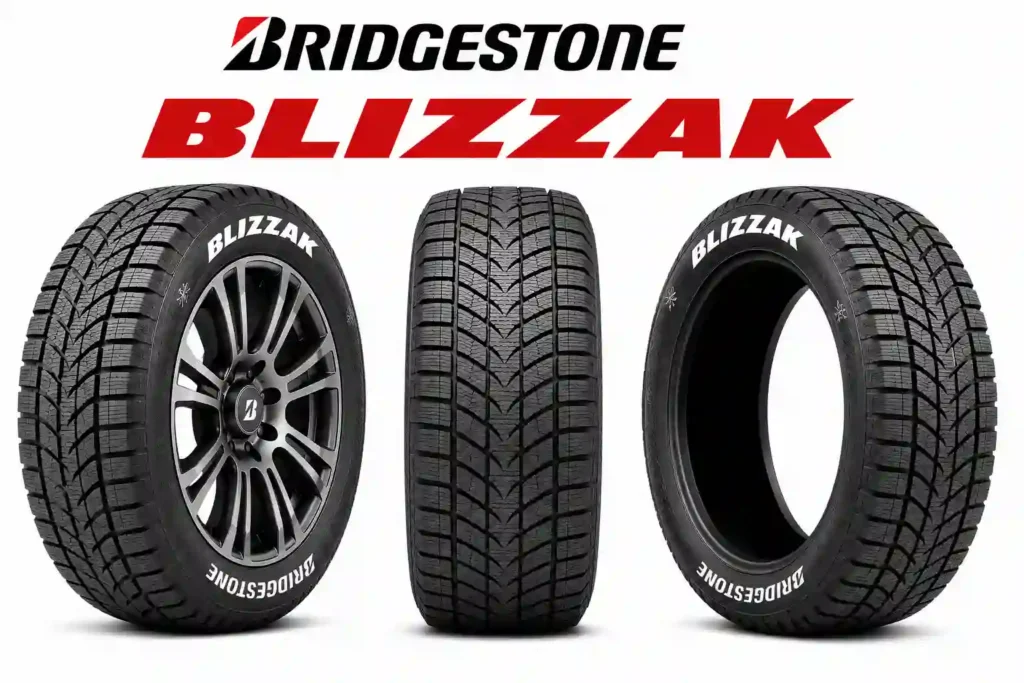
The Ultimate Winter Battle: bridgestone blizzak vs pirelli sottozero
The fight between these two tires is a classic match of two different styles. The Bridgestone focuses on pure, raw grip in deep snow and on slick ice. The Pirelli focuses on fast, sporty driving in cold but clear weather.
I always ask my customers how much snow they actually see. If you live in a place with heavy blizzards, the choice is very clear. But if your winters are mostly just cold and dry, things get a bit more tricky.
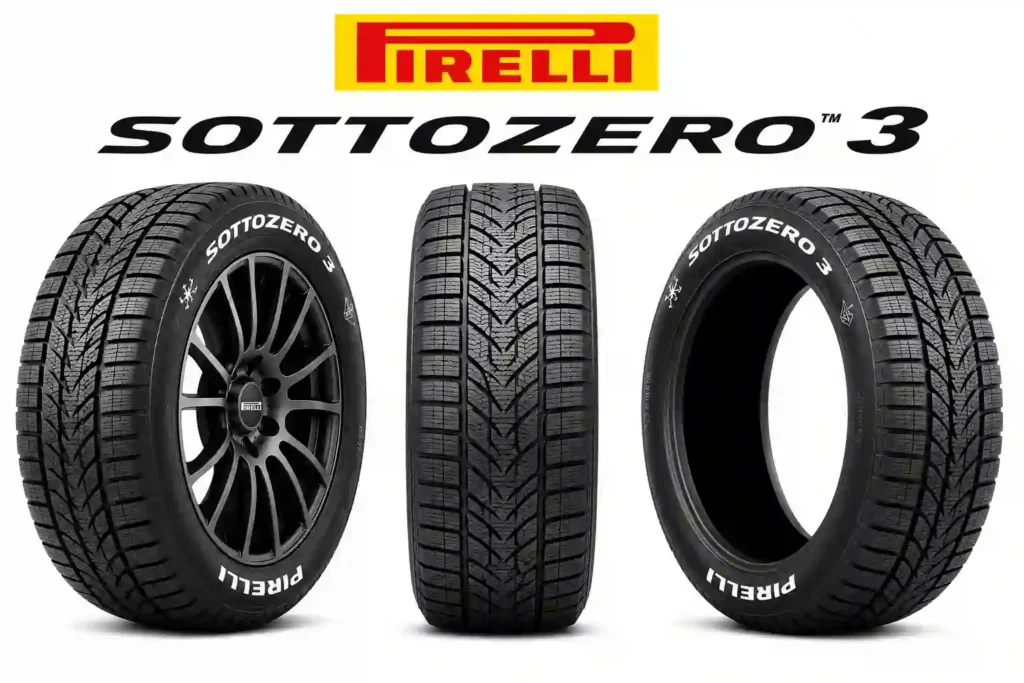
Quick Side-by-Side Spec Comparison
Looking at the exact numbers helps to show what each tire was built to do. This table compares the core features of both models. You can see how they match up right away.
| Feature | Bridgestone Blizzak | Pirelli Sottozero |
| Tire Class | Studless Ice & Snow | Performance Winter |
| Best For | Deep Snow, Black Ice | Cold Highways, Light Snow |
| Tread Wear | Faster on dry roads | Lasts longer on clear roads |
| Speed Rating | T or H (Normal) | V or W (Fast) |
| Ride Feel | Soft and bouncy | Stiff and sporty |
The table proves that these are very different classes of winter tires. The Blizzak is built like a snow boot, while the Sottozero acts more like a cold-weather running shoe.
Complete Overview of Both Winter Tires
Bridgestone uses a very special rubber blend called a Multicell compound. This rubber acts like a sponge to suck up the thin layer of water on top of ice. It is the secret to their massive grip in severe weather.
Pirelli takes a more European approach to winter driving. Their rubber stays soft in the cold, but the tread blocks are much stiffer. This lets sports cars drive fast on the highway without feeling sloppy or loose.
Who Should Avoid Each Tire
Skip the Blizzak if you drive an aggressive sports car on clear, dry highways all winter. The soft rubber will feel mushy, and the tread will wear out very fast. You will hate the loose steering feel.
Avoid the Sottozero if you live on a steep hill that gets covered in solid ice. While it handles light snow fine, it does not have the biting edge needed for pure ice storms. You will slide more than you want to.
Deep Snow Traction and Slush Clearing
When the snow gets deep, you need wide grooves to throw the slush out of the way. The Blizzak has huge gaps in the tread pattern. This design bites into the deep powder and pulls the car forward easily.
The Pirelli has a nice V-shaped pattern, but the gaps are much smaller. It handles an inch or two of snow perfectly fine. But when a real blizzard hits, the tread fills up with snow and spins.
| Snow Metric | Bridgestone Blizzak | Pirelli Sottozero |
| Deep Snow Pull | Excellent | Average |
| Slush Clearing | Very Fast | Good |
| Packed Snow Grip | Superb | Good |
| Tread Block Gaps | Wide and Deep | Narrow and Tight |
I remember taking my own truck out in ten inches of fresh powder. With the Blizzaks on, it felt like I was driving a tank on rails. The Pirellis would have struggled to clear that much heavy slush.
Black Ice Performance and Stopping Distance
Black ice is the most dangerous thing you can face on the road. The Blizzak has thousands of tiny cuts called sipes that grab onto slick ice. This stops the car fast and keeps you safe.
The Sottozero just cannot match the sheer ice grip of the Bridgestone. The stiffer rubber blocks do not flex enough to grab the frozen road. It takes much longer to stop on a solid sheet of ice.
Why the Blizzak Wins on Ice
The Bridgestone wins here because its special sponge-like rubber removes water from the ice surface. This allows the tire to grip the dry ice underneath. It stops nearly 15 feet shorter than most performance tires on black ice.
Cold-Dry Pavement Handling and Cornering
Winter is not just about snow; it is also about cold, dry days. This is where the Pirelli shines bright. The stiff sidewalls make the tire feel crisp when you turn the steering wheel fast.
The Bridgestone feels very weak on dry roads. The same soft rubber that grips ice makes the car feel wobbly at high speeds. Taking a sharp corner feels a bit like driving on soft marshmallows.
| Dry Pavement Metric | Bridgestone Blizzak | Pirelli Sottozero |
| Steering Feel | Soft and vague | Crisp and sharp |
| Highway Cornering | Lots of lean | Flat and stable |
| Dry Braking | Average | Very Short |
| High Speed Stability | Poor | Excellent |
If you drive a sporty sedan on the highway in January, the Pirelli is a dream. It gives you summer tire confidence when the air is freezing cold. The Blizzak will force you to slow down on curves.
Wet Performance During Winter Thaws
When the snow melts, the roads become cold and wet. The Pirelli is highly rated for wet handling. The rubber pushes water away quickly, keeping the car glued to the wet highway at high speeds.
The Bridgestone is also safe in the rain, but it feels less stable. The very soft tread blocks can squirm when you brake hard on a wet road. It works well, but it does not inspire the same confidence.
“A good winter tire must do more than just plow through snow. In most cities, you spend 80% of your winter driving on cold, wet asphalt, which is where performance winter tires truly earn their price tag.”
Braking Confidence in Freezing Conditions
Hitting the brakes hard in the cold tests a tire to its limits. On snow and ice, the Bridgestone bites down hard and stops fast. The soft rubber flexes to find traction where there is none.
On dry, freezing pavement, the Pirelli stops much sooner. The firm blocks keep the tire from bending under heavy braking forces. This means shorter stopping distances when the highway is clear but freezing.
Real-World Highway Driving Scenarios
Imagine driving at 70 mph on a cold, dry morning. The Pirelli stays smooth, tracks straight, and feels completely safe. If a deer jumps out, you can hit the brakes and stop in a straight line.
Doing the same speed on the Bridgestone feels a bit nervous. The car wanders slightly in the lane. If you brake hard, the soft tread wiggles, making the stop feel less controlled than the Pirelli.
Highway Handling and Steering Response
Steering response is how fast the car turns when you move the wheel. The Sottozero acts instantly. It is built for German luxury cars that need to feel tight and responsive all year long.
The Blizzak has a delay when you turn the wheel. You turn, the soft rubber bends, and then the car moves. It is safe, but it is not fun if you enjoy driving fast.
| Handling Trait | Bridgestone Blizzak | Pirelli Sottozero |
| Turn-in Speed | Slow and soft | Fast and firm |
| Lane Change Feel | Wobbly | Planted |
| High Speed Sway | Noticeable | None |
| Driver Confidence | Low on dry roads | High on dry roads |
In my years mounting tires, sports car owners always prefer the Sottozero. They hate losing their sharp handling just because it is winter. The Blizzak is better suited for family SUVs and daily commuters.
Road Noise Levels for Winter Rubber
Winter tires are usually loud, but these two try to be quiet. The Pirelli does a great job of keeping the road noise down. The smooth tread pattern does not hum or whine at highway speeds.
The Bridgestone is a bit louder, especially when driving on dry roads. The wide gaps that clear snow tend to trap air and create a dull hum. It is not terrible, but you will hear it.
NVH: Noise and Ride Comfort Compared
Noise, Vibration, and Harshness (NVH) matter on long trips. The Pirelli is quiet but rides very stiff over bumps. You will feel every pothole. The Blizzak is louder, but the soft rubber acts like a cushion over rough roads.
Tread Life and Seasonal Durability
Winter tires wear out quickly if driven in warm weather. The Blizzak has a big flaw here. The special ice-gripping rubber is only on the top 55% of the tread. Once that is gone, it becomes a normal tire.
The Pirelli wears down much more evenly. The stiffer rubber lasts longer on dry pavement. If you commute long distances on clear roads, the Sottozero will easily outlast the Blizzak.
| Durability Factor | Bridgestone Blizzak | Pirelli Sottozero |
| Rubber Softness | Very soft | Medium stiff |
| Dry Road Wear | Very fast | Normal |
| Special Compound | Top 55% only | Full depth |
| Expected Seasons | 3 to 4 winters | 4 to 5 winters |
I always warn my customers to take their Blizzaks off as soon as spring arrives. Driving them in 60-degree heat will ruin them in a single month. The Pirelli can handle a warm week without melting away.
Price vs Winter Safety Value Breakdown
When you look at the price tag, both of these are premium tires. They cost more than budget brands, but they save you from expensive crashes. The Blizzak offers the best insurance policy against sliding on ice.
The Pirelli is an investment in driving pleasure. You pay for the safety of a winter tire mixed with the feel of a summer tire. For sports car owners, that dual nature is worth every single penny.
Tread Life & Long-Term Value Analysis
The Pirelli offers better long-term value if your roads are mostly clear. It lasts more miles and keeps its grip longer. The Blizzak costs about the same upfront, but you might need to replace it a year sooner.
Comprehensive Pros and Cons List
It helps to look at the good and the bad side by side. Neither tire is perfect for every single driver. You have to match the tire to the weather in your specific town.
Here is a quick look at where each tire wins and where it falls short. This makes the final choice much easier to see.
| Tire Model | The Good | The Bad |
| Bridgestone | Amazing on sheer ice | Wears out fast on dry roads |
| Bridgestone | Pulls hard in deep snow | Squishy feel at highway speeds |
| Pirelli | Great steering on dry roads | Struggles on solid ice sheets |
| Pirelli | Lasts longer for commuters | Can get stuck in very deep snow |
This chart shows the exact trade-off you are making. You trade deep snow grip for dry road handling. There is no magic tire that can do both things perfectly at the same time.
Which Tire Is Better for Severe Winter?
For brutal, severe winters with heavy snow, the Bridgestone Blizzak is the undisputed king. It will pull you out of a snowbank and stop you on a frozen lake. It gives you the ultimate peace of mind.
The Sottozero is a fantastic tire, but it is not meant for severe blizzards. It is made for places where it gets very cold, but the plows clear the roads fast. It is for moderate snow, not extreme weather.
Final Verdict: The Best Snow Tire Choice
Choosing between the Bridgestone Blizzak vs Pirelli Sottozero comes down to your local climate. If you face heavy snow and deadly black ice, buy the Blizzak. It will save you from a crash when things get truly bad.
If you drive a sporty car and see mostly cold, dry highways, the Pirelli is the winner. It keeps your car fun to drive. Go check your vehicle’s door placard for your OEM size, measure your wheels, and order the tire that fits your daily drive.
FAQ for bridgestone blizzak vs pirelli sottozero
Can I leave the Blizzak on all year round?
No. The soft rubber will wear out incredibly fast on hot summer roads. Always switch to all-season or summer tires in the spring to save tread.
Are Pirelli Sottozero tires good in deep snow?
They are okay in light snow, but they struggle in deep powder. They are built for cold, wet, or dry highway driving, not for severe blizzards.