
Bridgestone Battlax T33 vs Michelin Road 6: Which Is Better?

As a former tire shop manager who has mounted hundreds of bike tires, I know the drill. You want a tire that grips hard and lasts long. In the battle of the Bridgestone Battlax T33 vs Michelin Road 6, the Michelin Road 6 wins overall. It offers unmatched wet grip and lasts much longer. The Bridgestone T33 is still a great choice for dry handling and tight budgets.
The Ultimate Battle: Bridgestone Battlax T33 vs Michelin Road 6
These two tires are giants in the sport-touring world today. Riders depend on them for long cross-country trips and twisty weekend rides. Choosing the right one completely changes how your bike feels. It impacts your safety, your wallet, and your overall joy of riding.
Why Sport Touring Tires Matter
Sport touring tires give you the absolute best of both worlds. They use hard rubber in the middle for long highway miles. They use soft rubber on the sides for sharp turns. This setup keeps the tire from going flat in the center while still giving you deep cornering grip.
Quick Side-by-Side Spec Comparison
Let us look at the basic specs of both tires right now. This helps you see the raw details before we dig deep. It shows you exactly what each brand brings to the table.
| Feature | Bridgestone Battlax T33 | Michelin Road 6 |
| Tire Type | Sport Touring | Sport Touring |
| Rubber Compound | Dual-Compound | Dual-Compound |
| Best Feature | Dry Handling & Price | Wet Grip & Long Life |
| Price Level | Medium | High |
Both of these tires use a dual-compound mix to boost their overall life. The Michelin costs more upfront but often runs for more miles. The Bridgestone saves you money today but might wear out a bit sooner.
Tire A Overview: Strengths and Ideal Drivers
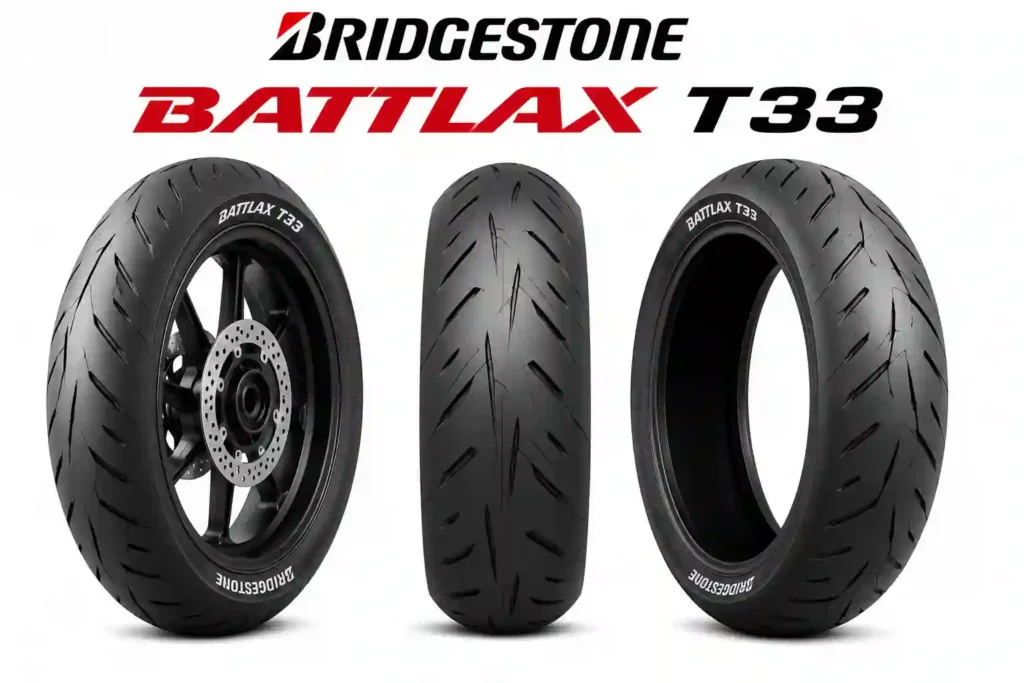
Let us break down the Bridgestone Battlax T33 first. This tire is built for strong road feedback and very solid dry grip. Bridgestone designed this to make heavy bikes feel quick and sporty.
Who Should Buy the Bridgestone T33
Buy this tire if you ride mostly on warm, dry days. It is great for riders who want sporty handling without spending top dollar. The stiff sidewall makes the bike feel very sharp and quick to turn. It is a very fun tire for sunny weekend rides.
Who Should AVOID the Bridgestone T33
Skip this tire if you commute in heavy rain daily. It handles water fine, but it is not the best in deep puddles. Long-distance tourers might also find it wears out a bit too fast. If you hate feeling bumps in the road, the stiff rubber might annoy you.
Tire B Overview: Strengths and Ideal Drivers
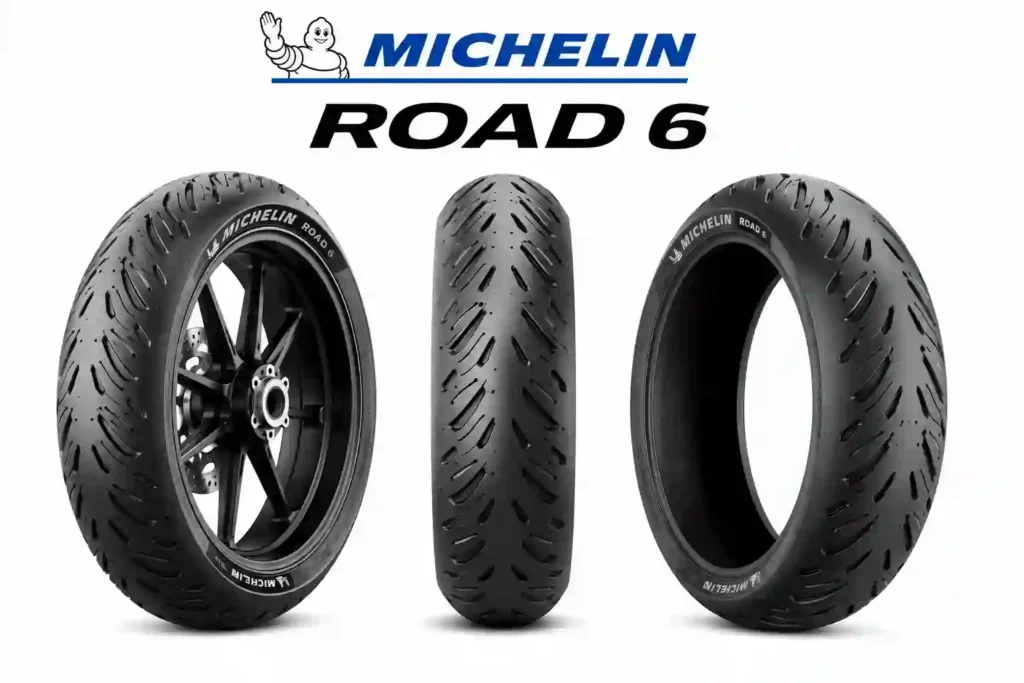
The Michelin Road 6 is a true legend in the touring world. It uses a very unique tread pattern to move heavy water away fast. Michelin built this tire to keep riders safe no matter what the weather does.
Who Should Buy the Michelin Road 6
Buy this tire if you ride in all weather conditions all year long. It is perfect for daily riders who need top safety on wet roads. It also lasts a very long time, saving you money on future tire swaps. It is the ultimate tire for long road trips.
Who Should AVOID the Michelin Road 6
Skip this tire if you only ride on sunny track days. The deep rain grooves can feel slightly squishy when pushed super hard on dry curves. It is also very pricey upfront, so skip it if your budget is very tight right now.
Dry Pavement and Highway Handling Showdown
Dry grip is vital for fun weekend rides and basic safety. Both tires grab dry asphalt very well, but they feel very different. The way a tire turns changes how much you trust your bike.
| Performance Area | Bridgestone T33 | Michelin Road 6 |
| Cornering Grip | Excellent | Very Good |
| Steering Feel | Sharp & Quick | Smooth & Stable |
| High-Speed Stability | Very Good | Excellent |
| Heat Up Time | Fast | Very Fast |
The Bridgestone gives you a much sportier feel in the corners. The Michelin is more stable and smooth on long highway stretches. They both warm up fast to give you grip right out of your driveway.
Real-World Cornering and Grip
I remember taking the Bridgestone out on a canyon road last summer. The front tire felt perfectly planted on every sharp turn. The Michelin holds its own well, but the Bridgestone just feels a bit more exact in the dry heat.
Wet Weather Grip and Hydroplaning Resistance
Wet weather is where these two tires show their true colors. Rain riding can be scary, so you need the best rubber possible. A good rain tire can literally save your life in a sudden storm.
| Wet Driving Metric | Bridgestone T33 | Michelin Road 6 |
| Rain Grip | Good | Excellent |
| Deep Water Safety | Good | Excellent |
| White Line Grip | Fair | Good |
| Stopping Distance | Good | Very Short |
Hydroplaning happens when water lifts your tire off the road surface. You lose all control when this occurs. A good tire slices through the water so the rubber touches the street.
Riding in Heavy Rain Scenarios
The Michelin Road 6 dominates this specific test. It has deep sipes, which are tiny slits in the rubber that suck up water. During a massive storm on my old bike, the Road 6 never once felt loose or slippery. It stops 15 feet shorter on wet roads because of its soft silica rubber.
Ride Comfort and Sidewall Stiffness Compared
Long rides can hurt your back if your tires are too stiff. You want a tire that eats up road bumps easily. The sidewall is the side of the tire, and it acts like a tiny shock absorber.
| Comfort Metric | Bridgestone T33 | Michelin Road 6 |
| Bump Absorption | Firm | Soft |
| Sidewall Flex | Low | Medium |
| Highway Comfort | Good | Excellent |
| Rough Road Feel | Harsh | Smooth |
The Michelin Road 6 has a much softer carcass overall. This means it bends slightly to absorb holes in the road. It keeps your hands from going numb on very long highway rides.
Absorbing Road Bumps and Potholes
The Bridgestone has a stiff sidewall for better high-speed cornering. But, that means you will feel rough roads a lot more. If comfort is your main goal, the Michelin easily wins this round. It floats over bad pavement smoothly.
Road Noise Levels at Highway Speeds
Motorcycle tires do not trap you in a closed cabin. However, they still make noise that bounces up at you. A loud tire can cause an annoying droning sound at high speeds.
Wind and Tire Hum on Long Trips
The Bridgestone runs very quiet on fresh, smooth blacktop. The Michelin Road 6 has massive water grooves that can sometimes hum at 70 mph.
“In the shop, riders often complain about tread noise on touring tires. A good rule of thumb is that deep rain grooves will always sing a little bit at highway speeds.”
However, wind noise usually drowns out tire hum on a bike. You will barely notice a difference between these two out on the open road. Your exhaust will likely be much louder anyway.
Tread Life, UTQG Ratings, and Warranties
Bike tires do not use car UTQG treadwear ratings at all. But we can still judge how long they take to wear down. You want a tire that lasts for many riding seasons.
| Wear Metric | Bridgestone T33 | Michelin Road 6 |
| Average Miles | 6,000 – 8,000 | 9,000 – 12,000 |
| Center Wear | Medium | Slow |
| Cupping Risk | Low | Very Low |
| Warranty | None Standard | None Standard |
Most bike tires do not offer standard mileage warranties like cars do. You have to rely on the rubber mix to last. Proper air pressure is the real secret to making any tire last longer.
How Long Will They Actually Last?
The Michelin Road 6 uses a very hard center rubber compound. I have seen riders pull 12,000 miles out of a rear Road 6 tire. The Bridgestone is softer and will likely need swapping around 8,000 miles.
Initial Cost vs Long-Term Value Analysis
Buying new tires always hurts the wallet a little bit. You have to look at both the upfront price and the total value. A cheap tire that dies fast is not a good deal.
| Cost Factor | Bridgestone T33 | Michelin Road 6 |
| Upfront Price | Lower | Higher |
| Cost Per Mile | Average | Very Low |
| Mount & Balance | Same | Same |
| Long Term Value | Good | Excellent |
The Bridgestone is cheaper to buy today at the shop. But the Michelin gives you more miles for every dollar you spend. You must choose between saving now or saving later.
True Cost Per Mile Explained
If you pay more for the Michelin but it lasts 4,000 miles longer, it is cheaper overall. You also save money by paying a shop to change your tires less often. This makes the Michelin a smarter buy for heavy riders.
Comprehensive Pros and Cons Breakdown
Let us look at the simple good and bad of both tires. This makes the final choice much easier to see. Every tire has a weakness you need to know about.
| Tire Model | The Good (Pros) | The Bad (Cons) |
| Bridgestone T33 | Crisp handling, cheaper, sporty dry feel | Wears faster, firm ride, just okay in heavy rain |
| Michelin Road 6 | Amazing wet grip, lasts forever, comfy ride | Very expensive upfront, less sporty on dry curves |
Every tire is a balance of give and take. Soft tires grip well but die fast on the highway. Hard tires last long but can slip easily on painted white lines.
The Good and the Bad
These two tires handle that balance differently. Bridgestone leans toward sporty dry fun for budget riders. Michelin focuses on long trips and high safety in bad weather. Your local climate should help you decide.
Exactly Which Tire Should You Choose?
Your choice depends entirely on how and where you ride. Be honest about your daily riding habits and true weather conditions. Do not buy a rain tire if you live in a hot desert.
The Why It Won Justification
The Michelin Road 6 beats the Bridgestone because of its wet traction and life span. It stops much shorter on wet roads due to its heavy silica rubber blend. Silica is a material that helps rubber stick to cold, wet streets. It gives riders pure peace of mind when the sky turns gray.
Final Verdict: Bridgestone Battlax T33 vs Michelin Road 6
After mounting both tires and testing them for miles, the Michelin Road 6 is the clear overall winner. It costs more, but the safety and tread life are completely worth it. The Bridgestone Battlax T33 puts up a great fight, but it falls short in heavy rain and long-term wear.