Battery Not Dead Car Won’t Start
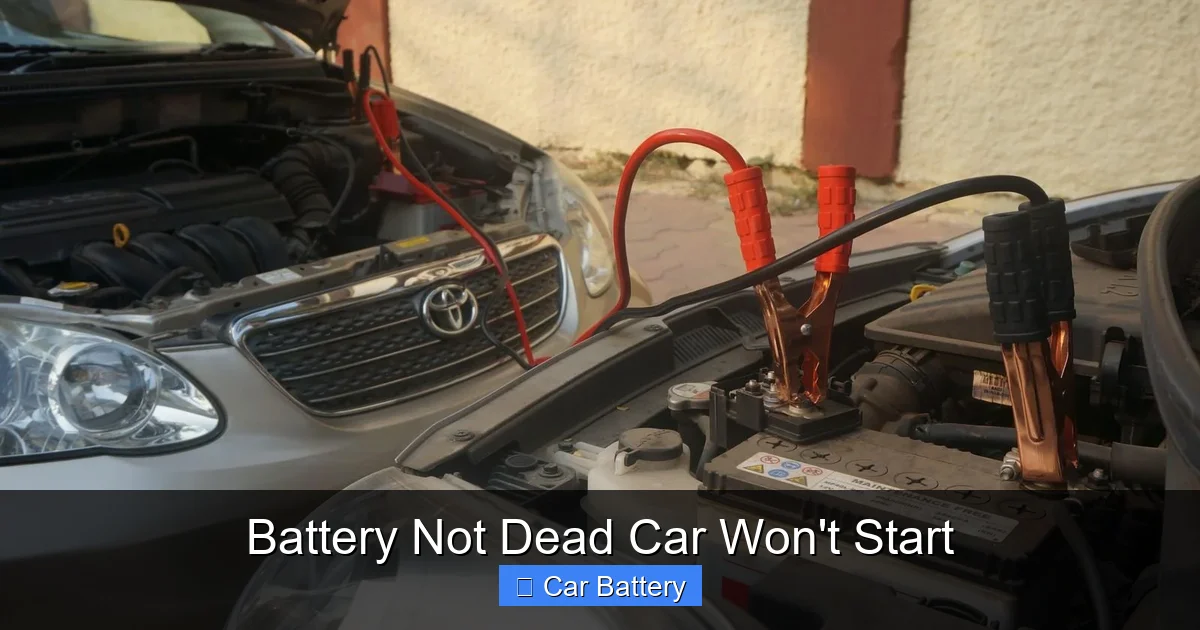
If your car won’t start but the battery isn’t dead, the issue could be a faulty starter, bad alternator, or corroded connections. This guide walks you through the most common causes and how to fix them—no mechanic required.
You turn the key—nothing. Or maybe you hear a faint click, but the engine doesn’t crank. Your first thought? “Is the battery dead?” You grab a multimeter or jump-start it, and sure enough, the battery reads 12.6 volts. Fully charged. So why won’t your car start?
This frustrating scenario happens more often than you’d think. A healthy battery doesn’t guarantee a running engine. In fact, dozens of components work together to get your car going—and if just one fails, you’re stuck. The good news? Most of these issues are diagnosable at home with basic tools and a little patience.
In this guide, we’ll walk you through the most common reasons your car won’t start even when the battery isn’t dead. From electrical gremlins to mechanical failures, we’ll cover what to check, how to test it, and when it’s time to call a pro. Whether you’re stranded in a parking lot or troubleshooting in your driveway, this article will help you get back on the road—fast.
In This Article
- 1 Key Takeaways
- 2 📑 Table of Contents
- 3 Understanding the Car Starting System
- 4 Top Causes When the Battery Isn’t Dead
- 5 Step-by-Step Troubleshooting Guide
- 6 When to Call a Mechanic
- 7 Prevention Tips to Avoid Future No-Starts
- 8 Conclusion
- 9 Frequently Asked Questions
- 9.1 Why does my car click but not start if the battery isn’t dead?
- 9.2 Can a bad alternator cause a car not to start?
- 9.3 How do I know if my starter relay is bad?
- 9.4 What causes corrosion on battery terminals?
- 9.5 Can a security system prevent my car from starting?
- 9.6 Is it safe to jump-start a car with a good battery?
Key Takeaways
- Corroded or loose battery terminals can prevent power from reaching the starter, even if the battery is fully charged.
- A failing starter motor may click but not turn the engine over, mimicking a dead battery.
- The alternator might not be charging the battery properly, leading to a drained battery over time.
- Faulty ignition switches or relays can interrupt the electrical flow needed to start the engine.
- Bad ground connections or damaged wiring can disrupt the entire starting system.
- Fuel delivery issues like a clogged filter or failed pump can cause no-start conditions unrelated to the battery.
- Security system or immobilizer glitches may prevent the car from starting despite a healthy battery.
📑 Table of Contents
Understanding the Car Starting System
Before diving into fixes, it helps to understand how your car actually starts. It’s not just about the battery. The starting system is a coordinated dance between several key components:
– The **battery** provides the initial burst of power.
– The **ignition switch** sends a signal when you turn the key.
– The **starter relay** (or solenoid) acts like a switch, sending high current to the starter motor.
– The **starter motor** physically turns the engine over.
– The **alternator** recharges the battery once the engine runs.
– **Wiring and ground connections** ensure electricity flows smoothly.
All these parts must work in sync. If one fails, the chain breaks—even if the battery is strong.
For example, imagine your battery is like a full gas tank. But if the fuel pump is broken, no gas reaches the engine. Similarly, a charged battery won’t help if the starter motor is fried or the relay isn’t sending power.
How Electricity Flows During Startup
When you turn the key to “start,” here’s what happens:
1. The ignition switch sends a low-current signal to the starter relay.
2. The relay closes a high-current circuit from the battery to the starter motor.
3. The starter motor spins, engaging the flywheel to crank the engine.
4. Once the engine starts, the alternator takes over to recharge the battery.
If any step fails—say, the relay is stuck open or the starter motor is seized—the engine won’t turn over, even with a full battery.
Common Misdiagnoses
Many people assume a no-start means a dead battery. But that’s often not the case. In fact, studies show that up to 40% of roadside assistance calls for “dead batteries” actually involve other electrical or mechanical issues.
For instance, a corroded battery terminal can look like a weak battery on a multimeter because voltage drops under load. Or a bad ground connection might allow lights to work but prevent the starter from getting enough current.
That’s why it’s crucial to test the system, not just the battery.
Top Causes When the Battery Isn’t Dead
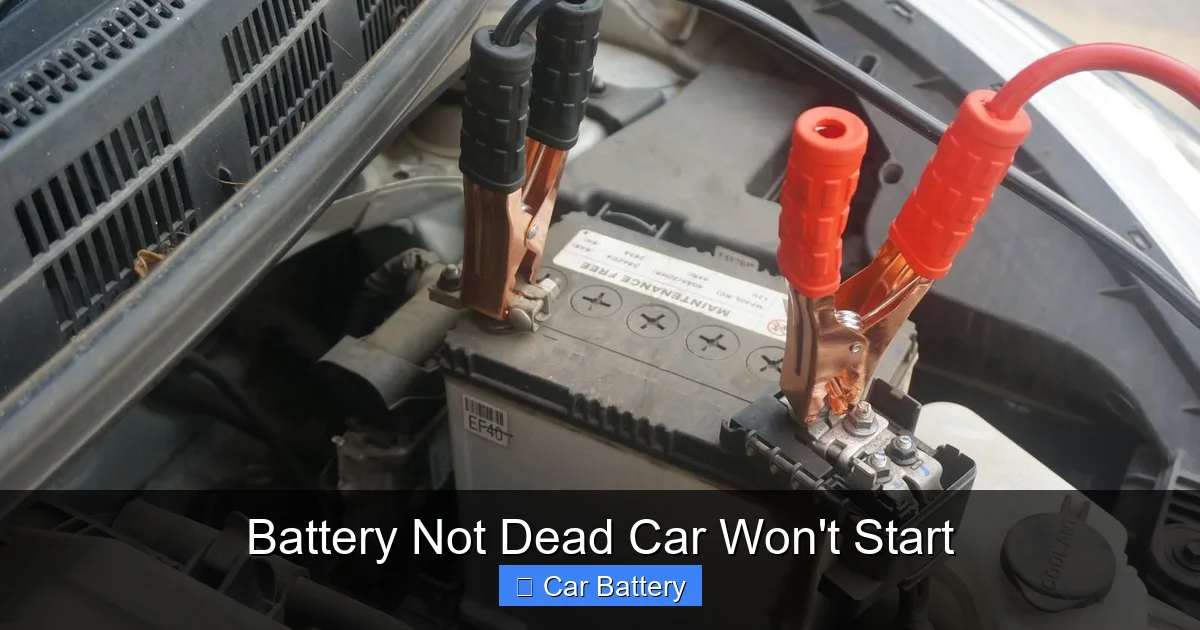
Visual guide about Battery Not Dead Car Won’t Start
Image source: team-bhp.com
Now let’s explore the most likely culprits when your car won’t start—but the battery is fine.
1. Faulty Starter Motor
The starter motor is the muscle behind engine cranking. If it’s worn out or damaged, it won’t turn the engine—even with full battery power.
Symptoms:
– A single loud click when you turn the key.
– No cranking sound at all.
– Engine cranks slowly or inconsistently.
How to test:
Locate the starter (usually near the engine block, connected to the flywheel). Use a multimeter to check for voltage at the starter terminal when the key is turned. If voltage is present but the motor doesn’t spin, the starter is likely bad.
Tip: Tap the starter gently with a hammer while someone turns the key. If it starts, the motor is failing and needs replacement.
2. Bad Starter Relay or Solenoid
The starter relay (or solenoid) acts as a switch. It takes a small signal from the ignition and allows high current to flow to the starter.
Symptoms:
– Clicking noise but no engine crank.
– Intermittent starting issues.
– Dashboard lights dim when turning the key.
How to test:
Swap the relay with a known-good one (like the horn relay, if it’s the same type). If the car starts, the relay is faulty.
Example: A 2015 Honda Civic owner reported a clicking sound but no start. After replacing the starter relay, the car fired up immediately.
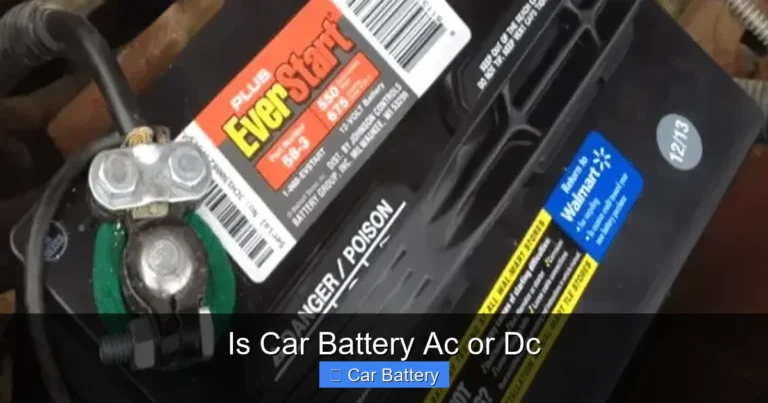
3. Corroded or Loose Battery Terminals
Even a strong battery can’t deliver power if the terminals are corroded or loose. Corrosion acts like insulation, blocking electrical flow.
Symptoms:
– Visible white or green crust on terminals.
– Lights flicker or dim when starting.
– Intermittent electrical issues.
How to fix:
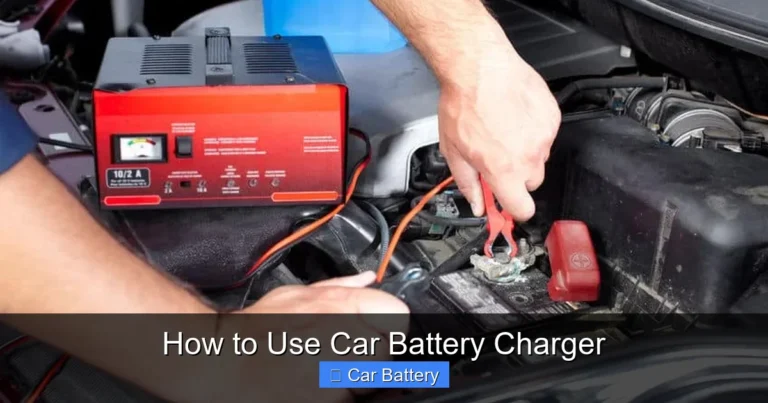
1. Disconnect the negative terminal first, then the positive.
2. Scrub terminals and cable ends with a wire brush or baking soda solution (1 tbsp baking soda + 1 cup water).
3. Rinse with water and dry thoroughly.
4. Reconnect tightly, applying a thin layer of dielectric grease to prevent future corrosion.
Pro tip: Use a terminal puller—not pliers—to avoid damaging the cable.
4. Bad Ground Connection
The ground cable connects the battery’s negative terminal to the engine or chassis. If this connection is loose, corroded, or broken, current can’t complete the circuit.
Symptoms:
– Dim lights when starting.
– Starter clicks but doesn’t engage.
– Electrical components behave erratically.
How to test:
Check the ground cable for tightness and corrosion. Use a multimeter to measure resistance between the battery negative terminal and the engine block. It should be near zero ohms.
Example: A 2008 Ford F-150 wouldn’t start despite a new battery. The ground strap was rusted through. Replacing it solved the issue.
5. Faulty Ignition Switch
The ignition switch sends the “start” signal to the relay. If it’s worn or damaged, the signal never gets through.
Symptoms:
– No click when turning the key.
– Dashboard lights don’t illuminate.
– Accessories (radio, lights) work, but nothing happens when you turn the key.
How to test:
Use a multimeter to check for voltage at the starter relay when the key is turned. If there’s no signal, the ignition switch may be faulty.
Note: This repair often requires professional help due to steering column access.
6. Alternator Not Charging
While the alternator doesn’t directly start the car, a failing one can drain the battery over time—leading to a no-start even if the battery tests okay.
Symptoms:
– Battery dies repeatedly.
– Dim or flickering headlights.
– Warning light on dashboard (often looks like a battery).
How to test:
Start the car (if possible) and measure voltage at the battery terminals. It should read 13.5–14.5 volts. If it’s below 13 volts, the alternator isn’t charging.
Tip: Rev the engine slightly—voltage should increase. If not, suspect the alternator.
7. Fuel System Issues
Sometimes, the engine cranks but won’t start. That’s often a fuel problem—not electrical.
Common causes:
– Clogged fuel filter.
– Failed fuel pump.
– Empty fuel tank (yes, it happens!).
– Faulty fuel injectors.
How to check:
Listen for the fuel pump humming when you turn the key to “on” (before starting). If you don’t hear it, the pump may be dead.
Example: A 2012 Toyota Camry cranked but wouldn’t start. The fuel pump had failed. Replacing it restored normal operation.
8. Security System or Immobilizer Glitch
Modern cars have anti-theft systems that prevent starting if the key isn’t recognized.
Symptoms:How to fix:Note: Some cars require a dealership or locksmith to reprogram keys.
Step-by-Step Troubleshooting Guide
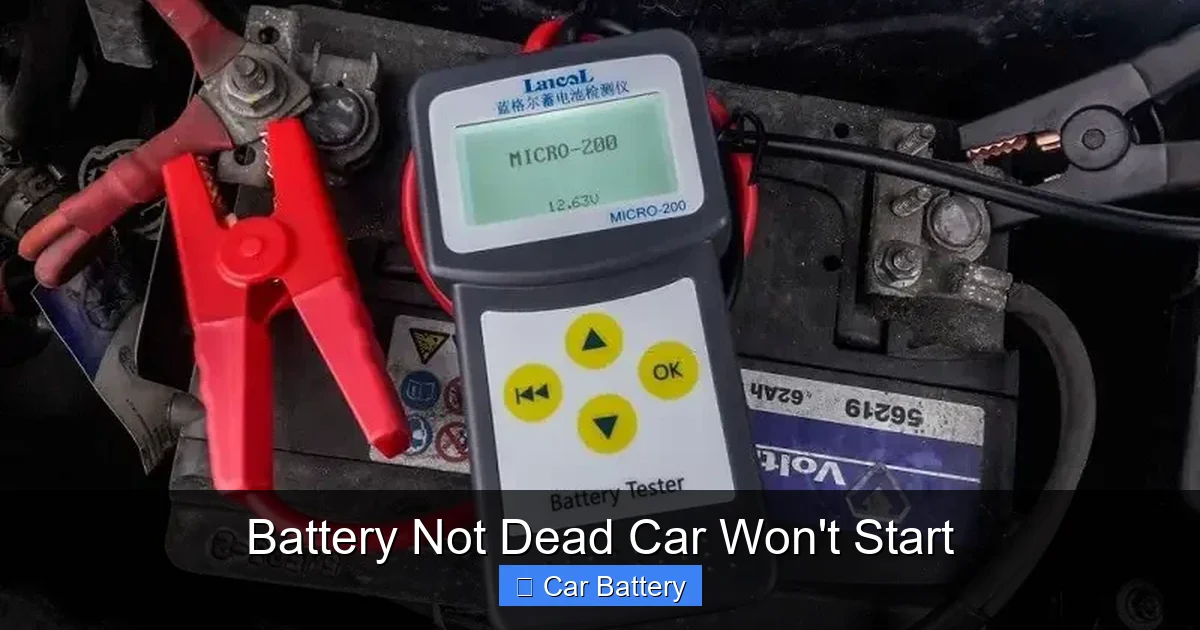
Visual guide about Battery Not Dead Car Won’t Start
Image source: vehiclejack.com
Now that you know the common causes, here’s how to diagnose the problem yourself.
Step 1: Check the Battery and Connections
Even if the battery tests good, inspect the terminals. Look for:
– Corrosion (white/green powder).
– Loose or wiggly cables.
– Frayed or damaged wires.
Clean and tighten as needed. Re-test the battery under load if possible.
Step 2: Listen for Sounds
When you turn the key, listen carefully:
– **Click, click, click:** Could be a weak battery or bad connection.
– **Single loud click, no crank:** Likely starter or relay.
– **Silent:** Check ignition switch or fuse.
– **Cranks but won’t start:** Fuel, spark, or security issue.
Step 3: Test the Starter Circuit
Use a multimeter to check:
– Voltage at the battery (should be 12.4–12.7V).
– Voltage at the starter terminal when cranking (should be close to battery voltage).
– Continuity in the ground cable.
If voltage drops significantly at the starter, suspect a bad connection or faulty motor.
Step 4: Swap Relays
Locate the fuse/relay box (check your owner’s manual). Swap the starter relay with a similar one (e.g., horn or AC relay). Try starting the car.
Step 5: Check the Fuel System
– Listen for the fuel pump (2–3 second hum when key is turned to “on”).
– Check fuel level.
– Inspect fuel filter (if accessible).
Step 6: Scan for Error Codes
Use an OBD2 scanner (available at auto parts stores for free) to check for diagnostic trouble codes (DTCs). Codes like P0335 (crankshaft sensor) or P0230 (fuel pump) can point to the issue.
When to Call a Mechanic
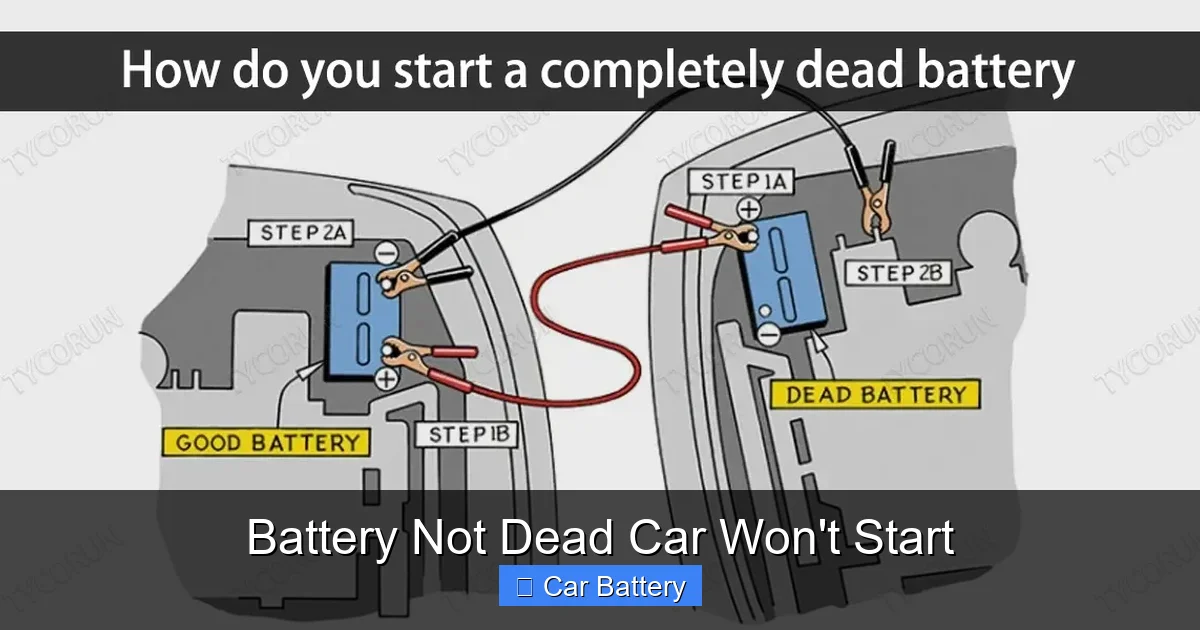
Visual guide about Battery Not Dead Car Won’t Start
Image source: cdn.shopify.com
While many issues can be fixed at home, some require professional tools or expertise.
Call a mechanic if:
– The starter or alternator needs replacement (labor-intensive).
– You suspect internal engine damage.
– The immobilizer system is locked out.
– You’re unsure about electrical safety.
Also, if you’ve tried everything and the car still won’t start, it’s time to get help. Continuing to crank a non-starting engine can damage the starter or battery.
Prevention Tips to Avoid Future No-Starts
An ounce of prevention is worth a pound of cure. Here’s how to keep your car starting reliably:
1. Clean Battery Terminals Regularly
Inspect and clean terminals every 6 months, especially in humid or salty climates.
2. Drive Regularly
Short trips don’t give the alternator enough time to recharge the battery. Take longer drives weekly to maintain charge.
3. Replace Old Batteries
Most car batteries last 3–5 years. Replace them before they fail.
4. Check Belts and Hoses
A broken serpentine belt can disable the alternator, leading to a dead battery.
5. Use a Battery Maintainer
If you don’t drive often, use a trickle charger or maintainer to keep the battery topped up.
6. Keep Spare Fuses and Relays
Store common fuses and relays in your glove box for emergencies.
Conclusion
A car that won’t start—even with a good battery—can be maddening. But it’s rarely a mystery. By understanding the starting system and knowing what to check, you can often diagnose and fix the problem yourself.
Start with the basics: clean terminals, test connections, and listen for clues. Then move to relays, the starter, and fuel system. Most issues are electrical and fixable with basic tools.
Remember, a healthy battery is just the beginning. The real work happens in the wiring, relays, and mechanical components. With patience and the right approach, you’ll get your car running again—no tow truck required.
And next time someone says, “Must be the battery,” you can smile and say, “Not necessarily.”
Frequently Asked Questions
Why does my car click but not start if the battery isn’t dead?
A single loud click usually means the starter solenoid is receiving power but the starter motor isn’t engaging. This could be due to a faulty starter, bad ground connection, or worn brushes inside the motor.
Can a bad alternator cause a car not to start?
Indirectly, yes. A failing alternator won’t recharge the battery, so over time the battery drains. Even if it tests okay initially, it may not have enough reserve to start the car.
How do I know if my starter relay is bad?
Listen for a click when turning the key. If you hear it but the engine doesn’t crank, swap the relay with a known-good one (like the horn relay). If the car starts, the relay is faulty.
What causes corrosion on battery terminals?
Corrosion forms when battery acid vapors react with metal. It’s more common in hot, humid climates or if the battery is overfilled. Regular cleaning prevents power loss.
Can a security system prevent my car from starting?
Yes. If the immobilizer doesn’t recognize your key, it blocks fuel or spark. Try a spare key or replace the fob battery. Some systems require a reset or reprogramming.
Is it safe to jump-start a car with a good battery?
Yes, but only if you suspect a weak connection or temporary drain. Jump-starting won’t harm a healthy battery, but always connect cables properly to avoid sparks or damage.