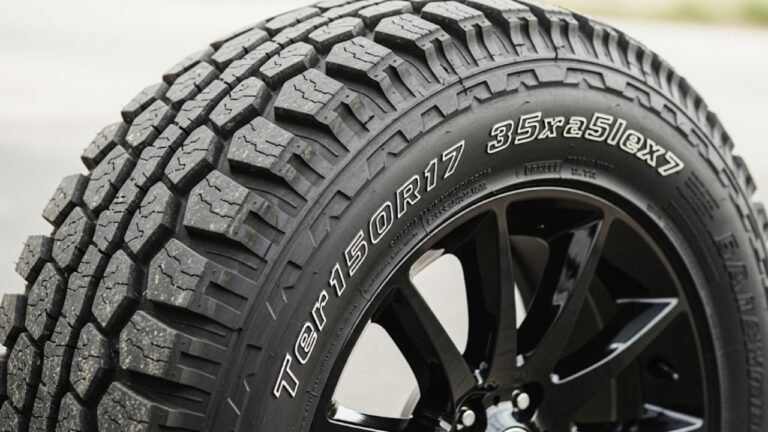
Back Tire Smells Like Burning Rubber

If your back tire smells like burning rubber, it’s a warning sign you shouldn’t ignore. This odor often points to overheating, brake issues, or mechanical friction that could lead to serious damage or safety hazards. Act quickly—diagnose the cause and address it before it escalates.
In This Article
- 1 Key Takeaways
- 2 📑 Table of Contents
- 3 Why Does Your Back Tire Smell Like Burning Rubber?
- 4 Common Causes of a Burning Rubber Smell from the Back Tire
- 5 How to Diagnose the Problem: Step-by-Step Inspection
- 6 What to Do If You Smell Burning Rubber While Driving
- 7 Prevention Tips to Avoid Future Issues
- 8 When to See a Mechanic
- 9 Conclusion
- 10 Frequently Asked Questions
- 10.1 Why does my back tire smell like burning rubber after driving?
- 10.2 Can a burning rubber smell from the tire cause a fire?
- 10.3 Is it safe to drive if my back tire smells like burning rubber?
- 10.4 How do I know if my brake caliper is stuck?
- 10.5 Can low tire pressure cause a burning rubber smell?
- 10.6 How often should I check my parking brake?
Key Takeaways
- Burning rubber smell from the back tire usually signals overheating or friction. This can stem from stuck brakes, misaligned wheels, or damaged components.
- Ignoring the smell can lead to tire failure, brake damage, or even fire. Immediate inspection is crucial for safety.
- Common causes include seized calipers, worn brake pads, or dragging parking brakes. These create constant contact and generate heat.
- Check for visible signs like smoke, melted rubber, or uneven tire wear. These clues help pinpoint the problem fast.
- Driving with a burning smell reduces control and increases accident risk. Pull over safely and assess the situation.
- Regular maintenance prevents most causes of burning rubber odors. Inspect brakes, tires, and suspension during routine service.
- When in doubt, consult a professional mechanic. DIY fixes may worsen the issue if done incorrectly.
📑 Table of Contents
Why Does Your Back Tire Smell Like Burning Rubber?
You’re cruising down the highway, windows down, enjoying the breeze—when suddenly, a sharp, acrid odor hits your nose. It smells like burning rubber, and it’s coming from the back of your car. Your first instinct might be to roll up the windows and hope it goes away. But here’s the truth: that smell is your car’s way of screaming for help.
A back tire that smells like burning rubber is never normal. It’s not just an odd quirk or a temporary glitch. This scent usually means something is overheating, rubbing where it shouldn’t, or under extreme stress. Whether you’re driving a compact sedan, a rugged SUV, or a high-performance coupe, this warning sign applies to all vehicles. Ignoring it could lead to blown tires, brake failure, or even a fire under the chassis. The good news? Most causes are fixable—if you act fast.
In this guide, we’ll walk you through the most common reasons your back tire smells like burning rubber, how to identify the root cause, and what steps to take to keep yourself and your vehicle safe. We’ll also share practical tips for prevention and explain when it’s time to call in a professional. Think of this as your go-to resource for diagnosing and resolving one of the most alarming—and potentially dangerous—car odors out there.
Common Causes of a Burning Rubber Smell from the Back Tire
When your back tire emits a burning rubber scent, it’s often the result of excessive heat generated by friction or mechanical failure. The rubber smell isn’t always from the tire itself burning—sometimes it’s the byproduct of nearby components overheating and affecting the tire’s surface. Let’s break down the most frequent culprits behind this alarming odor.

Visual guide about Back Tire Smells Like Burning Rubber
Image source: barbend.com
Stuck or Seized Brake Calipers
One of the top reasons for a burning smell from the back tire is a stuck or seized brake caliper. The caliper is responsible for squeezing the brake pads against the rotor to slow or stop your vehicle. When it becomes stuck—often due to corrosion, dirt, or worn seals—it can remain partially engaged even when you’re not pressing the brake pedal.
This constant pressure creates friction, which generates intense heat. Over time, that heat can transfer to the wheel hub, brake rotor, and even the tire itself. The rubber compounds in the tire can begin to degrade, releasing that unmistakable burning odor. In severe cases, you might even see smoke rising from the wheel well or notice a glowing red rotor after driving.
For example, imagine you’ve parked your car on a steep hill and used the parking brake. Later, you forget to fully release it before driving. Even a slight drag can cause enough friction to overheat the system. Or perhaps your caliper piston is frozen due to lack of use in cold weather. Either way, the result is the same: heat buildup and a burning smell.
Worn or Glazed Brake Pads
Brake pads are designed to wear down over time, but when they become excessively worn or “glazed,” they lose their effectiveness and generate more heat. Glazing happens when the brake pads overheat and the friction material melts slightly, forming a hard, shiny surface. This reduces grip and increases the risk of brake fade.
When glazed pads continue to rub against the rotor, especially under heavy braking or prolonged use (like driving down a mountain road), they can overheat rapidly. The heat can radiate outward, affecting nearby components—including the tire. The rubber may not catch fire, but the intense heat can cause it to emit a burning smell as its chemical structure begins to break down.
You might also notice reduced braking performance, a spongy brake pedal, or a high-pitched squealing noise. These are all signs that your brake pads need immediate attention. Replacing worn pads and resurfacing or replacing the rotors can eliminate the heat source and stop the burning odor.
Dragging Parking Brake
It sounds simple, but one of the easiest mistakes to make—and one of the most common causes of a burning rubber smell—is forgetting to fully release the parking brake. Whether it’s a manual handbrake or an electronic parking brake, if it’s partially engaged while driving, it will cause continuous friction on the rear brakes.
This friction generates heat, which can quickly build up in the rear wheels. The heat radiates outward, warming the tire and causing the rubber to emit that telltale burning scent. In some cases, drivers don’t even realize the parking brake is on until they smell it or notice the car feels sluggish or harder to accelerate.
Modern cars often have warning lights on the dashboard for the parking brake, but these can sometimes malfunction or be overlooked. If you’ve recently parked on an incline or used the parking brake more than usual, double-check that it’s fully disengaged before driving. A quick glance at the dashboard light or a test drive at low speed can help confirm it’s off.
Misaligned or Binding Rear Axle Components
Your car’s rear axle and suspension system are designed to allow smooth rotation and movement. But if components like the axle shaft, wheel bearings, or suspension joints become damaged, worn, or misaligned, they can cause the wheel to bind or drag.
For instance, a worn wheel bearing might allow the wheel to wobble slightly, creating uneven contact with the brake rotor or causing the tire to rub against the wheel well. This friction generates heat, which can transfer to the tire and produce a burning rubber smell. In extreme cases, a seized wheel bearing can cause the wheel to stop rotating entirely, leading to rapid tire wear and potential blowouts.
Misalignment can also occur after hitting a pothole, curb, or during an accident. Even a slight bend in the axle or a damaged suspension arm can alter the wheel’s angle, causing it to drag or scrub against other parts. This not only creates heat but also accelerates tire wear and reduces fuel efficiency.
Overinflated or Underinflated Tires
While less common, improper tire pressure can also contribute to a burning rubber smell—especially if combined with other issues. Overinflated tires have a smaller contact patch with the road, which can cause the center of the tread to wear unevenly and generate excess heat during high-speed driving.
Underinflated tires, on the other hand, flex more as they roll, creating internal friction within the tire’s structure. This flexing generates heat, which can build up over time—particularly on long drives or in hot weather. If the tire becomes excessively hot, the rubber can begin to degrade, releasing a burning odor.
Although tire pressure alone rarely causes a strong burning smell, it can exacerbate other problems. For example, if your rear brake caliper is already stuck, an underinflated tire will flex more and absorb additional heat, accelerating the degradation process. Regularly checking and maintaining proper tire pressure (as recommended in your owner’s manual) can help prevent this issue.
How to Diagnose the Problem: Step-by-Step Inspection
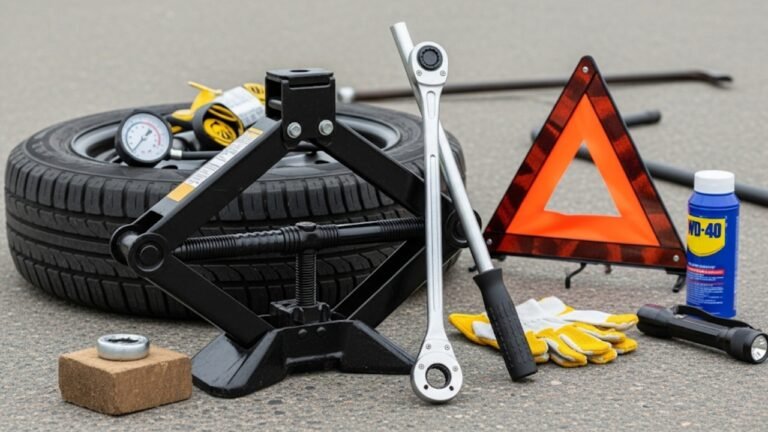
Now that you know the common causes, it’s time to figure out what’s actually happening with your vehicle. Diagnosing a burning rubber smell from the back tire requires a systematic approach. You don’t need to be a mechanic to do a basic inspection—just a flashlight, a jack (if you’re comfortable using one), and a bit of caution.

Visual guide about Back Tire Smells Like Burning Rubber
Image source: fitnessinformant.com
Step 1: Pull Over Safely and Let the Car Cool
The first rule of diagnosing any overheating issue is safety. If you smell burning rubber while driving, pull over as soon as it’s safe to do so. Turn off the engine and allow the vehicle to cool for at least 30 minutes. Hot components can cause burns, and working on a cooled system gives you a clearer picture of what’s going on.
While waiting, take note of any other symptoms: Did the smell start suddenly or gradually? Is it stronger on one side? Did you recently drive on rough roads or use the brakes heavily? These details can help narrow down the cause.
Step 2: Visually Inspect the Rear Wheels
Once the car is cool, walk around the back of the vehicle and inspect both rear wheels. Look for obvious signs of trouble:
- Smoke or steam: If you see smoke rising from the wheel well, even after cooling, there’s likely still heat buildup. This could indicate a seized caliper or dragging brake.
- Melted or blackened rubber: Check the tire sidewall and tread for any signs of melting, blistering, or discoloration. This suggests extreme heat exposure.
- Uneven tire wear: Look for bald spots, cupping, or excessive wear on one side of the tire. This could point to alignment issues or a binding component.
- Fluid leaks: Check for brake fluid, grease, or oil around the wheel hub or brake assembly. Leaks can indicate worn seals or damaged components.
Use a flashlight to peer into the wheel well and examine the brake rotor, caliper, and pads. Are the pads worn down to the metal? Is the rotor warped or discolored? These visual clues can save you time and money.
Step 3: Check the Parking Brake
Next, verify that the parking brake is fully disengaged. On most vehicles, you can check this by looking at the dashboard indicator light. If it’s on, try releasing the brake again—sometimes it takes a firm pull or push to fully disengage.
For manual parking brakes, listen for a “click” when releasing. For electronic systems, ensure the button or lever is in the “off” position. If you’re unsure, try driving slowly in a safe area (like an empty parking lot) and see if the car pulls to one side or feels sluggish. A dragging parking brake will often cause the affected wheel to feel hotter than the others.
Step 4: Test Drive and Feel for Heat
If everything looks normal, take the car for a short, slow test drive—no more than a few blocks. Pay attention to how the car handles. Does it pull to one side? Is there a grinding or rubbing noise? After driving, carefully touch the rear wheels (use gloves or a cloth to avoid burns). The wheels should be warm but not hot.
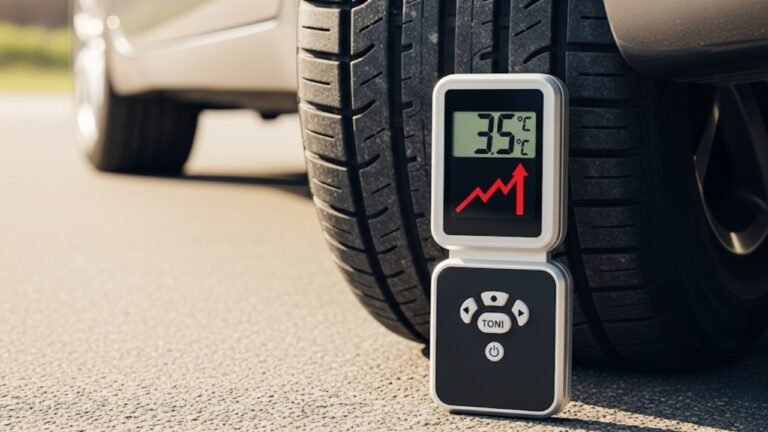
If one wheel is significantly hotter than the other, that’s a strong indicator of a stuck caliper or dragging brake. You can also use an infrared thermometer (available at auto parts stores) to measure the temperature of each wheel hub and rotor. A difference of more than 50°F between sides suggests a problem.
Step 5: Jack Up the Vehicle (If Safe)
If you’re comfortable doing so, use a jack and jack stands to lift the rear of the vehicle. This allows you to spin each rear wheel by hand and listen for grinding, rubbing, or resistance. A wheel that’s hard to turn or makes noise when spun may have a seized bearing or binding brake component.
While the wheel is off the ground, check for play by grabbing it at the top and bottom and trying to wiggle it. Excessive movement could indicate a worn wheel bearing. Also, inspect the brake pads and caliper for signs of sticking or uneven wear.
What to Do If You Smell Burning Rubber While Driving
Imagine this: You’re on a long road trip, miles from the nearest town, and suddenly you catch a whiff of burning rubber from the back of your car. Your heart races. What do you do? Panic won’t help—but quick, smart action will.

Visual guide about Back Tire Smells Like Burning Rubber
Image source: i.pinimg.com
Pull Over Immediately
The first and most important step is to pull over as soon as it’s safe. Use your turn signal, check your mirrors, and move to the shoulder or a parking lot. Do not continue driving if the smell is strong or accompanied by smoke, noise, or reduced performance. Every mile you drive with an overheating component increases the risk of tire failure, brake damage, or fire.
Turn Off the Engine and Assess
Once stopped, turn off the engine and engage the parking brake. Allow the vehicle to cool for at least 30 minutes. Do not open the hood or touch the wheels immediately—they could be extremely hot. Use this time to call for roadside assistance or a tow truck if you’re unsure about the cause or don’t have the tools to inspect it yourself.
Call for Help if Needed
If you’re not confident in your ability to diagnose or fix the issue, don’t risk it. Call a trusted mechanic, roadside assistance service, or tow truck. It’s better to spend a little money on a tow than risk a blown tire or brake failure on the highway. Many insurance policies and auto clubs include roadside assistance, so check your coverage.
Document the Issue
While waiting for help, take photos of the rear wheels, tire condition, and any visible damage. Note the time, location, and driving conditions when the smell started. This information can help the mechanic diagnose the problem faster and more accurately.
Resume Driving Only When Safe
Once the issue is resolved—whether it’s releasing a stuck parking brake, replacing a caliper, or fixing a bearing—test drive the car in a safe area before continuing your journey. Monitor for any lingering smells, noises, or handling issues. If everything feels normal, you’re good to go.
Prevention Tips to Avoid Future Issues
The best way to deal with a burning rubber smell is to prevent it from happening in the first place. Regular maintenance and mindful driving habits can go a long way in keeping your rear tires—and your entire braking system—in top condition.
Inspect Brakes During Routine Maintenance
Have your brakes inspected at least once a year, or every 12,000 miles, whichever comes first. A professional mechanic can check for worn pads, seized calipers, glazed rotors, and fluid leaks. Catching these issues early prevents overheating and the associated burning smells.
Check Tire Pressure Monthly
Use a reliable tire pressure gauge to check all four tires at least once a month. Adjust the pressure according to the manufacturer’s recommendations (found on the driver’s door jamb or in the owner’s manual). Proper inflation reduces flexing, heat buildup, and uneven wear.
Test the Parking Brake Regularly
Make it a habit to test your parking brake every few weeks. Park on a slight incline, engage the brake, and ensure the car doesn’t roll. Then, drive slowly and confirm it disengages fully. This simple check can prevent accidental dragging.
Listen for Unusual Noises
Pay attention to sounds while driving. Squealing, grinding, or rubbing noises from the rear wheels often precede a burning smell. Address these sounds immediately—they’re early warning signs of brake or suspension problems.
Rotate and Balance Tires
Rotate your tires every 5,000 to 7,000 miles to ensure even wear. Imbalanced or unevenly worn tires can create excess heat and stress on the rear axle, increasing the risk of overheating.
Avoid Overloading Your Vehicle
Carrying too much weight puts extra strain on your tires, brakes, and suspension. Stick to your vehicle’s recommended load capacity to prevent overheating and premature wear.
When to See a Mechanic
While some causes of a burning rubber smell can be resolved with simple fixes—like releasing a parking brake—others require professional attention. Here’s when you should definitely call a mechanic:
- The smell persists after checking and releasing the parking brake.
- You notice smoke, melted rubber, or a glowing brake rotor.
- The car pulls to one side or feels sluggish when driving.
- You hear grinding, rubbing, or squealing noises from the rear wheels.
- The brake pedal feels soft, spongy, or goes to the floor.
- You’re unsure of the cause or uncomfortable performing inspections.
A qualified mechanic can perform a thorough inspection, including brake system diagnostics, wheel bearing checks, and suspension alignment. They’ll also have the tools and expertise to safely repair or replace damaged components.
Conclusion
A back tire that smells like burning rubber is more than just an unpleasant odor—it’s a red flag that something is wrong with your vehicle. Whether it’s a stuck caliper, worn brake pads, or a forgotten parking brake, the underlying issue can lead to serious safety risks if ignored. The good news is that most causes are preventable and fixable with timely attention.
By understanding the common causes, knowing how to inspect your vehicle, and taking preventive measures, you can protect yourself, your passengers, and your car from harm. Remember: when in doubt, pull over, cool down, and seek professional help. Your safety is worth more than any shortcut or delay.
Don’t let a burning smell ruin your drive—or worse, put you in danger. Stay alert, stay informed, and keep your wheels rolling safely.
Frequently Asked Questions
Why does my back tire smell like burning rubber after driving?
This smell often results from overheating due to a stuck brake caliper, dragging parking brake, or worn brake pads. The heat radiates to the tire, causing the rubber to emit a burning odor. It’s important to inspect the brakes and wheels promptly.
Can a burning rubber smell from the tire cause a fire?
While rare, extreme overheating from a seized brake or dragging component can generate enough heat to ignite nearby materials. If you see smoke or the tire appears melted, stop driving immediately and call for assistance.
Is it safe to drive if my back tire smells like burning rubber?
No, it’s not safe to continue driving. The smell indicates a mechanical issue that could lead to brake failure, tire blowout, or fire. Pull over, let the car cool, and have it inspected by a professional.
How do I know if my brake caliper is stuck?
A stuck caliper often causes one rear wheel to feel hotter than the other, pull to one side while driving, or produce a grinding noise. You may also notice reduced fuel efficiency or uneven brake pad wear.
Can low tire pressure cause a burning rubber smell?
Underinflated tires can generate internal heat due to excessive flexing, especially on long drives. While this alone rarely causes a strong burning smell, it can worsen other issues like brake overheating.
How often should I check my parking brake?
Test your parking brake every few weeks to ensure it engages and disengages properly. This simple check can prevent accidental dragging and the resulting burning rubber smell.