Are Toyota Batteries Good

Contents
- 1 Key Takeaways
- 2 📑 Table of Contents
- 3 Are Toyota Batteries Good? A Complete Guide to Performance, Lifespan, and Value
- 4 Why Battery Quality Matters in Toyota Vehicles
- 5 What Makes Toyota Batteries Stand Out?
- 6 Lifespan and Durability: How Long Do Toyota Batteries Last?
- 7 Toyota Battery Warranty and Support
- 8 Cost vs. Value: Are Toyota Batteries Worth the Price?
- 9 Hybrid and Electric Toyota Batteries: A Special Case
- 10 Conclusion: Are Toyota Batteries Good? The Final Verdict
- 11 Frequently Asked Questions

Car Windshield Wiper Blades

Bluetooth FM Transmitter

Car Tissue Holder

Chain Lubricant Spray
Yes, Toyota batteries are generally very good—offering reliable performance, long lifespan, and excellent compatibility with Toyota vehicles. Designed specifically for Toyota’s engineering standards, these batteries deliver consistent cold-cranking power and durability, especially in extreme temperatures. Whether you drive a Camry, RAV4, or Tacoma, a genuine Toyota battery is a smart investment for peace of mind and optimal vehicle function.
Key Takeaways
- Toyota batteries are engineered for Toyota vehicles: They are designed to meet the exact specifications of Toyota’s electrical systems, ensuring seamless integration and reliable performance.
- Long lifespan and durability: Most Toyota OEM batteries last between 3 to 5 years, with some lasting up to 7 years under ideal conditions.
- Excellent cold-weather performance: Toyota batteries feature high cold-cranking amps (CCA), making them reliable in freezing temperatures.
- Warranty and support: Genuine Toyota batteries come with a strong warranty—often 3 years free replacement—and are backed by Toyota’s service network.
- Better value over time: While slightly more expensive upfront, Toyota batteries often cost less in the long run due to fewer replacements and better reliability.
- Eco-friendly and recyclable: Toyota promotes sustainable practices, and their batteries are fully recyclable through authorized dealers.
- Signs it’s time to replace: Slow engine cranking, dashboard warning lights, and swelling battery case are key indicators your Toyota battery needs replacement.
📑 Table of Contents
- Are Toyota Batteries Good? A Complete Guide to Performance, Lifespan, and Value
- Why Battery Quality Matters in Toyota Vehicles
- What Makes Toyota Batteries Stand Out?
- Lifespan and Durability: How Long Do Toyota Batteries Last?
- Toyota Battery Warranty and Support
- Cost vs. Value: Are Toyota Batteries Worth the Price?
- Hybrid and Electric Toyota Batteries: A Special Case
- Conclusion: Are Toyota Batteries Good? The Final Verdict
Are Toyota Batteries Good? A Complete Guide to Performance, Lifespan, and Value
When it comes to keeping your Toyota running smoothly, few components are as critical as the battery. It’s the heart of your vehicle’s electrical system—starting the engine, powering the lights, running the infotainment system, and supporting advanced safety features. So, when the question arises, “Are Toyota batteries good?” the answer isn’t just about brand loyalty. It’s about reliability, engineering, and real-world performance.
Toyota has built a reputation for quality, durability, and innovation over decades. From the legendary Corolla to the rugged Land Cruiser, Toyota vehicles are known for their longevity and low maintenance needs. But what about the batteries that power them? Are Toyota batteries truly superior, or are they just another OEM part with a premium price tag? In this comprehensive guide, we’ll dive deep into the world of Toyota batteries—exploring their design, performance, lifespan, and value. Whether you’re driving a hybrid Prius, a family-friendly Highlander, or a workhorse Tundra, understanding your battery options can save you time, money, and frustration down the road.
Why Battery Quality Matters in Toyota Vehicles
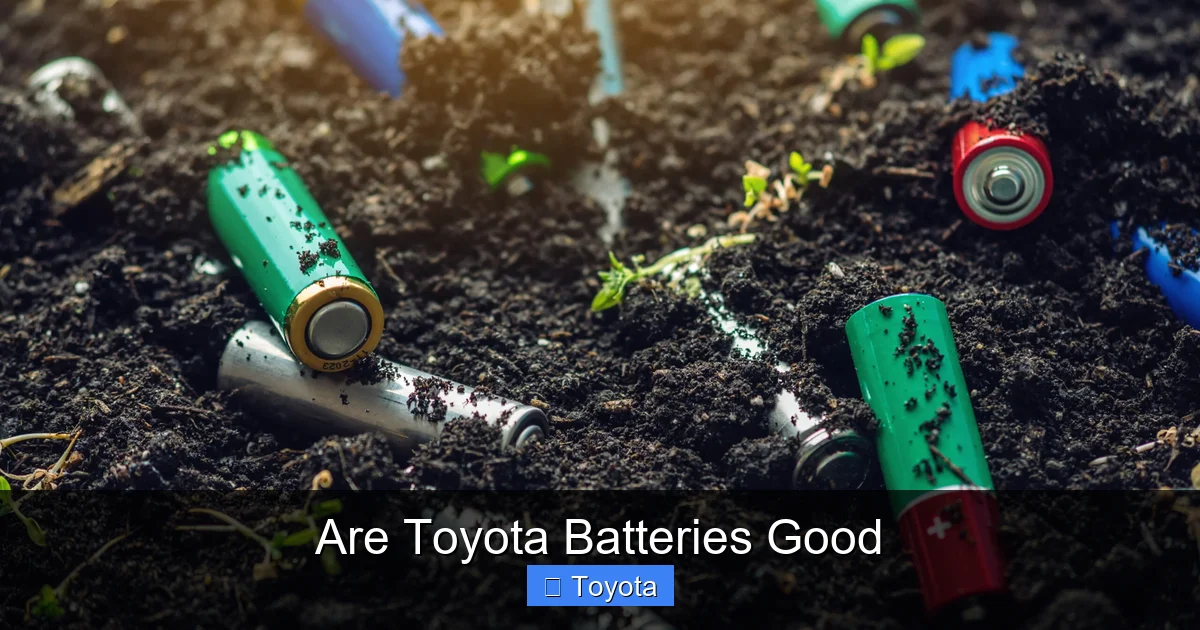
Visual guide about Are Toyota Batteries Good
Image source: recycleyourbatteries.ca
Your car’s battery does more than just start the engine. In modern Toyotas, especially those with advanced technology like Toyota Safety Sense, hybrid systems, and smart key entry, the battery plays a vital role in powering complex electronics. A weak or failing battery can lead to intermittent issues—like malfunctioning sensors, unresponsive touchscreens, or even failure to start in cold weather.
Toyota vehicles are engineered with precision, and their electrical systems are no exception. Using a battery that meets Toyota’s strict standards ensures that all components work in harmony. Aftermarket batteries might seem like a cheaper alternative, but they often lack the exact voltage stability, reserve capacity, and cold-cranking power that Toyota systems require. This mismatch can lead to premature wear on alternators, starters, and even onboard computers.
Moreover, Toyota hybrids—like the Prius, RAV4 Hybrid, and Camry Hybrid—rely on both a 12-volt auxiliary battery and a high-voltage traction battery. While the high-voltage battery handles propulsion, the 12-volt battery powers everything else. A failing 12-volt battery in a hybrid can cause the entire system to shut down, leaving you stranded. That’s why choosing a high-quality, compatible battery is not just a matter of convenience—it’s essential for safety and reliability.
What Makes Toyota Batteries Stand Out?

Visual guide about Are Toyota Batteries Good
Image source: annuelauto.ca
So, what sets Toyota batteries apart from the competition? It starts with engineering. Toyota doesn’t just slap a label on a generic battery—they design their batteries in collaboration with trusted manufacturers like Panasonic, Johnson Controls (now Clarios), and Exide. These batteries are built to meet Toyota’s exacting standards for performance, durability, and compatibility.
OEM Engineering and Precision Fit
One of the biggest advantages of a genuine Toyota battery is its OEM (Original Equipment Manufacturer) design. These batteries are engineered specifically for Toyota vehicles, meaning they fit perfectly, connect seamlessly, and deliver the exact electrical output your car expects. This precision reduces the risk of installation errors and ensures optimal performance from day one.
For example, a Toyota Camry’s electrical system is calibrated to work with a battery that delivers a specific cold-cranking amp (CCA) rating and reserve capacity (RC). A generic battery might have similar specs on paper, but real-world performance can vary. Toyota batteries are tested under real driving conditions—including extreme heat, cold, and vibration—to ensure they hold up over time.
Advanced Technology and Materials
Toyota batteries often feature advanced technologies that enhance performance and longevity. Many newer models use Absorbent Glass Mat (AGM) or Enhanced Flooded Battery (EFB) designs, especially in vehicles with start-stop systems. These technologies provide better cycling ability, meaning the battery can handle frequent charge and discharge cycles without degrading quickly.
AGM batteries, for instance, use fiberglass mats to hold the electrolyte in place, making them spill-proof, vibration-resistant, and capable of delivering high bursts of power. This is especially important in hybrids and vehicles with regenerative braking, where the battery is constantly being charged and discharged.
Additionally, Toyota batteries are built with high-quality lead-calcium grids, which reduce water loss and extend service life. They also feature robust terminal designs to prevent corrosion—a common cause of battery failure.
Consistent Performance in Extreme Conditions
Whether you live in a snowy region like Minnesota or a scorching desert like Arizona, Toyota batteries are designed to perform reliably in extreme temperatures. Cold weather reduces a battery’s ability to deliver power, which is why cold-cranking amps (CCA) are so important. Toyota batteries typically offer high CCA ratings—often 600 to 800 amps or more—ensuring your engine starts even on the coldest winter mornings.
In hot climates, battery fluid can evaporate faster, leading to internal damage. Toyota batteries are built with heat-resistant materials and sealed designs to minimize evaporation and protect internal components. This attention to environmental durability is a key reason why Toyota batteries often outlast their aftermarket counterparts.
Lifespan and Durability: How Long Do Toyota Batteries Last?
One of the most common questions Toyota owners ask is, “How long will my battery last?” The answer depends on several factors, including climate, driving habits, and maintenance. However, on average, a genuine Toyota battery lasts between 3 to 5 years. In ideal conditions—moderate climate, regular driving, and proper maintenance—some owners report batteries lasting up to 7 years.
Factors That Affect Battery Life
Several factors can shorten a battery’s lifespan. Short trips, for example, don’t allow the alternator enough time to fully recharge the battery, leading to gradual power loss over time. Similarly, extreme temperatures—both hot and cold—can accelerate chemical reactions inside the battery, causing it to degrade faster.
Parasitic drain is another issue. Modern Toyotas have numerous electronics that draw small amounts of power even when the car is off—like the alarm system, key fob receiver, and onboard computers. If these systems malfunction or draw too much current, they can drain the battery overnight.
Leaving lights on, using accessories while the engine is off, or having a faulty alternator can also contribute to premature battery failure. Regular maintenance and inspections can help identify these issues early.
Signs Your Toyota Battery Needs Replacement
Knowing when to replace your battery can prevent unexpected breakdowns. Here are some common warning signs:
– Slow engine cranking: If the engine takes longer than usual to start, especially in the morning, it’s a strong indicator of a weak battery.
– Dashboard warning light: The battery or charging system warning light on your dashboard is a clear signal that something’s wrong.
– Swollen or bloated battery case: This usually indicates overheating or overcharging, often due to a faulty alternator.
– Corrosion on terminals: White, green, or blue powdery buildup on the battery terminals can interfere with electrical connections.
– Electrical issues: Flickering lights, unresponsive infotainment systems, or malfunctioning power windows can point to a failing battery.
– Old age: If your battery is over 3 years old, it’s wise to have it tested annually, especially before winter.
Extending Your Battery’s Life
You can maximize your Toyota battery’s lifespan with a few simple habits:
– Drive regularly: Frequent driving helps keep the battery charged. If you don’t drive often, consider using a battery maintainer or trickle charger.
– Turn off accessories: Avoid using lights, radio, or air conditioning when the engine is off.
– Clean terminals: Use a mixture of baking soda and water to clean corrosion from terminals, then apply a thin layer of petroleum jelly to prevent future buildup.
– Check connections: Ensure battery cables are tight and secure. Loose connections can cause voltage drops and starting problems.
– Get regular inspections: Most Toyota service centers offer free battery testing during routine maintenance.
Toyota Battery Warranty and Support
One of the biggest advantages of choosing a genuine Toyota battery is the warranty and support that comes with it. Most Toyota batteries come with a 3-year free replacement warranty, which is among the best in the industry. This means if your battery fails within three years, Toyota will replace it at no cost—no questions asked.
Understanding the Warranty Terms
The warranty typically covers defects in materials and workmanship. It does not cover damage caused by misuse, improper installation, or external factors like accidents or extreme neglect. However, Toyota’s service network makes it easy to get a replacement. Simply visit any authorized Toyota dealer with your vehicle and proof of purchase, and they’ll test the battery and replace it if needed.
Some batteries may also come with a pro-rated warranty after the initial free replacement period. For example, a 5-year pro-rated warranty might cover 50% of the cost in year 4 and 25% in year 5. This adds extra value and peace of mind.
Service and Convenience
Another benefit of Toyota batteries is the convenience of service. With thousands of authorized dealers across the U.S. and globally, getting your battery tested, replaced, or maintained is quick and hassle-free. Many dealers offer same-day service, and some even provide mobile battery replacement for added convenience.
Additionally, Toyota technicians are trained to handle your vehicle’s specific electrical system. They use diagnostic tools to test not just the battery, but also the alternator and starter, ensuring the entire charging system is functioning properly. This comprehensive approach helps prevent recurring issues and extends the life of your new battery.
Cost vs. Value: Are Toyota Batteries Worth the Price?
It’s true—Toyota batteries are often more expensive than aftermarket alternatives. A genuine Toyota battery can cost anywhere from $150 to $300, depending on the model and technology (AGM batteries are typically more expensive). In contrast, a generic battery from a big-box store might cost $80 to $150.
So, is the higher price worth it? In most cases, yes.
Long-Term Savings
While the upfront cost is higher, Toyota batteries often last longer and perform better than cheaper alternatives. A battery that lasts 5 years instead of 3 means fewer replacements, less hassle, and lower long-term costs. Plus, the risk of being stranded due to a failed battery is significantly reduced.
Moreover, using a non-OEM battery can sometimes void parts of your vehicle’s warranty, especially if it causes damage to the electrical system. Toyota’s warranty on the battery and related components is only valid when using genuine parts.
Resale Value
If you plan to sell or trade in your Toyota, having a genuine battery with a valid warranty can be a selling point. It shows that the vehicle has been well-maintained with OEM parts, which can increase its resale value.
Peace of Mind
Perhaps the biggest value of a Toyota battery is peace of mind. Knowing that your battery is designed specifically for your vehicle, backed by a strong warranty, and supported by a trusted service network allows you to drive with confidence—whether you’re commuting to work or embarking on a cross-country road trip.
Hybrid and Electric Toyota Batteries: A Special Case
Toyota is a leader in hybrid technology, and vehicles like the Prius, RAV4 Hybrid, and Camry Hybrid have unique battery needs. These vehicles use two types of batteries: a high-voltage traction battery (usually 200+ volts) for propulsion, and a standard 12-volt auxiliary battery for accessories and starting the gasoline engine.
The 12-Volt Auxiliary Battery
The 12-volt battery in a hybrid Toyota is just as important as in a conventional vehicle. It powers the lights, climate control, infotainment, and safety systems. If it fails, the hybrid system may not engage, leaving you unable to drive.
Many hybrid owners are surprised to learn that the 12-volt battery can fail just like any other—often due to age, extreme temperatures, or parasitic drain. Replacing it with a genuine Toyota battery ensures compatibility and reliability.
High-Voltage Traction Batteries
The high-voltage battery in a hybrid is designed to last the life of the vehicle—typically 10 to 15 years or more. Toyota offers an 8-year/100,000-mile warranty on hybrid batteries in most models, and many last well beyond that.
However, if the high-voltage battery does need replacement, it’s a costly repair—often $2,000 to $4,000. That’s why maintaining the 12-volt battery is crucial. A weak 12-volt battery can cause the hybrid system to malfunction, leading to unnecessary strain on the high-voltage battery.
Maintenance Tips for Hybrid Batteries
– Keep the 12-volt battery charged: Use a maintainer if the vehicle sits for long periods.
– Avoid deep discharges: Don’t let the 12-volt battery drain completely.
– Schedule regular inspections: Have both batteries checked during routine service.
– Use genuine parts: Always replace the 12-volt battery with a Toyota-approved model.
Conclusion: Are Toyota Batteries Good? The Final Verdict
So, are Toyota batteries good? The answer is a resounding yes. Designed with precision, built to last, and backed by excellent warranty and support, Toyota batteries offer superior performance and reliability. Whether you drive a compact Corolla, a rugged Tacoma, or a high-tech Prius, a genuine Toyota battery is engineered to meet your vehicle’s exact needs.
While aftermarket batteries may seem like a bargain, they often fall short in terms of longevity, compatibility, and performance. Investing in a Toyota battery means investing in your vehicle’s health, safety, and long-term value. With proper maintenance and care, your Toyota battery can keep you moving reliably for years to come.
Don’t wait until you’re stranded with a dead battery. If your Toyota is over three years old, or you’re noticing any of the warning signs mentioned earlier, schedule a battery inspection at your nearest Toyota service center. It’s a small step that can save you big headaches down the road.
Frequently Asked Questions
How long do Toyota batteries typically last?
Toyota batteries usually last between 3 to 5 years, with some lasting up to 7 years under ideal conditions. Factors like climate, driving habits, and maintenance play a big role in lifespan.
Can I use an aftermarket battery in my Toyota?
Yes, you can, but it’s not recommended. Aftermarket batteries may not meet Toyota’s exact specifications, which can lead to compatibility issues, reduced performance, and potential damage to the electrical system.
What’s the difference between AGM and standard Toyota batteries?
AGM (Absorbent Glass Mat) batteries are more advanced, offering better cycling ability, vibration resistance, and longer life. They’re commonly used in vehicles with start-stop systems or high electrical demands.
How much does a Toyota battery cost?
Genuine Toyota batteries typically cost between $150 and $300, depending on the model and technology. AGM batteries are usually on the higher end of that range.
Does Toyota offer a warranty on their batteries?
Yes, most Toyota batteries come with a 3-year free replacement warranty. Some may also include a pro-rated warranty for additional years, depending on the model.
How can I tell if my Toyota battery is failing?
Common signs include slow engine cranking, a dashboard warning light, swollen battery case, corrosion on terminals, and electrical issues like flickering lights or unresponsive systems.