Are Toyota Batteries Good?

Contents
- 1 Key Takeaways
- 2 📑 Table of Contents
- 3 Are Toyota Batteries Good? A Comprehensive Look at Performance and Reliability
- 4 What Makes Toyota Batteries Different?
- 5 How Long Do Toyota Batteries Last?
- 6 Toyota Hybrid Batteries: A Special Case
- 7 Signs Your Toyota Battery Is Failing
- 8 OEM vs. Aftermarket Toyota Batteries
- 9 How to Extend the Life of Your Toyota Battery
- 10 Conclusion: Are Toyota Batteries Worth It?
- 11 Frequently Asked Questions

Car Neck Pillow

Portable Work Light

Car Battery Tester

Windshield Washer Fluid
Toyota batteries are generally reliable, durable, and well-suited for their vehicles, offering strong cold-cranking amps and long service life. While they perform well under normal conditions, factors like climate, driving habits, and maintenance play key roles in longevity.
Key Takeaways
- Toyota batteries are designed for reliability: Engineered to meet the specific electrical demands of Toyota vehicles, they offer consistent performance and dependable starts.
- Long average lifespan: Most Toyota batteries last between 3 to 5 years, with some lasting up to 7 years with proper care and favorable conditions.
- Climate impacts performance: Extreme heat or cold can reduce battery life, making maintenance and timely replacements crucial in harsh environments.
- Hybrid models use different systems: Toyota hybrids like the Prius rely on high-voltage traction batteries and 12-volt auxiliary batteries, each with unique maintenance needs.
- Regular maintenance extends life: Simple checks like cleaning terminals, securing connections, and testing voltage can prevent unexpected failures.
- OEM vs. aftermarket options: Toyota OEM batteries offer guaranteed compatibility, while quality aftermarket brands can provide cost-effective alternatives.
- Signs of failure are noticeable: Slow engine cranking, dim lights, and dashboard warnings are common indicators it’s time for a replacement.
📑 Table of Contents
- Are Toyota Batteries Good? A Comprehensive Look at Performance and Reliability
- What Makes Toyota Batteries Different?
- How Long Do Toyota Batteries Last?
- Toyota Hybrid Batteries: A Special Case
- Signs Your Toyota Battery Is Failing
- OEM vs. Aftermarket Toyota Batteries
- How to Extend the Life of Your Toyota Battery
- Conclusion: Are Toyota Batteries Worth It?
Are Toyota Batteries Good? A Comprehensive Look at Performance and Reliability
When it comes to keeping your Toyota running smoothly, few components are as essential as the battery. Whether you’re behind the wheel of a rugged Tacoma, a fuel-efficient Camry, or a hybrid Prius, your vehicle relies on a steady flow of electrical power to start the engine, run the infotainment system, and keep safety features active. So, the big question many Toyota owners ask is: Are Toyota batteries good?
The short answer? Yes—generally, they are. Toyota batteries are engineered to meet the specific electrical demands of their vehicles, offering reliable performance, solid durability, and compatibility with advanced onboard systems. But like any automotive component, their effectiveness depends on several factors, including climate, driving habits, maintenance, and the type of vehicle you drive. In this article, we’ll dive deep into what makes Toyota batteries stand out, how long they typically last, and what you can do to get the most out of them.
If you’ve ever been stranded with a dead battery on a cold morning or wondered why your headlights seem dimmer than usual, you’re not alone. Battery issues are one of the most common reasons for roadside assistance calls. But understanding how Toyota batteries work—and how to care for them—can save you time, money, and frustration down the road.
What Makes Toyota Batteries Different?

Visual guide about Are Toyota Batteries Good?
Image source: wonderfulengineering.com
Toyota doesn’t just slap any battery into its vehicles. Instead, the company designs or specifies batteries that align with the electrical architecture and performance needs of each model. This means that whether you drive a compact Corolla or a full-size Tundra, your battery is chosen to deliver the right amount of power at the right time.
OEM Quality and Engineering
Toyota Original Equipment Manufacturer (OEM) batteries are built to strict standards. They’re tested for cold-cranking amps (CCA), reserve capacity, and overall durability under real-world conditions. For example, a Toyota RAV4 might come equipped with a 650 CCA battery, which ensures it can start reliably even in freezing temperatures. This level of precision helps prevent premature failures and supports the vehicle’s advanced electronics, such as start-stop systems and smart key fobs.
Moreover, Toyota often partners with reputable battery manufacturers like Panasonic, Johnson Controls (now Clarios), and Exide to produce its OEM batteries. These companies have decades of experience in automotive energy storage, which translates into high-quality products that meet or exceed industry standards.
Compatibility with Advanced Systems
Modern Toyotas are packed with technology—from adaptive cruise control to wireless charging pads. These features draw power even when the engine is off, placing extra demand on the battery. Toyota batteries are designed to handle these loads without draining too quickly. For instance, vehicles with automatic start-stop functionality require enhanced flooded batteries (EFB) or absorbent glass mat (AGM) batteries, which can handle frequent charge-discharge cycles better than standard lead-acid batteries.
AGM batteries, in particular, are becoming more common in newer Toyota models. They offer faster recharge times, greater resistance to vibration, and longer lifespans—making them ideal for vehicles with high electrical demands.
How Long Do Toyota Batteries Last?

Visual guide about Are Toyota Batteries Good?
Image source: cdn.motor1.com
One of the most common questions Toyota owners have is about battery lifespan. The truth is, there’s no one-size-fits-all answer, but most Toyota batteries last between 3 and 5 years under normal driving conditions. Some even make it to 6 or 7 years with excellent care and mild climates.
Factors That Influence Battery Life
Several variables can shorten or extend your battery’s life:
- Climate: Extreme heat accelerates chemical reactions inside the battery, causing it to degrade faster. Conversely, cold weather reduces the battery’s ability to deliver power, making cold starts harder. If you live in a hot desert or a frigid northern region, your battery may wear out sooner.
- Driving habits: Short trips don’t allow the alternator enough time to fully recharge the battery. If you mostly drive around town for 10–15 minutes at a time, your battery may never reach full charge, leading to sulfation—a buildup of lead sulfate crystals that reduces capacity.
- Electrical load: Running accessories like heated seats, GPS, or phone chargers while the engine is off drains the battery. Over time, this can shorten its lifespan.
- Maintenance: Corroded terminals, loose connections, or a failing alternator can all stress the battery and lead to early failure.
For example, a Toyota Camry driven daily on highway commutes in a moderate climate might see its battery last 5–6 years. But the same car used for short errands in Phoenix, Arizona, might need a replacement after just 3 years due to the intense heat.
Real-World Examples
Let’s look at a few real-world scenarios:
– A 2018 Toyota Highlander owner in Minnesota reports replacing their battery after 4 years. The cold winters took a toll, but regular maintenance helped maximize life.
– A 2020 Toyota Prius driver in California has had the same 12-volt auxiliary battery for over 5 years, thanks to mild weather and consistent charging from the hybrid system.
– A 2015 Toyota Tacoma used for weekend off-roading and daily commuting in Texas needed a new battery at 3.5 years due to high under-hood temperatures and frequent short trips.
These examples show that while Toyota batteries are built to last, your environment and usage patterns play a huge role.
Toyota Hybrid Batteries: A Special Case

Visual guide about Are Toyota Batteries Good?
Image source: cdn.motor1.com
When people ask, “Are Toyota batteries good?” they’re often thinking of the big orange high-voltage battery in hybrids like the Prius or RAV4 Hybrid. But it’s important to distinguish between the traction battery (which powers the electric motor) and the standard 12-volt auxiliary battery (which starts the engine and runs accessories).
The High-Voltage Traction Battery
Toyota’s hybrid vehicles use a nickel-metal hydride (NiMH) or lithium-ion (Li-ion) traction battery pack. These are designed to last the life of the vehicle—often 10–15 years or more. Toyota offers an 8-year/100,000-mile warranty on these batteries (10 years/150,000 miles in California and other states with stricter emissions laws), which speaks to their confidence in longevity.
These batteries are not user-replaceable and are managed by sophisticated software that monitors temperature, charge level, and cell balance. In rare cases, individual cells can fail, but the entire pack rarely needs replacement. Most hybrid owners never experience traction battery issues.
The 12-Volt Auxiliary Battery
Despite the high-voltage system, every Toyota hybrid still has a standard 12-volt lead-acid battery. This smaller battery powers the lights, radio, climate control, and other systems when the car is off. It’s also used to start the gasoline engine.
Because hybrids frequently switch between electric and gas power, the 12-volt battery can experience more charge cycles than in a conventional car. However, Toyota designs these systems to recharge the auxiliary battery efficiently using energy from the hybrid system.
That said, the 12-volt battery in a hybrid still has a finite lifespan—typically 3 to 5 years. Owners should watch for signs of weakness, especially in older hybrids, as a failing auxiliary battery can prevent the car from starting, even if the traction battery is fine.
Signs Your Toyota Battery Is Failing
No battery lasts forever, and Toyota batteries are no exception. The good news is that most failures give warning signs before they leave you stranded.
Common Warning Signs
- Slow engine cranking: If the engine turns over more slowly than usual—especially on cold mornings—it’s a classic sign of a weak battery.
- Dim headlights or interior lights: Lights that flicker or appear dimmer than normal, particularly when idling, suggest the battery isn’t holding a charge.
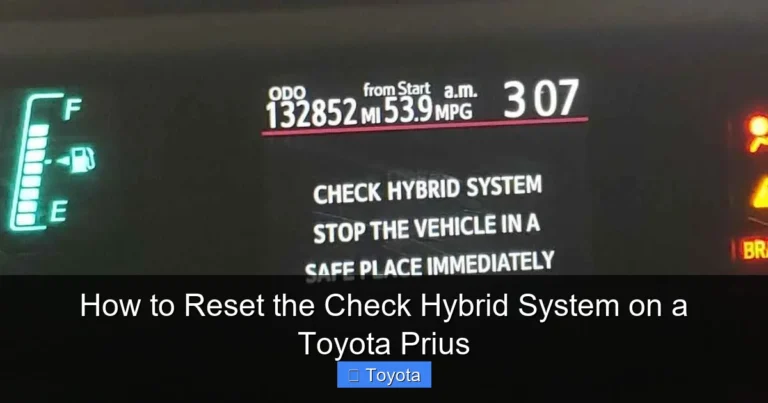
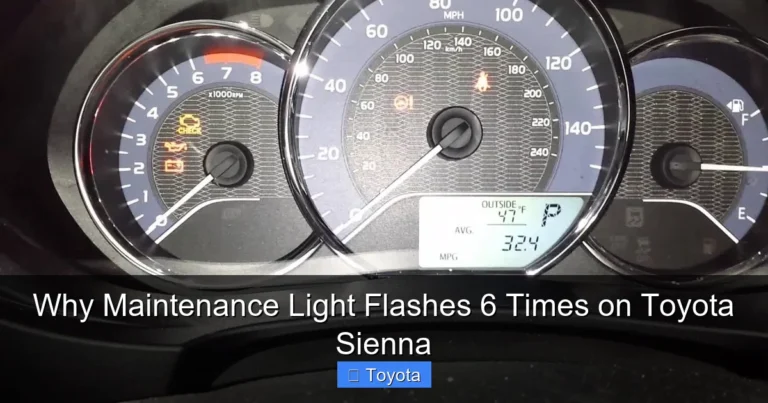
- Dashboard warning lights: Some Toyotas have a battery or charging system warning light. If it comes on, have your battery and alternator tested immediately.
- Electrical issues: Problems with power windows, locks, or infotainment systems can stem from low voltage due to a failing battery.
- Swollen battery case: A bulging or bloated battery case often indicates overheating or overcharging, which can lead to failure.
- Old age: If your battery is over 4 years old, it’s wise to have it tested annually, even if it seems fine.
For example, a 2017 Toyota Corolla owner noticed the radio resetting every time they started the car. After testing, they discovered the battery was only holding 11.2 volts—well below the 12.6 volts needed for full charge. Replacing it resolved the issue.
When to Test Your Battery
You don’t need to wait for a problem to appear. Most auto parts stores offer free battery testing. It’s a good idea to get your battery checked:
– Once a year after it turns 3 years old
– Before long trips, especially in winter
– If you notice any of the warning signs above
A simple load test can determine if your battery can still deliver the required power under stress.
OEM vs. Aftermarket Toyota Batteries
When it’s time for a replacement, you’ll face a choice: stick with a Toyota OEM battery or go with an aftermarket option. Both have pros and cons.
OEM Toyota Batteries
OEM batteries are made specifically for your Toyota model. They come with a warranty (usually 2–3 years, sometimes prorated), and you know they’ll fit perfectly and meet the manufacturer’s specifications. They’re often installed at dealerships, which can be convenient.
However, OEM batteries tend to be more expensive. For example, a Toyota OEM battery for a 2020 Camry might cost $200–$250, while a comparable aftermarket battery could be $120–$180.
Quality Aftermarket Options
Many aftermarket brands—like Optima, DieHard, Interstate, and Bosch—offer batteries that meet or exceed OEM specs. Some even provide longer warranties. For instance, an Optima RedTop AGM battery might come with a 3-year free replacement warranty and offer superior performance in extreme conditions.
The key is to choose a reputable brand and ensure the battery matches your vehicle’s requirements (CCA, group size, terminal layout). Always check compatibility using your VIN or owner’s manual.
Hybrid Battery Replacements
For hybrid traction batteries, OEM replacements are often recommended due to the complexity of the system. However, rebuilt or refurbished hybrid batteries are available at a fraction of the cost and can be a good option for older vehicles. Just make sure the installer is certified and offers a solid warranty.
How to Extend the Life of Your Toyota Battery
Good news: you can take steps to make your Toyota battery last longer. A little maintenance goes a long way.
Regular Maintenance Tips
- Clean the terminals: Corrosion (a white or green powdery substance) on the battery terminals can block electrical flow. Clean them with a mixture of baking soda and water, then apply a thin layer of petroleum jelly to prevent future buildup.
- Secure the battery: A loose battery can vibrate excessively, damaging internal components. Make sure it’s tightly secured in its tray.
- Check the charging system: A faulty alternator can overcharge or undercharge the battery. If your battery keeps dying, have the alternator tested.
- Minimize parasitic drain: Avoid leaving accessories on when the engine is off. Unplug phone chargers, dash cams, and other devices when not in use.
- Use a battery maintainer: If you don’t drive often, consider a trickle charger or smart maintainer to keep the battery topped off.
For example, a Toyota 4Runner owner who stores their vehicle for months at a time uses a Battery Tender Plus to keep the battery charged. This simple device has helped them avoid multiple replacements over the years.
Driving Habits That Help
– Take longer drives occasionally to allow the alternator to fully recharge the battery.
– Avoid short trips when possible, or combine errands into one outing.
– In winter, park in a garage or use a block heater to reduce cold-start strain.
Conclusion: Are Toyota Batteries Worth It?
So, are Toyota batteries good? The answer is a resounding yes—especially when you consider their reliability, engineering, and compatibility with Toyota’s advanced systems. While they aren’t immune to wear and environmental stress, they’re built to deliver consistent performance and last for years with proper care.
Whether you drive a conventional gasoline model or a hybrid, understanding your battery’s needs can help you avoid unexpected breakdowns and costly replacements. Pay attention to warning signs, maintain your battery regularly, and choose quality replacements when the time comes.
At the end of the day, a Toyota battery is more than just a power source—it’s a critical component that keeps your vehicle running safely and efficiently. Treat it well, and it will do the same for you.
Frequently Asked Questions
How long do Toyota batteries typically last?
Most Toyota batteries last between 3 and 5 years, depending on climate, driving habits, and maintenance. In ideal conditions, some can last up to 7 years.
Can I replace my Toyota battery myself?
Yes, if you have basic tools and follow safety precautions. However, some newer models require a battery reset via the onboard computer, which may need a professional scan tool.
Do Toyota hybrids need special batteries?
Yes, hybrids use a high-voltage traction battery for the electric motor and a standard 12-volt auxiliary battery for accessories. Both require different maintenance approaches.
What causes Toyota batteries to fail early?
Common causes include extreme temperatures, short driving trips, corroded terminals, parasitic drain, and a failing alternator.
Are aftermarket batteries safe for Toyota vehicles?
Yes, as long as they meet the correct specifications (CCA, group size, terminal type). Reputable brands like Optima and Interstate offer reliable alternatives to OEM.
How can I test my Toyota battery at home?
Use a multimeter to check voltage: 12.6V or higher means fully charged, while below 12.4V suggests a weak battery. For a load test, visit an auto parts store for a free check.