Are 2013 Ford F-150 Trucks Reliable

Contents
- 1 Key Takeaways
- 2 📑 Table of Contents
- 3 Introduction: A Truck at a Crossroads
- 4 Powertrain Pros: The Heart of the Beast
- 5 The Transmission Question: A Known Weak Spot
- 6 Common Issues, Glitches, and Recalls
- 7 Maintenance Costs and Longevity: The Real Price of Ownership
- 8 Owner Satisfaction and Real-World Feedback
- 9 Final Verdict: Who is the 2013 F-150 For?
- 10 Frequently Asked Questions
Foam Cannon
Side Window Sunshade

Phone Mount for Bike

Car Bumper Protector
The 2013 Ford F-150 sits in a transitional year for the model, offering proven powertrains but with some age-related concerns. Overall, it’s a generally reliable used truck when properly maintained, but potential buyers must budget for common repairs like transmission servicing and watch for specific recalls. Its reliability is heavily dependent on the individual truck’s maintenance history and drivetrain choice.
Key Takeaways
- The 2013 F-150’s powertrains are its strong suit: The long-running 5.4L V8 and 3.7L V6 are known for durability, while the newer EcoBoost V6 offers good power but requires meticulous oil changes.
- Transmission vigilance is key: The 6-speed automatic, especially in V8 models, can develop issues like harsh shifting or failure if not serviced on schedule. A thorough transmission inspection is non-negotiable for a used purchase.
- Electronics and accessories are common failure points: Features like the Sync system, window regulators, and door lock actuators are known to fail in this generation, leading to frustrating and sometimes costly repairs.
- Recalls must be checked and addressed: Several recalls, including for the transmission and airbags, apply to the 2013 model. Always verify with a dealer that all recall work has been completed.
- Maintenance history trumps everything: A well-documented service record, especially for transmission fluid and spark plugs, is the single best indicator of a reliable 2013 F-150. Neglected trucks will be problematic.
- Rust can be a significant issue: Depending on the region it was driven, cab corners, rocker panels, and the frame can suffer from corrosion, compromising structural integrity and leading to expensive repairs.
- It’s a capable workhorse, not a flawless daily driver: For a buyer needing a strong, capable used truck for work or towing who understands the maintenance needs and potential repair bills, the 2013 F-150 can be a solid choice.
📑 Table of Contents
- Introduction: A Truck at a Crossroads
- Powertrain Pros: The Heart of the Beast
- The Transmission Question: A Known Weak Spot
- Common Issues, Glitches, and Recalls
- Maintenance Costs and Longevity: The Real Price of Ownership
- Owner Satisfaction and Real-World Feedback
- Final Verdict: Who is the 2013 F-150 For?
Introduction: A Truck at a Crossroads
So, you’re eyeing a used Ford F-150. Maybe you need a capable workhorse. Maybe you want a iconic American truck that won’t break the bank. The 2013 model year has likely popped up on your radar. It’s old enough to be affordable but not so old that it’s a guaranteed money pit. The big question, the one you’re really asking, is: Are 2013 Ford F-150 trucks reliable?
Let’s be clear upfront. The 2013 F-150 isn’t a brand-new truck. It’s a decade old. “Reliability” in this context doesn’t mean “like new.” It means: does it have a reputation for major, catastrophic failures, or is it a robust platform that, with proper care and a few expected repairs, can provide years of faithful service? The answer is nuanced. The 2013 sits at an interesting point in the F-150’s timeline. It’s the final year of the twelfth generation before the massive redesign for 2015. It uses proven, older technology in some areas and newer, sometimes finicky, tech in others.
This article will pull no punches. We’ll dive into the engines, the transmissions, the electronics, and the common aches and pains of a 2013 F-150 with over 150,000 miles. We’ll look at what owners are saying on forums, what mechanics see in their bays, and what data from sources like Consumer Reports suggests. By the end, you’ll know exactly what to look for, what to budget for, and whether this truck fits your definition of “reliable.”
Powertrain Pros: The Heart of the Beast
When talking truck reliability, you start with what’s under the hood. The 2013 F-150 offered a range of engines, and their reputations vary significantly. This is the first and most critical decision point for a potential buyer.

Visual guide about Are 2013 Ford F-150 Trucks Reliable
Image source: dentalortomedical.com
The Workhorses: 5.4L Triton V8 and 3.7L V6
These are the legends. The 5.4L 3-valve V8 (with 320 hp) and the 3.7L V6 (with 302 hp) are based on architectures Ford has used for well over a decade. Their reputation? Bombproof, with caveats.
The 5.4L is famous for its torque and durability. It’s a pushrod engine with two valves per cylinder, meaning fewer complex parts that can break. The main known issue is with the cylinder heads. Some earlier versions of this engine family (pre-2004) had problematic heads, but the 2013’s 3-valve heads are generally solid. The real killer for these engines is neglect. They require regular oil changes. Skip them, and you risk premature cam phaser wear and spark plug blowouts (the plugs are deep in the head and can be a costly job). If the truck you’re looking at has a clean service history for oil changes, the 5.4L is a fantastic, reliable choice.
The 3.7L V6 shares much of this DNA. It’s even simpler, with no variable cam timing. It’s not a speed demon, but it’s tough, reliable, and simple to work on. Its Achilles’ heel, like the 5.4L, is maintenance. It also has a reputation for using a bit more oil than some modern engines—a quart between changes isn’t unheard of. Monitor the oil level religiously.
The Modern Contender: 3.5L EcoBoost V6
This is where things get interesting. The twin-turbocharged 3.5L EcoBoost (365 hp) represented Ford’s leap into forced induction for full-size trucks. It’s powerful, fuel-efficient, and generally a brilliant engine when sorted. However, its reliability profile is different.
The EcoBoost has more complex systems: two turbochargers, direct fuel injection, and a sophisticated cooling system. This complexity means more potential failure points. The most discussed issues involve:
- Turbocharger failures: Often linked to oil starvation or poor quality oil. This is an expensive repair.
- Carbon buildup on intake valves: Because it uses direct injection, fuel doesn’t wash over the back of the valves. This leads to carbon deposits that can cause rough idling, misfires, and loss of power. This typically requires a costly walnut blasting service every 60,000-80,000 miles.
- Oil consumption: Some EcoBoost engines, particularly early ones, are known to burn oil. This can lead to low oil levels and, ultimately, engine damage if not monitored weekly.
The verdict on the EcoBoost? It’s reliable if and only if it has been impeccably maintained with high-quality synthetic oil and strict service intervals. A neglected EcoBoost is a ticking time bomb. A well-cared-for one is a powerhouse.
The Transmission Question: A Known Weak Spot
If the engine is the heart, the transmission is the circulatory system. And for the 2013 F-150, this is the single most critical area of concern. Almost every model year discussion on F-150 forums circles back to the transmission.
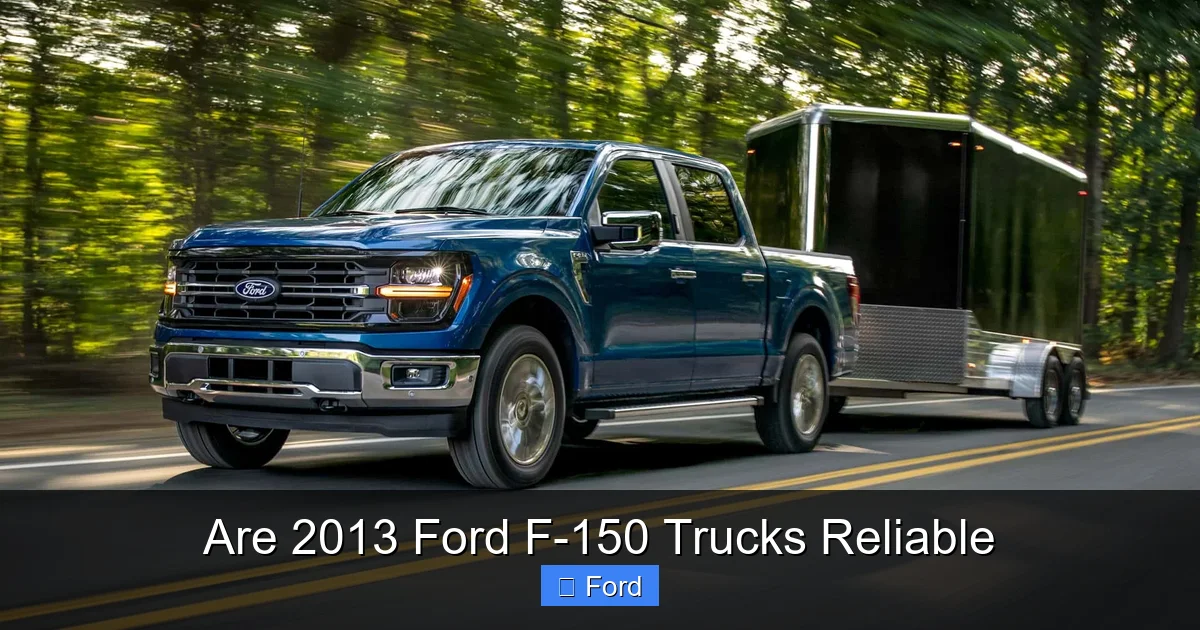
Visual guide about Are 2013 Ford F-150 Trucks Reliable
Image source: motorbiscuit.com
The 2013 came with the Ford 6R80 6-speed automatic transmission. In many trucks, it’s fine. In others, it’s a source of major headaches. The issues are most prevalent in trucks with the 5.4L V8 and heavy towing or high-mileage use.
Common problems include:
- Harsh, delayed, or “slammed” shifts: Often the first sign of trouble. It might feel like the truck is being kicked in the pants between 2nd and 3rd gear.
- Transmission slipping: The engine revs but the truck doesn’t accelerate accordingly. This is a severe sign of internal wear.
- Complete failure: The ultimate outcome of neglect. A replacement or rebuild costs $3,000 to $5,000+.
Why does this happen? The 6R80 is a capable transmission but can be overwhelmed, especially by the torque of the 5.4L when towing or hauling max loads regularly. The internal solenoids and clutch packs wear out. The most important preventative maintenance is strict adherence to the transmission fluid service interval. Ford’s original “lifetime” fluid claim has been thoroughly debunked by mechanics and owners. The consensus is to service the fluid and filter every 60,000-80,000 miles, especially if the truck is used for work.
What this means for you: When buying a used 2013 F-150, you must ask for transmission service records. If none exist, budget for a fluid and filter change immediately. During a test drive, listen for any abnormal shifting behavior. A pre-purchase inspection by a trusted mechanic, with a specific focus on the transmission, is absolutely worth the cost.
Common Issues, Glitches, and Recalls
Beyond the big powertrain items, the 2013 F-150 has a long list of known minor-to-moderate issues that plague owners. These aren’t usually show-stoppers, but they are annoying, expensive in aggregate, and hallmarks of the truck’s age and technology.

Visual guide about Are 2013 Ford F-150 Trucks Reliable
Image source: images-stag.jazelc.com
The “First World Problems” That Cost Real Money
This generation of F-150 is packed with electronics and comfort features. That complexity leads to failures:
- Sync System (MyFord Touch): The infotainment system is notoriously glitchy. Screens freeze, Bluetooth disconnects, and the system reboots randomly. Fixes range from software updates to full module replacement.
- Window Regulators and Motors: The power windows, especially the rear ones, are notorious for failing. The plastic parts in the regulator mechanism break. Expect to pay a few hundred dollars per door.
- Door Lock Actuators: Similar to windows, the electric door locks fail frequently. You might be locked in or out of your truck.
- Heater/AC Blend Door Actuators: These little motors control where the air blows from (floor, dash, defrost). They fail often, leading to no heat, no AC, or air only from one vent. The repair involves digging into the dash.
- Spark Plugs: On the 5.4L and 3.7L, spark plugs are a scheduled maintenance item but are famously difficult and expensive to replace because they are deep in the cylinder heads. If they haven’t been changed in 100,000 miles, budget for this $800-$1,200 job.
Critical Recalls to Verify
All used vehicles should be checked for open recalls, but the 2013 F-150 has a few significant ones. Use the NHTSA recall lookup tool with the VIN before buying. Key recalls include:
- Transmission Range Sensor: The sensor that tells the truck what gear it’s in can fail, potentially causing the vehicle to roll away if not in “Park.” This has been a widespread recall.
- Airbags: Various Takata airbag inflator recalls apply to many 2013 F-150s. This is a safety-critical repair that must be completed.
- Power Steering: Some models had a recall for an intermediate shaft that could separate, causing a loss of steering.
Any reputable dealer will perform all open recalls for free. Never buy a truck with an outstanding safety recall.
Maintenance Costs and Longevity: The Real Price of Ownership
Let’s talk numbers. The sticker price is long gone. What matters is the cost to keep it on the road. A reliable 2013 F-150 isn’t a cheap truck to own; it’s a predictable one.
According to data aggregators and owner reports, the average annual repair cost for a 2013 F-150 with 100,000+ miles is in the range of $500 to $900. This is higher than some competitors but in line with a full-size truck of this vintage. The key is that these costs are for wear-and-tear items and known issues, not catastrophic failures (provided the transmission is maintained).
Here’s a realistic maintenance and repair timeline for a high-mileage 2013:
- 60,000-80,000 miles: Major transmission service ($300-$500). Spark plugs if not done ($800-$1,200).
- 100,000 miles: Timing chain inspection (on 3.7L/5.4L), water pump replacement (likely), major coolant system flush.
- Ongoing: Brakes (pads, rotors, calipers), tires, batteries (every 3-4 years), oil changes (every 5,000 miles with conventional oil, 7,500 with full synthetic).
One area that can be a budget-buster is rust. If the truck spent its life in a snow-belt state with road salt, inspect the cab corners, rocker panels, and frame meticulously. Rust in these structural areas can lead to failed inspections and repairs costing thousands. A clean, rust-free truck from a southern or western state is worth a premium.
The good news? Many of the parts for these trucks are plentiful and relatively inexpensive. The aftermarket is huge. You can often find quality remanufactured parts for transmissions, alternators, and power steering pumps at reasonable costs. This availability supports long-term ownership.
Owner Satisfaction and Real-World Feedback
Numbers are one thing. What do actual owners think? The sentiment is polarized but leans positive for those who knew what they were buying.
On forums like F-150Online and Ford-Trucks.com, you’ll find two camps. Camp A: “Best truck I’ve ever owned. 250,000 miles, only replaced the water pump and transmission filter.” Camp B: “My Sync is bricked, transmission slips, and I’ve replaced every window motor. It’s a money pit.” The difference? Maintenance history and expectations.
Surveys from J.D. Power and Consumer Reports give the 2013 F-150 average to below-average reliability scores for its model year. This aligns with the known issues. However, in long-term owner surveys, many praise its towing capacity, cabin space, and sheer capability. They accept the repair bills as the cost of doing business with a heavy-duty truck.
The key takeaway from owner feedback is this: the 2013 F-150 rewards the mechanically inclined or the prepared buyer. If you can do basic maintenance yourself, you’ll save thousands. If you buy a truck with full service records from a single owner, you’ll likely have a positive experience. If you buy a cheap, neglected, high-mileage truck from a rental company or fleet with no history, you are asking for trouble.
Final Verdict: Who is the 2013 F-150 For?
So, are 2013 Ford F-150 trucks reliable? The final answer is: They are conditionally reliable.
This is not a truck for someone who wants a “set it and forget it” used vehicle with zero worries. It is a truck for:
- The Budget-Conscious Work User: You need a capable hauler and tower for a fraction of the cost of a new truck. You understand that a $600 transmission service is cheaper than a $600/month truck payment.
- The DIY Enthusiast: You have a garage, a set of tools, and the willingness to learn. You can tackle spark plugs, brakes, and maybe even a transmission filter change, saving massive labor costs.
- The Informed Buyer: You will spend the money on a comprehensive pre-purchase inspection. You will check all recalls. You will walk away from a truck with a sketchy history or signs of severe rust.
This is NOT a truck for:
- The Risk-Averse: If the thought of a $4,000 unexpected repair terrifies you, look at a certified pre-owned vehicle from a later model year with a warranty.
- The Non-Mechanically Inclined with No Budget: If you plan to take every issue to a shop and have no contingency fund, the repair bills will add up quickly and cause financial stress.
- Someone Seeking a Flawless Daily Driver: The infotainment will glitch. A window may fail. These are facts of life with this generation.
If you fit the “for” category, a 2013 F-150 can be an incredibly rewarding purchase. Its body style is classic, its capability is proven, and with a good one, you’ll get a lot of truck for your money. Just go in with your eyes wide open, prioritize a flawless maintenance history, and have a trusted mechanic on speed dial. For more on keeping your F-150 running smoothly, check out our guides on the best battery for a 2013 Ford F-150 and protecting its interior with quality seat covers. And if you’re comparing across years, our article on the 10 most reliable Ford F-150 model years provides crucial context for where the 2013 stands in the grand scheme.
Frequently Asked Questions
Is the 5.4L V8 or 3.5L EcoBoost more reliable in the 2013 F-150?
The 5.4L V8 is generally considered more reliable due to its simpler, proven pushrod design with fewer complex parts. The EcoBoost is powerful and efficient but requires more meticulous maintenance, especially regarding oil changes and carbon cleaning, to avoid expensive turbo or intake issues.
What is the biggest transmission problem with the 2013 F-150?
The most common and costly issue is the failure of internal solenoids and clutch packs within the 6R80 6-speed automatic, leading to harsh shifting, slipping, and eventual total failure. This is often preventable with strict transmission fluid and filter changes every 60,000-80,000 miles.
How much should I budget for annual maintenance on a high-mileage 2013 F-150?
Plan for an average of $500 to $900 per year for routine maintenance and expected repairs (oil changes, brakes, tires, minor electrical fixes). This does not include major, age-related services like a transmission rebuild or spark plug replacement, which can add $1,000-$3,000 in a given year if they come due.
Are there any “deal-breaker” recalls I must check for?
Yes. You must verify the transmission range sensor recall (prevents roll-away) and any Takata airbag inflator recalls have been completed. A power steering recall also applies to some VINs. Always run the VIN through the NHTSA recall lookup tool before purchase.
How many miles is too many for a 2013 Ford F-150?
Mileage is less important than condition and history. A 2013 with 200,000 miles and full service records, especially for the transmission and engine, can be a better buy than one with 120,000 miles and no history. However, expect to invest in major services (timing chain, water pump, transmission) once you pass 150,000 miles.
What is the most common electrical problem owners report?
The most frequently reported issues are with the MyFord Touch infotainment system (freezing, rebooting) and failure of power window regulators and door lock actuators. These are annoying, often repetitive, and can cost several hundred dollars each to repair at a shop.