
When To Replace Bike Helmet After Crash: Safety Guide

Replace a helmet immediately after any crash or impact, even with no visible damage.
I have spent years fitting helmets in bike shops and testing helmets on the road. I know when to replace bike helmet after crash matters. This guide explains clear rules, simple inspections, and real-life tips. Read on to learn how to check a helmet, when to ditch it, and how to choose a safe replacement.

How bike helmets protect you
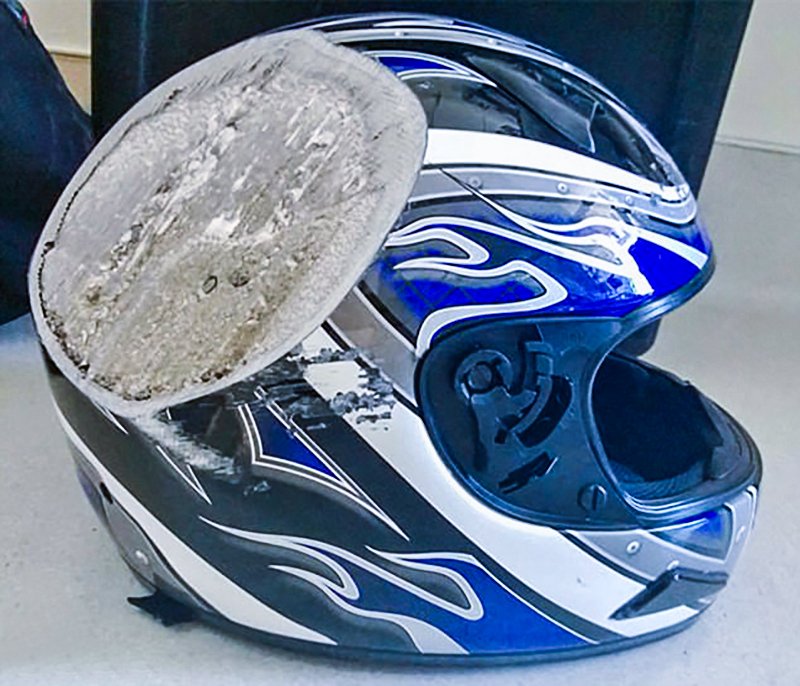
Bike helmets absorb and spread force. They use a hard shell and energy-absorbing foam inside. That foam compresses in a crash to reduce brain motion. Once that foam is crushed, it cannot spring back. This is why a helmet that has taken an impact may no longer protect you well.

When to replace bike helmet after crash: clear rules
Here are firm rules to follow when deciding when to replace bike helmet after crash.
- Replace the helmet right away if you hit your head. Even small impacts can damage foam.
- Replace the helmet if you see cracks, deep dents, or crushed foam.
- Replace the helmet after a moderate or severe crash, even if it looks fine.
- If the helmet moved significantly during a crash, replace it. Movement can mean hidden damage.
When to replace bike helmet after crash is not a gray area. Replace it after impact. Standards and manufacturers say the same. Save the guesswork. Get a new helmet.
Common quick questions
Can I reuse a helmet after a very minor fall?
No. If the helmet hit anything hard, replace it. Minor falls can still crush inner foam.
What if the helmet only scraped the paint?
Scratches on the shell matter less. But check the foam and fit. If you are unsure, replace the helmet.
Signs your helmet is compromised
Look for these clear signs when checking when to replace bike helmet after crash.
- Visible cracks in the outer shell or foam separation.
- Soft spots when you press the foam. Foam should feel uniform.
- Loose or broken straps, buckles, or liner pieces.
- A helmet that shifted during the crash or no longer fits snugly.
Even if none of these signs appear, consider age and impact history. Foam damage is often hidden. When to replace bike helmet after crash usually errs on the side of caution.

Inspecting your helmet step-by-step
Follow this short inspection to decide when to replace bike helmet after crash.
- Look at the shell for cracks or deep dents.
- Run your fingers along the foam edge for cracks or gaps.
- Press gently across the foam to feel for soft or crunchy areas.
- Check straps, buckles, and the retention system.
- Try the helmet on to confirm a tight, stable fit.
If any step raises doubts, replace the helmet. It takes minutes to check. A quick test can protect you for years.

Crash types and helmet damage
Different crashes create different risks for helmet damage and show when to replace bike helmet after crash.
- Low-speed slide on pavement: may only scuff the shell but can still crush foam.
- Direct blow to the head: high risk; replace immediately.
- Rotational impacts: likely to damage internal liners designed for angular force.
- Multiple small impacts over time: can weaken structure and require replacement even without a big crash.
Think of foam like an airbag. It works best once. After a deployment or crush, it no longer protects like new.

Buying a replacement and recycling tips
When you decide when to replace bike helmet after crash, choose a new helmet that fits well.
- Pick a helmet certified to local safety standards. Look for CPSC, EN 1078, or other labels.
- Try multiple sizes. A snug fit beats a bigger helmet every time.
- Replace a helmet every 3–5 years even without crashes, due to material aging.
- Recycle or repurpose your old helmet responsibly. Many programs accept used helmets for parts or art.
Budget for helmet replacement. A good helmet is a small price for brain protection.

Personal experience: lessons from the road
I once rode home with a cracked helmet after a fall. The shell looked okay. The foam was crushed near the temple. I replaced it that night. That choice felt right. I have fitted riders who tried to keep helmets after strikes. They later thanked me for insisting on a swap. My best tip: assume a helmet has been weakened after any impact. Replace it and ride with confidence.

Frequently Asked Questions of when to replace bike helmet after crash
How soon should I replace a helmet after a crash?
Replace it immediately after any crash that involved a hit to the head or a hard impact. Don’t wait to see problems.
Can a helmet be repaired after a crash?
No. Helmets are not repairable if the foam or shell is compromised. Repair kits cannot restore full protection.
What if my helmet shows only surface scratches?
Surface scratches may not mean foam damage. Still, inspect the foam and fit. Replace if you are unsure.
How often should I replace a helmet without a crash?
Replace every 3–5 years due to wear, sweat, and UV breakdown. Replace sooner if you notice wear or poor fit.
Are more expensive helmets less likely to need replacement?
Price does not change the need to replace after a crash. All helmets use crushable foam that must be replaced after impact.
Conclusion
Knowing when to replace bike helmet after crash is simple. Replace a helmet after any impact, visible damage, or if fit changes. Inspect often and buy a good replacement that fits well. Take action now: check your helmet, replace it if needed, and tell a friend to do the same. Share your thoughts or questions below and subscribe for more safety tips.
