
Should Bicycle Helmets Be Mandated: Safety Facts & Policy

Yes — mandating bicycle helmets reduces head injuries, but policy must be fair, evidence-based, and practical.
I write as a long-time cyclist, safety advocate, and content professional who has reviewed safety studies and helped run local helmet drives. In this article I clearly explore should bicycle helmets be mandated, weigh evidence and trade-offs, share real-world lessons, and give practical policy and rider advice so you can decide or advocate with confidence.
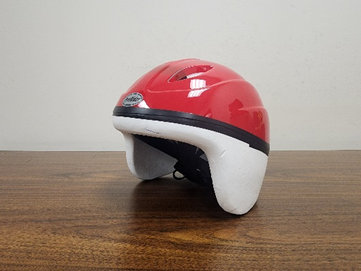
Why the debate matters: should bicycle helmets be mandated
The question of should bicycle helmets be mandated matters to public health, individual freedom, and urban design. Head injuries can be severe and costly. At the same time, laws can change behavior and affect who chooses to ride. I will cover the data, the trade-offs, and real-life policy paths to help readers understand the full picture.

What evidence shows about helmets: should bicycle helmets be mandated?
Helmets cut the risk of head injury in crashes. Multiple reviews show helmets reduce head, brain, and facial injury risk. The size of the effect varies by study, but reductions are consistent and meaningful.
Common evidence points:
- Helmets lower serious head injury risk by a substantial percentage in many studies.
- Some research finds fewer emergency visits after helmet laws are enacted.
- Other studies show mixed effects on overall cycling rates and minor shifts in crash patterns.
PAA-style question: Do helmet laws increase cycling safety?
Yes. Helmet laws reduce head injuries among riders who comply. Broader safety gains depend on enforcement, helmet access, and complementary measures like bike lanes.
PAA-style question: Do helmet laws reduce the number of people who ride?
They can, especially if laws are strict and no support exists for helmet access. This effect is larger where cycling culture and infrastructure are weak.
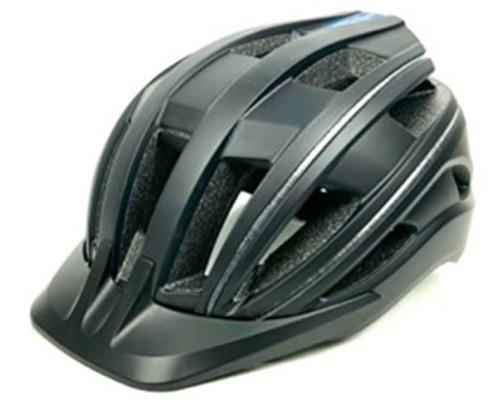
Arguments for mandating helmets: should bicycle helmets be mandated?
- Protecting vulnerable riders: Helmets directly reduce head injury risk for children and adults.
- Public health benefits: Fewer severe injuries reduce medical costs and emergency strain.
- Social responsibility: Laws can normalize safer behavior and protect those at higher risk.
- Cost savings: Reduced long-term disability and rehab can save public funds.
- Clear message: Helmets are a simple, visible safety standard for riders and caregivers.

Arguments against mandating helmets: should bicycle helmets be mandated?
- Freedom of choice: Critics argue adults should choose their own risk level.
- Possible drop in cycling: Laws may discourage everyday cycling and harm active transport goals.
- Equity concerns: Helmet costs and access hurt low-income riders unless offset by programs.
- Risk compensation debate: Some worry riders behave differently when helmeted, though evidence on this is mixed.
- Focus diversion: Laws alone don’t fix infrastructure gaps that cause most serious crashes.
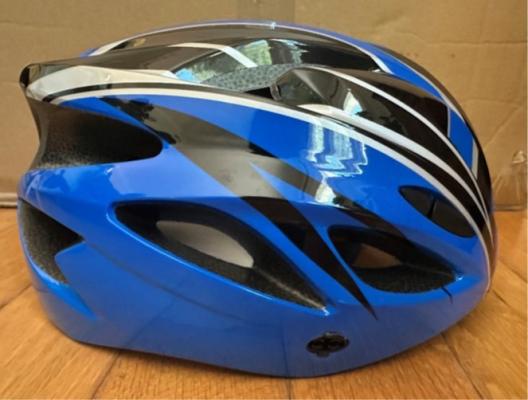
Policy design and real-world examples: should bicycle helmets be mandated?
Good laws vary. Many places use age-targeted laws that require helmets for children but not all adults. Others couple mandates with education and free helmet programs.
Policy elements that work:
- Target vulnerable groups first, like children.
- Pair laws with free or subsidized helmet distribution.
- Invest in public campaigns and fitting workshops.
- Build or improve infrastructure to reduce crash rates.
- Monitor outcomes and adjust based on data.
Real-world lessons:
- Strict, unenforced laws rarely achieve good results.
- Programs that bundle helmets with safe routes increase both safety and ridership.
- Data collection after a law helps refine policy and show impacts.

Equity, access, and unintended consequences: should bicycle helmets be mandated?
Equity must guide any mandate. Low-income riders, commuters, and those using bikes for work face barriers. Mandates without support can push riders off bikes and widen health gaps.
How to reduce harm:
- Provide free or low-cost helmets at schools and community centers.
- Offer rebates or mobile fitting clinics in underserved neighborhoods.
- Avoid heavy fines that disproportionately affect low-income people.
- Combine helmet initiatives with infrastructure improvements and education.
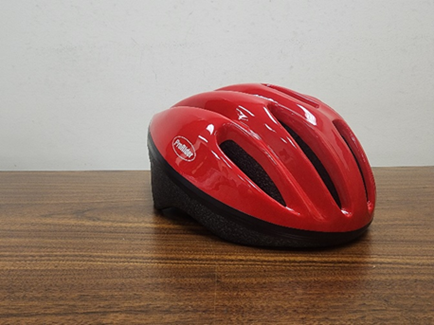
My experience and practical tips on should bicycle helmets be mandated
I have worked on a community helmet drive and taught helmet fitting at local schools. I saw how free helmets increase use quickly. I also learned this: law without access feels punitive.
Practical tips from experience:
- Teach proper fit: two fingers above eyebrows, snug strap, no large gaps.
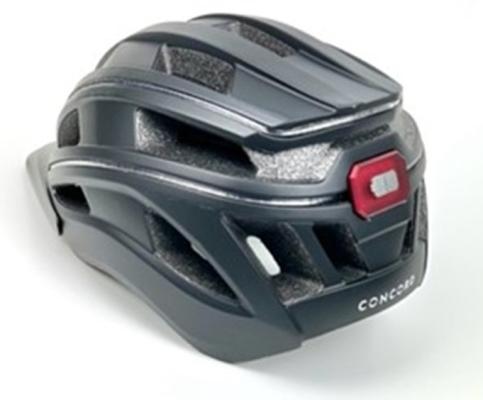
- Offer variety: lightweight, well-vented helmets increase comfort and use.
- Pair law with incentives: discounts, school programs, and workplace support help.

Recommendations for policymakers and riders on should bicycle helmets be mandated
For policymakers:
- Start with targeted mandates for children and riders in high-risk settings.
- Fund free helmet distribution and fitting services.
- Invest in safe cycling infrastructure to reduce crash exposure.
- Track injury and ridership data to evaluate effects.
For riders and advocates:
- Promote correct helmet fit and comfort to boost use.
- Support local programs that provide helmets to those in need.
- Advocate for balanced policies that protect safety and encourage cycling.
Frequently Asked Questions of should bicycle helmets be mandated
Will helmet laws save lives?
Yes. Helmet laws reduce head injuries among compliant riders. The full life-saving effect depends on compliance and quality of helmets.
Do helmet mandates reduce cycling rates?
They can, especially if helmets are costly or hard to get. Paired programs and good infrastructure reduce this risk.
Are helmets effective for serious crashes?
Helmets reduce the risk of head and brain injuries in many crash types. They are not a guarantee, but they improve outcomes.
Should laws apply to adults and children equally?
Many experts favor starting with children and other vulnerable groups. Adult mandates require careful planning to avoid discouraging cycling.
How can communities make mandates fair?
Provide free helmets, fitting clinics, and subsidies. Avoid heavy fines and monitor the policy’s local effects.
Do helmet laws replace the need for bike lanes?
No. Helmets help survivors of crashes. Safe infrastructure prevents many crashes in the first place.
Conclusion
The question of should bicycle helmets be mandated is not black and white. Helmets save lives and reduce head injuries, but laws must be paired with access, education, and improved infrastructure to avoid harming ridership and equity. Choose policies that protect the vulnerable, make helmets available, and build safer streets. If you care about rider safety, support balanced action: back helmet access programs, push for safe bike lanes, and start local conversations about practical rules. Share your thoughts below, subscribe for updates, or join a local helmet-fit event to make a direct impact.

