How To Clean Road Bike Helmet: Easy Cleaning Tips

Clean pads and shell with mild soap, lukewarm water, and air dry; sanitize when needed.
I have cleaned dozens of helmets over the years and know what works. This guide walks you through exactly how to clean road bike helmet safely and effectively. You will learn quick daily fixes, a reliable deep-clean routine, how to treat pads and straps, and tips to keep your helmet fresh without harming its safety. Read on for step-by-step instructions, real-life tips, and mistakes to avoid when you clean road bike helmet.
Why cleaning your helmet matters for safety and comfort
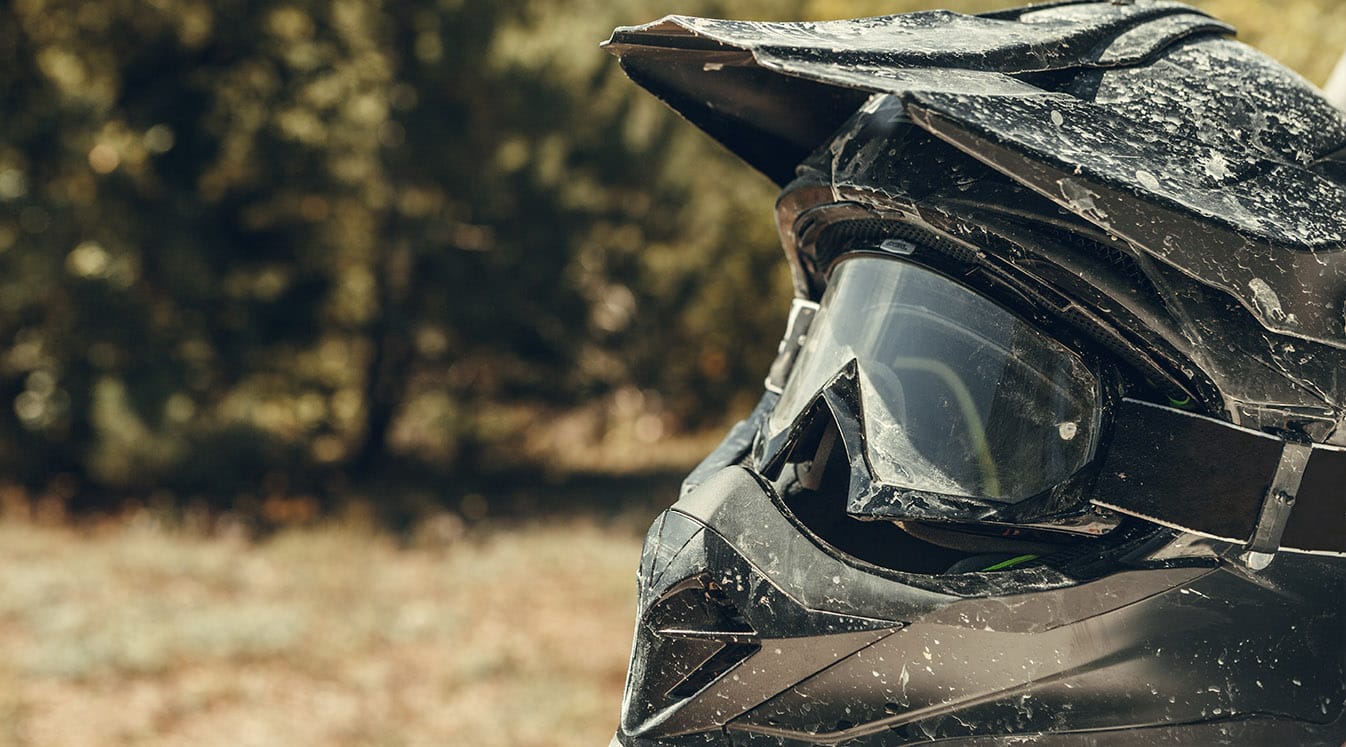
A clean helmet lasts longer and stays safe. Sweat and grime break down foam and liners over time. Dirt in vents lowers airflow and makes riding uncomfortable. I once ignored a smelly helmet until the pads started to peel. Regular care prevents that and keeps protection intact. Cleaning also removes bacteria and odors so your helmet stays fresh and ready.

What you need before you start
Keep the process simple. Use mild items that won’t damage foam or glue.
- Soft cloth or microfiber towel. Good for wiping shell and vents.
- Soft brush or old toothbrush. Helps reach vents and crevices.
- Mild liquid soap or bike-specific cleaner. Avoid strong detergents and bleach.
- Lukewarm water. Hot water can weaken adhesives and foam.
- Small bowl or basin. For removing pads or soaking straps.
- Optional: isopropyl alcohol or helmet-safe disinfectant. Use sparingly for stubborn germs.
I buy mild cleaner and a spare soft brush. That combo works for most helmets.

Step-by-step: Daily wipe and weekly deep clean
These routines keep your helmet fresh without risking damage.
-
Daily wipe
-
Rinse your hands and shake off loose dirt.
-
Wipe the shell with a damp cloth and mild soap if needed.
-
Wipe straps and exposed pads quickly and let air dry.
-
Weekly deep clean
-
Remove removable pads and liners per the manual.
-
Mix a few drops of mild soap in lukewarm water.
-
Soak pads for a few minutes, then gently squeeze and rinse.
-
Clean the shell and vents with a soft brush and soapy water.
-
Rinse thoroughly and let all parts air dry fully before reassembly.
In my garage I keep a small bin for helmet parts. It helps keep track of pads during cleaning. Follow your helmet maker’s manual for pad removal.
How to clean road bike helmet pads and liners
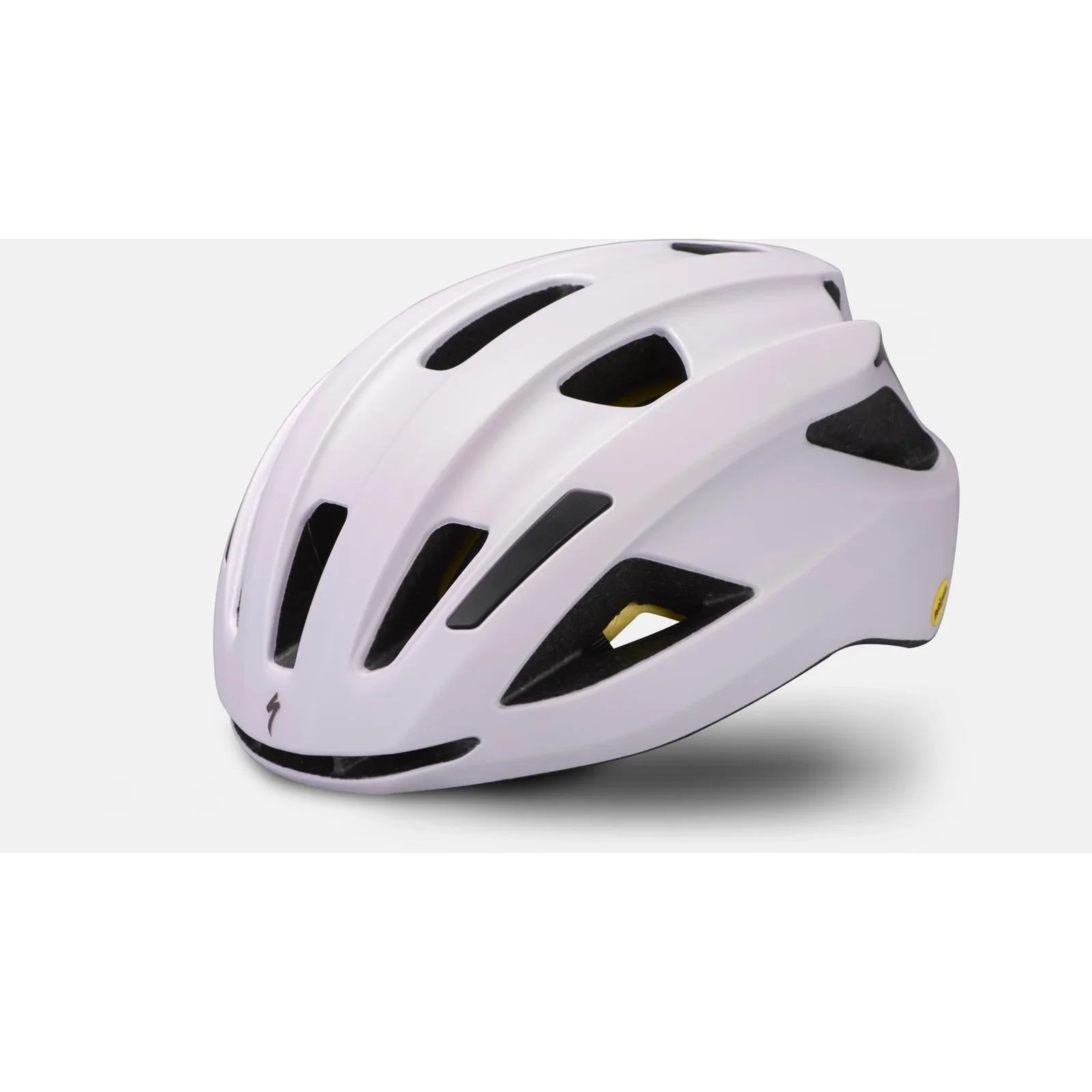
Pads trap sweat and bacteria. Clean them often to avoid odor and skin irritation.
- Remove pads carefully. Most pads use Velcro or snaps.
- Hand wash in lukewarm water with mild soap. Gently squeeze; do not wring.
- Rinse until water runs clear. Wring lightly then air dry on a flat surface.
- For non-removable liners, use a damp cloth and mild soap. Avoid soaking the whole helmet.
I learned the hard way not to machine-dry pads. Heat deforms foam and shortens life. Hand wash and air dry for best results.

Cleaning the hard shell, vents, and straps safely
The outer shell and straps need attention but no harsh treatment.
- Use a soft cloth or sponge with mild soap to clean the shell.
- Use a soft brush or toothbrush to clear vents and stick-figure crevices.
- Clean straps with soapy water and a cloth. Rinse well to remove soap residue.
- Never submerge the whole helmet in hot water. Excess water can reach the EPS foam and glue.
A gentle brush removed years of grime from my vents. It took minutes and made the helmet feel new again.

Deodorize and sanitize without damaging your helmet
Remove odor and microbes without harming foam or adhesives.
- Use diluted isopropyl alcohol (70%) on a cloth for light disinfection. Wipe, then let dry.
- Avoid bleach or strong disinfectants that damage EPS foam and liners.
- Baking soda sachets work as a mild deodorizer. Place one in the helmet when not in use.
- For stubborn odors, a short soak of removable pads in a water-vinegar mix (1 part vinegar to 3 parts water) can help. Rinse thoroughly afterward.
I avoid sprays that promise “deep sanitize.” Many have harsh chemicals. Stick to mild, proven methods.

Drying and storage best practices
Drying right prevents mold and keeps shape intact. How you store a helmet matters.
- Air dry at room temperature. Place on a towel with vents facing down.
- Do not use hair dryers, ovens, or direct sunlight for long periods.
- Store in a cool, dry place away from chemicals and heat sources.
- Use a mesh bag or shelf to protect the helmet but allow airflow.
After a rainy commute, I always towel-dry my helmet and leave it on a shelf. That avoids damp smells and keeps pads firm.

Maintenance schedule and practical tips
A simple routine keeps your helmet in top shape. Follow these to protect safety and comfort.
- After every ride: quick wipe of shell and straps. Remove visible dirt.
- Weekly: wash or clean removable pads and rinse the shell if sweaty.
- Monthly: inspect for dents, cracks, loose foam, or damaged straps.
- Replace helmet after a crash, or every 3–5 years, even without visible damage.
I check straps and buckles monthly. Small frays can grow into big problems. A small check prevents big risks.
Common mistakes to avoid when you clean road bike helmet
Avoid these errors to keep the helmet safe.
- Using strong cleaners or solvents. They break down foam and glue.
- Soaking the entire helmet in hot water. That can ruin adhesives.
- Putting pads in the dryer. Heat changes foam shape and comfort.
- Skipping inspections. Cracks and dents reduce protection.
- Ignoring the manufacturer’s care instructions. Follow them first.
I once used a strong degreaser on a helmet. The foam felt soft afterward. I stopped immediately and replaced the helmet. Lesson learned: gentle is best.
Frequently Asked Questions of how to clean road bike helmet
Can I wash my helmet in a washing machine?
No. Washing machines are too rough. They can damage the shell, foam, and glue.
How often should I deep clean my helmet?
Aim for a deep clean every 1–4 weeks, depending on sweat and ride frequency. Heavy use needs more frequent cleaning.
Will soap or detergent weaken my helmet?
Mild soap is safe. Strong detergents and bleach can weaken foam and adhesives.
Can I use disinfectant sprays on the helmet?
Use alcohol wipes or diluted solutions sparingly. Avoid harsh chemical sprays that target foam or liners.
When should I replace my helmet after a crash?
Replace it immediately after a crash that impacts the helmet. Even small cracks can mean failure in another crash.
Conclusion
Regular care keeps your helmet safe, comfortable, and odor-free. Use mild soap, lukewarm water, and gentle drying to preserve protection. Inspect parts often, clean pads regularly, and replace the helmet after any significant impact. Start a simple routine today and protect your head on every ride. If this guide helped, try the steps on your next clean and share your experience or questions below.