
How Should A Road Bike Helmet Fit: Perfect Fit Guide

A road bike helmet should sit level, low on the forehead, snug around the crown, with straps snug under the ears.
I’ve fitted hundreds of helmets for riders from beginners to racers, and I’ll walk you through exactly how should a road bike helmet fit so you feel safe, comfy, and fast. This guide covers measurements, step-by-step fitting, common mistakes, special cases, maintenance, and real tips from my rides and fittings. Read on to learn the clear, simple steps to get the perfect fit every time.

Why proper fit matters
A good fit keeps you safe. A helmet that fits correctly spreads impact forces and stays in place during a crash. If a helmet is loose it can fail to protect your head. If it is too tight it causes pain and distraction.
Proper fit also improves comfort on long rides. It prevents hot spots and reduces wind noise. For racers, a correct fit can help with aerodynamics and stability on the bike.
How to measure your head and choose a size
Start with a soft tape measure. Wrap it around your head about 1 inch above your eyebrows and over the largest part of the back of your skull. Note the measurement in centimeters or inches.
Compare that number to a helmet brand’s size chart. Sizes vary by brand, so always check the chart before you buy. If you are between sizes, try both. Sometimes a different model or liner can make the larger size fit well.
Tips for accuracy:
- Measure twice to be sure.
- Remove bulky hats or thick hair buns.
- Measure later in the day; head size can change slightly.
Key fit points to check
Knowing the fit cues makes fitting fast. Here are the main points to test every time.
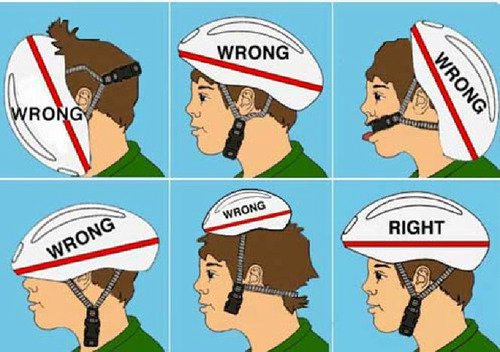
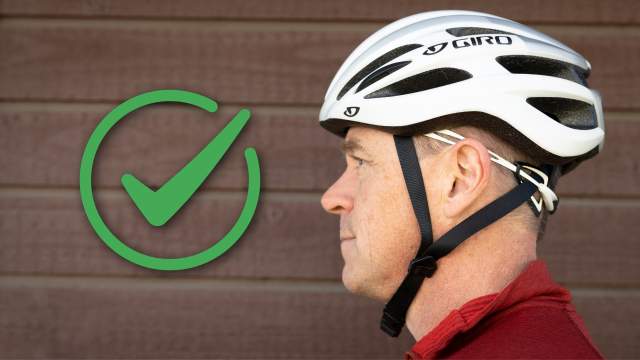
- Position: The helmet should sit level on your head and cover the top of your forehead. You should see the front edge about 1 to 2 finger-widths above your eyebrows. This answers how should a road bike helmet fit for forehead coverage.
- Snugness: The helmet should feel snug, not loose. It should not rock forward, back, or side to side. A properly snug fit keeps the shell in place during a crash.
- Retention system: Use the rear dial or fit system to fine-tune snugness around the crown. Turn it until the helmet feels secure. This is a major step in how should a road bike helmet fit.
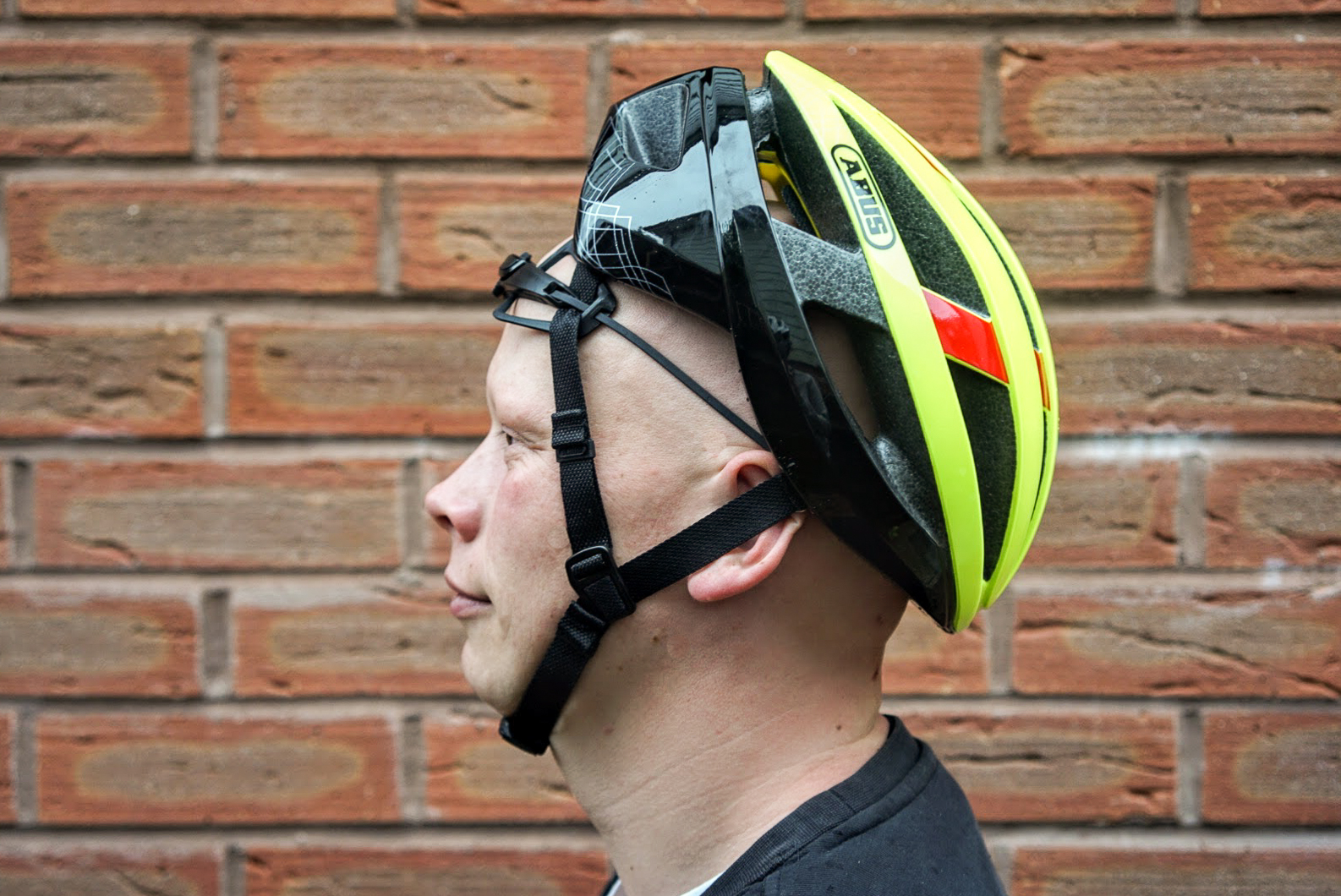
- Side straps: Form a Y shape just below your earlobes. Adjust the sliders so the Y sits comfortably under each ear.
- Chin strap: Buckle and tighten so you can fit one to two fingers between strap and chin. It should feel secure when you open your mouth wide.
- Shake test: Shake your head quickly. The helmet should stay put. If it moves, tighten or try a different size.

Step-by-step fitting guide
Follow these steps to make sure your helmet fits right now.
- Try the helmet on and let it sit. It should sit level and cover about an inch above your eyebrows. This is a key rule for how should a road bike helmet fit.
- Engage the retention dial and turn until the helmet hugs your head. Aim for comfort and no pressure points.
- Adjust side straps to form a tidy Y under each ear. The sliders should be just under the ear.
- Buckle the chin strap and tighten it so one to two fingers fit between strap and chin. Speak and breathe to check comfort.
- Perform the shake test. Move your head sharply forward and back and side to side. Helmet should not shift.
- Ride for 10 minutes and reassess. If you get hotspots or slipping, tweak the fit or try a different size.

Common fit mistakes and fixes
These common errors can undo good protection. Fixes are simple.
- Helmet tilted back
- Fix: Slide the helmet forward so it covers forehead. Aim for 1 to 2 finger-widths above eyebrows.
- Straps too loose or too tight
- Fix: Adjust the Y-sliders and chin strap. You want secure, not pinching.
- Helmet sits too high
- Fix: Use a smaller size or add thicker pads. Many helmets include pad kits.
- Helmet rocking side to side
- Fix: Tighten the retention system or switch sizes.
- Wearing it on a ponytail incorrectly
- Fix: Pull hair through the rear port if available, or use a low ponytail. Adjust retention to compensate.

Special considerations and situations
Different riders and seasons need small changes to the basic fit.
- Long hair and ponytails
- Low ponytails work best. High buns can lift the helmet. Use models with rear ports if needed.
- Glasses
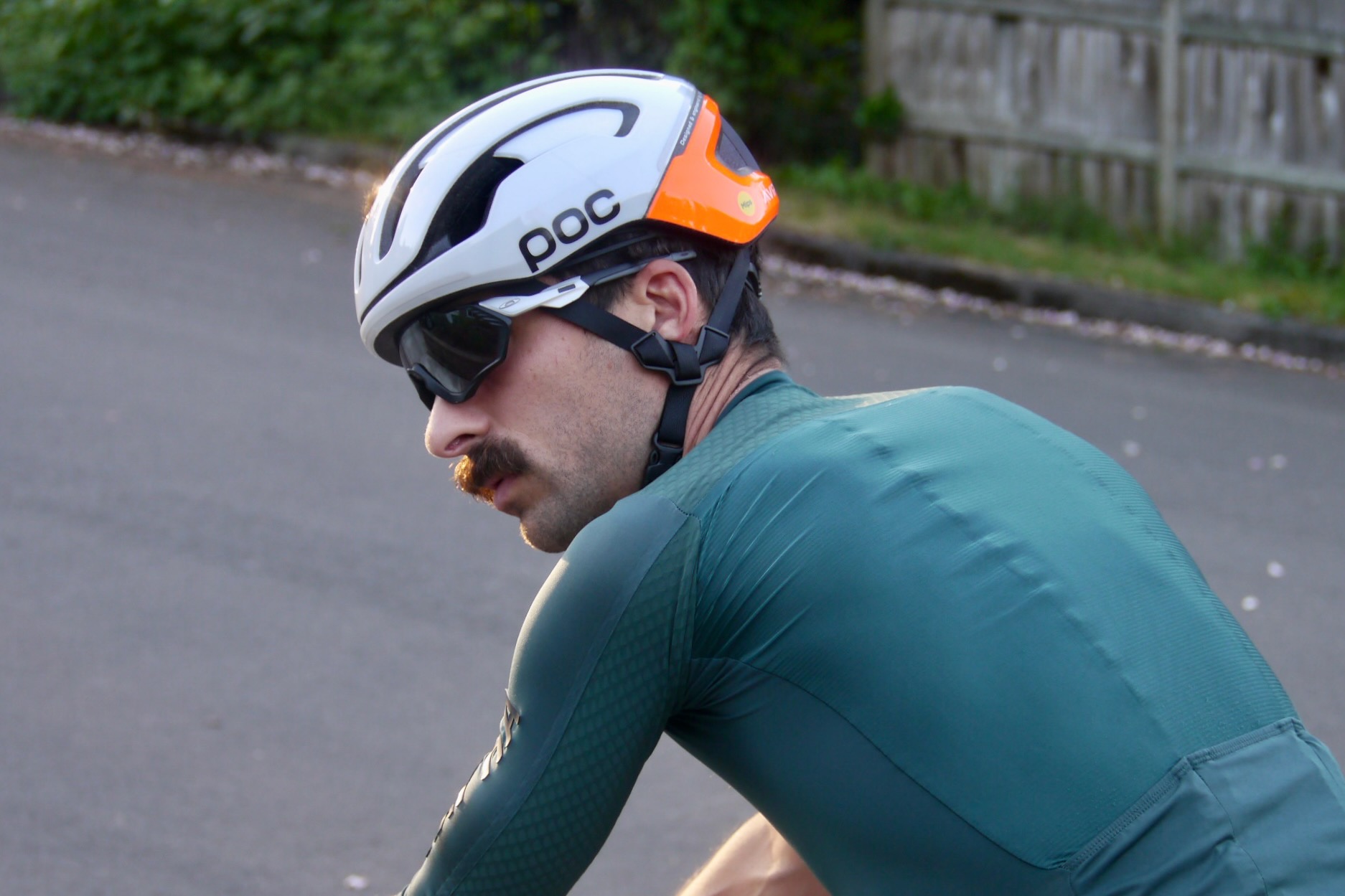
- Glass stems should slip under straps easily. Try the helmet with your glasses before buying.
- Kids
- Kids grow fast. Measure frequently and replace helmets every few years or after an impact. Fit is just as vital for kids.
- Aero helmets
- These sit lower and may feel snugger. Follow the same fit checks focused on level position and stability.
- Winter caps
- Thin liners are fine. Thick hats can make the helmet fit too tight. Choose a size to allow a thin liner.
When to replace and how to maintain your helmet
Helmets do not last forever. Replace a helmet after any significant crash. Also replace if the foam is cracked or the straps are frayed.
Age matters. Many makers advise replacing helmets every 3 to 5 years due to material degradation. Store your helmet out of sunlight and away from chemicals. Clean with mild soap and water. Avoid strong solvents.
Maintenance checklist:
- Inspect shell and foam for cracks.
- Check straps and buckles for wear.
- Make sure the retention system works smoothly.
- Replace padding if worn for comfort.

My hands-on tips and real-world experience
I learned fit lessons on long group rides and during bike fittings. Once, a racer complained of pressure on the temple. We swapped models and added thinner pads. Problem solved and performance improved. Small changes matter.
Here are practical tips I use:
- Carry a spare thin pad. It can fix a loose fit on the road.
- Try the helmet with your usual eyewear and cap. What works in the shop should work on the ride.
- If a helmet slips after 30 minutes, it’s the wrong model for your head shape. Try a different hanger shape.
These tips answer how should a road bike helmet fit in real life, not just on paper.
Frequently Asked Questions of how should a road bike helmet fit
How tight should a road bike helmet be?
A road bike helmet should be snug but not painful. Use the retention dial to close gaps and do the shake test to ensure it stays put.
Where should the helmet sit on my forehead?
It should sit about 1 to 2 finger-widths above your eyebrows. That covers your forehead while allowing clear vision.
How do I adjust the straps correctly?
Form a Y under each ear with the side straps and tighten the chin strap to fit one to two fingers under your chin. Check comfort while talking and breathing.
Can I wear a helmet with a ponytail?
Yes, but keep the ponytail low. High buns can lift the helmet and reduce protection. Use helmets with rear ports if possible.
How often should I replace my helmet?
Replace after any crash and consider replacing every 3 to 5 years. Replace sooner if you see cracks, dented foam, or worn straps.
What if my helmet rocks side to side?
Tighten the retention system and straps. If it still rocks, try a different size or a model with a different internal shape.
Conclusion
A well-fitting helmet is simple to achieve. Measure your head, choose the right size, position the helmet level, tighten the retention, and adjust the straps. Test with the shake test and ride a bit to confirm comfort. These steps show clearly how should a road bike helmet fit and help keep you safer and more comfortable on every ride.
Take action today: measure your head, try on a helmet, and set the fit using the steps above. Leave a comment with your fitting questions or subscribe for more ride-ready tips.

