
Why Do Road Bike Helmets Not Have Visors: Safety And Sight

Road bike helmets skip visors to protect sightlines, cut drag, improve airflow, and save weight.
I’ve spent years riding, testing helmets, and talking with designers and coaches. In this article I explain why do road bike helmets not have visors, the trade-offs designers accept, and what that means for you on the road. You’ll get clear, practical answers, safety context, and tips for choosing the right helmet or eyewear setup.
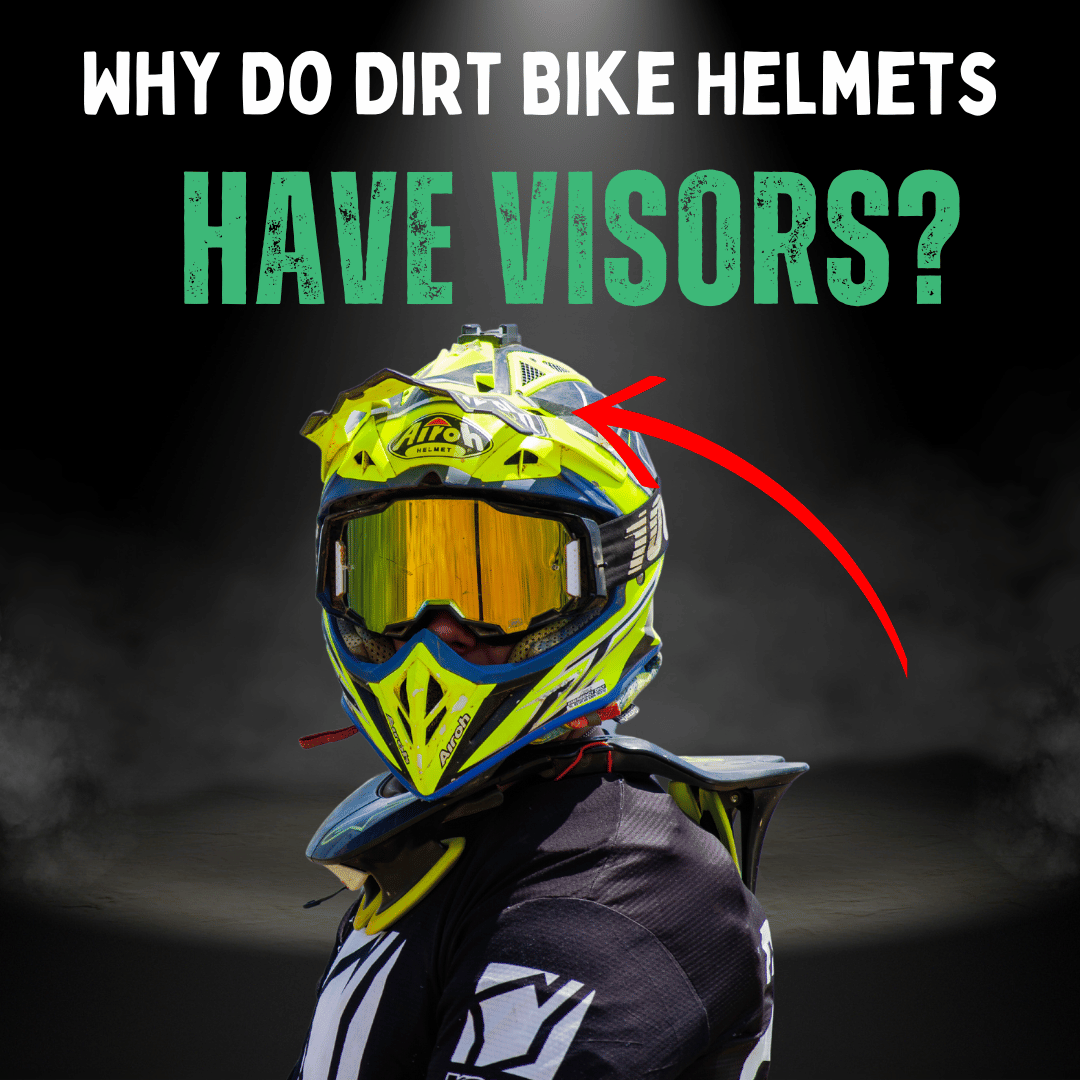
Why do road bike helmets not have visors?
Road cycling prizes speed, clear sightlines, and long rides. That drives helmet design. When people ask why do road bike helmets not have visors, the short technical answer is that visors interfere with aerodynamics, ventilation, and peripheral vision—three top priorities for road riders.
Designers remove visors to:
- Reduce aerodynamic drag and turbulence around the head.
- Improve airflow to cool the rider during sustained efforts.
- Keep the rider’s field of view wide and unobstructed.
- Lower weight and simplify the helmet shell for racing and endurance use.
Those priorities explain why most road helmets are bare-fronted even though visors help in sun, rain, or off-road settings. If you want protection from glare, the usual solution is performance sunglasses rather than a helmet visor.

Aerodynamics and speed considerations
Speed matters on the road. Even small changes in drag can cost watts and time. When you ask why do road bike helmets not have visors, aerodynamics is a top reason. A visor adds a flat or curved surface that can disturb airflow near the face and helmet.
Design notes:
- Smooth, tapered shells help air pass cleanly over the helmet.
- Visors create pockets of turbulence that increase drag.
- Pro teams and time trialists test helmet shapes in wind tunnels without visors to shave seconds.
For riders chasing speed gains or racing, the drag penalty of a visor is often unacceptable. That’s why many race and aero helmets are visor-free, or use integrated shields that are fully tested for aero performance.

Visibility, peripheral vision, and safety
Clear sightlines save lives. Asking why do road bike helmets not have visors often comes down to vision. Road riding needs broad peripheral awareness to track cars, pedestrians, and other riders. A visor narrows that field or causes distracting reflections.
- Visors can block downward or lateral sight, hurting close-range hazard detection.
- Rain and grit can smear a visor, reducing clarity unless you clean it constantly.
- Sunglasses or clear lenses offer better anti-glare performance without blocking peripheral view.
Helmet designers aim to keep your field of vision wide and unobstructed. That choice reduces crash risk in traffic and group rides.
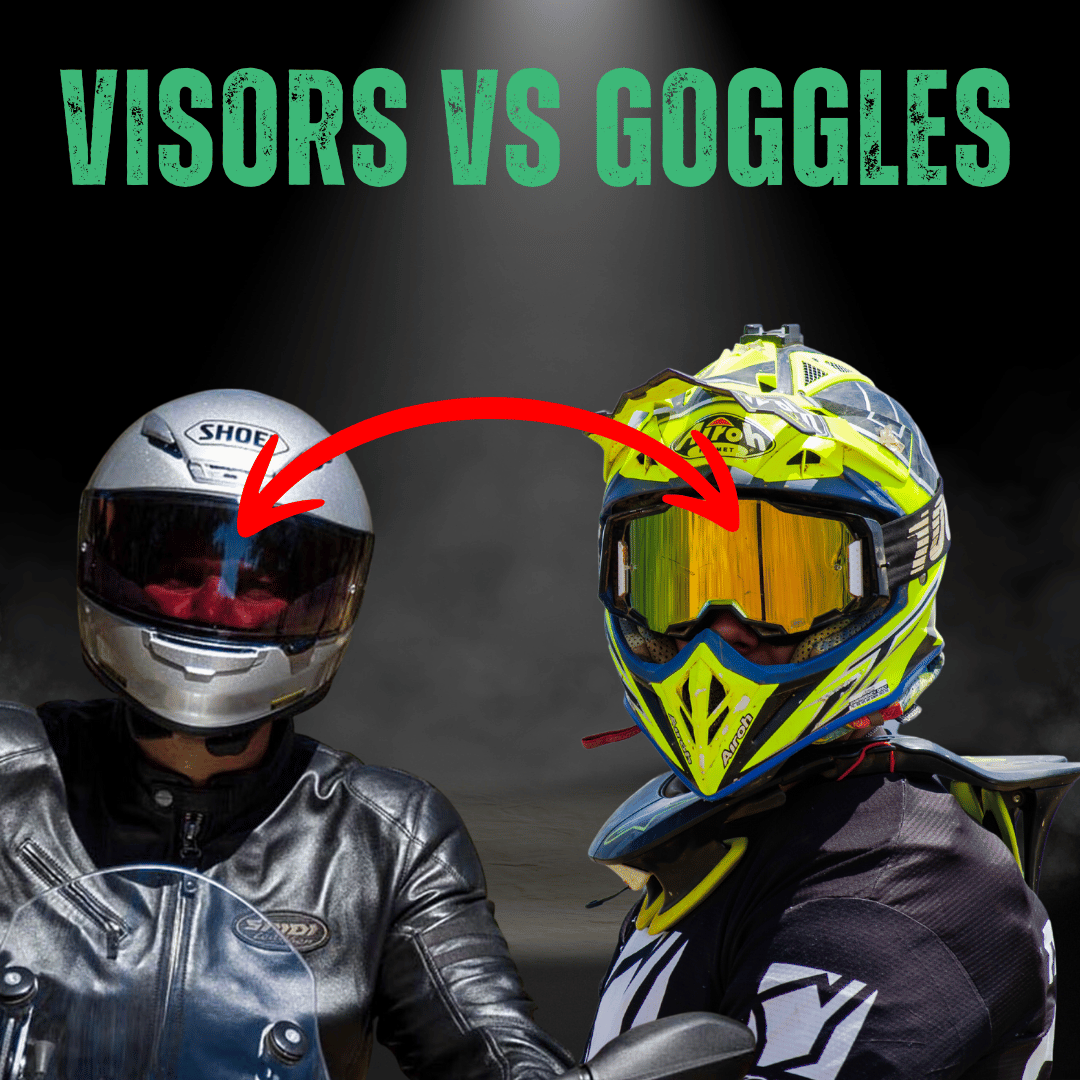
Ventilation, comfort, and thermal control
Long rides heat the body. Ventilation helps riders stay cool and focused. One reason people ask why do road bike helmets not have visors is that visors reduce airflow into large vent channels.
How vents help:
- Air enters front vents and moves through internal channels to cool your head.
- A visor can deflect that air and trap heat near the face and scalp.
- Less heat means better performance and comfort on long climbs and hot days.
For endurance and training, ventilation matters more than a little sun protection, so most road helmets keep the front open.

Visors, sunglasses, and shields—comparing options
If you want sun or rain protection, you have choices. That’s why many designers prefer helmet-free fronts with the expectation riders will use eyewear. When considering why do road bike helmets not have visors, compare options for different needs.
Common solutions:
- Sunglasses or interchangeable lenses for sun, glare, and debris.
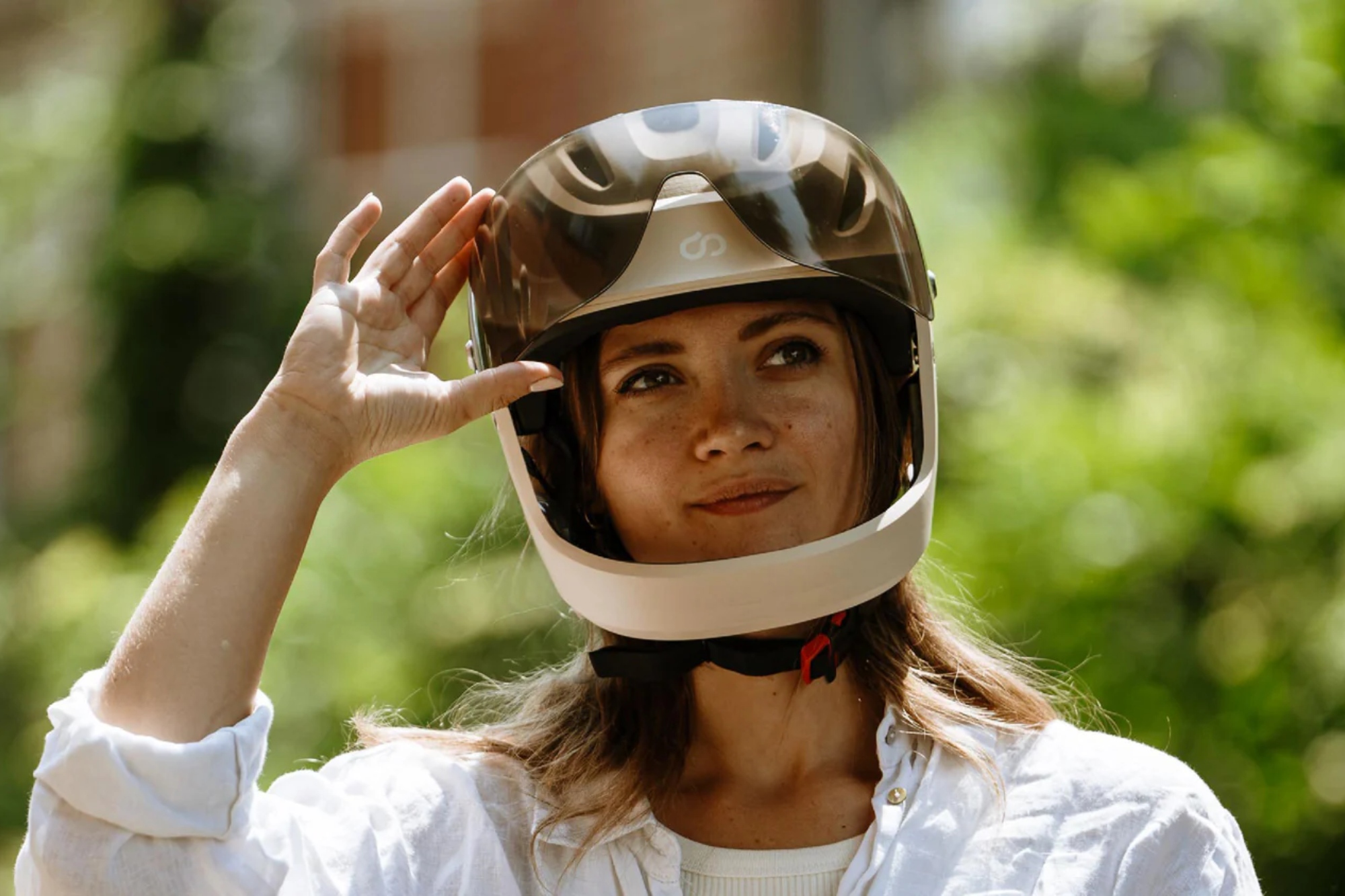
- Clip-on shields or integrated visors only on helmets designed and tested for aero and ventilation.
- Peak visors on gravel, commuter, or MTB helmets for sun and debris protection.
Sunglasses are light, easy to clean, and won’t change helmet aerodynamics. That solves many of the problems a visor might otherwise address.
Regulations, standards, and crash performance
Safety standards shape helmet design. Standards like CPSC, EN 1078, and others demand specific impact performance and testing. When people ask why do road bike helmets not have visors, note that adding a visor can change how a shell behaves in a crash.
Standards implications:
- Visors alter impact geometry near the brow and face.
- Manufacturers must re-test helmets with visors to meet standards.
- Many road helmet makers avoid the extra testing and weight by excluding visors.
This regulatory reality pushes manufacturers toward simpler shells that are easier to certify and lighter to produce.

Historical context and use-case differences
Helmet design follows use cases. Road helmets evolved from early, heavy shells to light, vented designs focused on speed and comfort. That evolution explains why do road bike helmets not have visors.
Context facts:
- Mountain biking and commuting needed visors for sun, branches, and mud, so those helmets kept peaks.
- Road racing required lighter, cooler, and aerodynamically cleaner helmets, so visors disappeared.
- Integrated visor designs exist but are mostly for time trial or urban helmets with different priorities.
Match the helmet to the ride. If your ride includes singletrack or heavy sun exposure, a different helmet type may be better.

Personal experience: lessons from rides and tests
I’ve ridden thousands of miles with and without visors. I’ve tested helmets on hot climbs, windy descents, and group rides. From that experience, here are practical takeaways about why do road bike helmets not have visors.
What I learned:
- On a 60-mile summer ride, a helmet without a visor felt noticeably cooler on long climbs.
- In a windy crit, a visor-free helmet felt more stable and less “flappy.”
- On a gravel day, a peak visor saved my eyes from dust; same helmet would be awkward for a road race.
If you mix disciplines, consider carrying an extra pair of lenses or use a helmet designed for your main riding style.
Practical buying tips and setup advice
If you’re deciding which helmet to buy, ask why do road bike helmets not have visors in relation to your goals. Here’s a short checklist to help.
Checklist:
- Prioritize aerodynamics and ventilation if you race or ride hard for long distances.
- Choose a helmet with compatibility for sunglasses or face shields if you need sun protection.
- Opt for a commuter or gravel helmet with a peak if you often ride in bright sun, dusty roads, or trails.
- Try helmets on with your usual glasses to ensure fit and sightlines.
A helmet should match how and where you ride, not just look cool.
People also ask (PAA-style questions)
Do visors on helmets increase safety?
Visors protect from sun and debris but can reduce peripheral vision and ventilation. For on-road cycling, sunglasses often provide better overall safety and visibility.
Can a visor change how a helmet protects in a crash?
Yes. Visors alter helmet geometry and impact points, which may affect how energy is absorbed and require re-certification.
Are there road helmets with removable visors?
A few helmets offer removable or integrated shields designed for aero testing. Most pure road race helmets do not include removable visors by default.
Frequently Asked Questions of why do road bike helmets not have visors
Why do road bike helmets not have visors if visors block sun?
Road designers prefer sunglasses because they block sun without harming airflow or peripheral sight. Visors also trap heat and change aerodynamics, so they are less suited to road needs.
Are visors illegal on road helmets?
Visors are not illegal, but adding them can change certified testing and might require a different certified helmet model. Manufacturers often avoid visors for that reason.
Can I add a visor to my road helmet?
You can sometimes attach aftermarket visors, but doing so may void certification and reduce performance in wind and venting. Check the maker’s guidance before modifying a helmet.
Do visors reduce helmet ventilation?
Yes. A visor blocks front vents and reduces airflow through internal channels, making the helmet feel hotter on long rides.
Should I choose sunglasses over a visor for road riding?
Yes. Sunglasses are lighter, clearer, and keep your peripheral vision and ventilation intact. They are the preferred choice for most road riders.
How do aero helmets handle visors?
Aero helmets sometimes use integrated shields that are wind-tunnel tested as a full system. These shields are different from simple visors and are designed to maintain aero and cooling performance.
Conclusion
Road helmets generally skip visors because riders and designers prioritize clear sightlines, low drag, good ventilation, and light weight. Understanding why do road bike helmets not have visors helps you pick the right gear for your rides. If you want sun or debris protection, choose sunglasses, an appropriate helmet type, or a helmet with a purpose-built shield.
Try a few combos on real rides. Test comfort, vision, and cooling. Share your impressions in the comments or subscribe for more gear guides and hands-on tips.

