
What Size Sunshade for Ford F150

Choosing the correct sunshade size for your Ford F150 is crucial for maximum interior protection and a perfect fit. The right size depends entirely on your truck’s specific cab configuration—Regular Cab, SuperCab, or SuperCrew—as each has a different windshield and rear window dimensions. While universal foldable shades offer a convenient, one-size-many solution, custom-fit shades provide the best coverage, security, and ease of use. Measuring your windshield yourself is the most reliable method to ensure compatibility before you buy.
Key Takeaways
- Your F150’s cab style dictates the sunshade size: Regular Cab, SuperCab, and SuperCrew models have different windshield and rear window dimensions, requiring specific sunshade sizes.
- Custom-fit shades are superior to universal ones: They offer complete coverage, stay securely in place, and are tailored to your truck’s exact glass shape without gaps.
- Always measure your windshield for certainty: Manufacturer specs can vary by year and trim. A simple tape measure gives you the exact width and height needed.
- Material matters for durability and heat rejection: Thicker, multi-layer nylon or polyester with a reflective coating provides the best UV protection and insulation.
- Installation is key to effectiveness: A properly installed sunshade, whether custom or universal, must be taut against the glass to block the most sun and heat.
- Consider a rear window shade for crew cabs: SuperCrew and some SuperCab models benefit greatly from a separate rear window shade to protect passengers and the rear cabin.
- Proper storage extends the life of your sunshade: Most foldable shades come with a storage bag; avoid creasing it tightly for long periods to maintain its shape and reflective coating.
📑 Table of Contents
- Why the Right Sunshade Size is Non-Negotiable for Your Ford F150
- Decoding Your Ford F150 Cab Configuration
- Universal vs. Custom-Fit Sunshades: The Great Debate
- Sizing Charts and Common Dimensions for Ford F150
- Top Features to Look for in Your F150 Sunshade
- Installation, Care, and Common Mistakes
- Our Top Recommendations and Final Thoughts
Why the Right Sunshade Size is Non-Negotiable for Your Ford F150
Let’s be real. Your Ford F150 is more than a truck; it’s a tool, a companion, and a significant investment. That massive windshield, while offering great visibility, is also a giant solar panel baking your dashboard, seats, and electronics every single day. We’ve all felt that steering wheel sear our palms after just a few minutes in the sun, or seen the dreaded cracks appearing on a vinyl dash. A sunshade isn’t just an accessory; it’s essential armor for your truck’s interior. But here’s the critical mistake many F150 owners make: grabbing any “one-size-fits-most” shade from the auto parts store and hoping for the best. That hope often leads to a poorly fitting shade that sags, leaves gaps, and fails at its one job. Getting the exact size sunshade for your Ford F150 is the difference between a cool, protected cabin and a wasted purchase. The fit depends directly on your truck’s cab configuration—the Regular Cab, SuperCab, or SuperCrew—each with unique window dimensions. Using the wrong size is like wearing a helmet that’s too small; it just won’t protect you properly.
The High Cost of Sun Damage on Your F150
Before we dive into sizes, understand what you’re fighting. Prolonged sun exposure causes irreversible damage. UV rays are the primary culprit, breaking down polymers in plastic dashboards, door panels, and center consoles. This leads to fading, embrittlement, and eventually, cracking. Heat exacerbates this. Temperatures inside a parked truck can easily exceed 140°F (60°C). This extreme heat can warp plastics, dry out leather seats, degrade electronic components (like your stereo or dash cam), and make cabin air unbearably hot. A properly sized sunshade acts as a thermal barrier, reflecting up to 99% of UV rays and significantly reducing interior temperatures. This protects your resale value, your comfort, and the longevity of your truck’s interior components. It’s a low-cost, high-impact preventive measure.
Decoding Your Ford F150 Cab Configuration
This is the foundational step. You cannot choose the right sunshade for a Ford F150 without knowing your cab type. Ford has used three primary configurations over the years, and the difference in glass area is substantial.
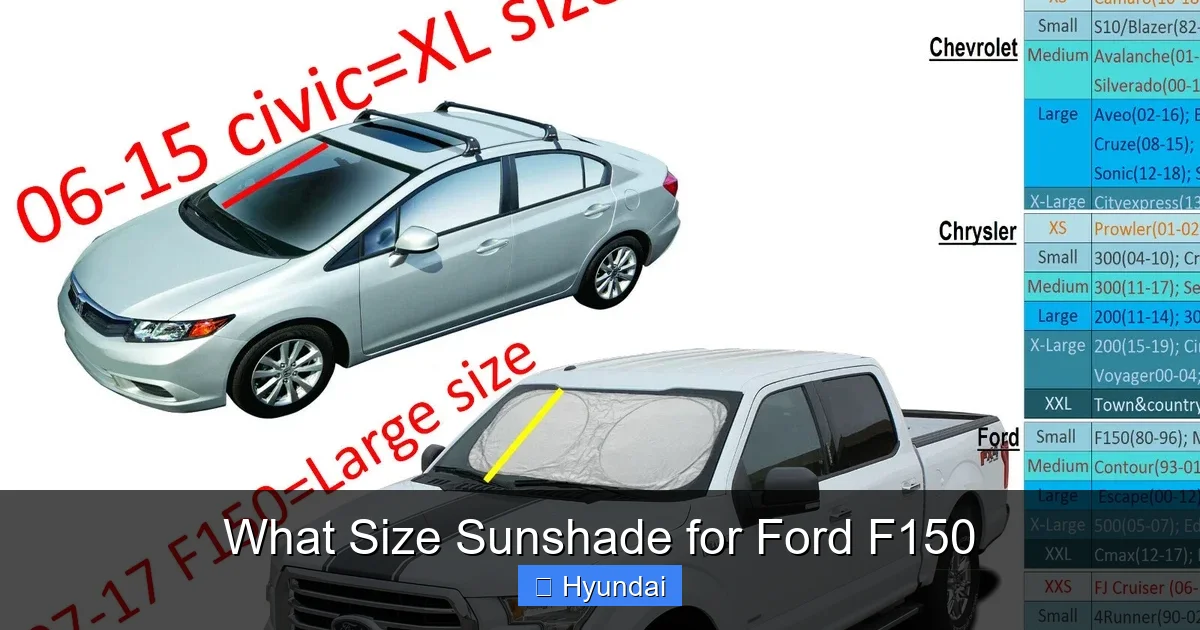
Visual guide about What Size Sunshade for Ford F150
Image source: i.ebayimg.com
- Regular Cab (2-door): This is the classic, no-frills work truck. It has a single row of seating and smaller rear side windows (or sometimes no rear windows at all). The windshield is standard, but the overall glass area is the smallest of the three.
- SuperCab (2+2 door, extended cab): This features small, forward-facing rear “jump” seats accessed by smaller rear doors. The side windows behind the front doors are significantly smaller than on a SuperCrew. The windshield is the same width as the Regular Cab, but the overall cabin length is longer.
- SuperCrew (4-door, crew cab): This is the full-size, family-friendly option with four full-sized doors and a spacious rear seating area. It has the largest side and rear windows of any F150 configuration. The windshield width is typically the same as the others, but the rear window is much larger, often requiring a separate rear shade.
Pro Tip: Your truck’s cab style is listed on the vehicle title, door jamb sticker, and sales literature. It’s also visually obvious by the number and size of doors. Always confirm your exact model year and cab style when shopping, as minor dimensional changes can occur between generations.
How to Measure Your F150’s Windshield Yourself
Even if you know your cab style, the safest bet is to measure. Manufacturing tolerances and year-to-year updates mean specs aren’t always identical. Here’s how to do it in 5 minutes:
- Park your truck on a level surface.
- Fully lower the windshield wipers. They can get in the way.
- Using a soft tape measure, measure the inside width of the windshield at its widest point, typically just below the rearview mirror mounting area. Measure from the inside edge of the seal on one side to the other. This is your width.
- Next, measure the inside height. Start from the bottom edge of the windshield (where it meets the dash) to the top edge of the glass (just below the headliner/roof). Take this measurement at the center of the glass.
- Write these numbers down (e.g., 59″ W x 27″ H). This is your target size for a custom-fit sunshade.
For the rear window (on SuperCrew and some SuperCab models), follow the same process. Measure the inside width and height of the rear glass.
Universal vs. Custom-Fit Sunshades: The Great Debate
Once you have your measurements, you’ll face two main paths: universal or custom. Each has its place, but for a premium truck like the F150, one is almost always the better choice.
Visual guide about What Size Sunshade for Ford F150
Image source: roadmomentum.com
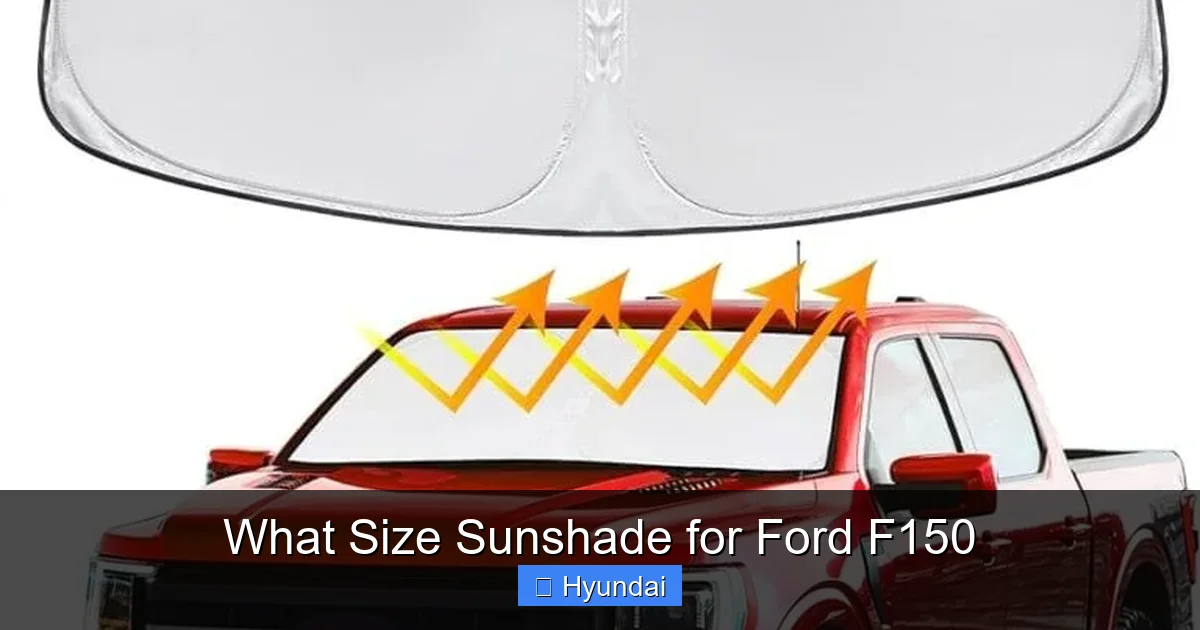
Universal Foldable Sunshades: The Quick-Fix Solution
These are the accordion-style shades made from a single piece of reflective material. They are designed to fit a “range” of vehicle sizes. For an F150, you’ll look for sizes labeled “Full Size Truck” or specific dimensions like “59×27.”
Pros: Inexpensive, widely available, easy to fold and store, and often work “well enough” on the windshield. Many have suction cups or small plastic tabs to help hold them.
Cons: The fit is almost always imperfect. They may be slightly too narrow, leaving gaps at the edges where sun pours in. They can sag in the middle, especially on larger windshields. The suction cups can fail in extreme heat or leave residue. They rarely cover the entire glass surface, defeating the purpose of maximum protection. For an F150’s large windshield, a “close enough” universal shade often means significant uncovered areas.
Custom-Fit Sunshades: The Precision Tool
These are manufactured specifically for your exact year, make, model, and cab style of F150. Brands like Covercraft, Intro-Tech, and Shade-It create patterns from factory specifications or 3D scanning. They are cut to the precise shape of your windshield and sometimes your rear window.
Pros: Perfect, gap-free coverage every single time. They install with a snug, tension-fit or use built-in straps that hook onto the window frames, making them theft-resistant and wind-proof. They lay completely flat against the glass, maximizing heat reflection. They often include a separate, perfectly sized rear window shade for crew cabs. They look integrated and professional.
Cons: More expensive than universal shades. They are bulkier to store (though many come with a carry bag). You must order the correct one for your specific truck.
Verdict: For the Ford F150, the investment in a custom-fit sunshade pays for itself in superior protection, convenience, and peace of mind. It’s the definitive answer to “what size sunshade for my Ford F150?”—it’s the one made for it.
Sizing Charts and Common Dimensions for Ford F150
To give you a concrete starting point, here are typical windshield dimensions for recent F150 generations. Remember: ALWAYS verify with your own measurement.
Visual guide about What Size Sunshade for Ford F150
Image source: m.media-amazon.com
Typical Windshield Sizes by Cab (2015-2024 Models)
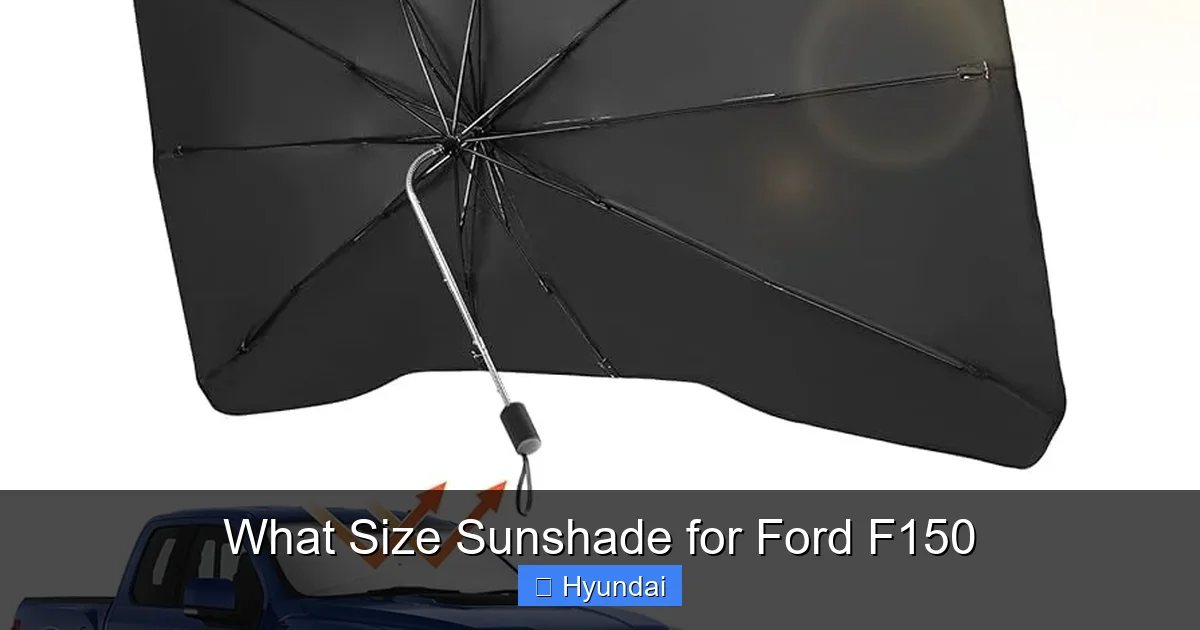
- Regular Cab & SuperCab: These often share the same windshield width. Approximate size: 59″ to 60″ Width x 26″ to 27″ Height.
- SuperCrew: The windshield width is typically the same as the other cabs (~59-60″), but the height is often identical. The critical difference is the rear window. A SuperCrew rear window is large, commonly around 49″ to 51″ Width x 20″ to 21″ Height.
Important Note on Raptor and Special Editions: Models like the Raptor may have different glass due to unique styling or suspension. Always check the manufacturer’s listing for compatibility with “Raptor” trim. When in doubt, measure.
What About the Rear Window?
This is a key consideration. If you have a SuperCrew, you have a large rear window that bakes your back seat and rear cargo area (if you have a short bed). A separate rear window sunshade is highly recommended. For SuperCab models, the rear side windows are small and often have their own small, fixed shades from the factory. A full rear window shade is usually not applicable or necessary. For Regular Cabs, there is no rear window to cover.
Top Features to Look for in Your F150 Sunshade
Beyond size, the material and construction determine performance and longevity.
Material Science: Reflective Coating and Layers
The best shades use a multi-layer construction. The outermost layer is a durable, flexible mesh or nylon. The critical layer is a vacuum-metalized (VM) coating—usually aluminum or silver—that reflects solar radiation. High-end shades use a thick, consistent VM coating for maximum reflectivity. Some add a third, dark layer to absorb residual heat. Look for shades that specify a “Solar Reflective” or “UV Blocking” coating with a high percentage (99%+). Thicker, heavier materials generally perform better but can be slightly harder to fold.
Installation Systems: Straps vs. Suction Cups
For a custom-fit shade, the installation is seamless. It simply presses into place and stays put thanks to precise cuts and sometimes small elastic straps that hook onto the top of the window frame or headliner. This is the gold standard. For universal shades, avoid those that rely solely on suction cups—they fail in heat. Look for models with small plastic “fingers” or tabs that tuck into the headliner/window seal gap, or better yet, a universal shade that uses straps that run across the dashboard and hook onto the door cards or seats (though these can be cumbersome).
Storage and Portability
Even custom shades need to be stored when not in use (e.g., winter, cloudy days). Most come with a nylon storage bag with a drawstring. Some higher-end custom shades roll up instead of folding, which can prevent creases in the reflective coating over time. Consider where you’ll store it—under a seat, in the glovebox, or in the bed.
Installation, Care, and Common Mistakes
You’ve got the right size. Now, make sure you use it correctly.
Step-by-Step Installation for a Perfect Fit
For a custom-fit shade: Simply unfold it. Align the top edge with the top of the windshield glass, just below the headliner. The shade should naturally contour to the glass. Gently press it into place, ensuring it’s seated against the glass from top to bottom and side to side. The tension from the precise cut will hold it. If it has straps, attach them as directed to secure it against wind. For a universal shade: Unfold and position it as centrally as possible. Use any provided suction cups (wet them first for better grip) or tabs to anchor the top. Smooth it downwards, eliminating any major wrinkles or air pockets.
Care and Maintenance for Longevity
Your sunshade needs love too. Every few weeks, wipe down the reflective side with a soft, damp microfiber cloth and mild soapy water to remove dust and pollen that can scratch the coating. Avoid abrasive cleaners, solvents, or ammonia-based glass cleaners. When storing, fold it loosely along its existing creases or roll it. Do not cram it into a tight space or place heavy items on top of it, as this can crease and damage the reflective layer.
The Top 3 Mistakes F150 Owners Make
- Not Measuring: Assuming your 2020 SuperCab uses the same shade as a 2018. Don’t assume. Measure.
- Ignoring the Rear Window: SuperCrew owners who only buy a windshield shade are leaving half their cabin unprotected. The rear gets just as hot.
- Poor Storage: Throwing the shade in the bed or under a pile of tools leads to tears, creases, and a degraded reflective surface, rendering it ineffective.
Our Top Recommendations and Final Thoughts
So, what’s the final answer? For the best results, purchase a custom-fit sunshade from a reputable brand like Covercraft or Intro-Tech specifically designed for your Ford F150’s year, cab style, and trim. It will list the exact dimensions and fitment. This is a “buy once, cry once” scenario. The initial cost is higher, but the perfect fit, superior protection, and durability make it the smart choice for a truck owner who values their vehicle.
Think of it this way: you wouldn’t put generic, ill-fitting tires on your F150. Why compromise on protecting the rest of it? A properly sized sunshade is one of the simplest, most effective upgrades you can make. It takes 10 seconds to install, provides instant relief from the heat, and silently works year-round to preserve the value and comfort of your truck. Take the time to measure or verify your cab style, invest in a quality custom-fit shade, and enjoy a cooler, more protected F150 every time you get behind the wheel. Your dashboard, your seats, and your future self will thank you. While you’re upgrading your F150’s comfort, don’t forget to check out our guide on the best batteries for Ford F150 to ensure your electrical system is as reliable as your sun protection. A healthy battery is just as important for a worry-free driving experience.
Frequently Asked Questions
Will a sunshade scratch my Ford F150’s windshield or tint?
No, a properly installed sunshade will not scratch your glass. The shade rests against the glass, not the window seals. However, always ensure the glass and shade are clean before installation to prevent grit from causing scratches. Custom-fit shades are designed to sit flush without abrasive contact points.
Can I use a sunshade on a Ford F150 with a front grille guard or bull bar?
Yes, but it depends on the guard’s design. A large, obstructive grille guard may interfere with the installation of some universal shades that use dashboard straps. A custom-fit shade that installs solely via tension-fit against the glass is usually unaffected by front-end accessories.
How do I clean my sunshade if it gets dusty or dirty?
Gently wipe the reflective surface with a soft microfiber cloth dampened with cool water and a tiny drop of mild dish soap. Rinse with a clean, damp cloth and air dry completely before folding and storing. Never use harsh chemicals, ammonia, or abrasive scrubbers.
Is a sunshade necessary in the winter or cloudy climates?
Absolutely. UV rays are present year-round, even on cloudy days. They will still degrade your interior plastics and dashboard over time. A sunshade provides constant UV protection regardless of temperature or cloud cover. It also helps prevent frost buildup on the inside of the windshield in very cold, humid conditions by creating a slight thermal barrier.
My Ford F150 has a sliding rear window. Can I still use a rear sunshade?
For SuperCrew models with a sliding rear window, a custom-fit rear shade is still the best solution. It is designed to accommodate the window’s track and can be installed with the window either open or closed. Ensure the product description specifically mentions compatibility with a sliding rear window.
What’s the difference between a sunshade and a windshield cover?
A sunshade (the focus of this article) is an interior device that sits against the inside of your windshield. Its primary job is to block UV rays and reduce heat. A windshield cover is an exterior cover that goes over the entire outside of the windshield and often the front of the truck. Its main jobs are to protect against snow/ice accumulation, frost, and severe weather, though it also provides sun protection. For daily UV and heat protection, an interior sunshade is more convenient and effective.
