
How Do You Release the Park Brake on a Toyota Forklift

Releasing the park brake on a Toyota forklift is a straightforward but critical safety procedure. It typically involves locating the park brake lever or pedal, ensuring the forklift is in neutral, and disengaging the brake mechanism. Always consult your specific model’s manual first, as designs vary. Proper release prevents drivetrain damage and ensures safe operation.
Key Takeaways
- Safety First: Always park on level ground, set the mast low, and turn off the engine before attempting any brake work.
- Know Your Model: Toyota forklifts use different park brake systems (lever, pedal, or electronic). Identify yours by checking the operator’s compartment.
- Neutral is Non-Negotiable: The transmission must be in neutral for the park brake to disengage on almost all manual and hydrostatic models.
- Listen and Feel: A proper release is often accompanied by a distinct click or a feeling of the brake releasing its hold on the drive wheel.
- If Stuck, Don’t Force: A brake that won’t release indicates a mechanical or hydraulic problem. Forcing it can cause severe damage.
- Post-Release Check: After releasing, gently test the brake pedal to ensure the service brakes are functional before moving.
- Manual is Your Bible: Your Toyota forklift’s operator manual contains the definitive, model-specific procedure and safety warnings.
📑 Table of Contents
- Understanding Your Toyota Forklift’s Parking Brake System
- Step-by-Step: Releasing the Standard Mechanical Park Brake
- Releasing the Spring-Apply, Hydraulic-Release (SAHR) Park Brake
- Troubleshooting: What If the Park Brake Won’t Release?
- Importance of Proper Procedure & Common Mistakes
- Routine Maintenance to Prevent Sticking
- Conclusion: Safety, Knowledge, and Professional Help
Understanding Your Toyota Forklift’s Parking Brake System
Before you can release the park brake, you need to understand what it is and why it’s there. The parking brake, often called the hand brake or emergency brake, is a secondary braking system designed to hold the forklift securely in place when parked. It’s mechanically operated, meaning it uses cables, rods, or a mechanical linkage to apply the brakes, independent of your main hydraulic foot brake. This is crucial for safety; if the hydraulic system fails, the park brake can stop the forklift. On Toyota forklifts, this system is robust but simple. It typically acts directly on the drive wheel or the transmission output shaft. Knowing this helps you understand that releasing it is about physically disengaging that mechanical connection. If you’re ever unsure about the layout, taking a moment to review your manual’s diagrams is time well spent. For general automotive brake system knowledge, resources on resetting brake lights on vehicles like a Honda Civic can illustrate the principles of brake warning systems, though forklift specifics always take precedence.
The Two Primary Types on Toyota Forklifts
While Toyota has used various designs over the years, you’ll primarily encounter two types in their internal combustion and electric counterbalance trucks:
- Mechanical Lever/Pedal System: This is the most common. A lever located near the operator’s left side (for sit-down models) or a pedal on the floor is connected via a mechanical linkage to the brake mechanism. Pulling the lever up or pressing and releasing the pedal engages it. To release, you push the lever down or press the pedal down firmly.
- Spring-Apply, Hydraulic-Release (SAHR) System: More common on newer models and some electric trucks. This system uses powerful springs to apply the brake. Hydraulic pressure from the forklift’s system holds the springs back, keeping the brake released. When you activate the park brake switch/lever, it vents hydraulic pressure, allowing the springs to clamp the brake. To release, you simply move the switch/lever back, and hydraulic pressure automatically re-engages to hold the springs off. There is no “manual” override; it’s hydraulic.
Identifying which system you have is the first step. Look for a hand lever beside the seat or a small pedal to the left of the main brake pedal. If you see a switch or a small lever on the dash or console labeled with a “P” or a parking brake symbol, you likely have the SAHR system.
Step-by-Step: Releasing the Standard Mechanical Park Brake
Let’s walk through the most common procedure for the traditional mechanical lever system. This applies to many Toyota 8-series, 7-series, and older models with internal combustion engines. The core principle is always the same: disengage the mechanical lock.
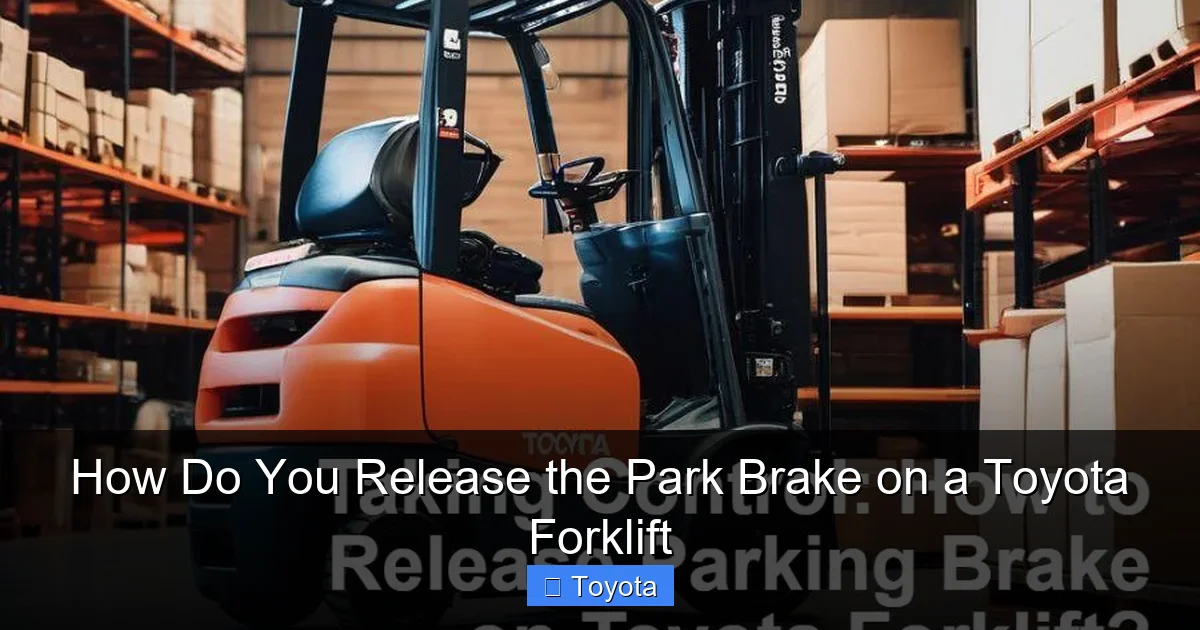
Visual guide about How Do You Release the Park Brake on a Toyota Forklift
Image source: images.bobbypark.com
Pre-Release Safety Checklist
Never rush this. Your safety and the forklift’s integrity depend on it.
- Position the Forklift: Drive or steer the forklift to a level, solid surface. Avoid slopes. If you’re already stuck with the brake engaged on a slope, this is a problem requiring professional help.
- Set the Mast: Lower the mast and forks completely to the ground. This prevents a catastrophic tip-over if the forklift were to move unexpectedly.
- Transmission in Neutral: This is the most critical step. Move the transmission control lever (for manual transmissions) or the direction lever (for hydrostatic models) to the neutral position. If the transmission is in gear (forward or reverse), the park brake will not release. The mechanism is designed this way as a safety interlock.
- Engine Off: Turn the ignition key to the OFF position and remove it. This eliminates any risk of accidental throttle input.
- Chock Wheels: Place wheel chocks in front of and behind the drive wheels (the non-steering wheels). This is a final safety net.
The Release Procedure
Now, with the safety steps complete:
- Locate the Lever: Sit in the operator’s seat. The park brake lever is typically on the left side of the seat, mounted on the frame. It’s usually a sturdy metal arm with a rubber grip.
- Check Engagement: The lever will be in the “up” or “locked” position. You may feel tension if you try to move it.
- Disengage: Firmly push the lever down and forward (or simply down, depending on the model) until it clicks into the “down” or “released” position. You should hear and feel a distinct mechanical click as the pawl or lock disengages from the ratchet or brake arm.
- Verify Release: Gently try to rock the forklift back and forth by pushing on the frame. You should feel a small amount of movement. There should be no dragging or binding sensation.
If the lever is stiff or won’t move, do not use excessive force. The system could be corroded, or the brake shoes may be frozen. Forcing it can break the lever or components. In this case, see the troubleshooting section below.
Releasing the Spring-Apply, Hydraulic-Release (SAHR) Park Brake
This system is becoming the standard on newer Toyota trucks, especially electric and some diesel models. It’s simpler for the operator but can be confusing if you expect a mechanical lever.
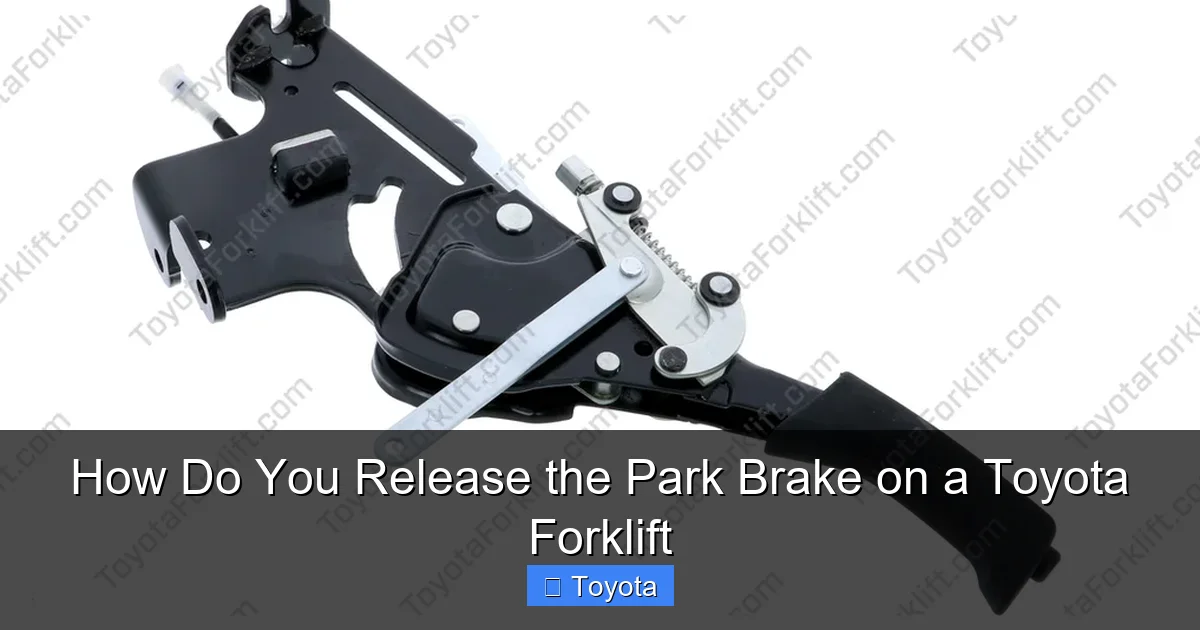
Visual guide about How Do You Release the Park Brake on a Toyota Forklift
Image source: d2vppzocvtms05.cloudfront.net
How It Works & The “Release” Action
In an SAHR system, the brake is always applied by springs when there is no hydraulic pressure. When you start the forklift, the hydraulic pump builds pressure, which automatically compresses the springs and releases the brake. This is why you often feel the brake release as soon as you start the engine. The park brake control (a switch or small lever) simply vents the hydraulic pressure to that brake circuit, allowing the springs to apply it. Therefore, “releasing” it is as simple as:
- Ensure Neutral: As with all systems, the transmission must be in neutral.
- Start the Engine: Turn the key to the ON position and start the engine (or turn the key to ON for an electric truck). You should immediately hear a slight hiss or whir as the hydraulic system builds pressure and disengages the park brake springs. On many models, a brake warning light on the dash will go out.
- Use the Control: If the brake is still engaged after startup, locate the park brake control. It might be a red-handled switch on the dash or a small lever near the steering column. Move it to the “OFF” or “Release” position. This simply tells the hydraulic valve to pressurize the brake release chamber.
- Listen and Confirm: You should hear a definitive clunk or a hydraulic sound as the brake releases. The forklift will now be free to roll (in neutral).
If starting the engine does not release the brake, you have a serious hydraulic issue—likely a failed pump, a major leak, or a stuck valve. This requires immediate professional service. For context on troubleshooting brake warning lights in other vehicles, guides like resetting a Dodge Ram 1500 brake light deal with electrical sensors, which is a different problem than a mechanical/hydraulic failure on a forklift.
Troubleshooting: What If the Park Brake Won’t Release?
This is a common and frustrating issue. A park brake that is stuck engaged is a “no-go” problem. Here is a systematic approach to diagnosis.
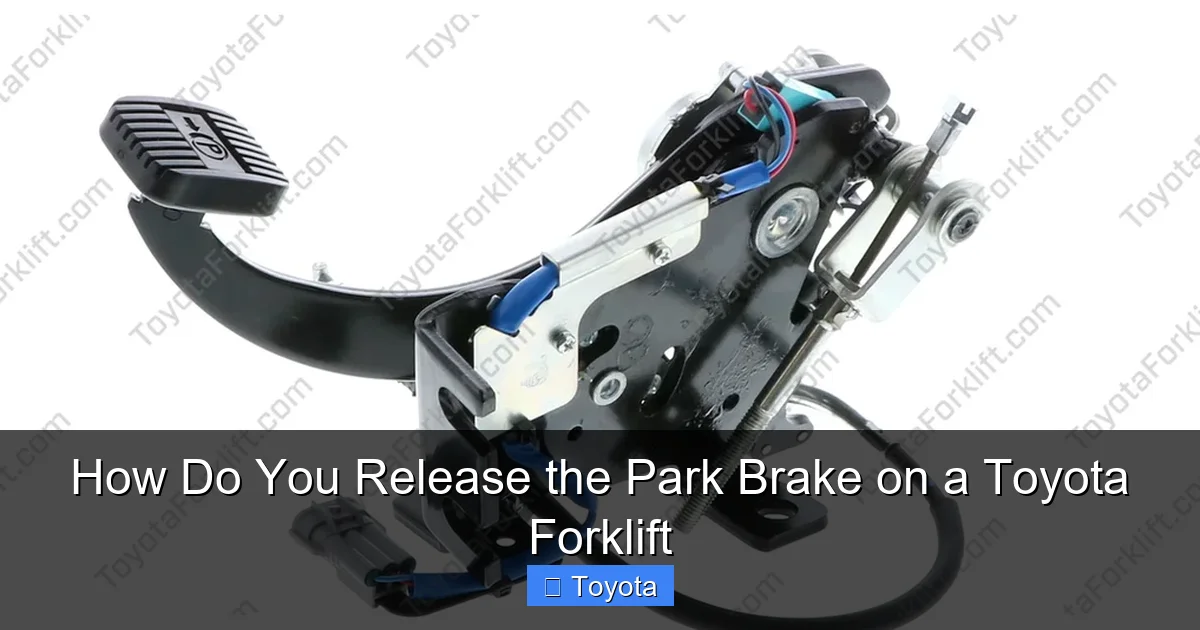
Visual guide about How Do You Release the Park Brake on a Toyota Forklift
Image source: d2vppzocvtms05.cloudfront.net
For Mechanical Lever Systems
- Check the Transmission: Is it truly in neutral? Try wiggling the lever back and forth. Sometimes neutral is a very precise detent.
- Lubricate the Linkage: Over time, the mechanical cables or rods can corrode and seize. Locate the linkage points (often visible under the seat or near the brake assembly). Apply a penetrating oil like WD-40 to the moving parts and pivot points. Let it soak, then try operating the lever again.
- Inspect for Binding: Look for a visibly bent or kinked cable/rod. A binding linkage will prevent full travel.
- Manual Override (If Available): Some older Toyota models have a manual release mechanism, often a slot or hole near the brake assembly on the drive wheel housing. Consult your manual. You may need a special tool or a large screwdriver to manually push the brake arm away. This is a temporary measure to move the truck to a safe location for repair.
For SAHR Systems
- Hydraulic Pressure: Is the engine running? Is the hydraulic oil level correct? Low oil will prevent pressure build-up. Check the dipstick.
- Electrical Control: Is the park brake switch faulty? Listen for the solenoid/valve click when you operate the switch. No click indicates an electrical or solenoid problem.
- Internal Failure: If the hydraulic system is pressurized but the brake doesn’t release, the internal piston or seals in the brake unit may be frozen or failed. This requires complete brake disassembly and rebuild or replacement.
Golden Rule: If basic checks (neutral, oil level, lever position) don’t solve it, stop. Do not try to drag or push the forklift with the brake engaged. You will destroy the brake shoes/drums, damage the drive tire, and potentially overheat the transmission. The correct fix is to call a qualified Toyota forklift technician. They have the tools and knowledge to safely release it and diagnose the root cause.
Importance of Proper Procedure & Common Mistakes
Why all this fuss? Because improper release can lead to costly damage and dangerous situations.
The Cost of Forcing a Stuck Brake
Imagine you have a frozen mechanical park brake. You decide to put the forklift in gear and gently try to move, hoping to “pop” it free. What happens? The brake shoes are welded to the drum by corrosion. The drive tire is forced to drag this massive shoe across the drum. The results are almost guaranteed:
- Destroyed brake shoes and scored brake drum (expensive parts).
- Severely overheated and potentially ruined drive tire.
- Stressed transmission gears, especially if you’re in a high gear.
- Potential for the cable or linkage to snap, creating a permanently disengaged (and useless) park brake.
The cost of a professional call-out is always less than the cost of repairing this chain reaction of damage. Patience and correct diagnosis save thousands.
Mistake: Forgetting Neutral
This is the #1 user error. You’re pulling the lever with all your might, and it won’t budge. The reason is almost always that the transmission is in gear. The interlock is designed this way to prevent you from accidentally releasing the park brake while in gear, which could cause the forklift to lurch forward. Always, always, always confirm the neutral position before attempting release.
Routine Maintenance to Prevent Sticking
An ounce of prevention is worth a pound of cure. A park brake that is used and maintained properly should never get stuck.
Monthly & Annual Tasks
- Operate It Regularly: Even if you park in the same spot all day, engage and disengage the park brake at least once per shift. This keeps the mechanism moving and prevents corrosion from setting in.
- Lubricate: As part of your pre-operation inspection, visually check the linkage (for mechanical systems). Apply a light coat of general-purpose grease to pivot points and a penetrating oil to cable ends every few months in harsh environments.
- Adjustment: Over time, brake shoes wear, and the park brake lever travel can increase. Your manual will specify the adjustment procedure and interval (often annually). This involves tightening the cable or rod to take up slack so the brake holds firmly on the slight incline required by OSHA.
- Inspect Brake Components: During scheduled maintenance, have your technician inspect the brake shoes/drums or disc pads/rotors for wear and corrosion. A heavily corroded brake assembly is a future stuck brake waiting to happen.
Keeping up with these simple tasks ensures your park brake is always ready to hold the forklift securely and release smoothly when needed. If you perform your own basic maintenance, knowing how to access the engine compartment is key; our guide on how to open the hood on a Toyota forklift can help you get to components for inspection.
Conclusion: Safety, Knowledge, and Professional Help
Releasing the park brake on your Toyota forklift is a fundamental operation that sits at the intersection of daily use and critical safety. It begins with knowledge—knowing which system your specific model employs. It is executed with discipline—following the non-negotiable steps of setting the mast low, chocking wheels, and placing the transmission in neutral. It is maintained through regular use and scheduled service. When the simple procedure fails, the most important skill is knowing when to stop and call for expert help. Forcing a stuck brake is a false economy that leads to expensive, cascading failures. By respecting the mechanism, performing routine maintenance, and adhering to the procedures outlined here, you ensure this vital safety system remains a reliable partner in your material handling operations, not a source of downtime and danger. Always keep your operator’s manual accessible; it is the final authority for your unique machine.
Frequently Asked Questions
What should I do if my Toyota forklift park brake lever is stuck and won’t move?
First, double-check that the transmission is firmly in neutral. If it is, apply a penetrating oil to all visible linkage points and pivot points. Let it soak for several hours. If it still doesn’t move, do not force it. The mechanical linkage is likely seized or corroded internally. You will need a qualified technician to safely disassemble and repair or replace the affected components.
Is it normal for the park brake to release automatically when I start the engine?
Yes, this is normal and expected on Toyota forklifts equipped with a Spring-Apply, Hydraulic-Release (SAHR) parking brake system. The hydraulic pump builds pressure as soon as the engine starts, which mechanically overrides the spring force holding the brake on. If your brake does not release on startup, it indicates a problem with hydraulic pressure or the brake valve itself.
Can I release the park brake if the forklift is on a slight incline?
You should never attempt to release the park brake on an incline unless the forklift is properly chocked and you are prepared for it to move. The park brake’s purpose is to prevent movement. If you release it on a slope, the forklift will roll. Always park on level ground. If you must move a forklift with a stuck brake on a slope, it requires a professional towing or recovery procedure with additional chocking and control.
Why does my park brake lever have a lot of slack or travel before it engages?
Excessive lever travel usually means the mechanical linkage (cable or rod) has stretched or the brake shoes inside the drum have worn down. The system needs to be adjusted. This is a standard maintenance item. Consult your operator’s manual for the specific adjustment procedure, which typically involves tightening an adjuster nut on the cable or linkage.
My park brake light stays on even after I’ve released the lever. Is that a problem?
Yes, a persistent park brake warning light indicates a fault in the system. On a mechanical system, it often means the switch that tells the computer the lever is down is faulty or misaligned. On an SAHR system, it means hydraulic pressure is not present at the brake, or the brake is not fully releasing. Since the park brake is a critical safety system, a warning light requires immediate diagnosis by a technician to determine if the brake is actually released or if it’s partially engaged, which could cause drag and damage.
Can I use the park brake as a service brake to slow down or stop?
Absolutely not. The park brake is designed only for holding a stationary vehicle. It is not engineered to handle the heat and stress of dynamic stopping. Using it to slow down or stop while moving will cause it to overheat rapidly, leading to brake fade (complete loss of braking) and potentially a fire. It will also destroy the brake shoes/drums very quickly. Always use the primary foot brake for all slowing and stopping maneuvers.
