
What Is the Most Common Problem with the Toyota Tacoma?

The most common and serious problem with the Toyota Tacoma is extensive, premature frame rust, particularly on models from 2005 to 2015. This corrosion can compromise structural integrity and lead to costly repairs or vehicle rejection. While the Tacoma is renowned for reliability, this specific issue has prompted a class-action lawsuit and extended warranty coverage from Toyota. Other reported problems include transmission issues, electrical gremlins, and interior wear, but none match the prevalence and severity of frame decay.
Key Takeaways
- Frame rust is the #1 issue: Premature and severe corrosion on the frame, especially around the cab mounts and rear sections, is the most widespread and costly problem for 2005-2015 Tacomas.
- It’s a known manufacturer defect: The rust is often due to inadequate corrosion protection during manufacturing, not normal wear and tear, leading to a class-action settlement and extended warranties.
- Safety is the primary concern: Advanced rust can weaken the frame’s structure, potentially affecting crash safety and causing components like the bed to separate from the cab.
- Years 2005-2015 are most at risk: Models from this second-generation period are overwhelmingly affected, with 2012-2015 often cited as the worst.
- Other issues are secondary: While transmission hesitations, electrical failures, and interior cracks occur, they are generally less frequent and less catastrophic than frame failure.
- Inspection is critical for used buyers: A thorough, often professional, undercarriage inspection is non-negotiable when purchasing a used Tacoma from the affected era.
- Repairs can be extensive and expensive: Fixing advanced rust often requires frame section replacement or entire frame swap, costing thousands, though some warranty coverage may apply.
📑 Table of Contents
- Introduction: The Tacoma’s Legend and Its Flaw
- The Core of the Issue: Why the Tacoma Frame Rusts So Badly
- Which Tacomas Are Most Affected? The Critical Model Years
- How to Spot Frame Rust: A Practical Inspection Guide
- Beyond the Frame: Other Common Tacoma Complaints
- Interior and Ancillary Wear: The “Annoyance” Category
- What Can You Do? Maintenance, Prevention, and Remedies
- Conclusion: A Legend Tarnished, But Not Defeated
Introduction: The Tacoma’s Legend and Its Flaw
Let’s be real for a second. When you think of a used midsize truck that can take a beating and keep on ticking, the Toyota Tacoma immediately springs to mind. It’s built the reputation for a reason—these trucks are famously tough, capable off-road machines that often rack up hundreds of thousands of miles with basic care. Owners swear by them. But here’s the critical thing every potential buyer and current owner needs to know: the Toyota Tacoma has a deeply problematic, well-documented Achilles’ heel that has haunted a specific generation of these otherwise stellar trucks. It’s not a minor annoyance; it’s a major structural issue that can turn a trusted companion into a dangerous liability.
So, what is the most common problem with the Toyota Tacoma? Without a doubt, it is the catastrophic and premature rusting of the vehicle’s frame. This isn’t about a surface scratch or a little surface rust on a 20-year-old truck. We’re talking about severe, deep corrosion that can perforate the steel frame rails, weaken critical mounting points, and in extreme cases, cause the truck’s bed to literally separate from the cab. This problem is so pervasive and serious that it led to a class-action lawsuit against Toyota and resulted in a unique, extended warranty program specifically for frame corrosion. Understanding this issue is absolutely essential for anyone considering a used Tacoma or trying to maintain one they already own.
The Core of the Issue: Why the Tacoma Frame Rusts So Badly
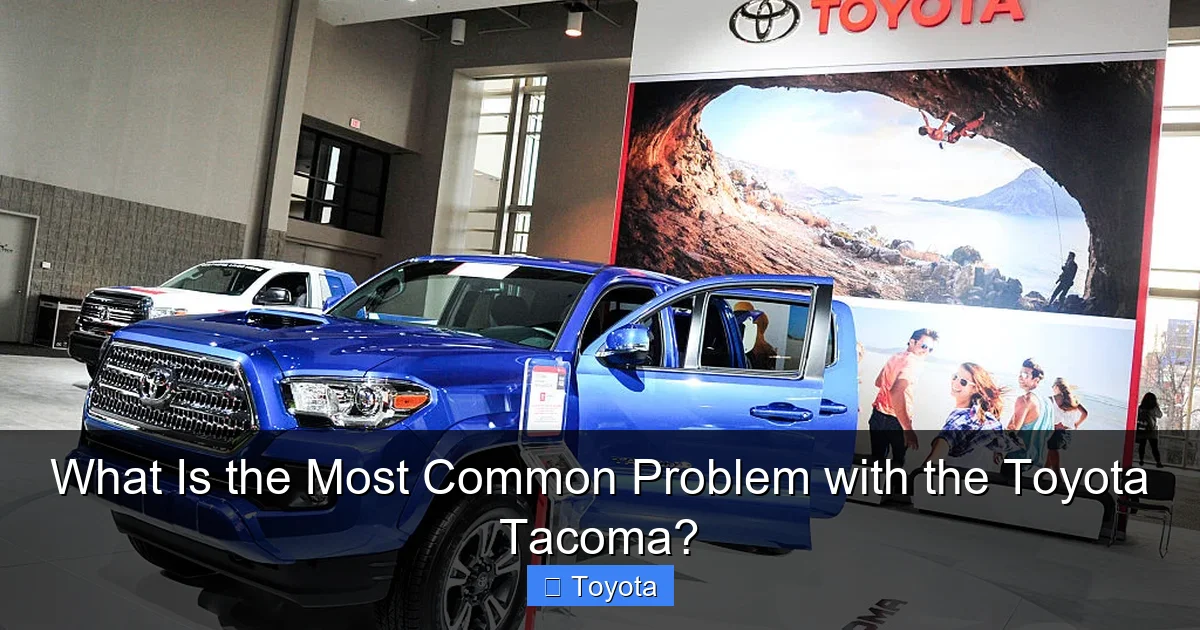
To understand the problem, you have to understand what a truck’s frame does. It’s the literal backbone of the vehicle. Everything—the engine, cab, bed, suspension, and body—is bolted to it. If the backbone rusts through, the entire vehicle’s structural integrity is compromised. For a significant run of Tacomas, this backbone began dissolving far earlier than anyone expected.
Visual guide about What Is the Most Common Problem with the Toyota Tacoma?
Image source: motorbiscuit.com
The Perfect Storm: Design, Environment, and Manufacturing
The “why” is a combination of factors. The second-generation Tacoma (model years 2005-2015) featured a frame design with numerous cavities and closed sections. While great for strength, these design traits can trap dirt, salt, and moisture against the metal if not properly sealed. The real culprit, however, points to the manufacturing process. Investigations and the subsequent class-action lawsuit suggested that Toyota may have used an insufficient or improperly applied corrosion protection coating (like phosphate conversion coating or e-coating) on the bare steel frames during production at its Mexican plant.
This meant that from the day these trucks left the factory, the steel was more vulnerable. For owners in the “Salt Belt” states (the Northeast, Midwest, and even inland areas where roads are heavily salted in winter), this vulnerability became a nightmare. Salt is an electrolyte that dramatically accelerates electrochemical corrosion. The trapped salt and moisture in the frame’s nooks and crannies began eating away at the unprotected steel, often from the inside out, where it’s invisible to a casual glance.
Which Tacomas Are Most Affected? The Critical Model Years
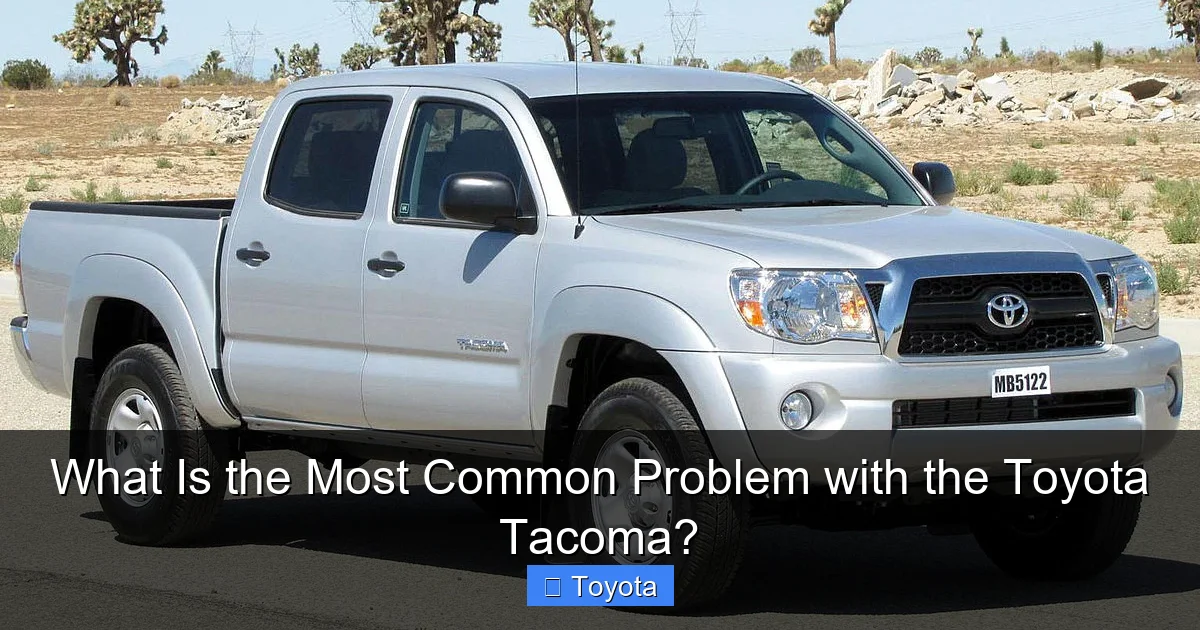
This is not a problem that affects all Tacomas equally. It is overwhelmingly concentrated on one generation. If you remember one thing, remember this: the highest risk models are the 2005 through 2015 Toyota Tacomas. This covers the entire second-generation run. Within that range, some years and regions are worse than others.
Visual guide about What Is the Most Common Problem with the Toyota Tacoma?
Image source: carsot.com
The 2012-2015 “Sweet Spot” of Rust
While the problem exists across the 2005-2015 span, many mechanics, rust specialists, and forum members consistently point to the 2012, 2013, 2014, and 2015 model years as exhibiting the most severe and widespread frame rot. The theory is that production practices or steel sourcing may have varied slightly, or that these later models have simply had enough time on the road in harsh environments for the latent defect to fully manifest. A 2015 Tacoma with 150,000 miles from upstate New York is at a dramatically higher risk of having a rotted frame than a 2008 model from Arizona.
Geographic Hotspots
Your location matters immensely. A Tacoma that has spent its entire life in California, Nevada, or Texas might show minimal surface rust. The same truck, if it was registered and driven in Michigan, Ohio, Pennsylvania, or Colorado (which uses a lot of road salt), is a prime candidate for severe frame corrosion. Always ask for a vehicle history report (like Carfax) to see where a used Tacoma has been registered. Multiple owners in snowy states are a major red flag.
How to Spot Frame Rust: A Practical Inspection Guide
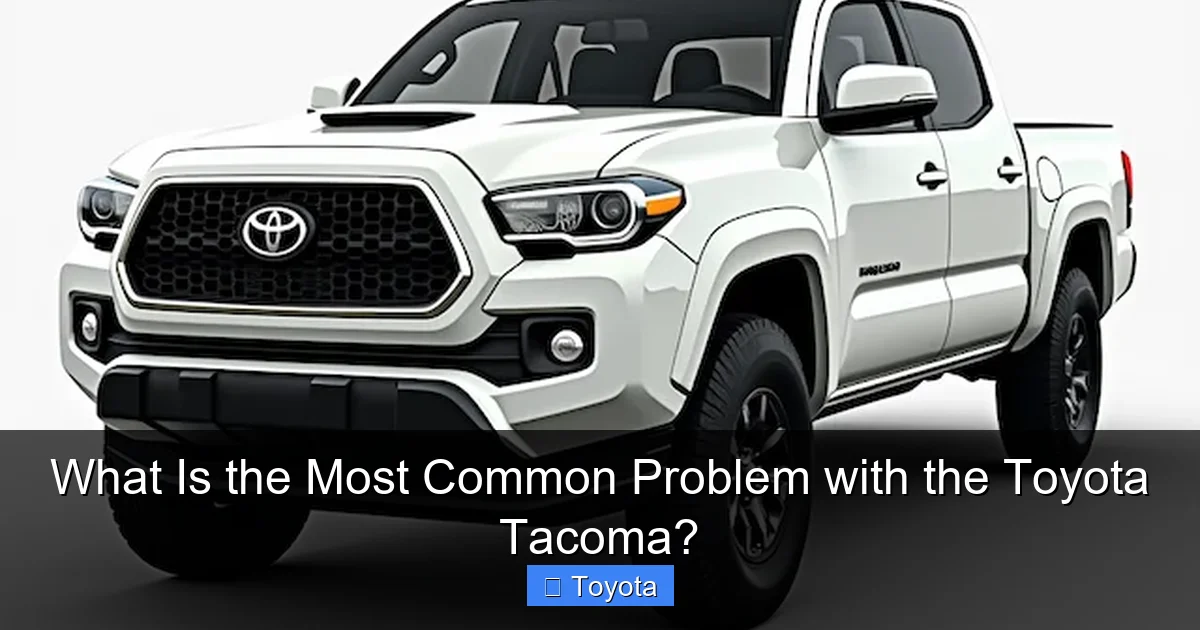
You cannot judge a Tacoma’s frame health from a quick walk-around on a clean, dry day. You must get underneath and get dirty. This is the single most important step in buying a used Tacoma.
Visual guide about What Is the Most Common Problem with the Toyota Tacoma?
Image source: rparts-sites.s3.amazonaws.com
What to Look For: The Warning Signs
Grab a flashlight and a jack (or visit a trusted mechanic). Here’s your checklist:
- Severe Surface Rust: While some surface rust is normal on any 10+ year-old truck, look for thick, flaky, bubbly rust that looks like the metal is disintegrating. This is a bad sign.
- Holes and Perforations: Shine your light into every crevice of the frame rails. Do you see actual holes where you can see through the metal? That’s a critical failure point.
- Rust at Mounting Points: Pay extreme attention to where the cab mounts to the frame, where the bed mounts, and where the suspension bolts on. Rust that has eaten away at these weld points or bolt holes is a major structural concern.
- Heavy Rust in the “C” Channels: The frame has hollow sections. Look at the ends and any access holes. Is there a massive amount of rust packed inside? Can you see deep cavities?
- Loose or Missing Hardware: If bolts or plates are falling off because the surrounding metal has rusted away, the problem is advanced.
The “Tap Test” and Professional Inspection
Use a solid screwdriver or a hammer to gently tap along the frame rails, especially in the areas mentioned above. A solid, healthy frame will have a dense, metallic “ping” sound. A severely rusted section will sound dull, hollow, or “thuddy,” and you may even be able to poke through the metal with the tool. For a definitive answer, especially on a vehicle you plan to buy, pay a professional rust-inspection service or a trusted frame specialist. They can measure frame thickness and identify hidden rot. It’s a small investment that can save you from buying a $5,000 paperweight.
Beyond the Frame: Other Common Tacoma Complaints
While frame rust is the undisputed heavyweight champion of Tacoma problems, it’s not the only issue owners report. It’s important to put these in context. They are generally less frequent and less catastrophic than a rotted frame.
Transmission Hesitation and “Shift Shock”
Many owners of automatic Tacomas, particularly from the mid-2000s to early 2010s, report a rough, hesitant shift from first to second gear. It can feel like a clunk or a delay. This is often attributed to the 5-speed automatic transmission’s (the A750F) shift programming or wear on internal components like the solenoid pack. It’s an annoyance and can feel harsh, but it rarely leads to total transmission failure. A fluid and filter change with a Toyota T-IV fluid can sometimes help. For newer 6-speed automatics, some report different shift behavior, but the core issue is less prevalent.
Electrical Gremlins and Sensor Failures
The Tacoma is a simple truck, but its off-road-oriented electronics can cause headaches. Common complaints include:
- Failing Oxygen (O2) Sensors: These can trigger check engine lights and poor fuel economy. Replacement is straightforward but can be costly.
- Erratic 4WD/Transfer Case Issues: Problems with the Auto LSD system or difficulty engaging 4WD low range are reported. Often related to the RSCA (Rear Suspension Cushion Air) system or its sensors, which is a feature on some TRD Off-Road models.
- Dashboard Light Failures: The iconic Tacoma gauge cluster sometimes has pixels or entire sections (like the PRNDL indicator) that burn out over time.
These are usually repairable with diagnosis and part replacement, but they add up in cost and frustration.
Interior and Ancillary Wear: The “Annoyance” Category
After a decade or more, wear and tear is expected. For the Tacoma, some interior components are notoriously fragile:
- Cracked Dashboard: The plastic dash is prone to cracking and warping under sun exposure, especially in hotter climates. This is mostly cosmetic but looks terrible.
- Peeling Door Panel Trim: The vinyl or leather-like inserts on the doors can delaminate and peel.
- Worn Seats: The bolsters on the driver’s seat fabric or leather can wear through surprisingly early for some owners.
- Bed Rust: While the frame rust is the critical issue, the steel truck bed itself is also susceptible to rust, particularly around the seams and corners. This is more common and expected than frame rust, but a severely rusted bed can still be a problem.
These issues don’t affect the truck’s ability to drive or its safety. They affect comfort and aesthetics. For some, that’s a big deal; for others, it’s a minor inconvenience in an otherwise capable workhorse.
What Can You Do? Maintenance, Prevention, and Remedies
If you own a 2005-2015 Tacoma, what should you do? Knowledge is your first and best tool.
For Current Owners: Vigilance and Action
1. Inspect Regularly: Get under your truck at least twice a year. Clean the frame thoroughly with a pressure washer (avoid direct high-pressure jets on wiring and bearings) to remove salt and grime. Then, dry it and apply a rust inhibitor like POR-15, Eastwood, or a professional undercoating. This won’t fix existing rot, but it can slow future spread.
2. Know Your Warranty: Toyota settled the class-action lawsuit by offering a limited warranty extension for frame corrosion. If you have a 2005-2015 Tacoma, check with a dealer or the claims administrator to see if your vehicle is eligible for frame repair coverage under the settlement. It has specific eligibility criteria based on rust severity and location.
3. Address Small Problems: If you find a small bubble or flake, cut it out, treat the metal, and patch it immediately. Don’t let it fester. Small repairs are cheap; frame section replacements are not.
For Used Buyers: The Non-Negotiable Inspection
1. Never buy sight-unseen: Always see the truck in person and insist on a lift.
2. Hire an Expert: Spend $150 on a pre-purchase inspection from a shop that specializes in Toyotas or rust. Mention you are specifically concerned about frame integrity.
3. Walk Away from Rust: If the frame shows significant corrosion, especially at the cab mounts or with perforation, walk away. No amount of “it’s just surface rust” should convince you. The repair cost will exceed the truck’s value. It’s better to find a clean example from a non-salt state or a newer model year (2016+ are generally considered to have addressed the issue with improved coating processes).
4. Check the Bed: While inspecting the frame, also check the bed. A rotted bed can be replaced, but it’s an added cost. See how big the bed is on your model to understand the scale of any potential repair.
Conclusion: A Legend Tarnished, But Not Defeated
The Toyota Tacoma’s reputation for reliability is not a myth. For hundreds of thousands of owners, these trucks have been utterly dependable. However, the specter of frame rust on the 2005-2015 models is a stark reminder that even the most trusted nameplates can have critical, design-related flaws. This is not a problem you can ignore or “deal with later.” It is a fundamental threat to the vehicle’s structural soundness and your safety.
The solution lies in extreme diligence. For owners, it means becoming an expert on your own truck’s undercarriage and acting swiftly at the first sign of trouble. For buyers, it means making a thorough frame inspection the absolute centerpiece of your purchasing decision. The market reflects this reality: a clean, rust-free example of a second-generation Tacoma from this period can still command a premium price, while a rusty one is often worthless. By arming yourself with this knowledge, you can either protect your investment in your current truck or avoid making a disastrously expensive mistake when buying used. The Tacoma remains a fantastic truck, but you must choose wisely and inspect relentlessly.
Frequently Asked Questions
Is frame rust really the most common problem with a Toyota Tacoma?
Yes, for the second-generation models (2005-2015), severe frame corrosion is by far the most prevalent and costly issue. It affects a large percentage of trucks in regions that use road salt, far more than any single mechanical failure like the transmission or engine.
What years of Toyota Tacoma should I avoid due to frame rust?
You should exercise extreme caution with any 2005-2015 Tacoma. The 2012-2015 model years are often considered the most affected. Trucks from 2016 onward are generally believed to have a significantly improved coating process and are much less susceptible to this specific problem.
Can a rusty Tacoma frame be repaired, and is it worth it?
Yes, it can be repaired, but it is very expensive. Minor rust can be cut out and patched. Advanced rot often requires cutting out entire frame sections and welding in new steel or, in the worst cases, a complete frame swap. Costs range from $2,000 to $10,000+. Whether it’s “worth it” depends on the truck’s overall value and your emotional attachment. For a high-mileage, rusted truck, it’s usually not financially viable.
How can I check my Tacoma’s frame for rust?
You must get underneath the vehicle with a bright flashlight. Look closely at all frame rails, especially the inside of the “C” channels, around the cab mounts, and at the rear of the frame. Use a screwdriver to probe suspicious areas. A professional rust inspection is the most reliable method and is highly recommended before purchasing a used Tacoma of this era.
Did Toyota acknowledge the frame rust problem?
Yes. After numerous complaints and a class-action lawsuit, Toyota did not admit wrongdoing but established a settlement fund. This provided for the inspection and repair of frames on eligible 2005-2015 Tacomas that showed significant corrosion, regardless of warranty status. You must apply for coverage through the settlement administrator.
Are there any common problems with the newer (2016+) Toyota Tacoma?
Newer Tacomas (third-generation, 2016+) are not plagued by the widespread frame rust issue. They have their own, much less severe, common complaints. These include occasional infotainment system glitches, minor transmission programming quirks, and some reports of premature wear on the front lower control arm bushings on off-road models. None approach the scale or severity of the previous generation’s frame defect.
