
Pennsylvania Window Tint Law Explained

Pennsylvania enforces specific window tint laws to balance safety and privacy. This guide breaks down the legal VLT percentages for different windows, penalties for violations, and how to ensure your vehicle complies with state regulations.
Hey there, car enthusiast! So, you’re thinking about tinting your windows in Pennsylvania? Great idea—tinting can reduce glare, block UV rays, and give your ride a sleek look. But before you head to the shop, you need to know the Pennsylvania window tint law. Trust me, ignoring these rules can lead to fines, failed inspections, and even court appearances. Don’t worry; I’m here to break it all down in simple terms. Whether you drive a BMW, Tesla, or a trusty sedan, this guide will keep you legal on PA roads. Let’s dive in!
Key Takeaways
- Front side windows must allow at least 70% of light (VLT ≥ 70%) for all vehicles in PA.
- Rear windows can be tinted to any darkness, but if the back window is less than 70% VLT, outside mirrors are required.
- Windshield tinting is only permitted above the manufacturer’s AS-1 line and must be non-reflective.
- Pennsylvania does not differentiate tint rules between passenger cars and multi-purpose vehicles like SUVs.
- Medical exemptions are available for certain conditions, requiring certification from a physician.
- Violations can result in fines and fix-it tickets, with tint checks during annual inspections.
- Always verify tint compliance with a professional VLT meter or certified installer to avoid penalties.
📑 Table of Contents
Understanding Pennsylvania Window Tint Law
Window tint laws exist to ensure safety for drivers, passengers, and law enforcement. In Pennsylvania, these regulations are outlined in Title 75, Chapter 13 of the Vehicle Code. The key metric is VLT, or Visible Light Transmission. It measures how much light passes through your tinted window, expressed as a percentage. For example, 70% VLT means 70% of light gets through, making the glass relatively clear. Lower percentages like 20% mean darker tint.
Pennsylvania’s rules are pretty straightforward but have nuances. The state doesn’t play around when it comes to front windows—they must stay fairly clear for visibility. Rear windows are more relaxed, but there are catch conditions. It’s crucial to know these details because tint violations are common, and police can pull you over for non-compliance. Plus, during your annual vehicle inspection, tint is checked. If it’s illegal, you’ll fail and need to remove or replace it.
For context, window tint laws vary significantly across the U.S. Some states like Arizona allow darker front tint, while others like New Jersey are stricter. If you’re moving to PA or traveling, understanding local laws is a must. You can explore a comprehensive comparison in our window tint laws by state guide, which covers all 50 states, including Pennsylvania.
What is VLT and Why It Matters
VLT is the heart of tint laws. It’s measured with a device called a tint meter, which shoots light through the glass and calculates the percentage that passes through. In PA, law enforcement uses these meters during traffic stops. If your tint reads below the legal limit, you’re in trouble.
Why does VLT matter? Safety first! Dark front windows can impair your vision, especially at night or in bad weather. They also make it hard for police to see inside your car during routine stops, which is a security concern. That’s why PA mandates higher VLT on front sides. Rear windows are less critical for driver visibility, so darker tint is allowed.
How Tint is Measured and Enforced
Enforcement is hands-on. Police officers carry portable tint meters. If they suspect illegal tint, they’ll test your windows. Often, they’ll check all side windows and the windshield. For rear windows, if tinted dark, they’ll verify mirror requirements. Remember, even if your tint looks light to the eye, it might not meet the 70% standard. Professional installation with certified film is your best bet to avoid issues.
Legal Tint Percentages for Different Windows
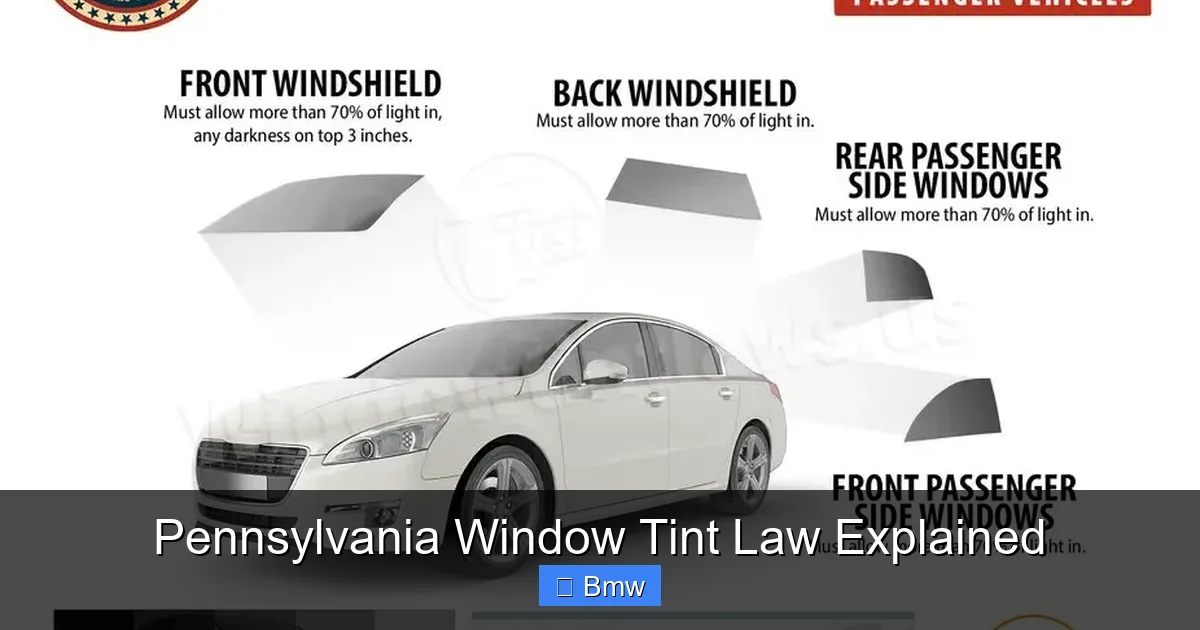
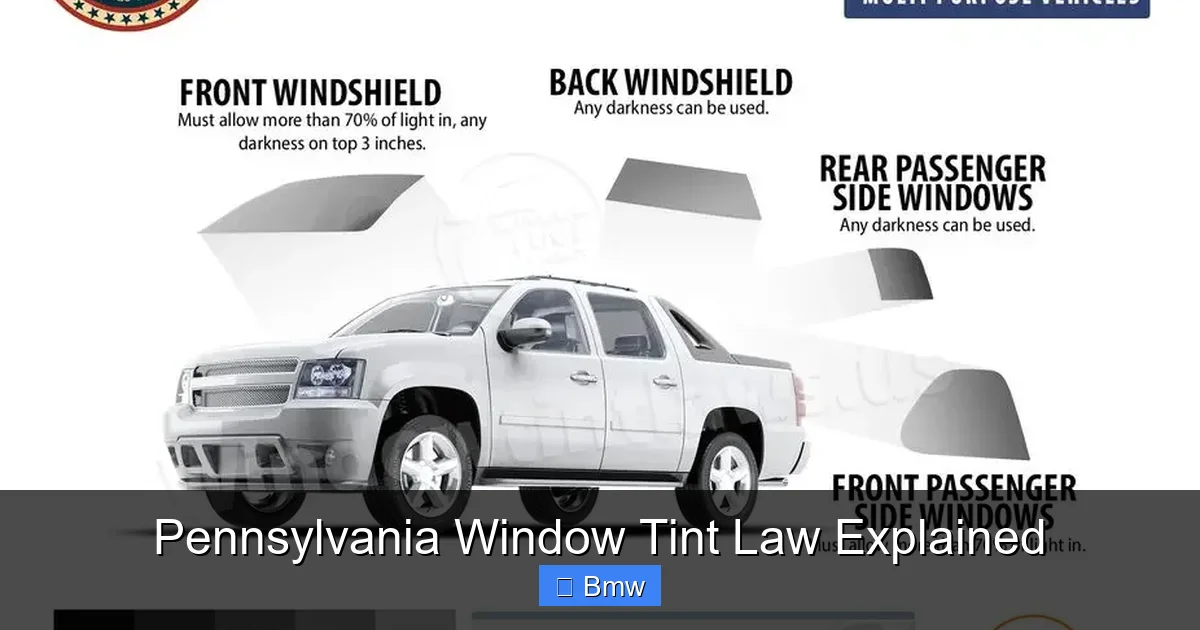
Now, let’s get specific. Pennsylvania sets different VLT requirements based on window location. Here’s the breakdown for standard passenger vehicles and multi-purpose vehicles like SUVs and vans—the rules are identical for both, which simplifies things.
Visual guide about Pennsylvania Window Tint Law Explained
Image source: low-offset.com
Front Side Windows: The 70% Rule
Both the driver and passenger front side windows must have a VLT of at least 70%. This means the tint can only block up to 30% of light. In practice, this is very light tint—often called “factory tint” since many cars come with slight tint from the manufacturer. If your car already has factory tint around 70%, adding aftermarket tint might push it over the limit. Always check your current VLT before adding more.
For example, if your BMW 3 Series has factory tint at 75% VLT, applying a 20% aftermarket film would drop it to about 15% (since layers combine multiplicatively). That’s way illegal. You’d need a film that maintains at least 70% overall. Many shops offer “legal” films for front sides that are nearly clear but still provide UV protection.
Rear Side and Back Windows: No Darkness Limit
Here’s the good news: rear side windows and the back window can be tinted to any VLT. Want a limo-black rear? Go for it! However, there’s a catch: if the back window’s VLT is less than 70%, your vehicle must have outside rearview mirrors on both sides that provide a minimum field of view of 200 feet to the rear. This is to compensate for reduced rear visibility through the tinted glass.
Most modern vehicles already have outside mirrors that meet this requirement, so you’re likely fine. But if you have an older car or custom mirrors, double-check. The law doesn’t specify VLT for rear side windows separately, but if the back window is dark, the mirror rule applies. If your back window is 70% or lighter, no special mirrors are needed, and rear side windows can be dark without extra requirements.
Windshield Tinting: Strictly Limited
Windshield tinting is highly restricted in PA. You can only apply a non-reflective, uniformly tinted film to the top portion of the windshield, and it must not extend below the manufacturer’s AS-1 line. The AS-1 line is usually marked on the windshield itself—it’s a small dot or line near the top. This allows a visor strip to reduce glare without obstructing the driver’s view.
Full windshield tint is illegal, even if it’s light. Some states allow 70% VLT on the entire windshield, but PA does not. So, if you’re considering windshield tint, stick to a narrow strip at the top. Also, the tint must be non-reflective; metallic or mirror-like films are prohibited on windshields.
Vehicle Type Differences and Special Cases
Pennsylvania treats most vehicles the same under tint laws, but there are a few special cases to be aware of. Understanding these can save you headaches if you own a commercial vehicle, RV, or classic car.
Visual guide about Pennsylvania Window Tint Law Explained
Image source: windowtintlaws.us
Passenger Cars vs. Multi-Purpose Vehicles
As mentioned, PA law doesn’t differentiate between sedans (passenger cars) and SUVs, vans, or pickup trucks (multi-purpose vehicles). The 70% front side rule applies to all. Rear windows can be dark regardless of vehicle type. This is simpler than states like New York, which has different rules for SUVs. So, whether you drive a BMW X5 or a Honda Civic, the standards are identical.
Commercial Vehicles and Trucks
Commercial vehicles, such as delivery trucks or semi-trucks, must also comply with the same VLT requirements. However, there might be additional federal regulations for commercial motor vehicles. For standard pickups used personally, the same rules apply. If you use your truck for business, check with local authorities for any extra rules.
Classic Cars and Show Vehicles
If you have a classic car with original tint from the era, it might not meet modern standards. Pennsylvania offers some leniency for antique vehicles, but tint laws still apply. For show cars or vehicles in parades, temporary permits might be available. Contact the Pennsylvania Department of Transportation (PennDOT) for specifics.
Medical Exemptions and Special Permits
Did you know that some medical conditions qualify for darker tint? Pennsylvania recognizes medical exemptions for individuals with sunlight-sensitive conditions, such as lupus, porphyria, or certain skin disorders. If you have a documented condition, you can apply for a permit that allows reduced VLT on front side windows.
Visual guide about Pennsylvania Window Tint Law Explained
Image source: windowtintlaws.us
How to Qualify for a Medical Exemption
To get an exemption, you’ll need a signed statement from a licensed physician or optometrist confirming your condition requires protection from sunlight. The statement must include your name, diagnosis, and why tint is medically necessary. Then, submit an application to PennDOT with a fee (currently around $25). If approved, you’ll receive a certificate to display in your vehicle, usually on the dashboard.
Exemptions are granted on a case-by-case basis and are not automatic. They typically allow front side windows to be darker than 70%, but still might have limits—often down to 50% or lower, depending on the condition. The back window rules remain the same. Note that exemptions must be renewed periodically, usually annually.
Aftermarket Tint vs. Factory Tint
Factory tint is applied by the manufacturer and is legal when the car is sold. Aftermarket tint is added later. Both must comply with PA law. If your car has factory tint at 75% VLT on front sides, you cannot add any aftermarket film there—it would lower VLT below 70%. However, you can add tint to rear windows even if they have factory tint, as long as the combined VLT meets the no-minimum rule (i.e., any darkness is fine). Always measure factory tint before adding more.
Penalties for Non-Compliance
Breaking the Pennsylvania window tint law isn’t a minor infraction. It can lead to fines, failed inspections, and mandatory tint removal. Here’s what you need to know.
Fines and Fix-It Tickets
If pulled over, an officer will test your tint. If it’s illegal, you’ll likely receive a summary citation. Fines vary by county but typically range from $50 to $150 for a first offense. In some cases, you might get a “fix-it ticket,” which requires you to correct the violation (remove or replace tint) and provide proof to the court. Repeat offenses can increase fines and may lead to court appearances.
Additionally, during your annual vehicle inspection, tint is checked. If illegal, your car will fail inspection until the tint is brought into compliance. This means you’ll have to spend money to remove or replace it and then re-inspect, costing time and money.
Impact on Insurance and Resale
While tint violations don’t directly affect insurance premiums, they can complicate claims if an accident occurs and tint is a factor. More importantly, when selling your car, illegal tint can deter buyers or lower the value. Buyers might request removal as a condition of sale. It’s smarter to stay legal from the start.
What to Do If You Get a Ticket
First, don’t ignore it. Pay the fine or contest it in court with evidence that your tint is legal (e.g., a certificate from a professional installer). If you need to remove tint, hire a professional—DIY removal can damage glass. After correction, get a compliance certificate from the shop and present it to the court or inspection station.
How to Ensure Your Tint is Legal in Pennsylvania
Prevention is key. Here are practical tips to avoid tint-related headaches.
Choose a Reputable Installer
Always hire a licensed and insured professional. Good installers know PA laws and will use certified film with documented VLT ratings. They should provide a warranty and a compliance certificate. Ask about their experience with PA regulations—shops that cut corners might install illegal tint. For BMW owners, seek specialists who understand factory tint and aftermarket options.
Verify VLT Before Installation
Before committing, ask the installer to measure your current factory tint (if any) with a tint meter. Then, calculate the combined VLT of factory plus aftermarket film. Reputable shops do this routinely. You can also buy a personal tint meter for $20-$50 online to double-check. Remember, VLT adds inversely: if factory is 75% and you add 20% film, combined VLT is 0.75 * 0.20 = 0.15 or 15%—way too dark.
Understand Film Types and Costs
Tint film comes in various materials: dyed, metallic, ceramic, etc. Ceramic offers better heat rejection without interfering with signals, but it’s pricier. In PA, for front sides, you’ll need a nearly clear film that meets 70% VLT. Costs vary: basic dyed film for a full car might cost $100-$300, while high-end ceramic can be $300-$600. For a BMW, expect higher due to complex curves. Get multiple quotes and ensure they specify PA-compliant options. For detailed pricing, check our guide on how much auto window tint cost.
Maintain Your Tint for Longevity
Legal tint can last 5-10 years with proper care. Avoid abrasive cleaners, ammonia-based products, and rough scrubbing. Use mild soap and soft cloths. Park in shade when possible to prevent fading. If bubbles or peeling occur, get it repaired promptly—damaged tint might not meet VLT standards. Curious about lifespan? Read our article on how long car window tint lasts for expert tips.
During Inspection and Traffic Stops
At annual inspection, the inspector will check tint with a meter. If it’s close to the limit, they might pass it, but it’s risky. For traffic stops, be polite; if cited, you have options. Keep documentation from your installer showing compliance. If you have a medical exemption, carry the certificate.
Conclusion
Navigating Pennsylvania window tint law doesn’t have to be daunting. Remember the core rule: front side windows at 70% VLT or higher, rear windows any darkness with mirror requirements if dark, and windshield tint only above the AS-1 line. No fancy exemptions for vehicle types—just clear, consistent rules. By choosing a professional installer, verifying VLT, and keeping records, you can enjoy tinted windows without legal worries. Whether you’re cruising in a BMW or commuting in a sedan, compliance ensures safety, avoids fines, and keeps your car inspection-ready. So, tint smart and drive legal!
Frequently Asked Questions
What is the legal tint percentage for front windows in Pennsylvania?
Front side windows must allow at least 70% of visible light (VLT ≥ 70%). This applies to all vehicles, including sedans, SUVs, and trucks.
Can I tint my windshield in Pennsylvania?
Only a non-reflective tint strip above the manufacturer’s AS-1 line is allowed. Full windshield tint is illegal.
Are there different rules for SUVs and trucks in PA?
No, Pennsylvania has the same tint requirements for all motor vehicles. Front sides require 70% VLT, and rear windows can be any darkness.
What happens if my tint is too dark during an inspection?
Your vehicle will fail inspection. You must remove or replace the tint to meet legal standards and then re-inspect.
Do I need outside mirrors if my back window is tinted dark?
Yes, if the back window has less than 70% VLT, your vehicle must have outside rearview mirrors on both sides providing a 200-foot view behind.
Can I get a medical exemption for darker front tint in PA?
Yes, with a physician’s statement for a qualifying condition, you can apply for a permit from PennDOT to reduce front side VLT below 70%.
