
How to Change Windshield Wipers on a 2020 Hyundai Elantra

Changing the windshield wipers on your 2020 Hyundai Elantra is a simple, DIY maintenance task that anyone can do. You’ll need the correct size replacement blades and a few minutes of your time. This guide walks you through the exact process, from identifying the right parts to safely removing the old blades and installing the new ones perfectly. Properly functioning wipers are crucial for safety during rain and snow, making this a skill every Elantra owner should have.
Key Takeaways
- Correct Blade Size is Critical: The 2020 Hyundai Elantra typically uses 26-inch driver-side and 16-inch passenger-side blades, but always verify your exact model’s size before purchasing.
- Identify the Connector Type: Your Elantra likely has a “J-hook” connector, but confirming this prevents buying incompatible wipers.
- Lift the Wiper Arm Gently: Always pivot the wiper arm away from the windshield and support it; letting it snap back can crack the glass or damage the arm.
- The Tab is Your Friend: Most wiper blades have a small tab or latch to release them from the connector—press or slide it to remove the old blade.
- Listen for a “Click”: When installing the new blade, ensure it audibly clicks or snaps into the connector’s groove to guarantee a secure fit.
- Test Before You Drive: Always test the new wipers with a wet windshield to check for streaks, skipping, or improper movement before hitting the road.
- Regular Replacement is Key: Plan to change your wipers every 6-12 months, depending on climate and usage, to maintain optimal visibility.
📑 Table of Contents
- Why Changing Your Own Wiper Blades is a Smart Move
- Gathering Your Tools and the Right Replacement Parts
- Step-by-Step: Removing the Old Wiper Blades
- Step-by-Step: Installing the New Wiper Blades
- Testing Your Work and Troubleshooting Common Issues
- Maintenance Tips and Long-Term Care
- Conclusion: A Simple Task with a Big Impact
Why Changing Your Own Wiper Blades is a Smart Move
Let’s be honest: taking your car to a dealership or quick-lube shop for a simple windshield wiper change often feels like a rip-off. You’re charged a premium for a part that costs $15-$40 and a job that takes less than five minutes. For the 2020 Hyundai Elantra, mastering this task puts you in control. You’ll save money, gain confidence in your basic car maintenance skills, and never be caught off guard by squeaky, ineffective wipers in a sudden downpour. It’s one of the easiest yet most impactful DIY automotive tasks you can learn.
Clear visibility is non-negotiable for safe driving. Worn wipers streak, skip, and chatter, dramatically reducing your ability to see the road, other vehicles, and traffic signals in wet conditions. On a car like the Elantra, known for its reliable handling, good wipers are the final link in the safety chain. By the end of this guide, you’ll know exactly how to inspect, select, and install new wiper blades, ensuring your windshield stays crystal clear. We’ll even touch on how this simple task relates to other routine Hyundai maintenance, like checking your tire pressure or resetting the oil light, creating a holistic approach to car care.
Gathering Your Tools and the Right Replacement Parts
Essential Tools You’ll Need
Good news! You don’t need a toolbox full of specialty tools. For this job on a 2020 Elantra, you essentially need two things: your hands and possibly a flat-head screwdriver. A small, soft cloth is also helpful to protect the windshield if the wiper arm slips. Some people like to use gloves to keep their hands clean, but they’re not necessary. The simplicity is part of the appeal.

Visual guide about How to Change Windshield Wipers on a 2020 Hyundai Elantra
Image source: hyundaimaintenance.com
If your wiper blades have a stubborn connector, a flat-head screwdriver can be used as a lever to gently pry the blade off its arm. Be extremely careful if you use one—apply pressure slowly and never force it. The goal is to assist the release tab, not to break plastic components. In most cases for the Elantra, your fingers and thumbs are all the tools required.
How to Find the Exact Wiper Blade Size for Your Elantra
This is the most important step before you even buy anything. Using the wrong size blade means poor coverage and performance. For the 2020 Hyundai Elantra, the standard factory sizes are typically 26 inches for the driver’s side (left) and 16 inches for the passenger’s side (right). However, trims like the Limited or Eco can sometimes vary, and aftermarket packages might offer different sizes.
There are three foolproof ways to confirm:
- The Old Blades Themselves: The easiest method. Lift each wiper arm away from the glass and look at the printed size on the rubber or plastic blade itself. It’s usually clearly stamped.
- Owner’s Manual: Your Elantra’s manual has a dedicated section for wiper specifications, often in the “Capacities and Specifications” chapter.
- Online Lookup Tools: Reputable auto parts store websites (like AutoZone, O’Reilly, or Advance Auto Parts) have “find my part” tools where you enter your year, make, model, and trim to get guaranteed-fit sizes.
Pro Tip: When you buy, consider purchasing a “value pack” or two-blade kit from brands like Bosch, Rain-X, or ACDelco. They often cost less per blade than buying individually and ensure you get a matched set. While you’re shopping, you might notice options like “beam” blades (frameless) or “hybrid” blades. Both are excellent upgrades from traditional framed blades and work perfectly on the Elantra, offering better stiffness and contact with the windshield.
Step-by-Step: Removing the Old Wiper Blades
Now for the hands-on part. Park your Elantra on a level surface, engage the parking brake, and turn the ignition to the “ON” position (but don’t start the engine). Turn the wipers on for a second so they park in their standard position on the passenger side of the windshield. This makes accessing the driver’s side arm much easier. Then turn the car off.
Visual guide about How to Change Windshield Wipers on a 2020 Hyundai Elantra
Image source: hirerush.com
Safely Pivoting the Wiper Arms
This step is critical to avoid damage. Gently pull the wiper arm away from the windshield. It will pivot upward and lock into a position roughly perpendicular to the glass. Do not let the metal arm snap back. If it slips, the arm can strike the glass with enough force to crack it, or damage the arm’s pivot point. Once it’s up, you can rest it gently on the windshield if needed, but holding it with one hand is best. The 2020 Elantra’s arms are designed to stay up once lifted past a certain point.
Releasing the Blade from the Connector
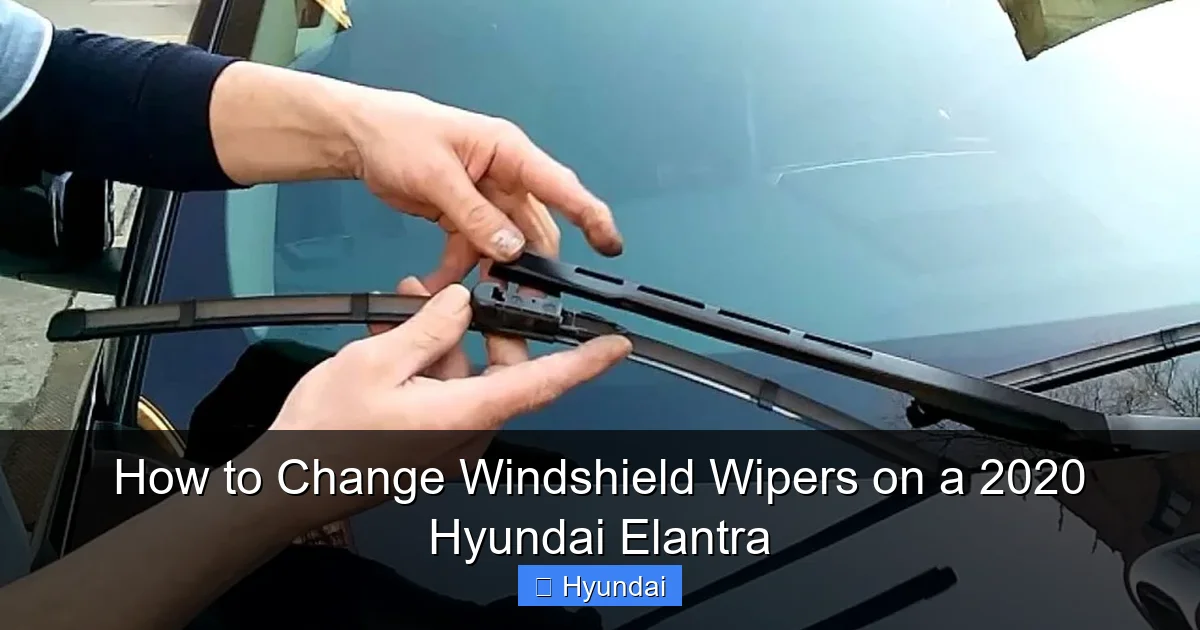
Look at the point where the wiper blade’s plastic connector meets the metal arm’s hook. For your Hyundai, this is almost certainly a “J-hook” connector, named for its shape. On this connector, there is a small tab or release lever. With one hand holding the wiper arm steady, use your other hand to locate this tab. Press or slide it (the direction depends on the blade brand) while pulling the blade downward (away from the arm). The blade should slide out of the J-hook’s mouth.
If it’s stuck, double-check you’re pressing the tab fully. Sometimes a gentle wiggle helps. Never use excessive force. If you have a different connector type (like a pin or straight hook), the release mechanism will differ, but the J-hook is standard for your vehicle. If you’re ever unsure, taking a quick photo of the connection before you start is a great reference.
Step-by-Step: Installing the New Wiper Blades
Installation is the reverse of removal, but attention to detail is key for a perfect fit.

Visual guide about How to Change Windshield Wipers on a 2020 Hyundai Elantra
Image source: hyundaihowtos.com
Aligning and Seating the New Blade
Take your new wiper blade and identify its connector end. It should match the J-hook on your Elantra’s arm. Align the blade’s connector so the tab is in the correct orientation (often facing you when the arm is up). Slide the connector’s mouth onto the J-hook of the arm. You’ll feel some resistance. Push it firmly along the hook until you hear or feel a definitive “click” or snap. This indicates the blade’s internal locking mechanism has engaged fully into the hook’s groove.
Gently tug on the blade to make sure it does not come off. A secure connection is vital; a loose blade can fly off while driving, creating a serious hazard. Repeat this exact process for the second wiper arm. Remember, the driver’s side is longer (26″), the passenger side is shorter (16″). Installing them on the wrong sides will leave a large portion of your windshield unwiped.
Final Positioning and Lowering the Arms
Once both blades are securely attached, carefully lower each wiper arm back onto the windshield. Do this slowly and guide the rubber blade to rest flat against the glass. Do not let the arm drop from a height. Once both arms are down, they will sit in their parked position on the passenger side of the windshield.
Testing Your Work and Troubleshooting Common Issues
The Initial “Wet Test”
Do not assume the job is done. You must test them. Turn on your Elantra’s ignition. Turn the wipers on to a low or medium speed. Spray your windshield thoroughly with water or washer fluid. Watch the blades as they move. They should sweep smoothly in a single, consistent arc without skipping, chattering, or lifting off the glass. Listen for any unusual noises. A slight new-blade smudge is normal initially, but the blades should wipe cleanly after a few passes.
Diagnosing Problems: Streaks, Skipping, and Chatter
If your new blades aren’t performing perfectly, don’t panic. Here’s a quick diagnostic:
- Streaking/Smearing: Often caused by a dirty windshield or a film on the new blade’s rubber. Clean the glass thoroughly with a dedicated automotive glass cleaner and a microfiber cloth. You can also gently wipe the rubber edge with an alcohol pad to remove manufacturing residue.
- Skipping/Jumping: This can mean the blade is not firmly seated on the arm—re-check the click. It can also mean the arm’s spring tension is weak (less common on a 2020 model) or the blade itself is defective. Try swapping the blade to the other arm to see if the problem follows the blade (indicating a bad blade) or stays with the arm (indicating an arm issue).
- Chattering/Vibration: Common with new blades on a slightly dirty or waxed windshield. Again, a deep clean of the glass usually solves it. It can also be caused by the arm not putting even pressure, which might require an arm replacement, though this is rare.
Important: If problems persist after cleaning and verifying the connection, the blade may be defective. Most auto parts stores will exchange it with a new one from the same box if you bring the receipt and the old blade back.
Maintenance Tips and Long-Term Care
To maximize the life and performance of your new wipers, adopt these habits. First, clean your windshield regularly. Dirt and grime act as an abrasive, wearing down the rubber edge faster. Use a good glass cleaner and a separate microfiber cloth from the one you use for paint. Second, lift the wiper blades away from the windshield during ice and snow events. This prevents them from freezing to the glass, which tears the rubber when you turn them on. Third, use your washer fluid, not just water, especially in winter. Proper fluid has detergents that help clean and lubricate the blades.
Finally, make a mental note to inspect your wipers every 3 months. Look for cracks in the rubber, hardening, or missing chunks. Even with proper care, the sun and ozone degrade rubber. On average, plan for replacement every 6-12 months. In harsh climates with intense sun (like Arizona) or heavy ice/salt (like the Northeast), you’ll be on the yearly schedule. Keeping a set of correctly sized blades in your trunk for an emergency replacement is also a smart move. This small act of preparedness ties into a broader vehicle readiness strategy, similar to knowing how to check tire pressure or reset a maintenance light on your Hyundai.
Conclusion: A Simple Task with a Big Impact
Congratulations! You now possess a fundamental skill that keeps you safe and saves you money. Changing the windshield wipers on your 2020 Hyundai Elantra is not just a chore; it’s an act of proactive ownership. You’ve taken control of a key safety component. The process—lift the arm, release the tab, click in the new blade, test—is straightforward and becomes second nature after one attempt.
Remember the core principles: always verify your blade size, handle the wiper arms with care to protect your windshield, and ensure that critical “click” sound. By integrating this into your seasonal car care routine, you guarantee a clear view in any weather. Your Elantra is a reliable, efficient vehicle; pairing it with well-maintained components like fresh wipers lets you drive with confidence. Now, go ahead and enjoy that streak-free view—you’ve earned it.
Frequently Asked Questions
What size windshield wipers does a 2020 Hyundai Elantra use?
The standard sizes are 26 inches for the driver’s side and 16 inches for the passenger’s side. However, always double-check the size printed on your old blades or in your owner’s manual, as trim levels can sometimes affect this.
How do I know if my Elantra’s wiper connector is a J-hook?
>Almost all 2020 Elantras use a J-hook connector, where the wiper arm has a hook-shaped end. The blade’s connector slides onto this hook and locks with a tab. If you see a simple hook with no pin or other mechanism, it’s a J-hook. You can also confirm by looking at your old blade’s connector end.
Can I use any brand of wiper blade on my Hyundai Elantra?
Yes, as long as the blade is the correct length (26″ and 16″) and has a compatible J-hook connector. Major brands like Bosch, Rain-X, ACDelco, and Valeo all make blades that fit. Stick with reputable brands to ensure quality rubber and reliable mechanisms.
Why are my new wipers still squeaking after installation?
Squeaking is usually due to a dirty windshield or residue on the new rubber. Clean the glass thoroughly with automotive glass cleaner. You can also wipe the rubber edge with a cotton swab dipped in rubbing alcohol to remove manufacturing oils. Ensure the blade is fully clicked into the arm.
What happens if I install the wiper blades on the wrong sides?
If you install the 26″ blade on the passenger side (which needs 16″), it will be too long. It may hit the edge of the windshield or the A-pillar, causing damage and leaving a large, unwiped section on the driver’s side. Always match the blade length to the correct side.
How often should I change my Elantra’s wiper blades?
As a general rule, change them every 6 to 12 months. In sunny, dry climates, the rubber dries out faster. In areas with harsh winters and road salt, they wear quicker from abrasion. Inspect them regularly for cracks, stiffness, or skipping, and replace them immediately if performance drops.