
Do Tesla Model 3 Seats Fold Down

The Tesla Model 3’s rear seats do fold down in a 60/40 split, significantly expanding cargo capacity. This simple yet versatile feature allows you to carry longer items like bikes, luggage, or furniture with ease. Operation is straightforward via levers in the trunk or rear seatbacks, and all Model 3 trims share this functionality. Folding the seats creates a nearly flat load floor, making it one of the most practical EVs for hauling gear.
So, you’re considering a Tesla Model 3, or maybe you already own one and are wondering about its hidden talents. One of the most common and practical questions owners and potential buyers ask is: Do Tesla Model 3 seats fold down? It’s a simple question with a wonderfully useful answer. Yes, absolutely! The rear seats in every Tesla Model 3 fold down. This isn’t a special feature on a specific trim level or an expensive option you have to add. It’s a standard, built-in part of the car’s design that dramatically boosts its everyday utility. In this complete guide, we’ll dive deep into exactly how it works, why it matters, how much space you really get, and share some real-world tips to make the most of this fantastic feature. Whether you’re planning a cross-country adventure, helping a friend move, or just need to haul a bulky purchase home from the store, understanding your Model 3’s folding seats is key to unlocking its full potential.
Key Takeaways
- All Model 3 trims have folding rear seats: Standard, Long Range, and Performance models all feature the same 60/40 split folding mechanism.
- Massive cargo expansion: Folding the rear seats increases total cargo volume from about 15 cubic feet (rear seats up) to approximately 56 cubic feet (seats folded).
- Simple operation: Seats are released via levers located in the trunk area or on the top of the rear seatbacks themselves.
- Nearly flat load floor: When folded, the rear seats create a continuous, flat surface from the trunk into the cabin, ideal for long or bulky items.
- Front seats do not fold: Only the rear bench seat folds; the driver and front passenger seats remain fixed in place.
- Unlocks practical versatility: This feature transforms the Model 3 from a compact sedan into a capable hauler for road trips, moving, or sports equipment.
📑 Table of Contents
Yes, the Rear Seats Fold! The 60/40 Split Advantage
Let’s get right to the heart of it. The Tesla Model 3’s rear seat is a single bench, but it’s cleverly engineered with a 60/40 split-fold design. This means the seat section on the left (behind the driver) and the section on the right (behind the passenger) can fold down independently. You don’t have to fold both sides at once. This is a game-changer for flexibility. Need to carry long items like lumber or skis? Fold down one side and keep the other upright for a passenger. Have a bunch of grocery bags or a large dog crate? Fold both sides down for a massive, flat cargo area. This 60/40 split is a hallmark of thoughtful car design, and Tesla implements it perfectly in the Model 3.
A Game-Changer for EV Utility
For electric vehicle owners, cargo space is often a point of consideration. Without a large engine taking up space, you’d think EVs have a huge trunk. And they do! The Model 3’s front trunk (frunk) and rear trunk offer great storage. But when you need to haul something truly large—think a mattress, a bookshelf, or multiple mountain bikes—the ability to fold the rear seats is what separates a practical daily driver from a true workhorse. It transforms the Model 3’s interior from a 5-passenger sedan into a 2-passenger (or 3, with one seat section up) cargo van. This feature directly addresses the “range anxiety” of space, complementing the car’s renowned electric range. You can pack for a long trip and still have room for souvenirs. For families, it means sports equipment, strollers, and camping gear can all coexist. It’s this blend of efficiency and practicality that makes the Model 3 such a compelling package.
How to Fold the Tesla Model 3 Rear Seats
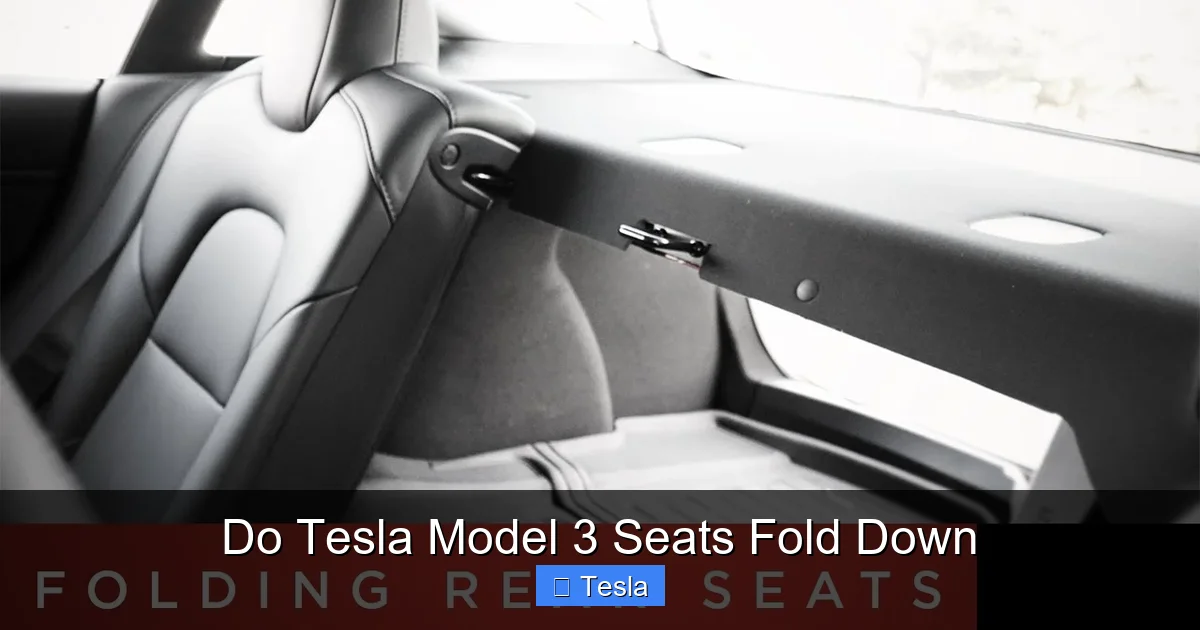
Now for the fun part: actually doing it. Tesla made this process incredibly intuitive and physical. There are no complicated buttons in the touchscreen to fold the seats (though you can control other things). You use good, old-fashioned levers and handles. The process is the same whether you’re standing in the trunk or reaching in from the rear passenger doors.

Visual guide about Do Tesla Model 3 Seats Fold Down
Image source: electrek.co
Step-by-Step Instructions
The method is straightforward and takes just a few seconds per side. Here’s exactly how to do it:
- From Inside the Trunk: Open the rear trunk. Look at the top of the rear seatback (the part you lean against). On each side, you’ll see a black plastic handle/lever. Pull this handle firmly toward you. The seatback for that section will automatically unlatch and fold forward and down onto the seat cushion.
- From the Rear Passenger Area: You can also do this from inside the car. Fold down the rear center armrest to expose two small buttons. Press and hold the button for the left or right seat section. The corresponding seatback will fold forward. This method is handy if you’re already seated in the back or if the trunk is full of items.
- Returning to Upright Position: To put the seats back up, simply pull the seatback up and back until you hear a loud, definitive CLUNK. That’s the latch engaging. Make sure it’s secure before driving. The seatbelt for that position will be routed differently when the seat is folded, so remember to re-route it properly when raising the seat.
What About the Front Seats?
It’s important to clarify: only the rear seats fold. The front seats for the driver and front passenger are fixed in place. They do not recline dramatically or fold forward to create a continuous surface into the front. This is a common point of confusion. The folding capability is strictly for the rear bench. So, your maximum flat load floor extends from the rear of the front seats (where the seatbacks meet) all the way to the closed rear trunk lid. This is still an enormous space, but it’s not a full-length bed like in some SUVs or trucks.
Cargo Space: Numbers and Real-World Examples
Numbers are great, but real-world examples are better. Let’s break down just how much space you gain.
Visual guide about Do Tesla Model 3 Seats Fold Down
Image source: i.ytimg.com
Official Tesla Specifications
According to Tesla, the Model 3 offers:
- Rear Seats Up: Approximately 15 cubic feet of cargo volume in the rear trunk area (this is just the space behind the rear seats, not including the frunk).
- Rear Seats Folded: A total of approximately 56 cubic feet of cargo volume when combining the rear trunk and the interior space created by folding the seats. This is a staggering increase of over 270%.
For context, that 56 cubic feet is more than many compact SUVs offer with their rear seats up! It puts the Model 3 in the same cargo league as much larger vehicles.
How It Compares to Other EVs
How does this stack up against competitors? The Tesla Model Y, its SUV sibling, has more total cargo space (about 68 cubic feet with seats folded) thanks to its taller, boxier shape. However, the Model 3’s 56 cubic feet is highly competitive. It beats many traditional gasoline compact sedans hands down. For example, a Honda Civic sedan offers about 15 cubic feet total (trunk only, no folding rear seats). The Model 3’s folding capability gives it a massive practical advantage. If you’re comparing EVs, this is a key differentiator. Some rivals like the Hyundai Ioniq 6 or BMW i4 have sedans with smaller trunks and no folding rear seats, making the Model 3 a standout for practicality in the electric sedan segment.
What Can You Actually Fit?
Let’s make this tangible. With the rear seats folded, you can easily fit:
- Multiple Large Suitcases: Think 4-5 large, hard-shell suitcases stacked or placed side-by-side.
- Mountain Bikes: Two full-size mountain bikes with front wheels on fit comfortably without removing the wheels. (For more on transporting bikes, check out our guide to the top 10 expert-approved bike racks for Tesla Model 3).
- Small Furniture: A large IKEA-style bookshelf (disassembled), a medium-sized dog crate, or a twin-size mattress (rolled or flat, depending on thickness).
- Camping Gear: A 4-person tent, sleeping bags, a cooler, and all the associated gear for a weekend trip.
- DIY Project Materials: Sheets of plywood or drywall (up to 4×8 ft sheets can fit diagonally), long lumber, and bags of cement or soil.
The key is the nearly flat floor. There’s no giant hump or steep incline from the trunk into the cabin, which is common in some cars. This makes sliding heavy or long items in and out much easier.
Practical Scenarios for Folded Seats
Knowing the “how” and “how much” is one thing. Knowing *when* to use it is where the real value lies. Here are some common, real-life situations where folding your Model 3’s rear seats becomes essential.

Visual guide about Do Tesla Model 3 Seats Fold Down
Image source: cdn.shopify.com
Road Trips and Vacation Gear
The Model 3 is a fantastic road trip car. With the rear seats up, you and three passengers have comfortable, spacious seating and a decent trunk for luggage. But if your trip involves sports equipment (golf clubs, skis, snowboards), camping gear, or if you’re the type who packs “just in case” items, folding one or both rear seats is a lifesaver. You can stow bulky bags, a portable grill, or a rooftop cargo carrier’s contents inside the car, keeping the aerodynamic profile clean and the interior organized. It means you don’t have to choose between passenger space and gear space—you can have a smart balance of both.
Moving and DIY Projects
For anyone who has ever helped a friend move a studio apartment or tackled a big home improvement project, the Model 3’s folded seats are a revelation. You can haul multiple boxes, small furniture items, and bags of supplies without renting a truck. It turns your electric sedan into a capable hauler for weekend projects. Need to pick up a new flat-screen TV? Fold the seats and it fits perfectly. Picking up a load of mulch or topsoil from the garden center? Line the interior with a tarp, and the 56 cubic feet can hold several heavy bags. It saves you time, money, and the hassle of coordinating a larger vehicle rental.
Sports and Outdoor Adventures
This is a huge one for active lifestyles. Cyclists can fit two bikes inside without disassembly, protecting them from road grime and weather. For skiers or snowboarders, long, thin cases slide right in with the seats folded. Kayakers can sometimes fit an inflatable kayak and paddles. Even for something as simple as a large cooler for a beach day or a bulky stroller for a day at the park, the space is there. It makes spontaneous adventure planning easier because you know your car can handle the gear.
Daily Use and Grocery Runs
You don’t need a special occasion to use this feature. A big Costco run? Fold one seat down and you have a dedicated, flat space for a 50-inch TV box or a large bag of dog food while still having room for a passenger. Have a bulky return to make to a store? The seats down mean you don’t have to struggle to fit the item. It’s about reducing the friction of everyday logistics. That’s the true mark of a well-designed vehicle feature.
Model 3 Trim Differences and Seat Folding
A common point of curiosity is whether the different trims—Rear-Wheel Drive (Standard Range), Long Range, and Performance—have different seat folding capabilities. The great news is: they are all identical in this regard. Tesla does not make the folding mechanism a premium feature. The hardware, the operation, and the resulting cargo space are exactly the same across the entire Model 3 lineup. Whether you have the base model or the top Performance version, you get the same 60/40 split-folding rear seatbacks and the same impressive 56 cubic feet of total cargo volume when folded.
All-Wheel Drive Considerations
Since the Long Range and Performance models come standard with all-wheel drive (AWD), some wonder if the drivetrain components under the rear seat area affect the folding or cargo space. They do not. The AWD motor is located under the rear axle, not under the rear seat cushion. The seat folding mechanism and the space created are identical to the Rear-Wheel Drive model. There is no loss of cargo height or flatness due to the AWD system. The only difference is a slight, barely noticeable hump in the trunk floor where the drive unit sits, but this does not impede the folding seat’s function or the overall flat floor plan when seats are down.
Any Hidden Variations?
The only minor variation could be due to model year updates. Tesla occasionally tweaks interior designs, but the fundamental 60/40 folding mechanism and its operation have remained constant since the Model 3’s introduction. Some early 2017-2018 models had a slightly different trunk latch mechanism, but the seat folding levers themselves have been consistent. You can confidently expect the same simple pull-handle operation in any used or new Model 3 you encounter. There are no software locks or subscription-based features for this hardware function; it’s always available.
Tips and Troubleshooting
While the system is robust and simple, a few tips can enhance your experience and help you avoid minor issues.
Maximizing Your Cargo Space
To get the absolute most out of your folded seats:
- Fold the front passenger seat forward (if possible): The front passenger seat does not fold, but in many trims it can slide forward and its backrest can recline. This can create a tiny bit more length for very long, thin items like lumber or pipes. Check your owner’s manual for the maximum recline and slide range.
- Use the frunk too: Don’t forget the front trunk! It offers about 3.5 cubic feet of separate, secure storage. Perfect for keeping tools, charging cables, or groceries separate from the main cargo area.
- Remove the rear headrests: For the absolute flattest possible surface, you can remove the rear headrests. They pop out with a small button on the side. This is rarely necessary but can help with very tall items that might otherwise hit the headrests.
- Use cargo nets and organizers: Tesla sells official cargo nets that clip into anchor points in the trunk. These help keep bags and items from sliding around when the seats are up or down, which is especially useful for daily use.
Common Issues and How to Fix Them
The system is very reliable, but occasionally:
- Seat won’t fold: Ensure nothing is blocking the seatback’s path forward. Check for seatbelts or cargo caught behind the seat. Also, make sure the rear seatbelts are fully retracted; a tangled belt can sometimes interfere.
- Seat won’t latch back up: This is usually because the seatback isn’t aligned correctly with the latch mechanism. Push and pull the seatback gently while lifting it. You should feel it drop into the latch with a solid “thunk.” If it feels loose, it’s not latched. Never drive with an unlatched seat.
- Sticky or stiff lever: Occasionally, debris or dirt can get in the trunk release lever mechanism. A quick clean with a damp cloth and a dry wipe usually resolves this. Avoid using lubricants unless specified by Tesla, as they can attract more dirt.
Protecting Your Interior While Hauling
Hauling dirty or wet gear? Consider a durable, waterproof cargo liner for the trunk and rear footwell area. Many third-party companies make custom-fit liners for the Model 3 that protect the carpet from mud, snow, and spills. A simple blanket or tarp can also do the trick for one-off jobs. Keeping the interior clean is easier than cleaning it later, and it helps maintain your car’s resale value. For those who frequently carry pets or outdoor gear, a dedicated seat cover that protects the rear seat cushion and back when folded might be worthwhile, though specific Model 3 covers are less common than for the Model Y.
Conclusion: Your Model 3’s Secret Superpower
So, to answer the original question definitively: yes, the Tesla Model 3’s rear seats fold down in a 60/40 split, and it’s a standard feature on every single model. This isn’t a hidden secret, but it is a feature that sometimes gets overlooked in discussions about range, acceleration, and tech. Yet, for daily life, it might be one of the most important. It provides unparalleled flexibility, turning your efficient electric sedan into a capable cargo hauler in seconds. From family vacations to DIY projects, from bike trips to big grocery runs, this simple mechanical function adds a layer of practicality that few other EVs in its class can match. The next time you need to carry something bulky, remember that your Model 3 is ready for the task. Just pull the lever, fold the seats, and load it up. It’s one of the best examples of Tesla designing an electric car not just for the future of driving, but for the realities of everyday life.
Frequently Asked Questions
Do all Tesla Model 3 rear seats fold down?
Yes, every Tesla Model 3—regardless of trim (Rear-Wheel Drive, Long Range, or Performance)—comes standard with 60/40 split-folding rear seatbacks. This is a universal feature across all model years.
How do I fold the rear seats in a Tesla Model 3?
You can fold them using black release levers located at the top of each rear seatback, accessible from the trunk. Alternatively, press and hold the small buttons behind the rear center armrest while seated in the back. Pull the seatback forward until it lies flat on the cushion.
What is the total cargo space with the Model 3 seats folded?
With the rear seats upright, the rear trunk offers about 15 cubic feet. Folding both seat sections down expands the total cargo volume (trunk + interior) to approximately 56 cubic feet, creating a long, flat load floor.
Can I fold the front seats in a Tesla Model 3?
No, only the rear bench seat folds. The driver and front passenger seats are fixed in position and do not fold forward to create a continuous surface from the front to the rear of the car.
Will folding the seats affect my Tesla’s range or battery?
No. Folding the rear seats is a purely mechanical action that does not interact with the battery, motor, or any vehicle software. It has zero effect on driving range or battery usage.
Is there a weight limit for cargo with the seats folded?
Yes. The total payload capacity (passengers + cargo) for your specific Model 3 is listed on the tire and loading information label on the door pillar. Do not exceed this limit. The folded seats themselves are designed to carry typical cargo weight; avoid placing extremely heavy, point-loaded items directly on the seat cushions without a protective mat to prevent damage.
