
How to Add Freon to a 2007 Nissan Altima

Adding Freon to a 2007 Nissan Altima can restore cool air to your AC system, but it must be done correctly to avoid damage or injury. This guide walks you through the process safely, including checking for leaks, using the right tools, and knowing when to call a professional.
Key Takeaways
- Freon is a brand name for refrigerant: Modern vehicles, including the 2007 Nissan Altima, use R-134a refrigerant, not Freon (which refers to older R-12 systems).
- Safety first: Always wear safety goggles and gloves when handling refrigerant, as it can cause frostbite or eye damage.
- Check for leaks before recharging: Low refrigerant levels often indicate a leak; simply adding more without fixing the leak is a temporary fix.
- Use a recharge kit with a gauge: This helps monitor pressure and prevents overcharging, which can damage the AC compressor.
- Locate the low-pressure port: On the 2007 Altima, it’s typically on the passenger side, near the firewall, marked with an “L” or blue cap.
- Engine must be running: The AC system only circulates refrigerant when the engine and AC are on, allowing proper charging.
- Know when to call a pro: If the system won’t hold pressure or the compressor fails, professional diagnosis and repair are needed.
📑 Table of Contents
- Introduction: Why Your 2007 Nissan Altima’s AC Isn’t Cooling
- Understanding Your 2007 Nissan Altima’s AC System
- Tools and Materials You’ll Need
- Step-by-Step Guide: How to Add Refrigerant to Your 2007 Nissan Altima
- Safety Tips and Common Mistakes to Avoid
- Maintaining Your 2007 Nissan Altima’s AC System
- Conclusion: Stay Cool and Confident
Introduction: Why Your 2007 Nissan Altima’s AC Isn’t Cooling
It’s a hot summer afternoon, and you’re cruising down the highway in your 2007 Nissan Altima. You flip the AC switch, expecting a blast of cool air—but instead, you get warm, stale air blowing from the vents. Frustrating, right? Before you panic or rush to the mechanic, consider this: your car’s air conditioning system might just be low on refrigerant.
The 2007 Nissan Altima uses R-134a refrigerant to cool the cabin air. Over time, refrigerant levels can drop due to minor leaks, seal degradation, or normal wear and tear. When levels get too low, the AC compressor can’t function properly, and cooling performance drops dramatically. The good news? In many cases, you can safely and effectively add refrigerant yourself—if you follow the right steps and take proper precautions.
This guide will walk you through everything you need to know about how to add Freon (more accurately, R-134a refrigerant) to your 2007 Nissan Altima. We’ll cover the tools you need, how to locate the service ports, how to check for leaks, and how to recharge the system without overdoing it. Whether you’re a DIY enthusiast or just trying to save a few bucks, this step-by-step guide will help you get your AC blowing cold again.
Understanding Your 2007 Nissan Altima’s AC System
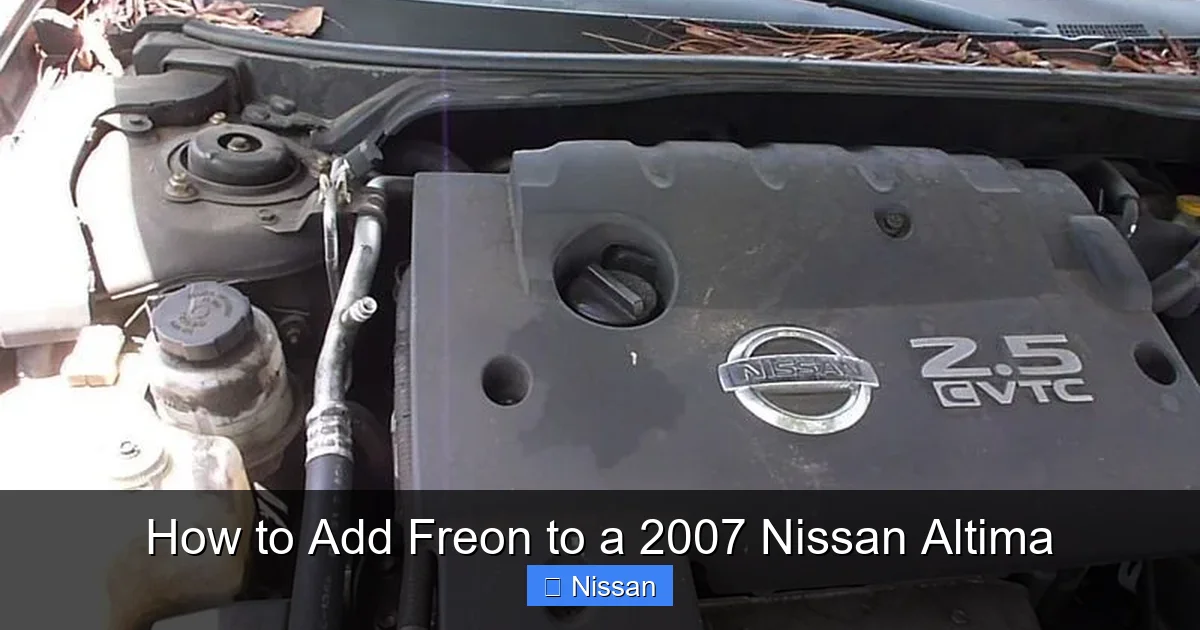
Before jumping into the recharge process, it’s important to understand how your car’s air conditioning system works. The AC system in your 2007 Altima is a closed loop that uses refrigerant to absorb heat from the cabin and release it outside. The main components include the compressor, condenser, evaporator, expansion valve, and refrigerant lines.
Visual guide about How to Add Freon to a 2007 Nissan Altima
Image source: dognmonkey.com
How the AC System Works
The compressor, driven by a belt connected to the engine, pressurizes the refrigerant gas. This high-pressure gas travels to the condenser (located in front of the radiator), where it cools and turns into a liquid. The liquid refrigerant then moves to the expansion valve, which reduces its pressure. As it enters the evaporator inside the dashboard, the refrigerant absorbs heat from the cabin air, cooling it before it’s blown into the interior. The cycle repeats as the low-pressure gas returns to the compressor.
Why Refrigerant Levels Drop
Refrigerant doesn’t “wear out” like oil or coolant—it’s designed to stay in the system indefinitely. However, over time, small leaks can develop in hoses, seals, O-rings, or the compressor shaft seal. Even a tiny leak can cause a significant drop in pressure over months or years. Other causes include improper servicing, damaged components, or manufacturing defects.
R-134a vs. “Freon”: What’s the Difference?
Many people still refer to refrigerant as “Freon,” but that’s technically incorrect for modern vehicles. Freon is a brand name for a type of refrigerant called R-12, which was used in cars until the 1990s. It was phased out due to environmental concerns (it depletes the ozone layer). The 2007 Nissan Altima uses R-134a, a more environmentally friendly refrigerant that doesn’t harm the ozone layer. While some older systems were retrofitted to use R-134a, your Altima came from the factory with it.
Tools and Materials You’ll Need
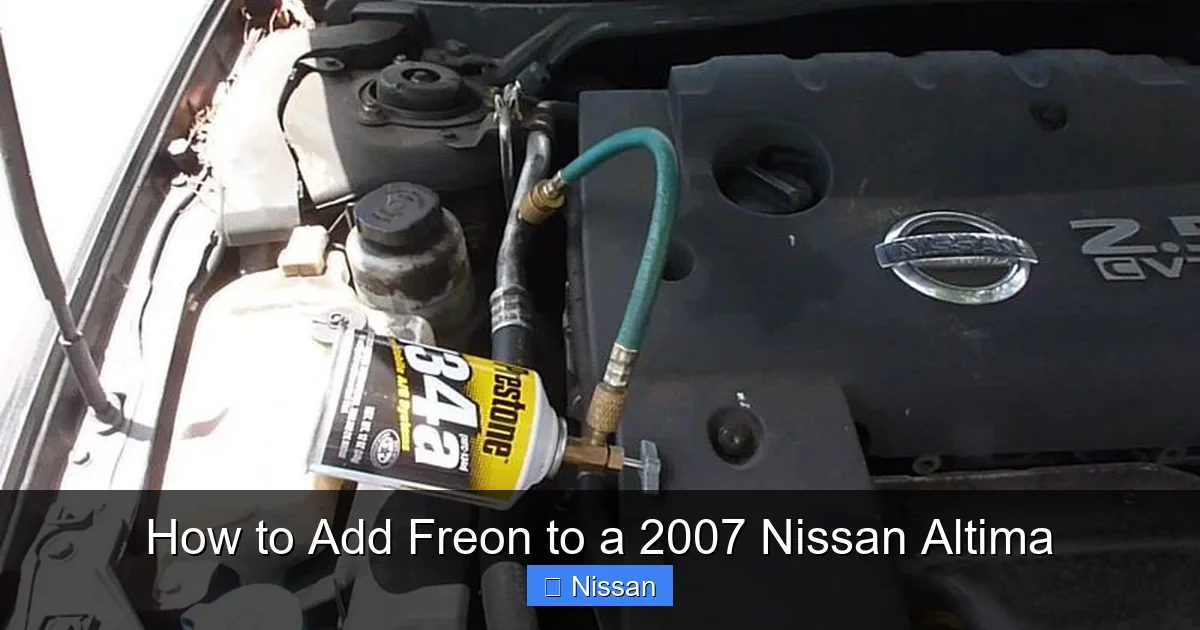
Adding refrigerant to your 2007 Nissan Altima isn’t complicated, but you do need the right tools and supplies. Here’s a list of what you’ll need to get started:
Visual guide about How to Add Freon to a 2007 Nissan Altima
Image source: dognmonkey.com
Essential Tools
- Refrigerant Recharge Kit: Look for a kit that includes R-134a refrigerant (typically in a 12-ounce can), a recharge hose with a pressure gauge, and a trigger-style dispenser. Popular brands include AC Pro, Interdynamics, and Arctic Freeze.
- Safety Goggles and Gloves: Refrigerant can cause frostbite on skin or serious eye injury if it sprays. Always protect yourself.
- Flashlight: You’ll need to locate the low-pressure service port, which may be in a tight or dimly lit area.
- Owner’s Manual: While not always necessary, it can help confirm the location of service ports and system specifications.
Optional but Helpful Tools
- UV Leak Detection Kit: If you suspect a leak, a UV dye kit can help you find it. The dye is added to the system, and a UV light reveals the leak location.
- Digital Multimeter: Useful for checking electrical connections to the compressor clutch if the AC isn’t engaging.
- Vacuum Pump (for professionals): While not needed for a simple top-off, a vacuum pump is required if you’re evacuating and recharging the entire system.
Where to Buy Supplies
You can find refrigerant recharge kits at most auto parts stores like AutoZone, O’Reilly Auto Parts, Advance Auto Parts, or online retailers like Amazon. Prices typically range from $20 to $40 for a basic kit. Make sure the kit is labeled for R-134a and includes a gauge—avoid “no-hassle” kits without pressure readings, as they make it easy to overcharge.
Step-by-Step Guide: How to Add Refrigerant to Your 2007 Nissan Altima
Now that you’re prepared, let’s walk through the actual process of adding refrigerant to your 2007 Nissan Altima. Follow these steps carefully to ensure a safe and effective recharge.
Visual guide about How to Add Freon to a 2007 Nissan Altima
Image source: i.pinimg.com
Step 1: Park and Prepare Your Vehicle
Start by parking your Altima on a level surface and turning off the engine. Engage the parking brake and open the hood. Let the engine cool for at least 15–20 minutes if it was recently running. This prevents burns and ensures accurate pressure readings.
Step 2: Locate the Low-Pressure Service Port
The low-pressure port is where you’ll connect the recharge hose. On the 2007 Nissan Altima, it’s typically located on the passenger side of the engine bay, near the firewall (the wall between the engine and the cabin). Look for a black or blue cap labeled “L” or “LOW.” It’s usually attached to a larger aluminum or steel line that runs from the compressor to the firewall.
Tip: If you can’t find it, trace the thick refrigerant line from the compressor. The low-pressure side is the larger of the two lines. The high-pressure port (marked “H” or “HIGH”) is smaller and should never be used for recharging unless you’re a certified technician.
Step 3: Check for Leaks (Optional but Recommended)
Before adding refrigerant, inspect the system for visible leaks. Look for oily residue around hoses, connections, and the compressor. Refrigerant often leaks along with compressor oil, leaving a greasy stain. If you see oil stains, there’s likely a leak that needs repair before recharging.
You can also use a UV leak detection kit. Add the dye to the system (usually through the low-pressure port), run the AC for 10–15 minutes, then use a UV light to scan for glowing leaks. This step is especially helpful if your AC has been losing refrigerant slowly over time.
Step 4: Prepare the Recharge Kit
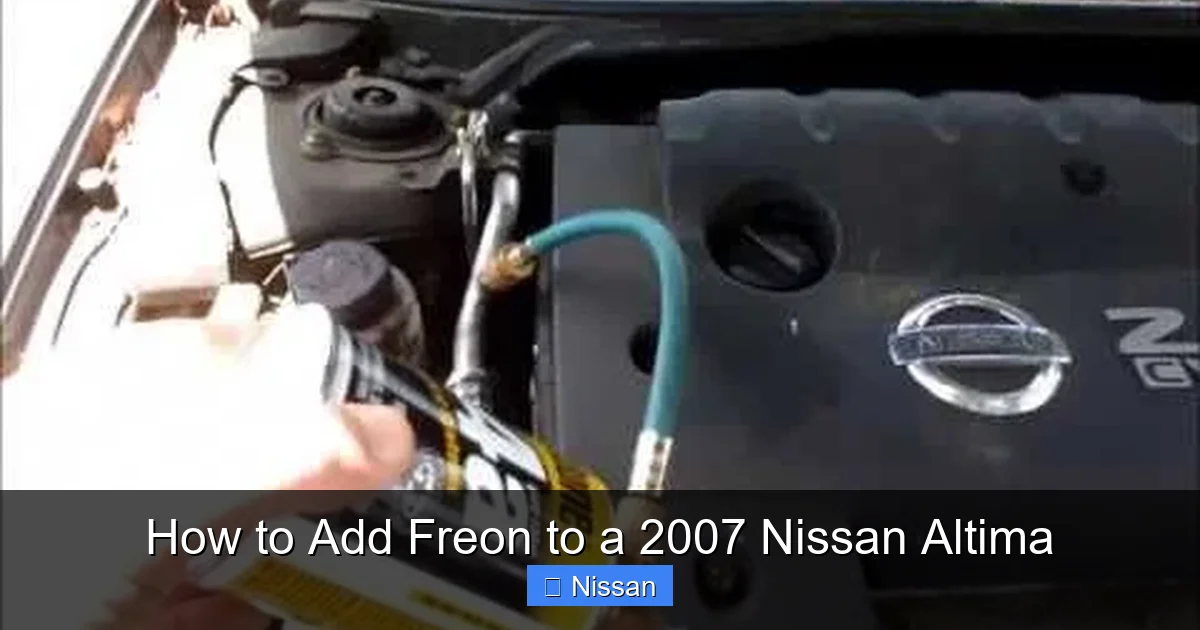
Shake the refrigerant can well. Remove the cap from the low-pressure port and attach the recharge hose. Most kits have a quick-connect fitting that snaps onto the port. Make sure it’s secure to prevent leaks.
Open the valve on the recharge can by turning the trigger or knob. The gauge on the hose will show the current system pressure. This is a good time to check if the pressure is within the normal range (typically 25–45 psi when the engine is off and ambient temperature is around 70–80°F).
Step 5: Start the Engine and Turn on the AC
Start your Altima’s engine and turn the AC to the maximum cooling setting. Set the fan to high and make sure the recirculation mode is on (this pulls air from inside the cabin, improving cooling efficiency). Let the system run for 2–3 minutes to stabilize.
Step 6: Add Refrigerant Slowly
With the engine and AC running, slowly open the valve on the recharge can. Hold the can upright to prevent liquid refrigerant from entering the system (liquid can damage the compressor). You should hear a hissing sound as refrigerant flows into the system.
Watch the pressure gauge closely. The ideal pressure range for R-134a systems is typically 25–45 psi on the low side when the ambient temperature is 70–80°F. As you add refrigerant, the gauge will rise. Stop adding when the pressure reaches the upper end of the range or when the air from the vents feels noticeably cooler.
Important: Do not overcharge the system. Overcharging can cause high pressure, which may damage the compressor or blow a seal. If the gauge goes above 50 psi, stop immediately and let the system stabilize.
Step 7: Monitor and Test
After adding refrigerant, let the AC run for 5–10 minutes. Feel the air coming from the vents—it should be noticeably cooler. If it’s still warm, you may need to add a little more, but proceed cautiously.
Once satisfied, close the valve on the recharge can, disconnect the hose, and replace the cap on the low-pressure port. Turn off the engine and AC.
Step 8: Dispose of the Can Properly
Even if there’s refrigerant left in the can, do not puncture or throw it in the trash. Most auto parts stores accept empty refrigerant cans for recycling. Some may charge a small fee, but it’s worth it to follow environmental regulations.
Safety Tips and Common Mistakes to Avoid
Working with refrigerant requires caution. Here are some essential safety tips and common pitfalls to avoid:
Safety First: Protect Yourself
- Always wear safety goggles and gloves. Refrigerant can cause instant frostbite if it contacts skin or eyes.
- Never inhale refrigerant fumes. They can displace oxygen and cause dizziness or unconsciousness.
- Work in a well-ventilated area. Avoid enclosed spaces like garages without proper airflow.
Avoid These Common Mistakes
- Overcharging the system: This is the #1 mistake DIYers make. Too much refrigerant increases pressure, which can damage the compressor or cause a hose to burst.
- Using the wrong refrigerant: Never use R-12 (Freon) or aftermarket “drop-in” replacements in a R-134a system. They’re not compatible and can cause system failure.
- Ignoring leaks: If your AC loses refrigerant quickly, adding more won’t fix the problem. You’ll just be wasting money and refrigerant.
- Recharging a system that’s completely empty: If the system has no pressure, air and moisture may have entered. This requires professional evacuation and recharge with a vacuum pump.
- Touching refrigerant lines with bare hands: Cold lines can cause frostbite. Use gloves and avoid direct contact.
When to Call a Professional
While adding refrigerant is a common DIY task, some situations require a certified technician:
- The system won’t hold pressure after recharging.
- The compressor clutch doesn’t engage (you hear a click but no cooling).
- You suspect a major leak or component failure.
- The AC blows cold at first but warms up quickly.
- You’re unsure about the process or lack the right tools.
A professional can perform a full system diagnosis, repair leaks, and properly evacuate and recharge the system using specialized equipment.
Maintaining Your 2007 Nissan Altima’s AC System
Once your AC is working again, regular maintenance can help prevent future issues and extend the life of the system.
Regular Inspections
Check the AC performance at least once a year, preferably before summer. Listen for unusual noises, feel the air temperature, and look for signs of leaks. Early detection can save you from costly repairs.
Replace the Cabin Air Filter
A clogged cabin air filter restricts airflow, reducing cooling efficiency. Most mechanics recommend replacing it every 12,000 to 15,000 miles or once a year. On the 2007 Altima, the filter is located behind the glove box and is easy to access.
Run the AC Regularly
Even in winter, run your AC for 10–15 minutes every few weeks. This keeps the compressor lubricated and prevents seals from drying out. It also helps circulate refrigerant and oil, reducing the risk of leaks.
Watch for Warning Signs
Be alert to symptoms like weak airflow, warm air, strange smells, or hissing noises. These could indicate low refrigerant, a clogged condenser, or electrical issues. Address them early to avoid bigger problems.
Conclusion: Stay Cool and Confident
Adding refrigerant to your 2007 Nissan Altima is a manageable task for most car owners, especially if you follow the steps outlined in this guide. By understanding how your AC system works, using the right tools, and prioritizing safety, you can restore cool air to your cabin without a trip to the shop.
Remember, refrigerant isn’t a cure-all. If your AC continues to lose cooling power or you notice signs of a leak, don’t hesitate to consult a professional. Regular maintenance and timely repairs will keep your Altima’s AC running smoothly for years to come. Stay cool, stay safe, and enjoy the drive!
Frequently Asked Questions
Can I add Freon to my 2007 Nissan Altima myself?
Yes, you can safely add R-134a refrigerant to your 2007 Nissan Altima yourself using a recharge kit. Just make sure to follow safety guidelines, use the correct refrigerant, and avoid overcharging the system.
How much refrigerant does a 2007 Nissan Altima take?
The 2007 Nissan Altima’s AC system typically holds about 18–22 ounces (1.1–1.4 lbs) of R-134a refrigerant. Most recharge kits contain 12 ounces, so you may need one or two cans depending on how low the system is.
How do I know if my Altima’s AC needs refrigerant?
If the air from the vents is warm or only slightly cool, even with the AC on max, the system may be low on refrigerant. Other signs include longer cooling times, hissing noises, or oily residue near AC components.
Is it safe to drive with low refrigerant?
Yes, it’s safe to drive, but the AC won’t cool properly. However, running the AC with very low refrigerant can damage the compressor over time, so it’s best to recharge it as soon as possible.
Can I use a recharge kit without a gauge?
It’s not recommended. Kits without gauges make it easy to overcharge the system, which can cause high pressure and damage the compressor. Always use a kit with a pressure gauge for safety.
What if my AC still doesn’t work after adding refrigerant?
If the AC still doesn’t cool after recharging, there may be a leak, a faulty compressor, or an electrical issue. In this case, it’s best to have a certified technician inspect the system.
