
Which Dodge Charger Models Have Sport Mode

Sport Mode in the Dodge Charger boosts throttle response, steering feel, and transmission behavior for a more aggressive driving experience. This feature is available across multiple trims and engine options, especially in RWD and performance-oriented models like the GT, R/T, Scat Pack, and SRT variants.
If you’ve ever slid behind the wheel of a Dodge Charger and felt that surge of power as you press the accelerator, you’ve likely experienced the thrill that Dodge engineers have worked so hard to deliver. The Charger isn’t just a full-size sedan—it’s a statement. From its aggressive stance to its rumbling exhaust note, this car was built to turn heads and dominate the road. But what if you could dial up that performance even more? That’s where Sport Mode comes in.
Sport Mode is one of those features that transforms the driving experience from “nice ride” to “let’s go.” It’s not just about going faster—it’s about feeling more connected to the car, responding quicker to your inputs, and enjoying a more engaging drive. Whether you’re merging onto the highway, carving through a mountain road, or just want to feel a little more alive on your daily commute, Sport Mode can make a big difference.
But here’s the thing: not every Dodge Charger comes with Sport Mode, and not every version of it works the same way. Depending on the model year, trim level, and engine choice, the availability and behavior of Sport Mode can vary. That’s why it’s important to know exactly which Charger models have this feature—and how to get the most out of it.
Key Takeaways
- Sport Mode enhances performance: It sharpens throttle response, tightens steering, and adjusts transmission shift points for a more dynamic drive.
- Available on most modern Chargers: Starting from the 2015 model year, Sport Mode became standard or optional on nearly all trims except base models.
- GT and R/T models include Sport Mode: These mid-level trims offer the feature to improve handling and acceleration without upgrading to high-performance variants.
- Scat Pack and SRT models maximize Sport Mode: With powerful V8 engines, these models use Sport Mode to unlock their full potential on the street or track.
- Rear-wheel drive (RWD) enhances Sport Mode effectiveness: RWD models benefit more from the mode’s tuning due to better weight distribution and traction dynamics.
- Sport Mode is driver-selectable: Easily activated via a button on the center console, allowing drivers to switch between comfort and performance on the fly.
- Not all base SXT models have it: Early SXT trims (pre-2015) may lack Sport Mode, so check the specific model year and options.
📑 Table of Contents
What Is Sport Mode and How Does It Work?
Before we dive into which models have it, let’s break down what Sport Mode actually does. Think of it as a “performance switch” that changes how your car behaves. When you activate Sport Mode, the Charger’s onboard computer adjusts several key systems to deliver a more responsive and aggressive driving experience.
One of the biggest changes is in throttle response. In normal mode, the accelerator pedal might feel a bit soft or delayed—perfect for smooth city driving, but not ideal when you want to punch it. In Sport Mode, the throttle becomes much more sensitive. Even a light press of the pedal sends more power to the wheels, giving you that instant kick you crave.
Next up is the transmission. In automatic models, Sport Mode alters the shift points. Instead of upshifting early to save fuel, the transmission holds gears longer, keeping the engine in its power band. This means quicker acceleration and better performance when you need it. Some models even allow for manual shifting via paddle shifters, giving you full control over gear changes.
Steering feel also gets a boost. In normal mode, the steering might feel light and easy to turn—great for parking, but not so great for high-speed cornering. Sport Mode increases steering effort and feedback, making the car feel more planted and responsive. You’ll notice tighter turns and better control, especially on winding roads.
Finally, some higher-end models with adaptive suspension systems (like the Charger SRT) will stiffen the shocks in Sport Mode. This reduces body roll during cornering and improves overall stability, making the car feel more like a sports car than a sedan.
All of these changes happen seamlessly when you press the Sport Mode button—usually located near the gear shifter or on the center console. It’s a simple switch that makes a big difference.
Which Dodge Charger Models Have Sport Mode?
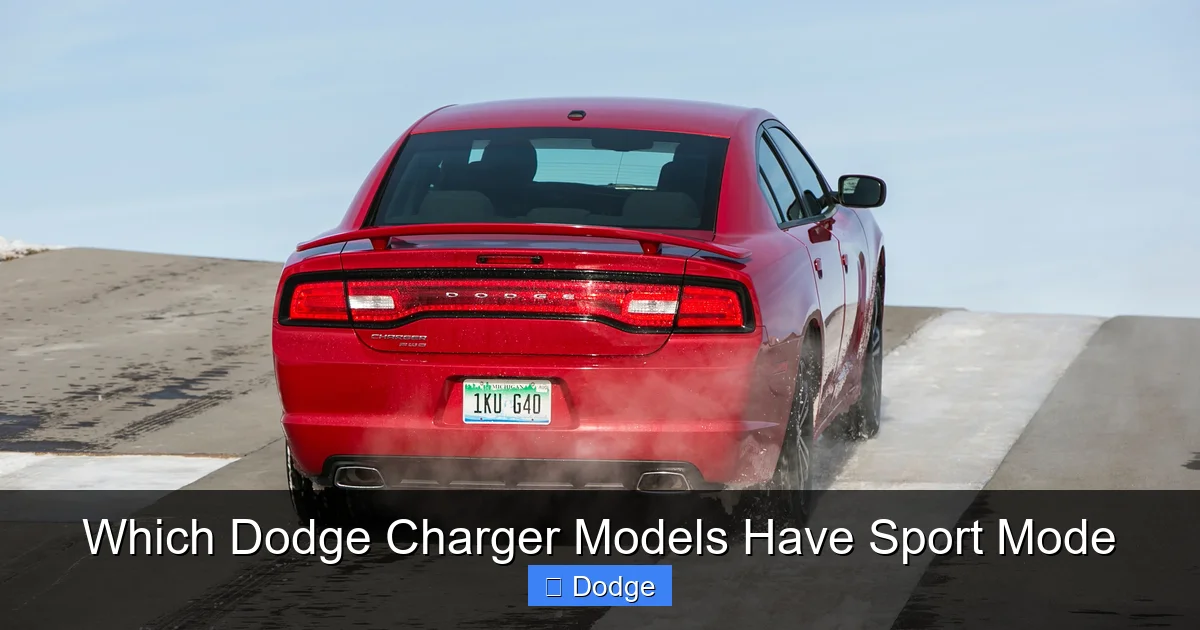
Visual guide about Which Dodge Charger Models Have Sport Mode
Image source: wp1.carwallpapers.ru
Now for the main question: which Dodge Charger models actually come with Sport Mode? The good news is that most modern Chargers do. However, availability depends on the trim level, model year, and drivetrain. Let’s break it down by category.
2015 and Newer Charger Models
Starting with the 2015 model year, Dodge made significant updates to the Charger lineup, including the widespread inclusion of Sport Mode. This was part of a broader effort to enhance the car’s performance credentials and appeal to driving enthusiasts.
From 2015 onward, Sport Mode became standard on most trims, especially those with rear-wheel drive (RWD). Front-wheel drive (FWD) models, which were discontinued after 2014, typically did not include Sport Mode—partly because FWD dynamics don’t benefit as much from performance tuning.
So if you’re looking at a 2015 or newer Charger, there’s a very good chance it has Sport Mode—especially if it’s RWD.
GT and GT Plus Trims
The GT trim is one of the most popular choices for buyers who want a balance of performance, comfort, and value. Introduced as a more athletic version of the base SXT, the GT comes with a 3.6-liter Pentastar V6 engine producing around 300 horsepower.
One of the standout features of the GT trim is that it includes Sport Mode as standard. This allows drivers to enjoy a more spirited drive without stepping up to a V8. The GT also comes with performance-tuned suspension, larger wheels, and available all-wheel drive (AWD)—though AWD models may have slightly different tuning due to the added weight and drivetrain complexity.
Even in AWD versions, Sport Mode is present and functional. It adjusts throttle response and transmission behavior to maintain a sporty feel, even with power going to all four wheels.
R/T and R/T Plus Trims
Stepping up to the R/T trim brings a major upgrade under the hood: the 5.7-liter HEMI V8 engine. With 370 horsepower and a throaty exhaust note, the R/T is where the Charger starts to feel like a true muscle car.
Sport Mode is standard on all R/T models, and it makes a noticeable difference. The V8 already has plenty of low-end torque, but Sport Mode sharpens the throttle and keeps the transmission in lower gears longer. This means quicker launches and more aggressive downshifts when you lift off the gas.
The R/T also includes performance features like a sport-tuned suspension and upgraded brakes, making Sport Mode even more effective. Whether you’re cruising on the highway or pushing through a corner, the R/T with Sport Mode feels alive and eager.
Scat Pack and Scat Pack Widebody
If you’re serious about performance, the Scat Pack is where things get really exciting. This trim features a 6.4-liter HEMI V8 engine producing 485 horsepower—enough to launch the Charger from 0 to 60 mph in under 4.5 seconds.
Sport Mode is not only standard on the Scat Pack, but it’s also one of the most effective implementations in the lineup. With such a powerful engine, the Charger can easily overwhelm the tires in normal mode. Sport Mode helps manage that power by improving traction control responsiveness and optimizing shift patterns.
The Scat Pack Widebody takes things a step further with wider tires, enhanced suspension, and improved aerodynamics. Sport Mode on the Widebody feels even more composed, with better grip and stability at high speeds.
Drivers often use Sport Mode on the Scat Pack for spirited driving, track days, or just enjoying the full potential of the V8. It’s a must-have feature for anyone considering this trim.
SRT 392 and SRT Hellcat
At the top of the Charger food chain are the SRT models: the SRT 392 and the infamous SRT Hellcat. These are not just cars—they’re performance machines.
The SRT 392 shares the same 6.4-liter V8 as the Scat Pack but with additional tuning, cooling, and suspension upgrades. Sport Mode is standard and highly refined, offering a perfect balance between daily drivability and track-ready performance.
Then there’s the SRT Hellcat, powered by a supercharged 6.2-liter HEMI V8 that churns out a staggering 707 horsepower (or 797 in the Hellcat Redeye). With that much power, Sport Mode is essential for managing the car’s behavior.
In Sport Mode, the Hellcat’s throttle becomes razor-sharp, the transmission shifts with lightning speed, and the adaptive suspension firms up to keep the car stable. It’s not just about going fast—it’s about controlling that speed with precision.
Even the Hellcat Redeye, with its even higher output, benefits from Sport Mode. It allows drivers to enjoy the car’s full potential without needing to switch to Track Mode, which is more aggressive and best suited for closed courses.
Base SXT and Older Models
Now, what about the base SXT trim? Here’s where things get a bit tricky.
Early SXT models—especially those from 2014 and earlier—often did not include Sport Mode. These were typically front-wheel drive or base RWD models with the 3.6-liter V6, and Dodge didn’t prioritize performance features on the entry-level trim.
However, starting around 2015, even the SXT began to include Sport Mode as an option or standard feature on RWD versions. If you’re shopping for a used SXT, be sure to check the specific model year and options list. A 2016 SXT RWD is much more likely to have Sport Mode than a 2013 model.
Also, keep in mind that FWD SXT models (which were discontinued after 2014) generally do not have Sport Mode. The front-wheel-drive layout doesn’t respond as well to performance tuning, and Dodge focused Sport Mode on RWD platforms.
How to Use Sport Mode Effectively
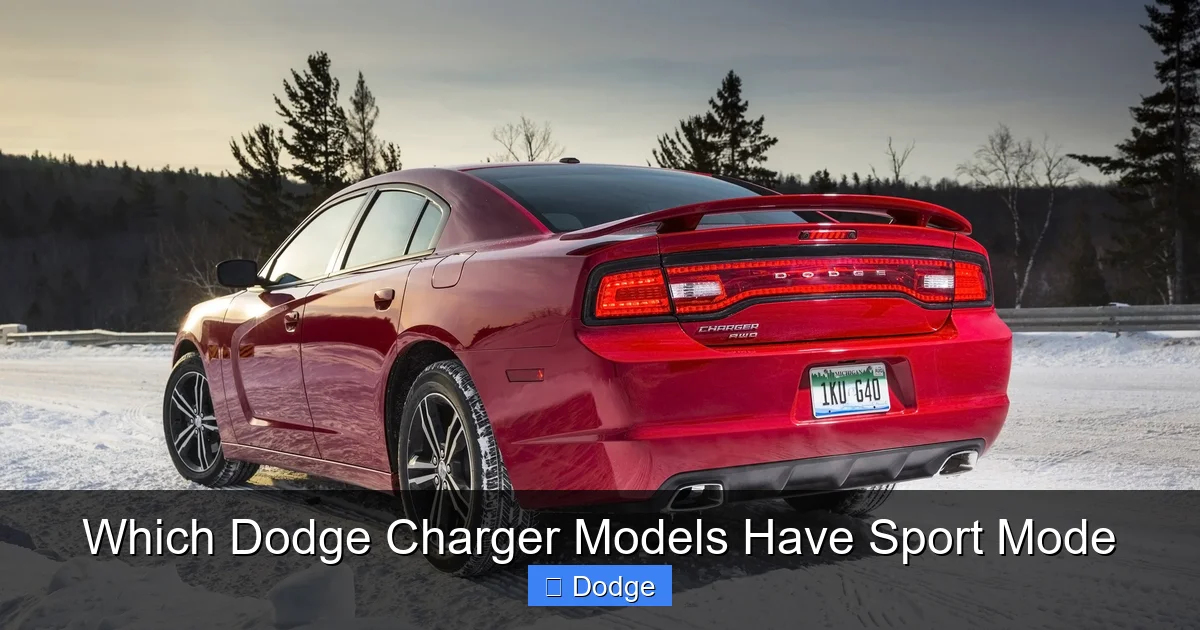
Visual guide about Which Dodge Charger Models Have Sport Mode
Image source: wallup.net
Having Sport Mode is one thing—using it well is another. Here are some practical tips to get the most out of this feature.
Know When to Use It
Sport Mode isn’t just for show—it’s meant to be used. But that doesn’t mean you should leave it on all the time. In normal driving conditions—like commuting or highway cruising—normal mode is more than sufficient and will save fuel.
Use Sport Mode when you want more responsiveness: merging onto a busy highway, passing slower traffic, or driving on twisty roads. It’s also great for weekend drives or when you just want to enjoy the car’s performance.
Pair It with Other Modes
Many Charger models come with multiple driving modes: Normal, Sport, and Track (on SRT models). Sport Mode is a great middle ground—more aggressive than Normal, but not as extreme as Track.
If you’re on a public road, Sport Mode is usually the best choice. It gives you the performance boost without the harsh ride or excessive tire wear that comes with Track Mode.
Use Paddle Shifters (If Available)
On models with paddle shifters—like the Scat Pack and SRT—Sport Mode becomes even more fun. You can manually control gear changes, holding lower gears for better acceleration or engine braking.
This is especially useful on mountain roads or when you want to keep the engine in its sweet spot. Just remember to upshift before redlining to avoid damage.
Watch Your Tires and Fuel Economy
Sport Mode can increase tire wear and reduce fuel economy, especially if you’re driving aggressively. The sharper throttle and delayed upshifts mean the engine works harder and burns more fuel.
If you’re concerned about efficiency, switch back to Normal mode for long trips or city driving. A little moderation goes a long way.
Combine with Performance Upgrades
If you really want to maximize Sport Mode, consider performance upgrades like cold air intakes, exhaust systems, or suspension mods. These enhancements work even better when paired with Sport Mode, giving you a truly customized driving experience.
Just be sure any modifications are compatible with your Charger’s electronics and don’t void your warranty.
Sport Mode vs. Track Mode: What’s the Difference?
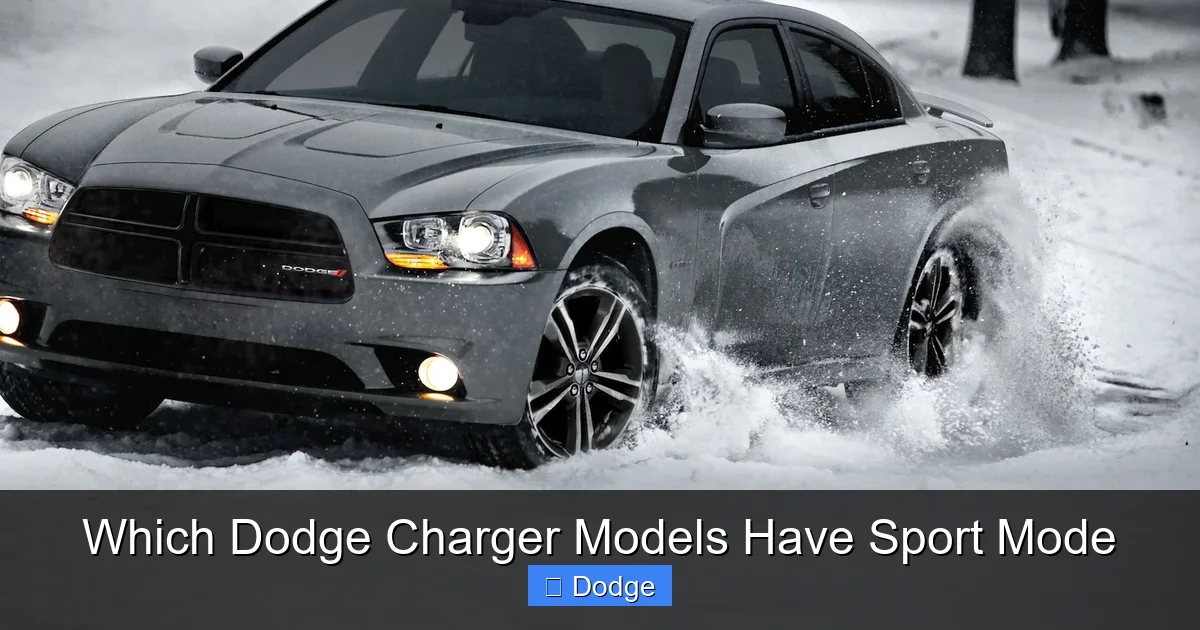
Visual guide about Which Dodge Charger Models Have Sport Mode
Image source: images.hgmsites.net
You might be wondering: if Sport Mode is so great, what’s the point of Track Mode? Good question.
Sport Mode is designed for everyday performance driving. It enhances throttle response, steering, and transmission behavior while still maintaining comfort and usability. It’s perfect for public roads and mixed driving conditions.
Track Mode, on the other hand, is built for the track. It’s more aggressive: suspension is stiffer, traction control is reduced (or disabled), and the transmission shifts even faster. It’s meant for high-speed cornering, hard braking, and maximum performance.
In short: use Sport Mode for the street, Track Mode for the track. Most drivers will spend 99% of their time in Sport Mode—and that’s perfectly fine.
Why Sport Mode Matters for Charger Owners
So why does Sport Mode matter? Because it transforms the Charger from a comfortable sedan into a driver’s car.
For many owners, the Charger is more than transportation—it’s a passion. Whether you’re a daily driver who enjoys a little excitement or a performance enthusiast who loves pushing limits, Sport Mode adds a layer of engagement that’s hard to match.
It’s also a great value. You don’t need to buy the most expensive trim to enjoy enhanced performance. Even the GT and R/T models offer a thrilling experience with Sport Mode engaged.
And let’s be honest—pressing that Sport Mode button just feels cool. That little click, the subtle change in engine note, the immediate response when you hit the gas… it’s a small thing that makes a big difference.
Final Thoughts: Is Sport Mode Worth It?
If you’re considering a Dodge Charger, Sport Mode is definitely worth having. It’s available on most modern models, especially RWD trims, and it significantly improves the driving experience.
Whether you’re choosing a GT for daily driving, an R/T for weekend fun, or a Scat Pack for serious performance, Sport Mode helps you get the most out of your Charger. It’s not just a gimmick—it’s a well-engineered feature that enhances throttle response, steering, and transmission behavior.
So the next time you’re test-driving a Charger, be sure to try Sport Mode. Press the button, feel the difference, and decide for yourself. Chances are, you’ll be hooked.
Frequently Asked Questions
Do all Dodge Charger models have Sport Mode?
No, not all models have Sport Mode. It’s standard on most 2015 and newer RWD trims, including GT, R/T, Scat Pack, and SRT models. Base SXT models from earlier years may not include it.
Can I add Sport Mode to a Charger that doesn’t have it?
Unfortunately, no. Sport Mode is a factory-installed feature that requires specific software and hardware integration. It cannot be added aftermarket.
Does Sport Mode affect fuel economy?
Yes, Sport Mode can reduce fuel economy due to increased throttle sensitivity and delayed upshifts. It’s best used sparingly for performance driving.
Is Sport Mode safe for daily driving?
Absolutely. Sport Mode is designed for everyday use and enhances responsiveness without compromising safety. Just drive responsibly.
Does AWD affect Sport Mode performance?
Slightly. AWD models may have different tuning due to added weight, but Sport Mode still improves throttle and transmission response on all-wheel-drive Chargers.
Can I use Sport Mode in the rain or snow?
It’s not recommended. Sport Mode reduces traction control intervention and increases throttle sensitivity, which can lead to wheel spin in slippery conditions.
