
What Does Check Gauges Mean on a Dodge Ram?

The “Check Gauges” warning on a Dodge Ram alerts you to a potential issue with one or more dashboard gauges, such as oil pressure, temperature, or battery voltage. Ignoring it can lead to serious engine damage, so prompt diagnosis and action are essential.
Have you ever been cruising down the highway in your Dodge Ram, enjoying the rumble of the engine and the comfort of the cabin, when suddenly a message flashes across your dashboard: “Check Gauges”? Your first reaction might be confusion—what does that even mean? Is it serious? Should you pull over right now?
You’re not alone. Many Dodge Ram owners have seen this warning pop up unexpectedly, and while it doesn’t always signal a catastrophic failure, it’s definitely not something to ignore. The “Check Gauges” message is your truck’s way of saying, “Hey, something’s not right with one or more of your dashboard gauges—please take a look.” It’s a general alert that something in the monitoring system has gone off, and it’s up to you to figure out what.
Understanding this warning can save you from expensive repairs, roadside breakdowns, or even engine failure. In this guide, we’ll break down exactly what “Check Gauges” means on a Dodge Ram, why it appears, how to respond, and how to prevent it from happening again. Whether you drive a Ram 1500, 2500, or 3500, this information applies to most models from the early 2000s through today. Let’s get into it.
Key Takeaways
- What It Means: The “Check Gauges” message indicates a malfunction or abnormal reading in one or more vehicle gauges, often related to engine performance or electrical systems.
- Common Causes: Low oil pressure, overheating, charging system failure, faulty sensors, or loose wiring are frequent triggers.
- Immediate Action Required: Pull over safely, turn off the engine, and inspect critical systems like oil level and coolant before restarting.
- Dashboard Gauges Involved: Oil pressure, coolant temperature, battery voltage, and fuel level are the most commonly affected.
- Diagnostic Tools Help: Use an OBD2 scanner to read trouble codes and pinpoint the exact issue behind the warning.
- Preventive Maintenance Matters: Regular oil changes, belt inspections, and battery checks reduce the risk of false or real warnings.
- Don’t Ignore It: Even if the truck seems to run fine, underlying problems can escalate quickly and cause costly damage.
📑 Table of Contents
What Does “Check Gauges” Actually Mean?
The “Check Gauges” message is a dashboard warning that appears on the instrument cluster of many Dodge Ram trucks. It’s not tied to a single sensor or system but instead serves as a general alert that one or more of your vehicle’s critical gauges—like oil pressure, coolant temperature, battery voltage, or fuel level—is showing an abnormal reading or has stopped working altogether.
Think of it like a smoke alarm in your home. It doesn’t tell you exactly where the fire is, but it tells you there’s a problem that needs immediate attention. Similarly, “Check Gauges” is your truck’s way of saying, “Something’s off with the way your vehicle is monitoring its vital signs.”
This warning typically appears as text on the digital display between the speedometer and tachometer. It may flash or stay solid, depending on the severity of the issue. In some cases, it’s accompanied by other warning lights, such as the check engine light, oil pressure light, or battery light. But even if no other lights are on, the message itself should never be dismissed.
It’s important to note that “Check Gauges” is different from specific warnings like “Low Oil Pressure” or “Engine Overheating.” Those are direct alerts about a known problem. “Check Gauges,” on the other hand, is more of a heads-up that the system detecting those problems might be malfunctioning—or that the readings are outside normal parameters.
For example, if your oil pressure gauge suddenly drops to zero while driving, the “Check Gauges” message might appear to prompt you to investigate. But it could also show up if the temperature gauge starts climbing into the red zone, or if the battery voltage gauge dips below 12 volts when the engine is running.
In short, “Check Gauges” is a catch-all warning that something in your truck’s monitoring system needs your attention—right now.
Common Causes of the “Check Gauges” Warning
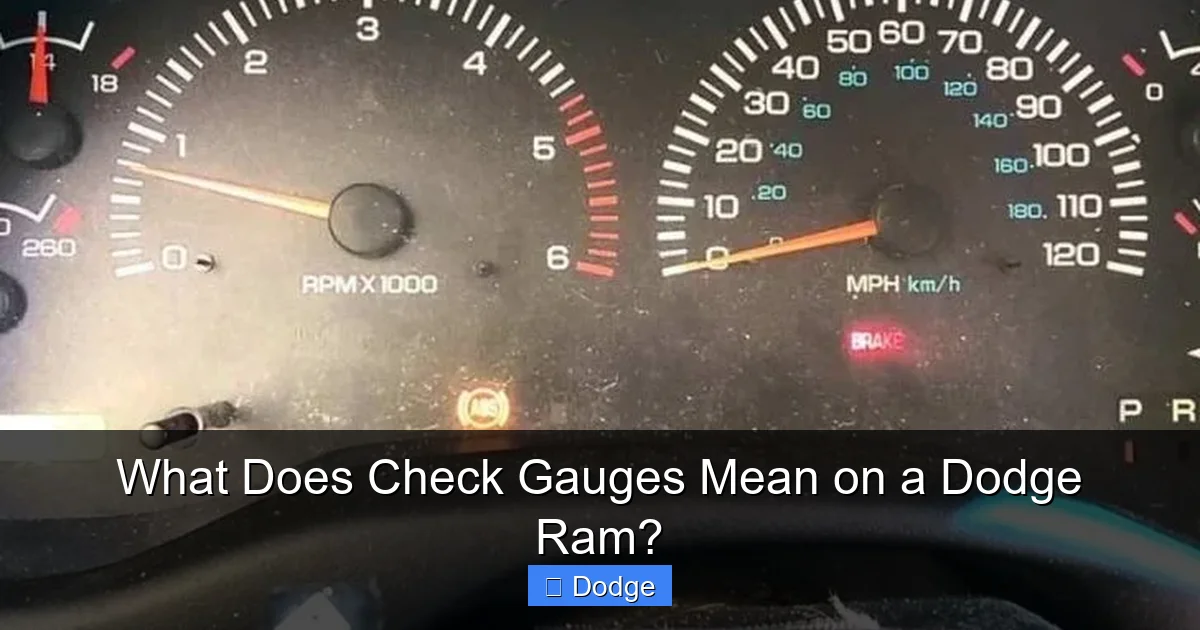
Visual guide about What Does Check Gauges Mean on a Dodge Ram?
Image source: trucksauthority.com
Now that we know what the message means, let’s look at the most common reasons it appears on a Dodge Ram. While the cause can vary, most fall into a few key categories: mechanical issues, electrical problems, sensor failures, or simple maintenance oversights.
Low Oil Pressure
One of the most serious—and common—triggers for the “Check Gauges” warning is low oil pressure. Your engine relies on a steady flow of oil to lubricate moving parts, reduce friction, and prevent overheating. If oil pressure drops too low, the oil pressure sensor detects the change and triggers the warning.
Low oil pressure can be caused by:
– Low oil level (from leaks or burning oil)
– Dirty or clogged oil filter
– Worn oil pump
– Using the wrong oil viscosity
– Engine wear (e.g., worn bearings)
If you see “Check Gauges” and notice the oil pressure gauge is low or fluctuating, stop driving immediately. Continuing to run the engine with low oil pressure can cause severe internal damage, including scored cylinder walls or seized pistons.
Engine Overheating
Another major cause is engine overheating. If the coolant temperature gauge starts climbing into the red zone, the “Check Gauges” message may appear to alert you. Overheating can result from:
– Low coolant level
– A faulty thermostat
– A broken water pump
– A clogged radiator
– A malfunctioning cooling fan
Driving an overheated engine can warp the cylinder head, blow the head gasket, or even crack the engine block. If you see this warning and the temperature gauge is high, pull over, turn off the engine, and let it cool before checking the coolant reservoir.
Charging System Failure
The battery and alternator work together to keep your truck’s electrical system running. If the alternator fails or the battery is weak, the voltage gauge may drop below 12 volts when the engine is running (normal is 13.5–14.5 volts). This can trigger the “Check Gauges” message.
Symptoms of a charging system issue include:
– Dim headlights
– Slow cranking when starting
– Electrical components acting erratically
– Battery warning light on
A failing alternator won’t keep the battery charged, and eventually, your truck will stall and won’t restart. Have the charging system tested at an auto parts store or by a mechanic.
Faulty Sensors or Wiring
Modern Dodge Rams rely on a network of sensors to monitor engine performance. If a sensor—like the oil pressure sensor, coolant temperature sensor, or voltage sensor—fails or sends incorrect data, the gauge may display wrong readings, triggering the warning.
Common sensor issues include:
– Corroded or loose sensor connectors
– Damaged wiring harnesses
– Internal sensor failure
Sometimes, the sensor itself is fine, but the wiring leading to it is frayed or shorted. This can cause intermittent or false warnings.
Loose or Corroded Ground Connections
Electrical systems depend on solid ground connections to function properly. If a ground wire becomes loose or corroded—especially the main ground from the battery to the chassis or engine—it can cause erratic gauge behavior.
This is especially common in older Rams or trucks that have been exposed to moisture, salt, or off-road conditions. A bad ground can make gauges jump, freeze, or show incorrect values.
Instrument Cluster Malfunction
In rare cases, the problem isn’t with the engine or sensors—it’s with the dashboard itself. The instrument cluster contains circuits and stepper motors that control the gauges. If these components fail, gauges may behave erratically or stop working, triggering the “Check Gauges” message.
This is more common in high-mileage trucks or those with electrical issues. Replacing or repairing the cluster may be necessary.
How to Respond When “Check Gauges” Appears
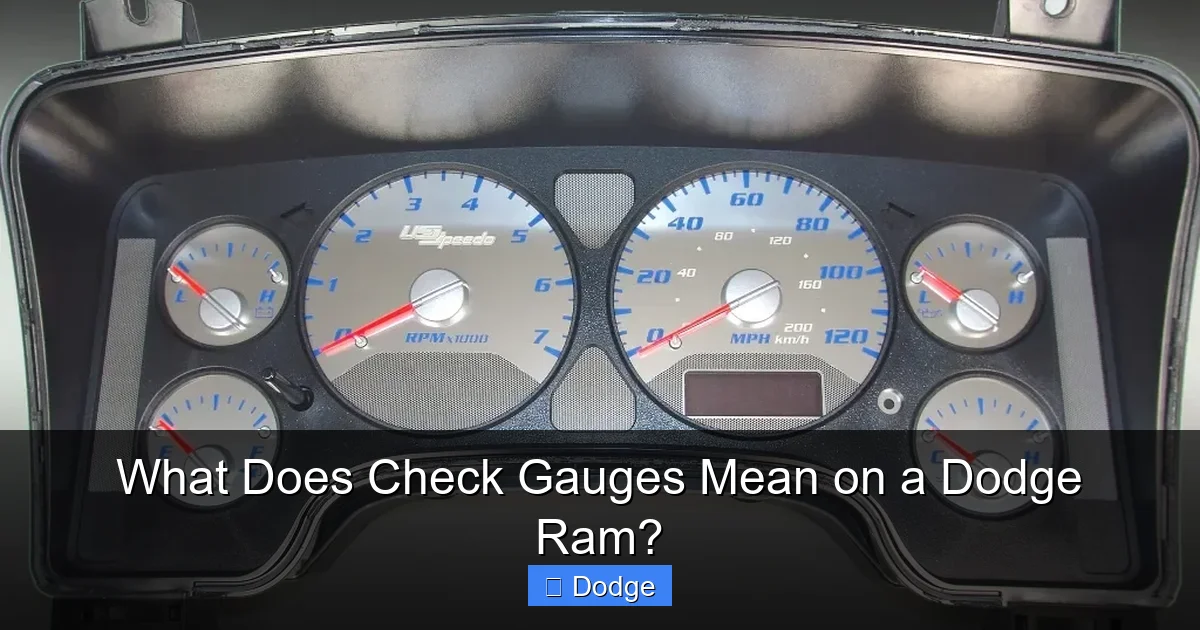
Visual guide about What Does Check Gauges Mean on a Dodge Ram?
Image source: i2.wp.com
Seeing “Check Gauges” on your dashboard can be alarming, but knowing how to respond can prevent further damage. Here’s a step-by-step guide to help you handle the situation safely and effectively.
Step 1: Stay Calm and Pull Over Safely
Your first priority is safety. If the warning appears while driving, don’t panic. Signal, check your mirrors, and pull over to a safe location—like a parking lot or the shoulder of the road. Turn on your hazard lights if you’re on a highway.
Avoid stopping in traffic or on a curve. If you’re on a busy road, drive slowly to the nearest exit or safe spot.
Step 2: Turn Off the Engine
Once you’re safely stopped, turn off the engine. This is especially important if you suspect low oil pressure or overheating. Continuing to run the engine under these conditions can cause irreversible damage.
Let the engine cool for at least 15–20 minutes if it was running hot.
Step 3: Check Critical Fluids
Pop the hood and inspect the following:
– **Oil level:** Use the dipstick to check if the oil is at the proper level. Look for signs of leaks under the truck.
– **Coolant level:** Check the coolant reservoir (only when the engine is cool). If it’s low, top it off with the correct type of coolant.
– **Battery connections:** Make sure the battery terminals are tight and free of corrosion.
If any fluid is low, add the appropriate type—but don’t assume that topping off will fix the problem. There may be an underlying leak or mechanical issue.
Step 4: Observe the Gauges
Turn the key to the “ON” position (without starting the engine) and watch the gauges. Do they move smoothly to their resting positions? Or do they stick, jump, or stay at zero?
Start the engine and observe:
– Does the oil pressure gauge rise to normal (usually 20–60 psi)?
– Does the temperature gauge stay in the middle range?
– Does the voltage gauge show 13.5–14.5 volts?
If a gauge is stuck or showing abnormal readings, note which one. This can help diagnose the issue.
Step 5: Use an OBD2 Scanner
If your truck has an OBD2 port (standard on all vehicles made after 1996), plug in a scanner to read trouble codes. Even if the check engine light isn’t on, there may be stored codes related to sensor or system failures.
Common codes associated with “Check Gauges” include:
– P0520 – Engine Oil Pressure Sensor/Switch Circuit
– P0115 – Engine Coolant Temperature Circuit
– P0562 – System Voltage Low
These codes can point you directly to the faulty component.
Step 6: Decide Whether to Drive or Call a Tow
If you’ve checked the basics and everything seems normal, you may be able to drive cautiously to a repair shop. But if:
– The oil pressure is low
– The engine is overheating
– The battery voltage is below 12 volts while running
…then it’s safer to call a tow truck. Driving under these conditions risks major engine or electrical damage.
Preventing the “Check Gauges” Warning
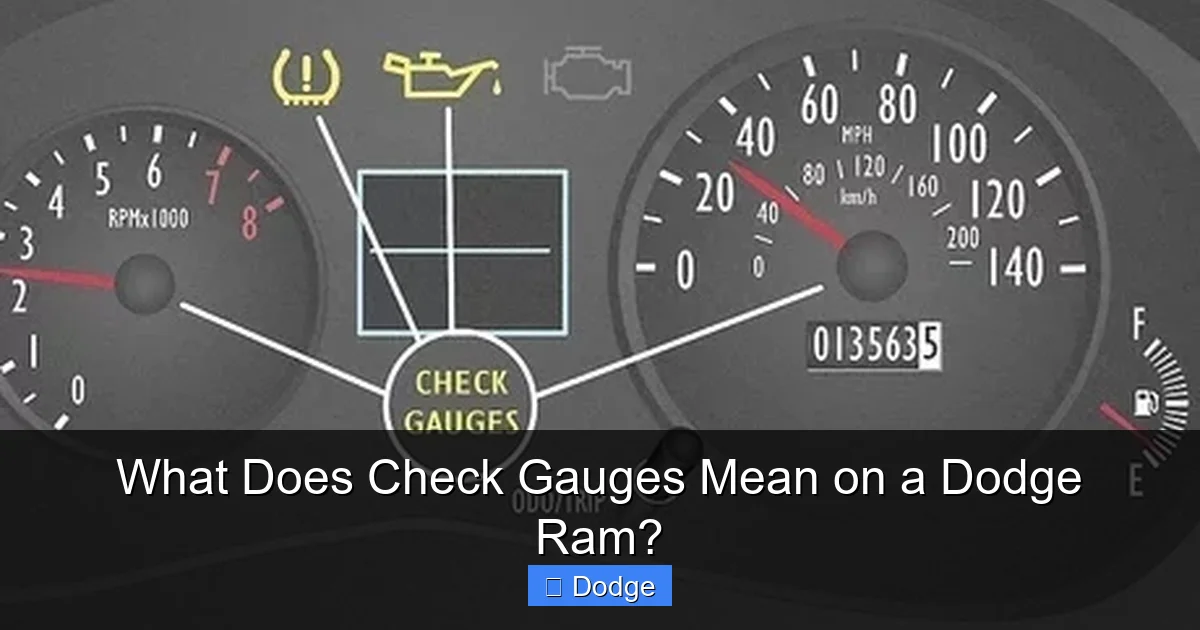
Visual guide about What Does Check Gauges Mean on a Dodge Ram?
Image source: wikihow.com
The best way to deal with “Check Gauges” is to stop it from happening in the first place. Regular maintenance and proactive checks can go a long way in keeping your Dodge Ram’s monitoring systems in top shape.
Follow the Maintenance Schedule
Your owner’s manual outlines a maintenance schedule based on mileage and time. Stick to it. Key items include:
– Oil and filter changes every 3,000–5,000 miles (or as recommended)
– Coolant flushes every 30,000–50,000 miles
– Air filter replacements
– Belt and hose inspections
Fresh oil and coolant help prevent sensor fouling and overheating.
Check Fluid Levels Weekly
Get in the habit of checking your oil, coolant, and brake fluid once a week. A quick dipstick check takes less than a minute and can catch low levels before they cause problems.
Inspect Belts and Hoses
Look for cracks, fraying, or looseness in the serpentine belt and coolant hoses. A broken belt can disable the alternator or water pump, leading to electrical or cooling failures.
Clean Battery Terminals
Corrosion on battery terminals can cause poor electrical connections. Clean them with a wire brush and baking soda solution every 6 months.
Use Quality Parts and Fluids
Cheap oil, coolant, or sensors may save money upfront but can fail prematurely. Use OEM or high-quality aftermarket parts designed for your Ram.
Address Warning Lights Promptly
If the check engine light, oil light, or battery light comes on, don’t wait. Have it diagnosed right away. Small issues can escalate quickly.
When to See a Mechanic
While some “Check Gauges” issues can be resolved with basic checks, others require professional diagnosis and repair. Here’s when you should visit a trusted mechanic:
– The warning keeps coming back after you’ve addressed obvious issues
– You’re unsure which gauge is malfunctioning
– The OBD2 scanner shows complex or multiple codes
– You notice performance problems like rough idling, stalling, or loss of power
– The instrument cluster is flickering or behaving erratically
A qualified technician can perform a thorough inspection, test sensors and wiring, and use advanced diagnostic tools to pinpoint the root cause.
Don’t rely solely on auto parts store scans—while helpful, they may not catch intermittent or electrical issues.
Real-World Examples and Owner Experiences
To give you a better sense of how this plays out in real life, here are a few common scenarios reported by Dodge Ram owners:
**Example 1: Low Oil Due to a Leak**
A 2014 Ram 1500 owner saw “Check Gauges” while driving on the highway. He pulled over and found the oil level was dangerously low. A rear main seal leak had been dripping oil for weeks. After topping off the oil and repairing the seal, the warning disappeared.
**Example 2: Faulty Oil Pressure Sensor**
A 2008 Ram 2500 driver experienced intermittent “Check Gauges” messages. The oil pressure gauge would drop to zero, then return to normal. A mechanic replaced the oil pressure sensor, and the problem was resolved—no engine damage occurred.
**Example 3: Alternator Failure**
A 2017 Ram 3500 owner noticed the battery light flicker and the “Check Gauges” message appear. The voltage gauge dropped to 11 volts. The alternator was failing and was replaced before the truck stranded him.
These stories show that while the warning can be scary, quick action often prevents serious damage.
Conclusion
The “Check Gauges” message on your Dodge Ram is a vital warning that should never be ignored. It signals that one or more of your truck’s critical monitoring systems—oil pressure, temperature, battery voltage, or fuel level—is showing abnormal readings or has malfunctioned. While the cause can range from simple maintenance issues to serious mechanical failures, the key is to respond quickly and methodically.
By understanding what the message means, knowing the common causes, and following a clear action plan, you can protect your engine, avoid costly repairs, and keep your Ram running reliably for years to come. Regular maintenance, prompt attention to warning lights, and using diagnostic tools when needed are your best defenses.
Remember: when “Check Gauges” appears, it’s not just a suggestion—it’s your truck asking for help. Listen to it.
Frequently Asked Questions
What does “Check Gauges” mean on a Dodge Ram?
The “Check Gauges” message indicates that one or more dashboard gauges—such as oil pressure, temperature, or battery voltage—is showing an abnormal reading or has malfunctioned. It’s a general warning that requires immediate inspection.
Is it safe to drive with the “Check Gauges” warning on?
It depends on the cause. If the oil pressure is low or the engine is overheating, do not drive—pull over and call a tow. If the issue seems minor and gauges appear normal, you may drive cautiously to a repair shop.
Can a bad sensor cause “Check Gauges” to appear?
Yes. Faulty sensors—like the oil pressure or coolant temperature sensor—can send incorrect data to the gauges, triggering the warning even if the engine is fine.
Why does “Check Gauges” come on and then go away?
This often points to an intermittent issue, such as a loose wire, corroded connection, or failing sensor. It may resolve temporarily but is likely to return without repair.
How much does it cost to fix a “Check Gauges” issue?
Costs vary widely. A simple oil top-off is free, while replacing a sensor may cost $100–$300, and fixing a charging system issue can range from $200 to $800 or more.
Can I reset the “Check Gauges” warning myself?
You can’t “reset” the warning like a check engine light. The message will disappear once the underlying issue is fixed and the gauges return to normal operation.
