
Which Dodge Charger Years Should You Avoid?

Buying a used Dodge Charger? Some model years are plagued by reliability problems that can lead to expensive repairs. This guide reveals the worst Charger years to avoid and highlights which ones offer the best value and performance.
If you’re in the market for a used Dodge Charger, you’re probably drawn to its bold styling, powerful engine options, and muscle car heritage. The Charger blends everyday usability with head-turning performance, making it a favorite among enthusiasts and daily drivers alike. But not all Chargers are created equal—especially when it comes to reliability.
While Dodge has made significant improvements over the years, certain model years of the Charger have developed a reputation for mechanical and electrical headaches. From transmission failures to infotainment glitches, some Chargers can turn from dream cars into money pits if you’re not careful. Knowing which years to avoid can save you thousands in repairs and countless hours of frustration.
This guide dives deep into the Dodge Charger model years you should approach with caution. We’ll break down the most common problems, explain why they happen, and offer practical tips to help you make a smart purchase. Whether you’re eyeing a V6, a Hemi V8, or the high-octane SRT variant, this information will help you steer clear of trouble and find a Charger that’s as reliable as it is thrilling.
Key Takeaways
- 2011–2014 Dodge Charger: Transmission and electrical issues – These years are notorious for faulty 5-speed automatic transmissions and erratic electrical gremlins.
- 2015–2016 Charger: Early 8-speed transmission teething problems – While improved, early adopters of the ZF 8-speed faced shifting delays and software glitches.
- 2012 Charger R/T and SRT8: Engine overheating and cooling system flaws – The 5.7L and 6.1L Hemi engines suffered from poor coolant flow and thermostat failures.
- 2019–2020 Charger: Infotainment and Uconnect bugs – Frequent screen freezes, Bluetooth drops, and software crashes plagued these models.
- 2021–2023 Charger: Recalls and build quality concerns – Multiple recalls for airbags, fuel pumps, and rearview camera issues raise red flags.
- Best years to consider: 2017–2018 and 2024 models – These offer refined performance, fewer reported issues, and strong owner satisfaction.
- Always get a pre-purchase inspection – Even in reliable years, a professional inspection can uncover hidden problems.
📑 Table of Contents
The 2011–2014 Dodge Charger: A Troublesome Era
The 2011–2014 Dodge Charger marked a major redesign for the model, introducing a sleeker, more modern look and improved interior materials. It was a big step up from the boxy 2006–2010 models, but unfortunately, this era also brought a wave of reliability concerns that have left many owners frustrated.
Transmission Troubles Dominate Complaints
One of the biggest issues with the 2011–2014 Charger is the 5-speed automatic transmission. While it was adequate for daily driving, it wasn’t built to handle the torque of the V8 engines—especially the 5.7L and 6.4L Hemi variants. Owners frequently report harsh shifting, delayed engagement, and eventual transmission failure.
For example, many 2012 Charger R/T owners have shared stories of their cars stalling at red lights or refusing to shift into gear. In some cases, the transmission would slip under hard acceleration, leading to costly rebuilds or replacements. The problem was so widespread that it sparked class-action discussions and multiple technical service bulletins (TSBs) from Dodge.
Electrical Gremlins and Sensor Failures
Beyond the transmission, the 2011–2014 Chargers are plagued by electrical issues. Faulty sensors, malfunctioning instrument clusters, and erratic behavior from the Uconnect infotainment system are common complaints. Some drivers report their dash lights flickering or going dark, while others experience sudden loss of power steering or braking assist.
One particularly annoying issue is the “Check Engine” light coming on for no apparent reason. In many cases, it’s traced back to a faulty oxygen sensor or a loose connection in the wiring harness. These problems aren’t just inconvenient—they can lead to failed emissions tests or even leave you stranded.
Cooling System Weaknesses in V8 Models
The 2012 Charger R/T and SRT8, in particular, suffer from cooling system flaws. The 5.7L and 6.1L Hemi engines generate a lot of heat, but the factory cooling setup isn’t always up to the task. Owners report overheating during stop-and-go traffic or hot weather, often due to a failing thermostat or a clogged radiator.
In some cases, the water pump fails prematurely, leading to coolant leaks and engine damage if not caught early. Upgrading to an aftermarket thermostat and ensuring regular coolant flushes can help, but it’s a hassle you shouldn’t have to deal with in a modern car.
2015–2016 Dodge Charger: Growing Pains with the 8-Speed Transmission
Visual guide about Which Dodge Charger Years Should You Avoid?
Image source: dashboardwarning.com
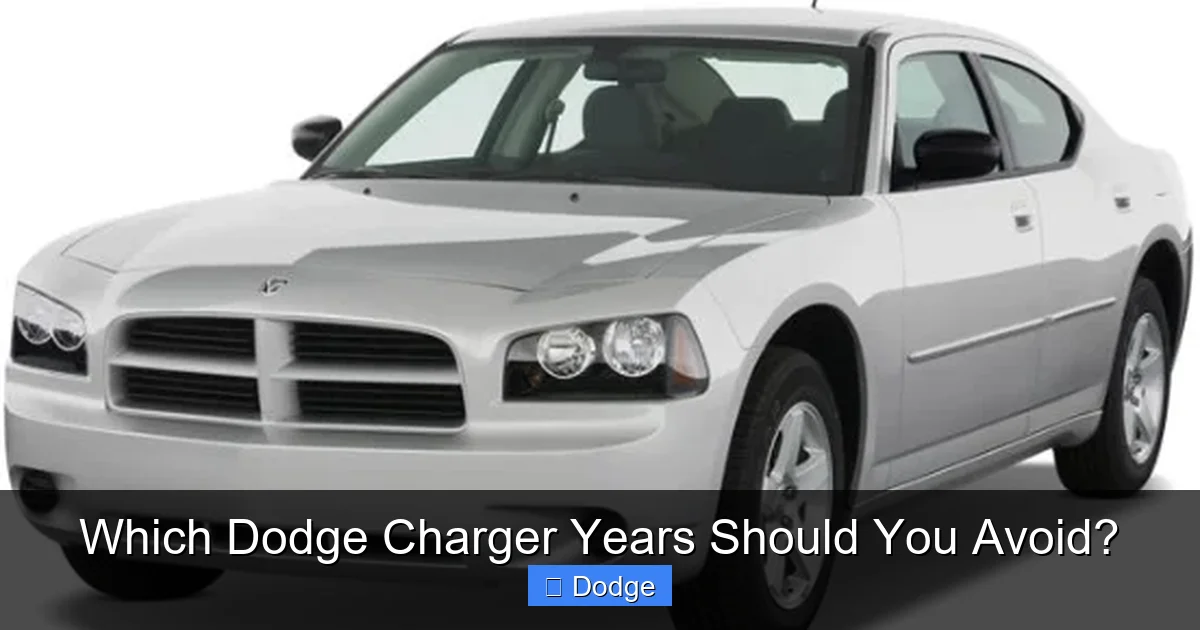
Dodge made a big leap forward in 2015 by introducing the ZF 8-speed automatic transmission across the Charger lineup. This gearbox was a game-changer—offering smoother shifts, better fuel economy, and improved performance. But like any new technology, it came with some early bugs.
Software Glitches and Shifting Delays
The 8-speed transmission in the 2015–2016 Charger is generally reliable, but early software versions had issues. Many owners report delayed shifts, especially when accelerating from a stop. The car might hesitate for a second before engaging, which can be unnerving in traffic or when merging onto a highway.
There were also complaints about the transmission “hunting” for gears—constantly shifting up and down without settling. This not only affects drivability but can also increase wear on internal components. Dodge issued several software updates to address these issues, but not all vehicles received them unless brought in for service.
Infotainment System Instability
The Uconnect system in the 2015–2016 Charger is another weak point. While it offers features like navigation, Bluetooth, and smartphone integration, it’s prone to freezing, crashing, or rebooting unexpectedly. Some drivers report the screen going black during drives, requiring a hard reset.
These glitches aren’t just annoying—they can disable critical functions like climate control or rearview cameras. In rare cases, a malfunctioning Uconnect system has been linked to battery drain, leaving the car unable to start.
Improved but Not Perfect
Despite these issues, the 2015–2016 Charger is a significant improvement over the earlier models. The 8-speed transmission is more efficient and durable than the old 5-speed, and the overall build quality is better. If you’re considering one of these years, make sure the software is up to date and have the transmission inspected by a mechanic familiar with ZF gearboxes.
2019–2020 Dodge Charger: High-Tech Woes
Visual guide about Which Dodge Charger Years Should You Avoid?
Image source: dashboardwarning.com
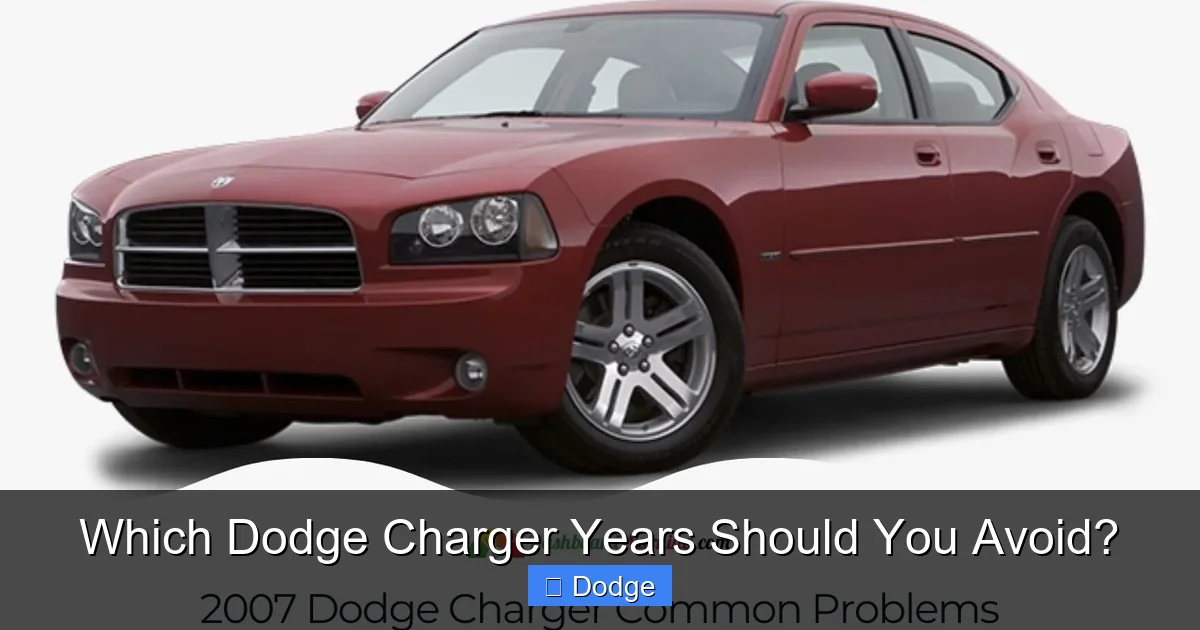
The 2019–2020 Dodge Charger brought a refreshed exterior, updated interior, and more advanced tech features. It looked great on paper—but in practice, many owners found themselves dealing with frustrating electronic problems.
Uconnect System Crashes and Freezes
The Uconnect 4 and 5 systems in these Chargers are powerful, but they’re also buggy. Owners report frequent screen freezes, unresponsive touchscreens, and Bluetooth connectivity issues. Some have had to reboot the system multiple times a week just to keep it working.
One common complaint is the system failing to recognize paired phones, requiring a full unpair and re-pair process. Others report the navigation system crashing mid-route, leaving them without directions. These issues are especially problematic because the Uconnect system controls everything from audio to climate settings.
Backup Camera and Safety Feature Failures
Another major concern with the 2019–2020 Charger is the rearview camera. Many owners report the screen going black when shifting into reverse, making it difficult to back up safely. In some cases, the camera works intermittently or displays a distorted image.
Additionally, advanced safety features like blind-spot monitoring and forward collision warning have been known to malfunction. Sensors can get dirty or misaligned, causing false alerts or complete system failure. While these features can be recalibrated, it’s an extra cost and inconvenience.
Build Quality and Interior Rattles
Some 2019–2020 Chargers also suffer from poor build quality. Owners report squeaks, rattles, and panel gaps, especially in higher-mileage examples. The materials feel cheaper than expected for a car in this price range, and some trim pieces have been known to crack or warp over time.
While these issues don’t affect performance, they can detract from the overall driving experience and resale value.
2021–2023 Dodge Charger: Recalls and Reliability Concerns
Visual guide about Which Dodge Charger Years Should You Avoid?
Image source: dashboardwarning.com
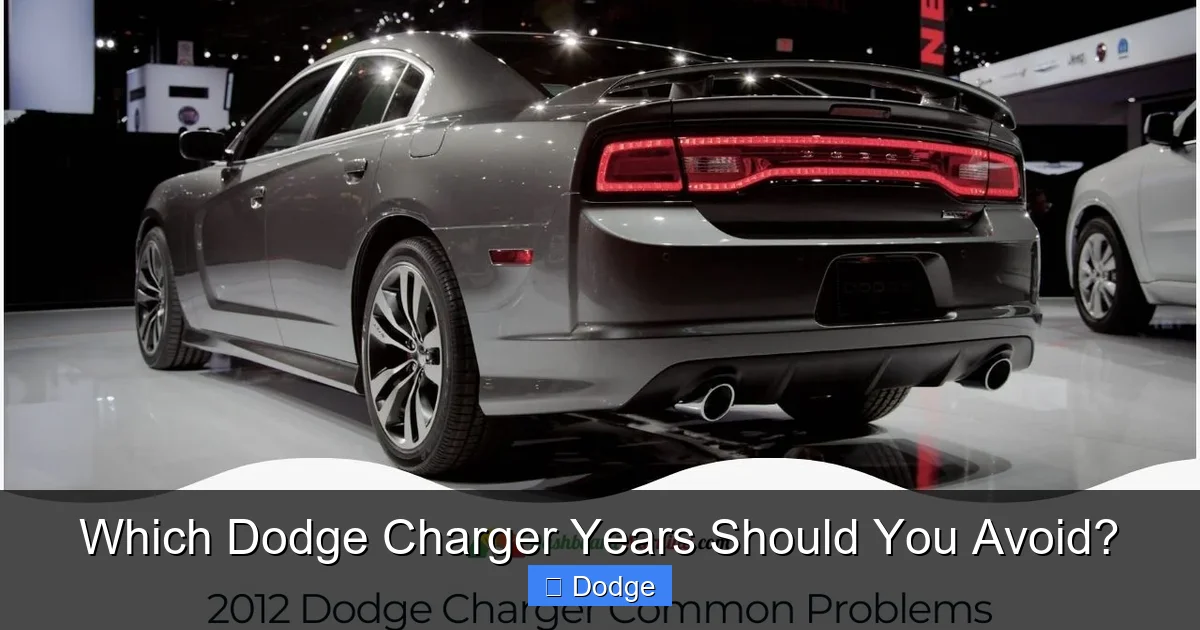
The 2021–2023 Dodge Charger represents the latest evolution of the model, with updated styling, more powerful engines, and enhanced tech. But despite these improvements, this era has been marred by a string of recalls and quality control issues.
Multiple Safety Recalls
One of the biggest red flags for the 2021–2023 Charger is the number of recalls. In 2022 alone, Dodge issued recalls for faulty airbag sensors, defective fuel pumps, and malfunctioning rearview cameras. These aren’t minor issues—they can pose serious safety risks if not addressed.
For example, a recall affecting over 100,000 Chargers involved the fuel pump control module, which could fail and cause the engine to stall unexpectedly. Another recall addressed a software glitch that could disable the electronic stability control system.
Engine and Transmission Concerns
While the 8-speed transmission is generally reliable, some 2021–2023 Chargers have experienced premature wear or shifting problems. Owners of the 6.2L supercharged Hellcat models, in particular, report issues with the supercharger drive belt and tensioner, which can fail under high stress.
Additionally, the 3.6L Pentastar V6 has been linked to oil consumption issues in some cases. While not as severe as the problems in earlier years, it’s still something to watch for during a test drive or inspection.
Infotainment and Connectivity Problems Persist
Even with the latest Uconnect 5 system, the 2021–2023 Charger continues to struggle with software stability. Owners report slow boot times, app crashes, and Wi-Fi connectivity issues. The system is more powerful than ever, but it’s also more complex—and more prone to bugs.
Best Dodge Charger Years to Consider
Not all Dodge Charger years are problematic. In fact, some model years stand out for their reliability, performance, and value.
2017–2018 Dodge Charger: The Sweet Spot
The 2017–2018 Charger is widely regarded as one of the best years to buy. These models benefit from the mature 8-speed transmission, improved software, and a more refined driving experience. Reliability is strong across all engine options, and owner satisfaction is high.
Whether you go for the efficient 3.6L V6, the muscular 5.7L Hemi, or the track-ready 6.4L SRT, you’re getting a well-sorted package. Just be sure to check for regular maintenance records and avoid examples with a history of hard driving or neglect.
2024 Dodge Charger: A Fresh Start
The 2024 Dodge Charger introduces a new generation with updated styling, improved tech, and a focus on reliability. Early reports suggest fewer software glitches and better build quality. While it’s still too early to judge long-term reliability, initial feedback is positive.
If you’re looking for a new Charger, the 2024 model is a strong contender—especially if you want the latest features and peace of mind.
Tips for Buying a Used Dodge Charger
No matter which year you’re considering, a few smart steps can help you avoid trouble:
Get a Pre-Purchase Inspection
Always have a trusted mechanic inspect the car before buying. They can check for transmission wear, engine issues, and hidden damage. This is especially important for high-mileage Chargers or those with a history of performance use.
Check the Vehicle History Report
Use services like Carfax or AutoCheck to review the car’s history. Look for accidents, flood damage, or multiple owners in a short time—these can be red flags.
Test Drive Thoroughly
Pay attention to how the car shifts, accelerates, and handles. Listen for unusual noises, and test all electronic features, including the infotainment system, climate control, and safety features.
Research Common Issues for That Year
Every Charger model year has its quirks. Do your homework and know what to look for. Online forums like ChargerForums.com and Reddit’s r/Dodge can be great resources.
Consider Extended Warranties
If you’re buying a used Charger with higher mileage, an extended warranty can provide peace of mind. Just read the fine print and make sure it covers major components like the engine and transmission.
Conclusion
The Dodge Charger is a fantastic car with a lot to offer—power, style, and everyday usability. But like any vehicle, some years are better than others. The 2011–2014 models are best avoided due to transmission and electrical issues, while the 2019–2023 Chargers come with their own set of tech and recall concerns.
If you’re smart about your purchase, you can find a Charger that’s both thrilling to drive and reliable. Focus on the 2017–2018 models for the best balance of performance and dependability, or consider the new 2024 Charger for the latest tech and improvements.
Remember: a little research and a thorough inspection can go a long way. Don’t let a bad model year ruin your Charger experience. With the right knowledge, you can enjoy all the muscle and excitement this iconic American sedan has to offer—without the headaches.
Frequently Asked Questions
Which Dodge Charger year has the most problems?
The 2011–2014 Dodge Charger models are widely considered the most problematic, primarily due to transmission failures, electrical issues, and cooling system flaws in V8 variants.
Is the 2015 Dodge Charger reliable?
The 2015 Charger is more reliable than earlier models thanks to the new 8-speed transmission, but early software glitches and infotainment bugs can still cause issues. Regular software updates help.
Are 2020 Dodge Chargers good cars?
The 2020 Charger offers strong performance and modern features, but many owners report Uconnect system crashes, backup camera failures, and safety sensor malfunctions.
What year Dodge Charger should I avoid?
Avoid the 2011–2014 models for transmission and electrical problems, and be cautious with 2019–2023 models due to recalls and infotainment bugs.
Is the 2024 Dodge Charger worth buying?
Yes, the 2024 Charger is a strong choice with updated styling, improved tech, and early reports of better reliability. It’s a fresh start for the model line.
How can I tell if a used Charger has transmission problems?
Listen for harsh shifts, delays in engagement, or slipping under acceleration. A pre-purchase inspection by a mechanic familiar with Dodge transmissions is the best way to assess condition.
