
What Does Subaru Certified Pre-owned Mean?

Subaru Certified Pre-Owned (CPO) vehicles undergo a rigorous 152-point inspection, come with extended warranty coverage, and offer peace of mind for buyers seeking reliable, high-quality used cars. Backed by Subaru’s reputation for durability and safety, CPO models are a smart alternative to buying new—without the steep price tag.
Key Takeaways
- Rigorous 152-point inspection: Every Subaru CPO vehicle is thoroughly inspected by factory-trained technicians to ensure it meets strict quality standards.
- Extended factory-backed warranty: CPO vehicles include a 7-year/100,000-mile powertrain warranty and optional comprehensive coverage for added protection.
- Roadside assistance and trip interruption: Subaru CPO owners receive 24/7 roadside assistance and reimbursement for meals and lodging if breakdowns occur more than 100 miles from home.
- Vehicle history report included: Each CPO car comes with a detailed CARFAX® or AutoCheck® report to verify clean title, accident history, and service records.
- Only late-model, low-mileage vehicles qualify: Subaru CPO cars must be six model years or newer and have fewer than 80,000 miles to be eligible.
- Available at authorized Subaru dealers: CPO vehicles can only be purchased through certified Subaru dealerships, ensuring authenticity and support.
- Higher resale value: CPO certification helps maintain the vehicle’s value over time, making it easier to sell or trade in later.
📑 Table of Contents
What Does Subaru Certified Pre-Owned Mean?
Buying a used car can feel like a gamble—especially when you’re not sure about its history, condition, or reliability. That’s where Subaru Certified Pre-Owned (CPO) comes in. It’s a program designed to give buyers confidence by offering used Subaru vehicles that meet high standards of quality, safety, and performance. But what exactly does “certified pre-owned” mean in the Subaru world? And how does it differ from just any used car on the lot?
Simply put, a Subaru Certified Pre-Owned vehicle isn’t just any used car. It’s a late-model, low-mileage Subaru that has passed a comprehensive inspection, comes with extended warranty protection, and is backed by the manufacturer itself. Think of it as the best of both worlds: the affordability of a used car with the reliability and peace of mind of a new one. Whether you’re eyeing a rugged Outback for weekend adventures or a fuel-efficient Impreza for city driving, choosing a CPO model means you’re getting a vehicle that’s been vetted, verified, and verified again.
How Subaru CPO Vehicles Are Selected
Not every used Subaru qualifies for the Certified Pre-Owned program. Subaru has strict eligibility requirements to ensure only the best vehicles earn the CPO badge. This careful selection process is what sets Subaru CPO apart from other used car options.
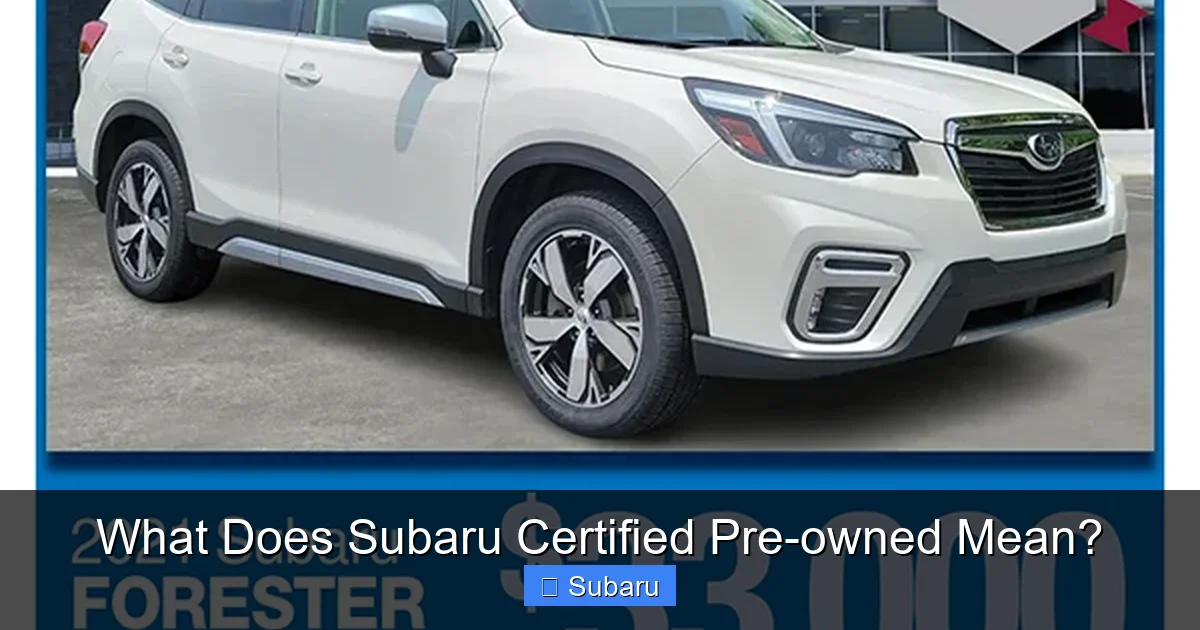
Visual guide about What Does Subaru Certified Pre-owned Mean?
Image source: files.constantcontact.com
Eligibility Requirements
To be considered for certification, a Subaru must meet several key criteria. First, the vehicle must be six model years old or newer. For example, in 2024, only models from 2018 or later can qualify. Second, the odometer must show fewer than 80,000 miles. This ensures the car hasn’t been overused and still has plenty of life left.
Additionally, the vehicle must have a clean title—no salvage, flood, or rebuilt titles allowed. Subaru also checks the vehicle’s history to ensure it hasn’t been in a major accident or had significant structural damage. These rules help maintain the integrity of the CPO program and protect buyers from hidden problems.
Inspection Process
Once a vehicle meets the basic eligibility requirements, it undergoes a thorough 152-point inspection conducted by factory-trained Subaru technicians. This isn’t a quick once-over—it’s a detailed examination of every major system and component.
The inspection covers everything from engine performance and transmission function to brakes, suspension, and electrical systems. Technicians also check the interior for wear and tear, test all safety features (like airbags and ABS), and inspect the tires and wheels. Even cosmetic details like paint condition and upholstery are evaluated.
If any issues are found—no matter how small—they must be repaired using genuine Subaru parts before the vehicle can be certified. This ensures that every CPO car is in top condition and ready for the road.
Reconditioning and Repairs
After the inspection, any necessary repairs or reconditioning are performed at the dealership using only OEM (Original Equipment Manufacturer) parts. This means you’re getting the same quality parts that were used when the car was brand new.
Common reconditioning tasks include replacing worn brake pads, topping off fluids, fixing minor dents or scratches, and updating software systems. The goal is to restore the vehicle to near-new condition, both mechanically and cosmetically.
Once all repairs are complete and the vehicle passes a final quality check, it’s officially certified and ready for sale. This level of care gives buyers confidence that they’re getting a reliable, well-maintained car.
Benefits of Choosing a Subaru CPO Vehicle
Buying a Subaru Certified Pre-Owned vehicle isn’t just about getting a good deal—it’s about getting value, protection, and peace of mind. The CPO program offers several key benefits that make it a smart choice for savvy car buyers.
Visual guide about What Does Subaru Certified Pre-owned Mean?
Image source: pictures.dealer.com
Extended Warranty Coverage
One of the biggest advantages of a Subaru CPO vehicle is the extended warranty. Every CPO car comes with a 7-year/100,000-mile powertrain warranty from the original in-service date. This covers major components like the engine, transmission, and drivetrain—parts that can be expensive to repair.
But that’s not all. Buyers also have the option to purchase additional coverage through Subaru’s Extended Warranty program. This can include comprehensive protection for things like air conditioning, electrical systems, and even wear-and-tear items like brake pads and shocks. It’s like having a safety net for your car.
24/7 Roadside Assistance
Subaru CPO owners get access to 24/7 roadside assistance for the duration of the warranty. Whether you’re stranded with a flat tire, dead battery, or locked out of your car, help is just a phone call away. Services include towing, jump-starts, fuel delivery, and lockout assistance.
Even better, if your breakdown happens more than 100 miles from home, Subaru will reimburse you for meals and lodging up to $500. This is especially helpful for road trippers or frequent travelers who rely on their Subaru for long-distance adventures.
Vehicle History Report
Transparency is key when buying a used car, and Subaru delivers with a complimentary vehicle history report. Every CPO vehicle comes with a detailed CARFAX® or AutoCheck® report that shows the car’s ownership history, accident records, service history, and whether it’s ever had a salvage title.
This report helps buyers make informed decisions and avoid cars with hidden problems. It’s one more way Subaru builds trust with its customers.
Higher Resale Value
Because CPO vehicles are well-maintained and come with warranty protection, they tend to hold their value better than non-certified used cars. When it’s time to sell or trade in your Subaru, having that CPO certification can make a big difference in the resale price.
Buyers are often willing to pay more for a certified vehicle because they know it’s been inspected and backed by the manufacturer. This makes CPO a smart long-term investment.
Subaru CPO vs. Regular Used Cars: What’s the Difference?
It’s easy to assume that all used cars are the same, but there are important differences between a Subaru CPO vehicle and a regular used car—even if they’re the same model and year. Understanding these differences can help you make a smarter buying decision.
Visual guide about What Does Subaru Certified Pre-owned Mean?
Image source: images.app.ridemotive.com
Quality Assurance
With a regular used car, you’re often buying “as-is,” meaning the dealer makes no promises about the vehicle’s condition. You might get lucky, or you might end up with hidden mechanical issues that cost thousands to fix.
In contrast, a Subaru CPO vehicle has been inspected, repaired, and certified by Subaru technicians. It’s not just “used”—it’s been restored to high standards. This level of quality assurance is rare in the used car market.
Warranty Protection
Most regular used cars come with no warranty or only a short dealer warranty that may not cover major repairs. Once the warranty expires, you’re on your own.
Subaru CPO vehicles, on the other hand, come with a factory-backed warranty that lasts up to 7 years or 100,000 miles. This is the same kind of protection you’d get with a new car, but at a lower price point.
Peace of Mind
Buying a car is a big decision, and peace of mind matters. With a CPO vehicle, you know you’re getting a reliable, well-maintained car with a clean history. You also have access to roadside assistance and support from Subaru’s nationwide dealer network.
With a regular used car, you might save a little money upfront, but you could end up paying more in repairs, stress, and uncertainty down the road.
How to Buy a Subaru CPO Vehicle
Ready to explore Subaru Certified Pre-Owned options? The process is simple and starts with finding an authorized Subaru dealership. Only certified dealers can sell CPO vehicles, so it’s important to shop at the right place.
Search Online or Visit a Dealer
Most Subaru dealerships list their CPO inventory online, so you can browse available models, compare prices, and check vehicle details from home. You can filter by model, year, mileage, and location to find the perfect match.
Once you’ve found a few options, schedule a test drive. This is your chance to see how the car feels on the road, check the interior comfort, and ask questions about the vehicle’s history and condition.
Review the Certification Details
When you find a CPO vehicle you like, ask to see the certification paperwork. This should include the inspection checklist, repair records, and vehicle history report. Reviewing these documents helps you understand exactly what was done to prepare the car for sale.
Don’t hesitate to ask the salesperson about the warranty coverage, roadside assistance, and any optional add-ons. A good dealer will be happy to explain the benefits and help you make an informed decision.
Negotiate and Finalize the Purchase
While CPO vehicles are priced competitively, there’s often room for negotiation—especially on older models or those with higher mileage. Be prepared to discuss price, financing options, and trade-in value.
Once you’re ready to buy, the dealer will handle the paperwork, including transferring the title and registering the vehicle. You’ll also receive your warranty documents and roadside assistance information.
Real-World Example: A Subaru CPO Success Story
Take Sarah, a busy mom from Denver who needed a reliable SUV for school drop-offs, grocery runs, and weekend mountain trips. She loved the idea of a new Subaru Outback but couldn’t justify the $35,000 price tag.
Instead, she found a 2021 Subaru Outback Premium with 38,000 miles at a local CPO dealer. The vehicle had passed the 152-point inspection, came with a clean CARFAX report, and included the 7-year/100,000-mile powertrain warranty. She also added the optional comprehensive coverage for extra protection.
After a test drive and a quick negotiation, Sarah bought the Outback for $27,500—$7,500 less than a new model. She now enjoys all the features of a new car, plus the peace of mind that comes with CPO certification. And when she travels to the mountains, she knows help is just a phone call away.
Conclusion
Subaru Certified Pre-Owned isn’t just a label—it’s a promise of quality, reliability, and value. From the rigorous 152-point inspection to the extended warranty and roadside assistance, every aspect of the CPO program is designed to protect buyers and deliver a superior ownership experience.
If you’re in the market for a used car but want the confidence of a new one, a Subaru CPO vehicle is worth serious consideration. You get the best of both worlds: affordability without compromise. So next time you’re shopping for a Subaru, look for the CPO badge—it could be the smartest decision you make.
Frequently Asked Questions
What is the difference between Subaru CPO and a regular used Subaru?
A Subaru CPO vehicle has passed a 152-point inspection, comes with an extended factory warranty, and includes roadside assistance and a vehicle history report. A regular used Subaru may not have been inspected or repaired to the same standards and typically comes with no warranty.
How long is the Subaru CPO warranty?
Every Subaru CPO vehicle comes with a 7-year/100,000-mile powertrain warranty from the original in-service date. Buyers can also purchase additional comprehensive coverage for other components.
Can I buy a Subaru CPO vehicle from any dealer?
No, Subaru CPO vehicles can only be sold by authorized Subaru dealerships. This ensures the certification process is followed correctly and buyers receive genuine support.
Do Subaru CPO vehicles come with roadside assistance?
Yes, all Subaru CPO owners receive 24/7 roadside assistance for the duration of the warranty, including towing, jump-starts, and trip interruption reimbursement up to $500.
Are Subaru CPO vehicles more expensive than regular used cars?
Subaru CPO vehicles may have a slightly higher price than non-certified used cars, but they offer greater value through warranty protection, inspection, and peace of mind, making them a smart long-term investment.
Can I finance a Subaru CPO vehicle?
Yes, most Subaru dealerships offer financing options for CPO vehicles, including competitive interest rates and flexible terms. You can also use trade-ins and manufacturer incentives to reduce the overall cost.
