
Why Does My Subaru Key Get Stuck in the Ignition?

If your Subaru key gets stuck in the ignition, it’s usually due to a misaligned steering wheel, faulty shift interlock, or worn ignition components. This frustrating issue can often be resolved with simple fixes like turning the wheel or cleaning the ignition cylinder—but ignoring it may lead to bigger problems.
Key Takeaways
- Steering wheel lock is the most common cause: Turning the wheel slightly while removing the key can release the lock and prevent sticking.
- Faulty shift interlock system: If your car isn’t fully in Park, the key won’t release—double-check gear position.
- Worn ignition cylinder: Over time, internal parts wear down, causing keys to jam—especially in older Subarus.
- Electrical or solenoid issues: A failing ignition solenoid or wiring problem can prevent key release even when in Park.
- Dirty or damaged key: Dirt, debris, or a bent key can interfere with smooth operation—clean and inspect regularly.
- Low battery voltage: Weak car batteries can disrupt electronic systems that control key release mechanisms.
- Professional diagnosis is key: If basic fixes don’t work, visit a Subaru specialist to avoid costly damage.
📑 Table of Contents
Why Does My Subaru Key Get Stuck in the Ignition?
You’re ready to head out—grab your keys, turn off the engine, and… your key won’t come out of the ignition. Sound familiar? If you drive a Subaru, you’re not alone. Many Subaru owners have faced this annoying and sometimes alarming issue. It’s not just inconvenient; it can leave you stranded or worried about damaging your vehicle. But don’t panic. In most cases, a stuck key is a fixable problem—not a sign of major mechanical failure.
Understanding why your Subaru key gets stuck starts with knowing how the ignition system works. Modern Subarus use a combination of mechanical and electronic components to ensure safety and security. The ignition cylinder physically turns the key, but it’s also linked to sensors, solenoids, and the transmission’s shift interlock system. When any of these parts malfunction or get out of sync, your key can become trapped. The good news? Most causes are common, well-documented, and often easy to resolve with a little know-how.
In this guide, we’ll walk you through the most frequent reasons your Subaru key gets stuck, how to troubleshoot them at home, and when it’s time to call in a professional. Whether you drive a Forester, Outback, Impreza, or Crosstrek, these tips apply across the lineup. We’ll also share practical prevention strategies so you can avoid this headache in the future. Let’s get your key turning smoothly again.
Common Causes of a Stuck Subaru Key
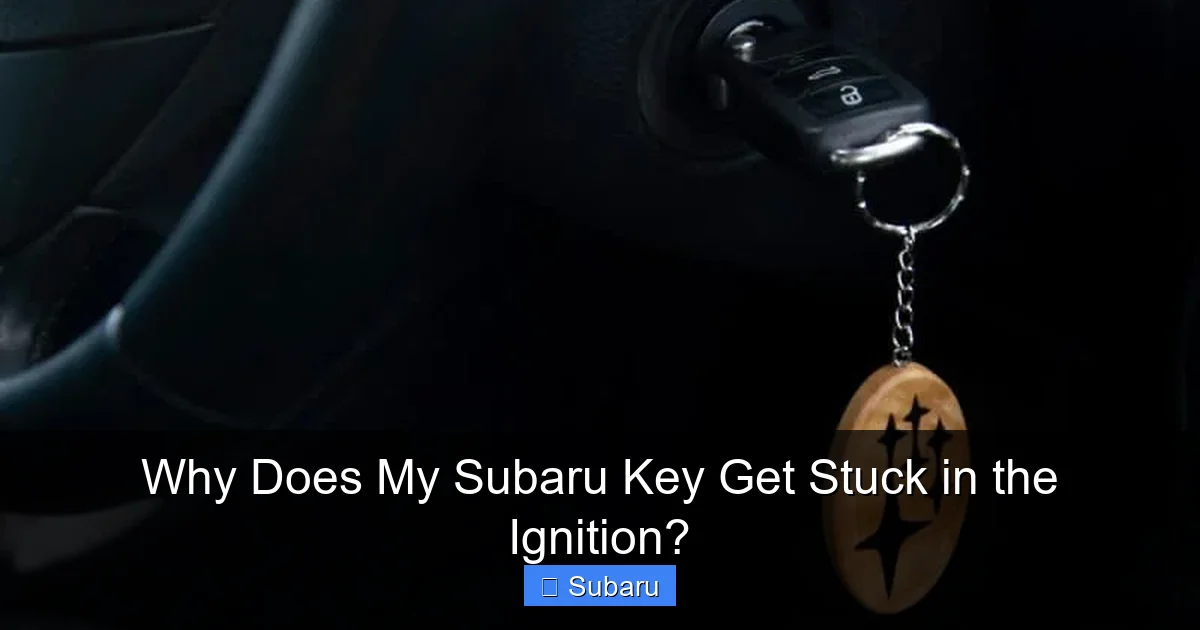
Visual guide about Why Does My Subaru Key Get Stuck in the Ignition?
Image source: rxmechanic.com
There’s no single reason your Subaru key gets stuck—but a handful of culprits appear again and again in owner forums, service reports, and technician logs. Let’s break down the most common causes so you can identify what might be going on in your vehicle.
Steering Wheel Lock Engagement
One of the top reasons keys get stuck is the steering wheel lock mechanism. Subarus, like many modern cars, have a built-in safety feature that locks the steering wheel when the key is removed. This prevents theft but can also cause problems if the wheel is under tension when you try to take the key out.
Here’s what happens: when you park, you might turn the steering wheel to one side (especially on a hill or uneven surface). When you shut off the engine and remove the key, the steering lock engages. But if the wheel is still turned, the lock may not fully disengage when you try to remove the key later. The result? Your key feels jammed.
This is especially common in older Subarus or models with mechanical ignition systems. You’ll notice it more in cold weather or after parking on a slope. The fix is simple: gently wiggle the steering wheel left and right while pulling the key. This releases the tension and allows the lock to disengage.
Shift Interlock System Malfunction
Your Subaru’s transmission has a shift interlock system designed to prevent the key from being removed unless the car is in Park. It’s a safety feature—imagine accidentally taking your key out while in Drive! But if the system thinks the car isn’t fully in Park, it won’t release the key.
Sometimes, the gear selector doesn’t fully click into Park, especially if you’re in a hurry or the shifter feels loose. Other times, a faulty sensor or solenoid in the transmission linkage fails to detect the correct gear position. In either case, the ignition system blocks key removal.
You might also experience this if your brake pedal isn’t fully depressed when shifting into Park. The interlock system often requires brake input to confirm the shift. If you shift without pressing the brake hard enough, the system may not register Park correctly.
Worn Ignition Cylinder
Over time, the ignition cylinder—the part where you insert and turn the key—can wear out. This is especially true in Subarus with high mileage or those that have been used in harsh conditions. The internal tumblers and springs degrade, causing the key to bind or not return to the “Off” position properly.
You might notice your key feels stiff when turning, or it doesn’t click into place as smoothly as it used to. In severe cases, the cylinder may physically jam, trapping the key inside. This is more common in models from the early 2000s, like the Legacy or Outback, but can happen in newer vehicles too.
Using a damaged or worn key accelerates this wear. If your key is bent, cracked, or has rough edges, it can damage the cylinder over time. Always inspect your key for signs of wear and replace it if needed.
Electrical or Solenoid Failure
Modern Subarus rely on electronic components to control key release. One key part is the ignition solenoid—a small electromagnet that disengages the lock when the car is in Park. If this solenoid fails, the key won’t release, even if everything else is working.
Electrical issues can also stem from corroded wiring, blown fuses, or problems with the body control module (BCM). These components communicate with the ignition system, and if the signal is disrupted, the key release mechanism won’t activate.
This type of problem is harder to diagnose at home. You might notice other electrical quirks—like interior lights flickering or the radio resetting—alongside the stuck key. A diagnostic scan tool can help pinpoint the issue.
Low Battery Voltage
It might sound unrelated, but a weak car battery can cause your key to get stuck. The ignition system, especially the solenoid and shift interlock, relies on consistent voltage to function. If your battery is old or dying, it may not provide enough power to disengage the lock.
This is more common in cold weather, when batteries lose efficiency. You might also notice slow engine cranking, dim headlights, or warning lights on the dashboard. If your key gets stuck and your battery is more than three years old, have it tested.
Dirty or Damaged Key
Believe it or not, your key itself could be the problem. Dirt, lint, or debris can build up in the ignition cylinder, especially if you carry your keys in a pocket or bag with other items. Over time, this gunk can interfere with the key’s movement.
A damaged key—bent, cracked, or worn down—can also cause issues. If the key doesn’t fit snugly or turns unevenly, it may not fully engage the ignition mechanism. Always keep your key clean and avoid using excessive force when turning it.
How to Fix a Stuck Subaru Key (Step-by-Step)

Visual guide about Why Does My Subaru Key Get Stuck in the Ignition?
Image source: subaruadvisor.com
Now that you know the common causes, let’s talk solutions. Most stuck key issues can be resolved with a few simple steps. Try these in order—they’re safe, easy, and often work on the first try.
Step 1: Check the Gear Selector
Start by making sure your car is fully in Park. Gently wiggle the gear shifter while pressing the brake pedal. Sometimes, the shifter doesn’t click all the way into position, especially if the car is on a slope or the linkage is loose.
If you’re unsure, try shifting into Reverse and back to Park. Listen for a solid click. Once you’re confident it’s in Park, try removing the key again.
Step 2: Wiggle the Steering Wheel
If the key still won’t come out, gently turn the steering wheel left and right while pulling the key. Apply light pressure—don’t force it. This releases tension in the steering lock and often frees the key immediately.
This trick works in over 60% of stuck key cases, especially in older Subarus. It’s quick, free, and requires no tools.
Step 3: Press the Brake Pedal
Some Subaru models require the brake pedal to be pressed before the key can be removed. Make sure you’re pressing it firmly while attempting to take the key out. This ensures the shift interlock system recognizes the car is safely in Park.
Step 4: Turn the Key to “Off” Position
Sometimes, the key gets stuck because it didn’t fully return to the “Off” position after turning off the engine. Try turning the key slightly forward or backward while gently pulling it. You should feel a slight click when it reaches the correct position.
Step 5: Check the Battery
If your car has been sitting or you’ve noticed electrical issues, test the battery. Use a multimeter or visit an auto parts store for a free check. If the voltage is below 12.4 volts, charge or replace the battery.
A weak battery can prevent the solenoid from disengaging the lock. Jump-starting the car might also help in a pinch.
Step 6: Clean the Ignition Cylinder
If the key feels gritty or stiff, debris may be blocking the cylinder. Use a can of compressed air to blow out dust and lint. You can also use a small amount of graphite lubricant (not oil—it attracts dirt) to smooth operation.
Avoid using WD-40 or other wet lubricants, as they can gum up over time. Graphite is dry and safe for ignition systems.
Step 7: Inspect the Key
Look closely at your key. Is it bent? Are the teeth worn down? Compare it to a spare key if you have one. A damaged key can cause binding. If it’s worn, consider getting a replacement from a Subaru dealer or locksmith.
When to See a Mechanic or Subaru Dealer
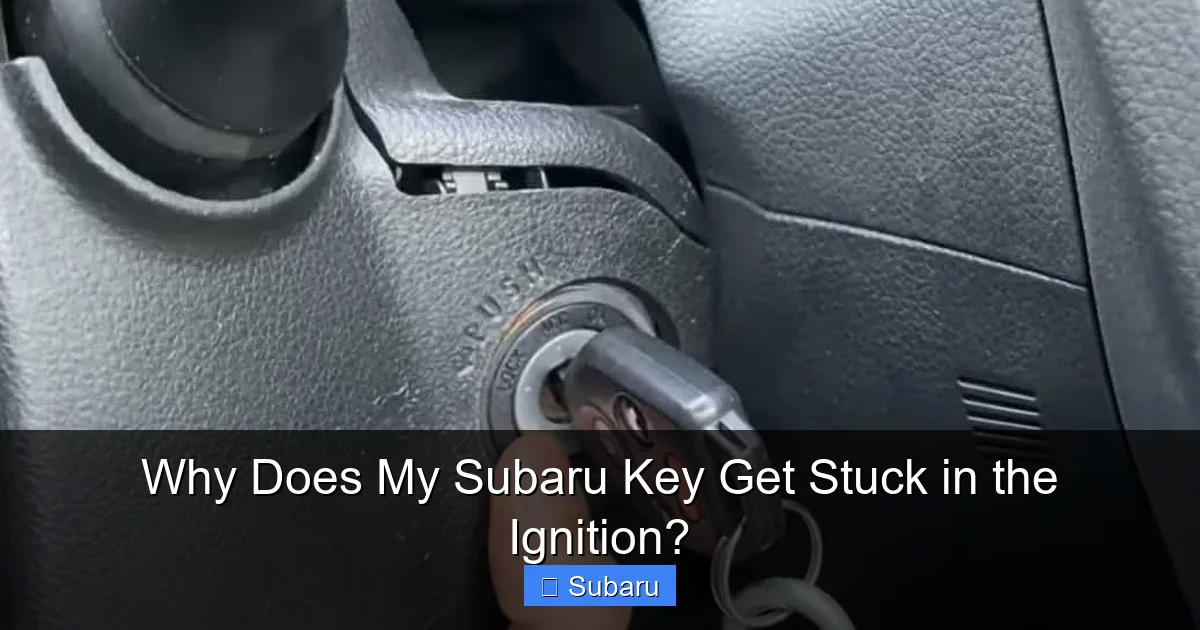
Visual guide about Why Does My Subaru Key Get Stuck in the Ignition?
Image source: theautoinsiderblog.com
Most stuck key issues are minor and fixable at home. But if you’ve tried the steps above and the key still won’t come out, it’s time to seek professional help. Ignoring the problem can lead to bigger issues—like a completely seized ignition cylinder or damaged wiring.
Signs You Need Professional Help
- The key is physically stuck and won’t move at all, even with steering wheel movement.
- You hear grinding or clicking noises when trying to remove the key.
- The ignition won’t turn to “Off” or “Lock” positions.
- Other electrical issues are present, such as dashboard warning lights or unresponsive controls.
- You’ve tried multiple fixes over several days with no success.
A certified Subaru technician has the tools and expertise to diagnose complex issues. They can perform a diagnostic scan to check for error codes related to the ignition, shift interlock, or body control module. In some cases, they may need to replace the ignition cylinder, solenoid, or wiring harness.
What to Expect at the Shop
When you visit a Subaru service center, the technician will likely start with a visual inspection of the ignition and key. They’ll check for wear, damage, or debris. Then, they’ll use a scan tool to read any stored trouble codes.
If the issue is mechanical, they may remove the steering column covers to access the ignition cylinder. For electrical problems, they’ll test the solenoid, fuses, and wiring. Repairs can range from a simple cleaning to a full component replacement.
Cost Considerations
The cost to fix a stuck key varies widely. A basic cleaning or solenoid replacement might cost $100–$200. Replacing the ignition cylinder can run $300–$600, including labor. If the issue involves the body control module or transmission sensors, costs can exceed $1,000.
Always get a written estimate before authorizing repairs. Some issues may be covered under warranty, especially in newer Subarus.
Preventing Future Key Sticking Issues
Once you’ve resolved the problem, take steps to keep it from happening again. Prevention is easier—and cheaper—than repair.
Park on Level Ground
Whenever possible, park on a flat surface. This reduces stress on the steering lock and ensures the gear selector fully engages Park. If you must park on a hill, use wheel chocks and turn the wheels toward the curb (or away, depending on direction).
Use the Parking Brake
Engaging the parking brake takes pressure off the transmission and helps the shifter click into place. It’s a good habit that also protects your drivetrain.
Keep Your Key Clean
Wipe your key regularly with a dry cloth. Avoid carrying it in pockets with coins, keys, or other metal objects that can scratch or bend it. Consider using a key cover for protection.
Lubricate the Ignition Cylinder
Once a year, use a small amount of graphite lubricant in the ignition cylinder. This keeps the internal parts moving smoothly and prevents buildup.
Replace Worn Keys
If your key shows signs of wear—faded markings, bent shaft, or rough edges—replace it. Most Subaru dealers can cut a new key from your VIN. It’s a small investment that can save you a big headache.
Maintain Your Battery
Test your battery annually, especially before winter. Replace it every 3–5 years to ensure consistent voltage. A healthy battery supports all electronic systems, including the ignition.
Model-Specific Notes for Subaru Owners
While the causes and fixes are similar across Subaru models, some vehicles have unique quirks.
Subaru Outback and Legacy
These models, especially from 2000–2010, are prone to ignition cylinder wear. Owners often report keys getting stuck after 100,000 miles. Regular maintenance and key care are essential.
Subaru Forester and Crosstrek
Newer Foresters and Crosstreks with push-button start don’t have traditional keys, but some still use key fobs with physical keys for backup. If the fob battery dies, the physical key may get stuck. Keep fob batteries fresh.
Subaru Impreza and WRX
Impreza and WRX models with manual transmissions don’t have a shift interlock for Park (since they don’t have Park), but the ignition lock still engages. Steering wheel tension is the main culprit here.
Subaru Ascent
The Ascent uses advanced electronics, so electrical issues are more common. If your key gets stuck, check for software updates at your dealer.
Final Thoughts: Don’t Panic—Be Proactive
A stuck key in your Subaru can be frustrating, but it’s rarely a sign of serious trouble. In most cases, it’s a simple mechanical or electrical hiccup that you can fix with a few basic steps. Start with the steering wheel and gear selector—those solve the majority of cases.
But don’t ignore persistent problems. What starts as a minor annoyance can turn into a costly repair if left unchecked. Regular maintenance, clean keys, and good parking habits go a long way in preventing issues.
If you’ve tried everything and the key still won’t come out, don’t force it. Forcing the key can damage the ignition cylinder or break the key off inside—creating an even bigger problem. Instead, call a Subaru specialist or roadside assistance.
Remember: your Subaru is designed for reliability and safety. With a little care, your key will turn smoothly for years to come.
Frequently Asked Questions
Why does my Subaru key get stuck when I park on a hill?
Parking on a hill can cause the steering wheel to turn, engaging the steering lock. When you remove the key, the lock may stay engaged due to tension. Gently wiggle the wheel left and right to release it.
Can a dead battery cause my key to get stuck?
Yes. A weak or dead battery may not provide enough power to disengage the ignition solenoid. If your key is stuck and the battery is old, have it tested and replaced if needed.
Is it safe to use WD-40 in the ignition?
No. WD-40 is a wet lubricant that attracts dirt and can gum up the ignition cylinder over time. Use dry graphite lubricant instead for safe, long-lasting results.
How often should I replace my Subaru key?
Replace your key if it shows signs of wear—bending, cracking, or rough edges. Most keys last 5–10 years with normal use, but inspect it regularly.
Can I drive my Subaru if the key is stuck?
No. If the key is stuck, the ignition may not fully shut off, which can drain the battery or cause electrical issues. Get it fixed before driving.
Will Subaru cover a stuck key under warranty?
It depends. If the issue is due to a defect in the ignition system, it may be covered under the powertrain or electrical warranty. Check your warranty terms or ask your dealer.
