
Does a 2006 Toyota Tundra Have a Cabin Air Filter

The 2006 Toyota Tundra does come equipped with a cabin air filter, designed to keep dust, pollen, and debris out of your vehicle’s interior air. Replacing it regularly improves air quality, HVAC performance, and overall driving comfort—especially for allergy sufferers or those driving in dusty areas.
Key Takeaways
- Yes, it has one: The 2006 Toyota Tundra includes a cabin air filter as a standard feature, located behind the glove box.
- Improves air quality: The filter traps pollen, dust, and pollutants, ensuring cleaner air inside the cabin.
- Easy DIY replacement: Most owners can replace the filter in under 15 minutes without special tools.
- Recommended every 12,000–15,000 miles: Regular replacement maintains HVAC efficiency and prevents odors.
- Neglect leads to problems: A clogged filter can reduce airflow, cause musty smells, and strain the blower motor.
- Use OEM or high-quality aftermarket filters: Avoid cheap filters that may not fit properly or filter effectively.
- Check your owner’s manual: Always refer to the manual for model-specific guidance and maintenance schedules.
📑 Table of Contents
- Does a 2006 Toyota Tundra Have a Cabin Air Filter?
- What Is a Cabin Air Filter and Why Does It Matter?
- Location of the Cabin Air Filter in the 2006 Toyota Tundra
- How to Replace the Cabin Air Filter in a 2006 Toyota Tundra
- When Should You Replace the Cabin Air Filter?
- Choosing the Right Cabin Air Filter for Your 2006 Tundra
- Common Mistakes to Avoid When Replacing the Filter
- Benefits of Regular Cabin Air Filter Maintenance
- Conclusion
Does a 2006 Toyota Tundra Have a Cabin Air Filter?
If you own a 2006 Toyota Tundra, you might be wondering whether your truck is equipped with a cabin air filter. The short answer is yes—your Tundra does have a cabin air filter. This often-overlooked component plays a crucial role in keeping the air inside your truck clean and breathable. Whether you’re commuting daily, hauling gear, or taking weekend road trips, the cabin air filter ensures that the air flowing through your vents is free from dust, pollen, and other airborne contaminants.
Many truck owners, especially those new to the Tundra, assume that larger vehicles like pickups don’t include features like cabin air filters—common in sedans and SUVs. But Toyota designed the 2006 Tundra with comfort and convenience in mind, and the cabin air filter is a standard feature across most trims and engine configurations. This means whether you have the SR5, Limited, or even a 4×4 model, your Tundra is equipped with a filter that protects your interior air quality.
Understanding whether your vehicle has a cabin air filter is the first step. The next is knowing why it matters. Over time, the filter collects dirt, leaves, and debris, which can reduce airflow and even lead to unpleasant odors inside the cabin. Regular maintenance of this small but vital part can make a big difference in your driving experience. In this guide, we’ll walk you through everything you need to know about the 2006 Toyota Tundra’s cabin air filter—where it’s located, how to replace it, and why it’s worth the effort.
What Is a Cabin Air Filter and Why Does It Matter?
Visual guide about Does a 2006 Toyota Tundra Have a Cabin Air Filter
Image source: i.pinimg.com
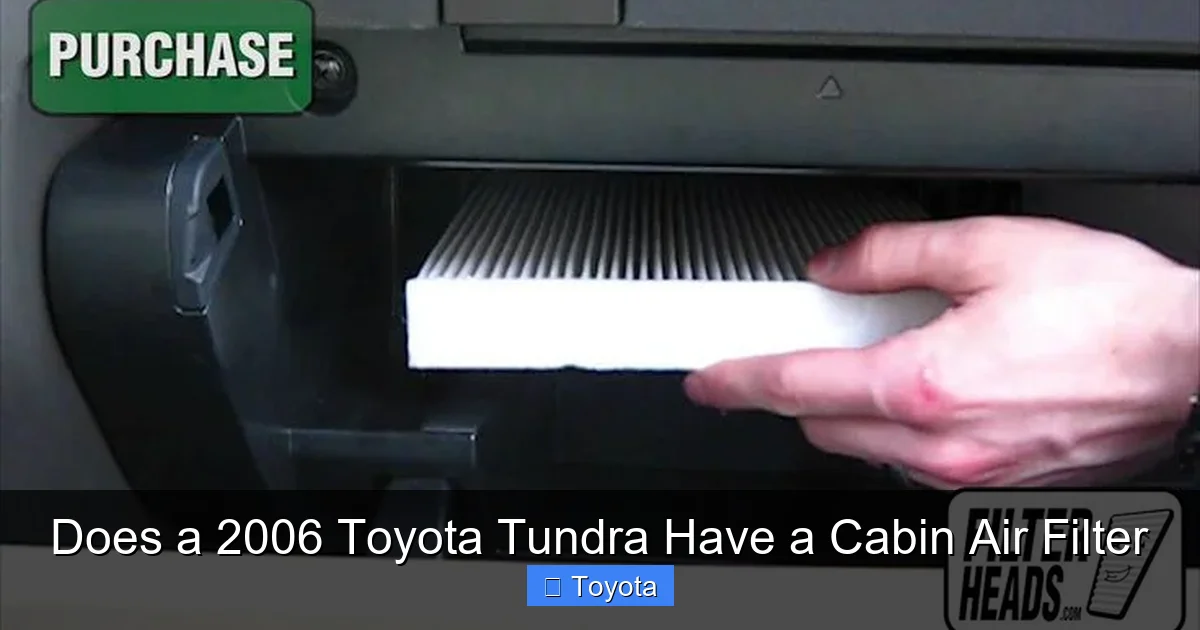
Before diving into the specifics of the 2006 Tundra, let’s take a moment to understand what a cabin air filter actually does. Think of it as the lungs of your vehicle’s HVAC (heating, ventilation, and air conditioning) system. Just like your home’s air filter, the cabin air filter captures particles before they enter the interior of your truck. This includes pollen, dust, mold spores, exhaust fumes, and even insects that get sucked into the ventilation system.
For drivers with allergies or respiratory sensitivities, a clean cabin air filter is essential. It can significantly reduce exposure to irritants, especially during high-pollen seasons or when driving through heavily polluted areas. But even if you don’t have allergies, a functioning filter improves overall comfort. It helps maintain strong airflow from the vents, prevents musty odors, and ensures your AC and heater work efficiently.
A clogged or dirty filter forces the blower motor to work harder, which can lead to reduced performance and increased wear on the system. In extreme cases, it may even cause the HVAC system to emit a foul smell—often described as “dirty socks” or mildew—due to mold growth on the filter. Replacing the filter regularly not only improves air quality but also extends the life of your vehicle’s climate control components.
Location of the Cabin Air Filter in the 2006 Toyota Tundra
Visual guide about Does a 2006 Toyota Tundra Have a Cabin Air Filter
Image source: cimg1.ibsrv.net
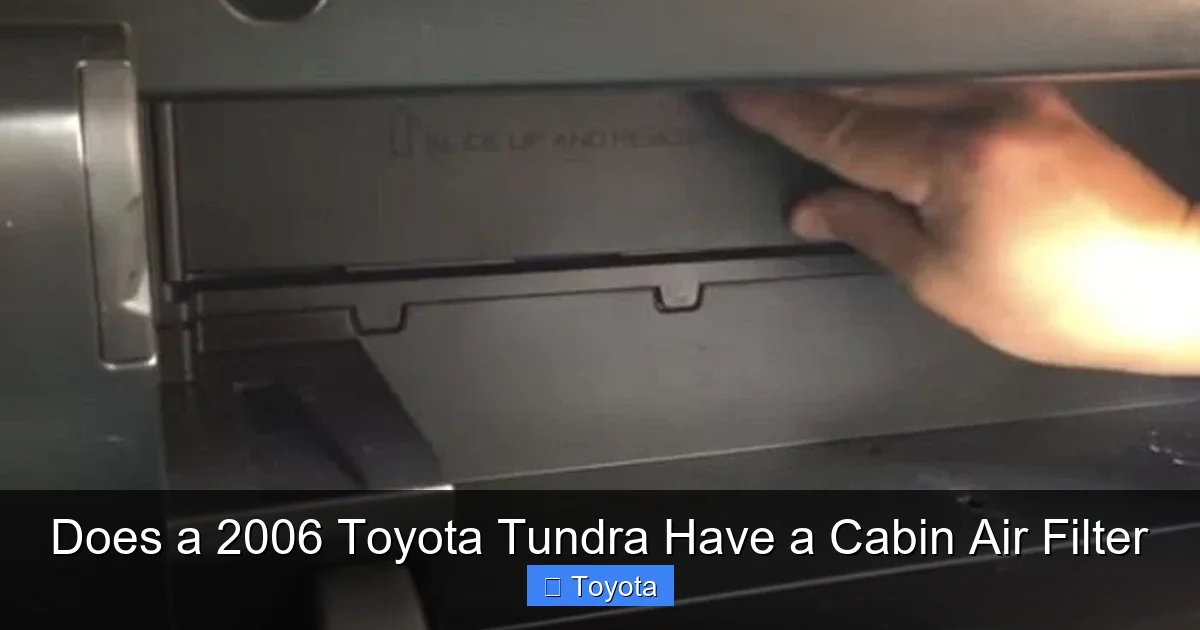
Now that you know the 2006 Tundra has a cabin air filter and why it’s important, let’s talk about where to find it. The filter is located behind the glove box on the passenger side of the vehicle. This placement is common in many Toyota models and makes for relatively easy access, especially for a DIY replacement.
To reach the filter, you’ll need to open the glove box and remove it. Start by opening the glove box door fully. Then, look for two small stop arms on either side that prevent the glove box from falling too far down. Gently squeeze the sides of the glove box inward to release these arms from their hinges. Once detached, the glove box will drop down, revealing the cabin air filter housing.
The housing itself is a rectangular plastic cover with a latch or clip on one side. Simply press the latch and pull the cover open. Inside, you’ll see the old filter—usually a pleated paper or charcoal filter—slid into a slot. Take note of how it’s positioned before removing it, so you can install the new one correctly.
It’s worth noting that some Tundra models may have a slightly different configuration depending on the trim level or optional equipment, but the general location remains consistent. If you’re having trouble locating it, consult your owner’s manual or look for a small diagram near the glove box area.
How to Replace the Cabin Air Filter in a 2006 Toyota Tundra
Visual guide about Does a 2006 Toyota Tundra Have a Cabin Air Filter
Image source: i.ytimg.com
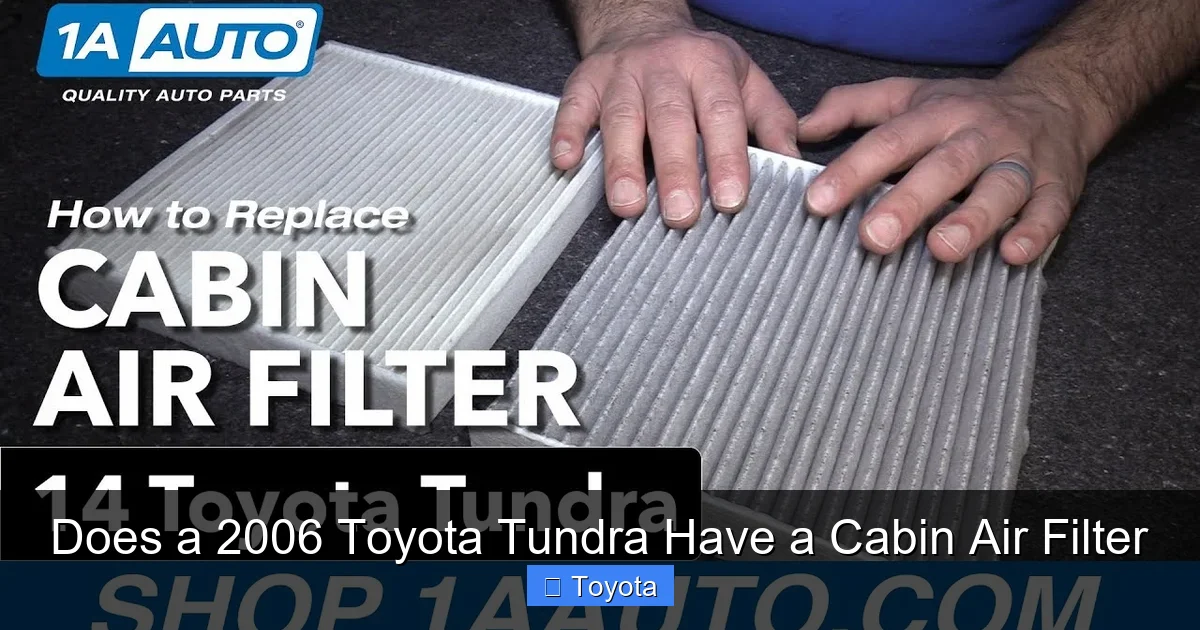
Replacing the cabin air filter in your 2006 Tundra is a straightforward process that most owners can complete in under 15 minutes. You don’t need any special tools—just a new filter and a few minutes of your time. Here’s a step-by-step guide to help you through the process.
Step 1: Gather Your Supplies
Before you begin, make sure you have the following:
– A new cabin air filter (check your owner’s manual for the correct part number, typically Toyota part #87139-YZZ02 or equivalent)
– A clean rag or towel (optional, for wiping down the housing)
– A flashlight (optional, for better visibility)
Step 2: Remove the Glove Box
Open the glove box and empty its contents. Then, locate the two stop arms on the sides. Gently push the sides of the glove box inward to release the arms from their hinges. Once free, lower the glove box carefully and set it aside.
Step 3: Access the Filter Housing
Look for the rectangular plastic cover behind where the glove box was. It’s usually held in place by a simple latch or clip. Press the latch and pull the cover open. You should now see the old filter inside.
Step 4: Remove the Old Filter
Slide the old filter out of its slot. Take a moment to inspect it—if it’s dark, clogged, or smells musty, it’s definitely time for a replacement. Note the direction of the airflow arrows on the filter frame, as this will help you install the new one correctly.
Step 5: Install the New Filter
Slide the new filter into the slot, making sure the airflow arrows point toward the interior of the vehicle (usually downward). Ensure it sits flush and secure. Close the housing cover and snap the latch back into place.
Step 6: Reinstall the Glove Box
Lift the glove box back into position and reattach the stop arms by pushing them into their hinges. Close the glove box and test it to make sure it opens and closes smoothly.
That’s it! You’ve successfully replaced your cabin air filter. It’s a quick and easy maintenance task that pays big dividends in air quality and system performance.
When Should You Replace the Cabin Air Filter?
Knowing when to replace your cabin air filter is just as important as knowing how to do it. Toyota recommends replacing the cabin air filter every 12,000 to 15,000 miles, or once a year—whichever comes first. However, this interval can vary depending on your driving conditions.
If you frequently drive in dusty environments—such as rural roads, construction zones, or desert areas—you may need to replace the filter more often. Similarly, if you live in a region with high pollen counts or heavy air pollution, the filter will clog faster. In these cases, checking it every 6,000 to 8,000 miles is a good idea.
There are also signs that your filter may need replacing before the scheduled interval. Reduced airflow from the vents is a common indicator. If you notice that your AC or heater isn’t blowing as strongly as it used to, a clogged filter could be the culprit. Another red flag is a musty or unpleasant odor coming from the vents, especially when you first turn on the climate system. This often means mold or mildew has developed on the filter.
Additionally, if you or your passengers experience increased allergy symptoms while driving, it could be due to a dirty filter allowing allergens to circulate inside the cabin. Regular inspection and replacement can help prevent these issues and keep your Tundra’s interior air fresh and clean.
Choosing the Right Cabin Air Filter for Your 2006 Tundra
Not all cabin air filters are created equal. When it’s time to replace yours, you’ll have several options to choose from. The most common types are standard particulate filters and activated charcoal filters.
Standard filters are made of pleated paper or synthetic material and are designed to capture dust, pollen, and other large particles. They’re effective for general use and are usually the most affordable option. However, they don’t filter out odors or harmful gases.
Activated charcoal filters, on the other hand, include a layer of carbon that absorbs odors, smoke, and volatile organic compounds (VOCs). These are ideal if you want to eliminate smells—like exhaust fumes or pet odors—from your cabin air. They’re slightly more expensive but offer superior air purification.
When shopping for a replacement, look for filters that are compatible with the 2006 Toyota Tundra. The OEM (original equipment manufacturer) part number is 87139-YZZ02, but many high-quality aftermarket brands—such as Fram, K&N, and Bosch—offer compatible filters. Be cautious with extremely cheap filters, as they may not fit properly or provide adequate filtration.
Reading customer reviews and checking the filter’s MERV (Minimum Efficiency Reporting Value) rating can help you make an informed decision. A higher MERV rating indicates better filtration, but make sure the filter is designed for automotive use and won’t restrict airflow.
Common Mistakes to Avoid When Replacing the Filter
Even though replacing the cabin air filter is a simple task, there are a few common mistakes that can cause problems down the line. Avoiding these pitfalls will ensure a smooth replacement and optimal performance.
One mistake is installing the filter backward. Most filters have arrows indicating the direction of airflow. Installing it in reverse can reduce efficiency and potentially damage the HVAC system. Always double-check the arrow direction before inserting the new filter.
Another error is using the wrong size or type of filter. While many filters look similar, even a slight size difference can lead to gaps that allow unfiltered air to enter the cabin. Always verify the part number and dimensions before purchasing.
Some owners also forget to reattach the glove box properly after replacement. If the stop arms aren’t secured, the glove box may fall open while driving, which can be distracting and potentially dangerous. Take a moment to test the glove box after reassembly.
Finally, don’t ignore the filter housing. Over time, dust and debris can accumulate inside the housing. Use a clean rag to wipe it down when replacing the filter. This helps maintain airflow and prevents contaminants from entering the system.
By avoiding these common mistakes, you’ll get the most out of your new cabin air filter and keep your Tundra’s HVAC system running smoothly.
Benefits of Regular Cabin Air Filter Maintenance
Maintaining a clean cabin air filter offers a range of benefits that go beyond just cleaner air. One of the most noticeable improvements is enhanced HVAC performance. A clean filter allows for better airflow, meaning your AC cools faster and your heater warms up more efficiently. This not only improves comfort but can also reduce strain on the blower motor, potentially extending its lifespan.
Another major benefit is improved health and comfort, especially for passengers with allergies or asthma. By filtering out pollen, dust, and other allergens, the cabin air filter creates a healthier environment inside the vehicle. This is particularly important during spring and fall when pollen counts are high.
Regular filter changes also help prevent unpleasant odors. A dirty filter can become a breeding ground for mold and bacteria, leading to that dreaded “dirty socks” smell. Replacing the filter eliminates this issue and keeps your cabin smelling fresh.
Additionally, maintaining a clean filter can improve fuel efficiency in some cases. While the effect is small, a clogged filter forces the HVAC system to work harder, which can slightly increase engine load. Keeping the system clean ensures it operates efficiently.
Finally, regular maintenance helps you stay on top of your vehicle’s overall health. Checking the cabin air filter gives you a chance to inspect other components, like the glove box hinges and HVAC housing, for signs of wear or damage. It’s a simple task that contributes to the long-term reliability of your 2006 Tundra.
Conclusion
The 2006 Toyota Tundra does indeed come equipped with a cabin air filter, and it’s an important part of maintaining a comfortable and healthy driving environment. Located behind the glove box, this filter captures dust, pollen, and other contaminants, ensuring the air inside your truck stays clean and fresh. Replacing it every 12,000 to 15,000 miles—or more often in harsh conditions—can improve HVAC performance, eliminate odors, and protect your health.
The replacement process is simple, requiring no special tools and taking less than 15 minutes. By choosing a high-quality filter and avoiding common installation mistakes, you can maximize the benefits and keep your Tundra running smoothly. Whether you’re a DIY enthusiast or prefer to leave it to a mechanic, staying on top of cabin air filter maintenance is a smart move for any Tundra owner.
Don’t overlook this small but significant component. A clean cabin air filter not only enhances your driving experience but also contributes to the long-term health of your vehicle’s climate control system. So the next time you’re doing routine maintenance, take a few minutes to check and replace your cabin air filter—you’ll breathe easier knowing you did.
Frequently Asked Questions
Does every 2006 Toyota Tundra have a cabin air filter?
Yes, the cabin air filter is a standard feature on all 2006 Toyota Tundra models, regardless of trim level or engine type. It’s located behind the glove box on the passenger side.
How often should I replace the cabin air filter in my 2006 Tundra?
Toyota recommends replacing the cabin air filter every 12,000 to 15,000 miles or once a year. However, if you drive in dusty or high-pollen areas, consider checking it every 6,000 to 8,000 miles.
Can I replace the cabin air filter myself?
Absolutely! Replacing the filter is a simple DIY task that takes about 10–15 minutes. You only need a new filter and basic access to the glove box area.
What happens if I don’t replace the cabin air filter?
A dirty filter can reduce airflow, cause musty odors, strain the blower motor, and allow allergens to circulate inside the cabin. Over time, this can affect HVAC performance and air quality.
What type of cabin air filter should I use?
You can use an OEM Toyota filter (part #87139-YZZ02) or a high-quality aftermarket filter like Fram, K&N, or Bosch. Activated charcoal filters offer better odor control, while standard filters are more affordable.
How do I know if my cabin air filter needs replacing?
Signs include reduced airflow from the vents, unpleasant odors when the AC or heater is on, increased allergy symptoms, or visible dirt and debris on the filter. Regular inspection helps catch issues early.
