
How Long Should Brakes Last on a Toyota Highlander?

The brakes on a Toyota Highlander typically last between 30,000 and 70,000 miles, depending on driving habits, terrain, and maintenance. With proper care and regular inspections, you can maximize their lifespan and ensure safe, reliable stopping power.
Key Takeaways
- Average brake lifespan: Most Toyota Highlander brake pads last 30,000 to 70,000 miles, with rotors lasting 60,000 to 80,000 miles.
- Driving style matters: Aggressive braking, towing, and city driving can shorten brake life significantly.
- Regular inspections are crucial: Have your brakes checked every 10,000 to 15,000 miles or during routine maintenance.
- Listen for warning signs: Squealing, grinding, or a soft brake pedal indicate it’s time for service.
- Use OEM or high-quality parts: Genuine Toyota or trusted aftermarket components ensure optimal performance and longevity.
- Environmental factors play a role: Salt, moisture, and extreme temperatures can accelerate brake wear.
- Preventive maintenance saves money: Replacing pads early protects rotors and reduces long-term repair costs.
📑 Table of Contents
How Long Should Brakes Last on a Toyota Highlander?
When you’re behind the wheel of a Toyota Highlander—whether you’re shuttling kids to soccer practice, heading out on a weekend road trip, or navigating busy city streets—your brakes are one of the most critical safety systems in your vehicle. You rely on them every single day, often without a second thought. But have you ever stopped to wonder: how long should brakes last on a Toyota Highlander?
It’s a fair question, and one that many Highlander owners ask. After all, brake pads and rotors aren’t cheap to replace, and no one wants to be caught off guard by a sudden failure. The good news? With proper care and attention, your Highlander’s braking system can serve you well for tens of thousands of miles. But the exact lifespan depends on a variety of factors, from how you drive to where you live.
In this guide, we’ll break down everything you need to know about brake longevity on the Toyota Highlander. We’ll cover average lifespans, common causes of wear, warning signs to watch for, and practical tips to help you get the most out of your brakes. Whether you’re driving a brand-new 2024 Highlander or a well-loved 2015 model, this information will help you stay safe, save money, and keep your SUV running smoothly.
Average Brake Lifespan on the Toyota Highlander

Visual guide about How Long Should Brakes Last on a Toyota Highlander?
Image source: evto.ca
So, what’s the real answer to “how long should brakes last on a Toyota Highlander?” The short version: most brake pads on a Highlander will last between 30,000 and 70,000 miles. That’s a pretty wide range, and for good reason—brake wear isn’t a one-size-fits-all situation.
Let’s dig into the numbers. Brake pads, which are the friction material that presses against the rotors to slow your vehicle, are the first components to wear out. On average, front brake pads tend to wear faster than rear ones because they handle about 70% of the braking force. In normal driving conditions—think highway cruising with occasional city stops—you might see your front pads last 50,000 to 70,000 miles. Rear pads could go even longer, sometimes up to 80,000 miles.
Rotors, the metal discs that the pads clamp onto, last longer but aren’t immune to wear. Most Highlander rotors can go 60,000 to 80,000 miles before needing resurfacing or replacement. However, if you frequently drive in hilly areas or tow heavy loads, rotor wear can accelerate.
It’s also worth noting that newer Highlander models (2017 and later) often come with more durable brake materials and advanced brake systems like regenerative braking in hybrid versions. These features can extend brake life by reducing mechanical wear during everyday driving.
Factors That Influence Brake Longevity
Now, let’s talk about what actually determines how long your brakes will last. It’s not just about mileage—your driving habits, environment, and maintenance routine all play a role.
First up: driving style. If you’re the type who slams on the brakes at every red light or loves spirited driving on winding roads, your pads will wear out faster. Aggressive braking generates more heat and friction, which breaks down the pad material quicker. On the flip side, drivers who practice smooth, gradual braking—like coasting to a stop when possible—can significantly extend brake life.
Next, consider your driving environment. City drivers who deal with constant stop-and-go traffic will wear out brakes faster than those who mostly drive on highways. Frequent braking in traffic means more heat buildup and more pad degradation. Similarly, if you live in a mountainous region, you’ll be using your brakes more often to control speed on descents, which can shorten their lifespan.
Towing and hauling also take a toll. The Toyota Highlander is a capable SUV, often used for towing trailers, boats, or campers. But every extra pound adds stress to the braking system. If you regularly tow near the Highlander’s maximum capacity (up to 5,000 pounds, depending on the model), expect your brakes to wear out faster—possibly on the lower end of the 30,000-mile range.
Environmental conditions matter too. If you live in an area with harsh winters and road salt, moisture and corrosion can affect brake components. Salt accelerates rust on rotors and calipers, which can lead to uneven wear or sticking parts. Similarly, driving in dusty or sandy areas can introduce debris that wears down pads prematurely.
Finally, the quality of parts and maintenance matters. Using genuine Toyota brake pads or high-quality aftermarket equivalents ensures better performance and longer life. Cheap, low-quality pads may save you money upfront but often wear out faster and can damage rotors.
Signs Your Highlander’s Brakes Need Attention
Visual guide about How Long Should Brakes Last on a Toyota Highlander?
Image source: evto.ca
Even with the best care, brakes don’t last forever. The key is catching problems early—before they become safety hazards or lead to costly repairs. So how do you know when it’s time to check your brakes?
One of the most common warning signs is noise. If you hear a high-pitched squealing sound when you brake, it’s likely your brake pads are wearing thin. Most modern pads come with built-in wear indicators—small metal tabs that scrape against the rotor when the pad material is low. This squeal is designed to alert you, so don’t ignore it.
A more serious sound is grinding. If you hear a loud, metallic grinding noise, it means the pad material is gone, and the metal backing is now rubbing against the rotor. This is bad news—it can quickly damage the rotor, leading to expensive repairs. If you hear grinding, stop driving and get your brakes inspected immediately.
Another red flag is a soft or spongy brake pedal. If the pedal feels mushy or sinks to the floor when you press it, there could be air in the brake lines, a leak in the hydraulic system, or worn brake fluid. This is a serious safety issue and should be addressed right away.
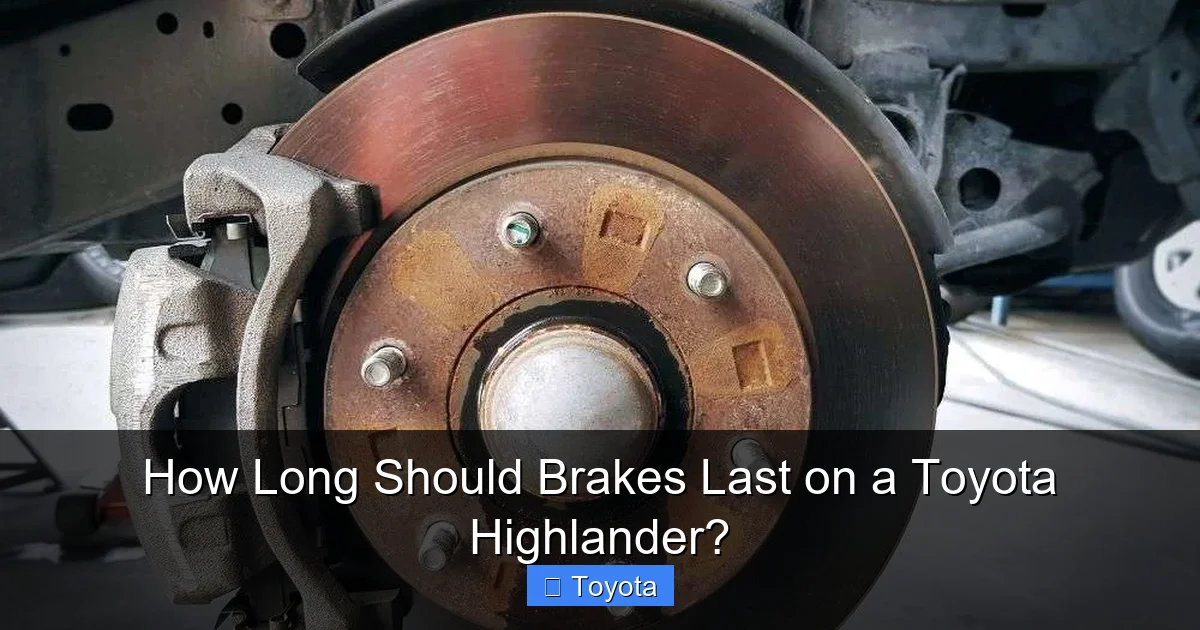
You might also notice vibrations or pulsations when braking. If the steering wheel or brake pedal shakes when you slow down, it could indicate warped rotors. This often happens after hard braking or prolonged use, especially in hot weather. Warped rotors reduce braking efficiency and should be resurfaced or replaced.
Pulling to one side during braking is another warning sign. If your Highlander drifts left or right when you hit the brakes, it could mean uneven pad wear, a stuck caliper, or a problem with the brake lines. This not only affects performance but can also be dangerous in emergency stops.
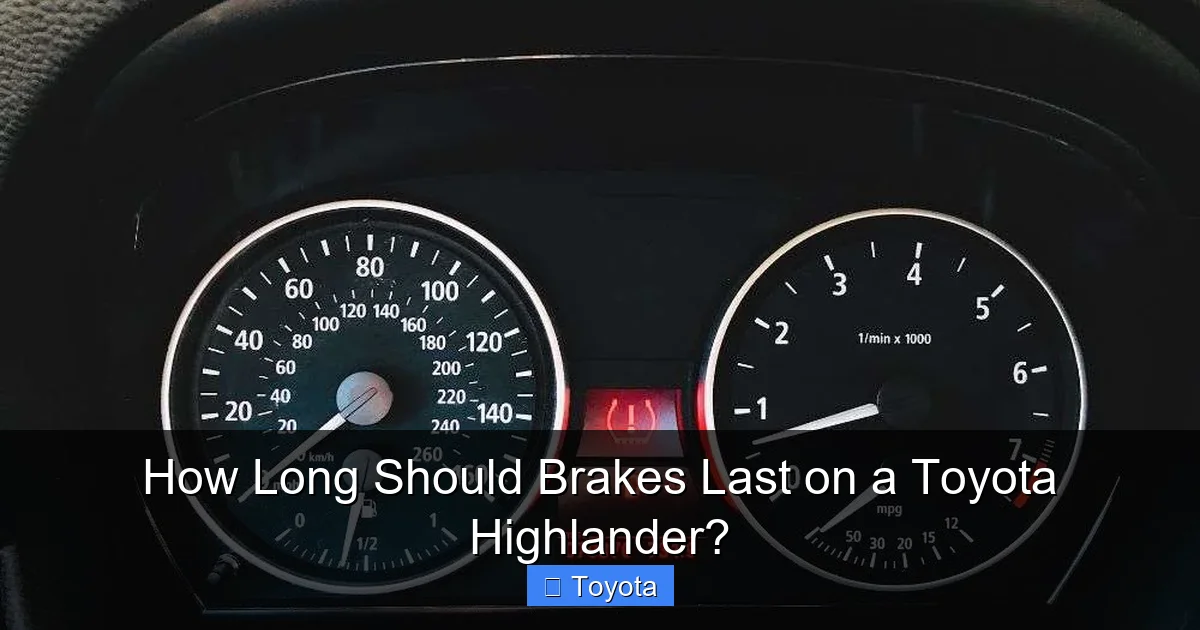
Finally, keep an eye on your dashboard. Many newer Highlanders come with a brake warning light that illuminates when there’s an issue. While this light can indicate low brake fluid or a parking brake issue, it can also signal worn pads or other problems. Don’t assume it’s a minor issue—have it checked.
When to Schedule a Brake Inspection
Even if you’re not hearing noises or feeling vibrations, it’s smart to have your brakes inspected regularly. Toyota recommends checking your brake system during routine maintenance, typically every 10,000 to 15,000 miles. This gives a technician a chance to measure pad thickness, check rotor condition, and inspect calipers and fluid levels.
If you’re due for an oil change or tire rotation, ask the service center to include a brake inspection. It’s a small step that can prevent big problems down the road. And if you’ve recently moved to a new area with different driving conditions—like more hills or heavier traffic—consider getting your brakes checked sooner.
Tips to Extend the Life of Your Highlander’s Brakes
Visual guide about How Long Should Brakes Last on a Toyota Highlander?
Image source: evto.ca
Want to get the most miles out of your brakes? It’s easier than you think. A few simple habits can make a big difference in how long your pads and rotors last.
First, practice smooth driving. Instead of slamming on the brakes at the last second, start slowing down earlier. Look ahead and anticipate stops—this reduces the need for hard braking. When possible, coast to a stop rather than braking abruptly. This not only saves your brakes but also improves fuel efficiency.
Second, avoid riding the brake. Some drivers rest their foot on the brake pedal while driving, especially on downhill stretches. This constant light pressure generates heat and wears down the pads unnecessarily. Instead, use engine braking by shifting to a lower gear when descending hills.
Third, reduce unnecessary weight. The more your Highlander weighs, the harder your brakes have to work. Remove heavy items from your cargo area when they’re not needed. If you’re not towing, take off the trailer hitch or roof rack to lighten the load.
Fourth, maintain your brake fluid. Over time, brake fluid absorbs moisture, which can lower its boiling point and lead to brake fade. Toyota recommends replacing brake fluid every two years or 24,000 miles. Fresh fluid ensures your hydraulic system works efficiently and prevents corrosion.
Fifth, use quality parts. When it’s time to replace your brakes, choose genuine Toyota parts or reputable aftermarket brands like Akebono, Bosch, or Power Stop. These are designed to meet or exceed OEM standards and often last longer than cheap alternatives.
Finally, stay on top of maintenance. Regular inspections catch problems early, and replacing pads before they’re completely worn protects your rotors. It’s cheaper to replace pads than to resurface or replace rotors.
Hybrid Highlander: Do Regenerative Brakes Last Longer?
If you drive a Toyota Highlander Hybrid, you might be wondering if the regenerative braking system affects brake life. The answer is yes—and in a good way.
Hybrid vehicles use regenerative braking to capture energy during deceleration and store it in the battery. This process reduces the reliance on traditional friction brakes, meaning the mechanical pads and rotors are used less often. As a result, hybrid Highlanders often see significantly longer brake life—sometimes 80,000 miles or more on the original pads.
However, this doesn’t mean you can ignore your brakes entirely. The friction brakes are still used during hard stops or when the battery is fully charged, so they will eventually wear out. Plus, the brake fluid and calipers still need regular maintenance. But overall, the regenerative system is a big advantage for brake longevity.
Brake Maintenance and Replacement Costs
Let’s talk money. How much does it cost to maintain or replace brakes on a Toyota Highlander?
The cost varies depending on what needs to be done. A standard brake pad replacement (front or rear) typically ranges from $150 to $300 per axle at a dealership or reputable shop. This includes parts and labor. If you’re doing it yourself, pads alone cost $50 to $120 per axle, depending on the brand.
Rotor resurfacing (also called machining) costs around $50 to $100 per rotor, while replacing a rotor can cost $100 to $200 each. If both pads and rotors need replacement, you’re looking at $300 to $600 per axle.
Keep in mind that prices can be higher at dealerships and lower at independent shops. Some shops also offer lifetime warranties on brake pads, which can save money in the long run.
DIY vs. Professional Service
Can you replace your Highlander’s brakes yourself? Yes—if you’re comfortable working on cars and have the right tools. Brake jobs are one of the more accessible DIY repairs, but they require precision and safety awareness.
If you go the DIY route, make sure to:
– Use a torque wrench to tighten caliper bolts to the correct specification.
– Lubricate slide pins and contact points with brake grease.
– Bleed the brakes if you open the hydraulic system.
– Dispose of old brake parts safely—brake dust can be harmful.
If you’re not confident, it’s worth paying a professional. A certified technician can ensure everything is installed correctly and perform a full system check.
Conclusion: Maximizing Brake Life on Your Highlander
So, how long should brakes last on a Toyota Highlander? The answer isn’t set in stone—it depends on how you drive, where you live, and how well you maintain your vehicle. But with average lifespans of 30,000 to 70,000 miles for pads and 60,000 to 80,000 miles for rotors, most Highlander owners can expect several years of reliable service.
The key to longevity is proactive care. Listen for warning signs, inspect your brakes regularly, and adopt driving habits that reduce wear. Use quality parts, keep your brake fluid fresh, and don’t ignore small issues before they become big problems.
Your brakes are your first line of defense in an emergency. By taking care of them, you’re not just saving money—you’re protecting yourself, your passengers, and everyone else on the road. So the next time you press the brake pedal, take a moment to appreciate the system that keeps you safe. And remember: a little maintenance today can mean thousands of extra miles tomorrow.
Frequently Asked Questions
How long do brake pads last on a Toyota Highlander?
Brake pads on a Toyota Highlander typically last between 30,000 and 70,000 miles, depending on driving habits and conditions. Front pads usually wear faster than rear ones.
Can I drive with squealing brakes?
Squealing brakes often indicate worn pads with the wear indicator touching the rotor. While you can drive short distances, it’s best to get them checked soon to avoid rotor damage.
Do hybrid Highlanders have longer brake life?
Yes, the regenerative braking system in hybrid Highlanders reduces wear on friction brakes, often extending pad life to 80,000 miles or more.
How much does it cost to replace brakes on a Highlander?
Brake pad replacement costs $150 to $300 per axle at a shop. Rotor replacement adds $100 to $200 per rotor. DIY can save on labor.
Should I replace all four brakes at once?
Not always. If only the front pads are worn, you can replace just those. However, if rotors are damaged or rear pads are also thin, a full axle or full-set replacement is safer.
How often should I check my Highlander’s brakes?
Have your brakes inspected every 10,000 to 15,000 miles or during routine maintenance. Listen for noises or feel for vibrations between checks.
