
Where Can I Get My Car Painted?

Wondering where you can get your car painted? You have several reliable options—from certified auto body shops and dealerships to mobile paint services and DIY kits. Each choice offers different levels of quality, cost, and convenience, so picking the right one depends on your budget, timeline, and desired finish.
Key Takeaways
- Auto body shops offer professional, high-quality paint jobs with warranties and color-matching expertise.
- Dealerships provide OEM-matched paint and factory-trained technicians, ideal for newer or luxury vehicles.
- Mobile paint services bring the shop to you, offering convenience and decent quality for minor touch-ups or full wraps.
- DIY painting kits are budget-friendly but require skill, patience, and proper tools to avoid mistakes.
- Paint protection films and ceramic coatings can extend the life of your new paint job when applied after painting.
- Always get multiple quotes and check reviews before choosing a service to ensure fair pricing and reliable work.
- Climate and ventilation matter—avoid painting in humid, dusty, or cold environments for best results.
📑 Table of Contents
- Where Can I Get My Car Painted? A Complete Guide to Your Options
- Professional Auto Body Shops: The Gold Standard
- Dealerships: OEM Precision and Factory Finishes
- Mobile Paint Services: Convenience at Your Doorstep
- DIY Painting: Save Money, But Know the Risks
- Paint Protection: Keeping Your New Paint Job Looking Fresh
- How to Choose the Right Option for You
- Final Thoughts: Your Car, Your Choice
Where Can I Get My Car Painted? A Complete Guide to Your Options
So, your car’s paint is looking a little tired. Maybe it’s faded from years in the sun, chipped from road debris, or you just want a fresh new look. You’re not alone—thousands of car owners face this decision every year. The good news? You’ve got more options than ever when it comes to getting your car painted. But with so many choices, how do you know which one is right for you?
Whether you’re after a full-color change, a simple touch-up, or a showroom-quality finish, the key is understanding your options. From professional auto body shops to DIY kits you can use at home, each route comes with its own pros, cons, and price tags. The goal isn’t just to make your car look good—it’s to protect its value, enhance its appearance, and ensure the job lasts for years.
In this guide, we’ll walk you through every major option for getting your car painted. We’ll break down what to expect, how much it might cost, and what to look for in a quality service. By the end, you’ll have the confidence to choose the best path for your vehicle, your budget, and your lifestyle.
Professional Auto Body Shops: The Gold Standard
Visual guide about Where Can I Get My Car Painted?
Image source: i.redd.it
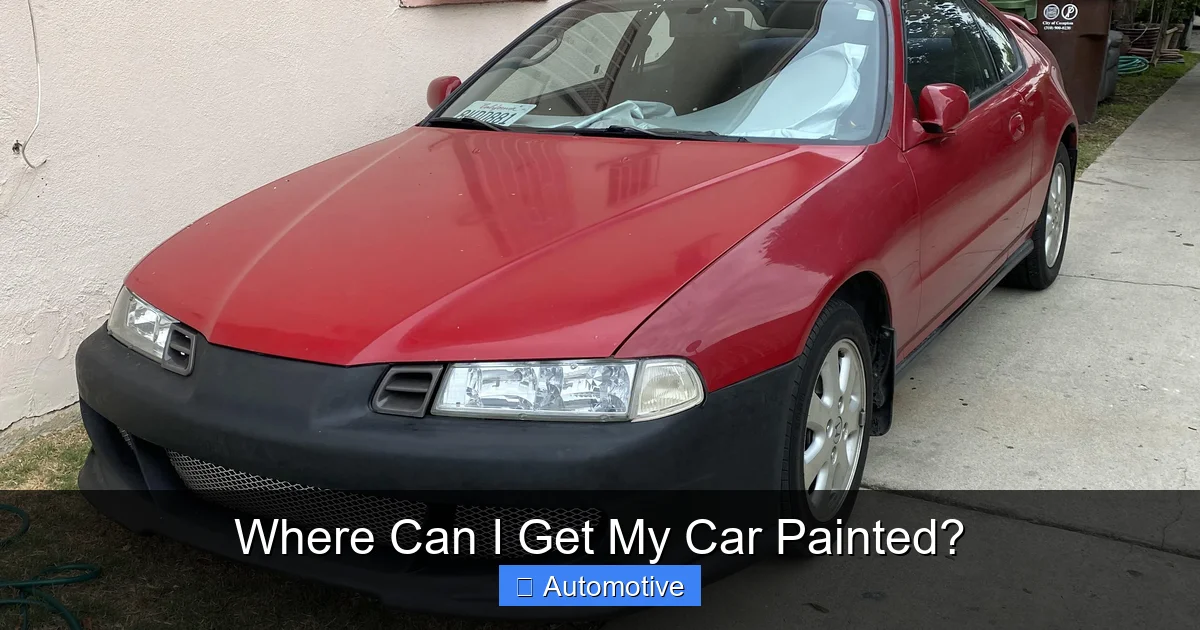
If you’re looking for a high-quality, long-lasting paint job, professional auto body shops are often the best place to start. These shops specialize in everything from minor dents and scratches to full vehicle repaints. They use industrial-grade equipment, premium paint, and trained technicians who know how to prep, prime, and finish a car the right way.
One of the biggest advantages of going with a professional shop is color matching. Over time, your car’s original paint can fade due to sun exposure, weather, and age. A good body shop uses advanced spectrophotometers—devices that scan your car’s existing paint and create a custom mix to match it perfectly. This ensures that repaired areas blend seamlessly with the rest of the vehicle.
Another benefit is the warranty. Most reputable shops offer a warranty on their paint jobs, typically ranging from one to five years. This covers issues like peeling, bubbling, or fading due to poor workmanship. If something goes wrong, you can bring your car back for a free fix—peace of mind that’s hard to put a price on.
What to Look for in a Quality Auto Body Shop
Not all body shops are created equal. To avoid disappointment, do your homework before handing over your keys. Start by checking online reviews on platforms like Google, Yelp, and the Better Business Bureau. Look for consistent praise about quality, customer service, and timeliness.
Ask about certifications. Shops certified by organizations like I-CAR or ASE (Automotive Service Excellence) have technicians who’ve undergone rigorous training. These certifications are a strong indicator of professionalism and expertise.
Also, visit the shop in person if possible. A clean, organized workspace with modern equipment is a good sign. Don’t be afraid to ask questions: What type of paint do you use? Do you offer a warranty? How long will the job take? A transparent, confident shop will welcome your curiosity.
Cost and Timeline Expectations
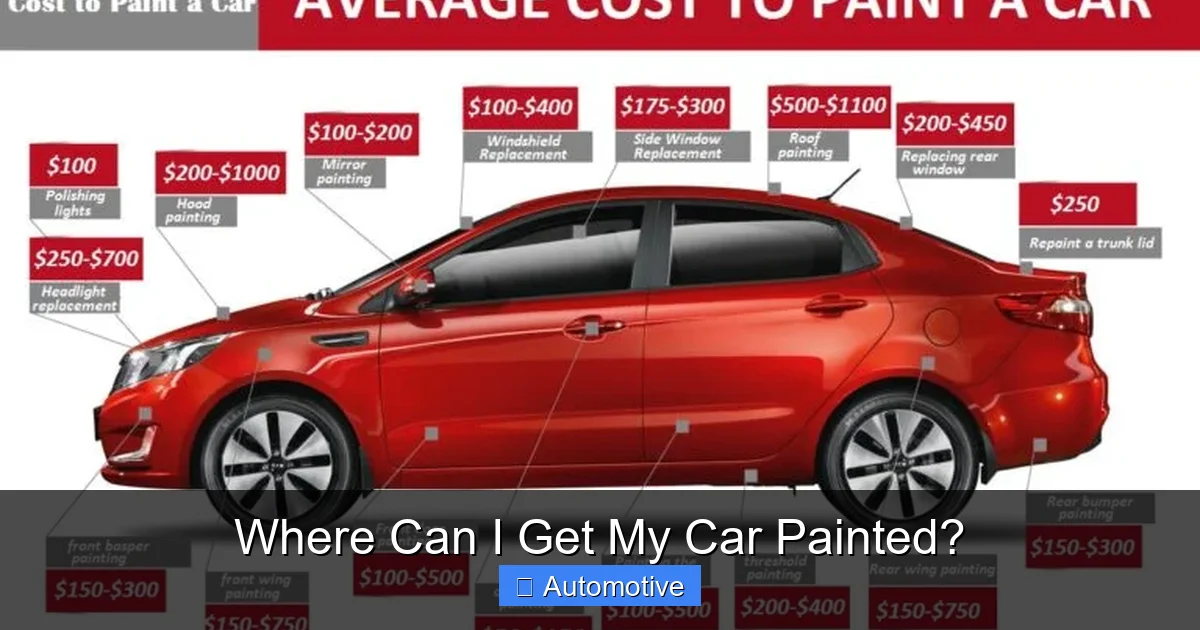
The cost of a professional paint job can vary widely—from $3,000 to $10,000 or more—depending on the size of the vehicle, the quality of materials, and the extent of prep work needed. A basic repaint on a sedan might start around $3,500, while a luxury SUV with custom colors or intricate designs could easily exceed $8,000.
Timeline is another factor. A full repaint typically takes 5 to 10 business days, depending on shop workload and whether parts need to be removed. Some shops offer rush services for an extra fee, but be cautious—rushing can lead to mistakes.
Dealerships: OEM Precision and Factory Finishes
Visual guide about Where Can I Get My Car Painted?
Image source: newkidscar.com
If you drive a newer car—especially a luxury or high-end model—your local dealership might be a smart choice for painting. Dealerships have access to OEM (Original Equipment Manufacturer) paint formulas, which means they can match your car’s original color with near-perfect accuracy.
Many dealerships also have factory-trained technicians who are familiar with your vehicle’s specific materials and design. This is especially important for cars with complex paint systems, like metallic finishes, tri-coats, or pearl effects. These paints require special application techniques that general body shops might not handle as well.
Another perk? Dealerships often handle insurance claims directly if your paint job is part of a collision repair. This can simplify the process and reduce out-of-pocket costs if you’re filing a claim.
When to Choose a Dealership Over an Independent Shop
Dealerships are ideal if you want the most authentic, factory-correct finish. They’re also a good fit if your car is still under warranty and you want to avoid any potential issues with aftermarket parts or procedures.
However, dealerships tend to be more expensive than independent shops. Labor rates are often higher, and they may charge more for paint and materials. If cost is a major concern, get quotes from both a dealership and a reputable body shop to compare.
Also, dealerships may have longer wait times, especially if they’re busy with service appointments. If you need your car back quickly, an independent shop might be faster.
Real-World Example: A Luxury Sedan Repaint
Take Sarah, who owns a 2020 BMW 5 Series. After a minor fender bender, she needed the front bumper repainted. She took it to the BMW dealership, where they used OEM paint and matched the factory finish perfectly. The job cost $1,200 and took three days. She was happy with the result but noted that an independent shop quoted her $800 for the same work. In the end, she chose the dealership for the peace of mind and perfect match.
Mobile Paint Services: Convenience at Your Doorstep
Visual guide about Where Can I Get My Car Painted?
Image source: gaadiwaadi.com
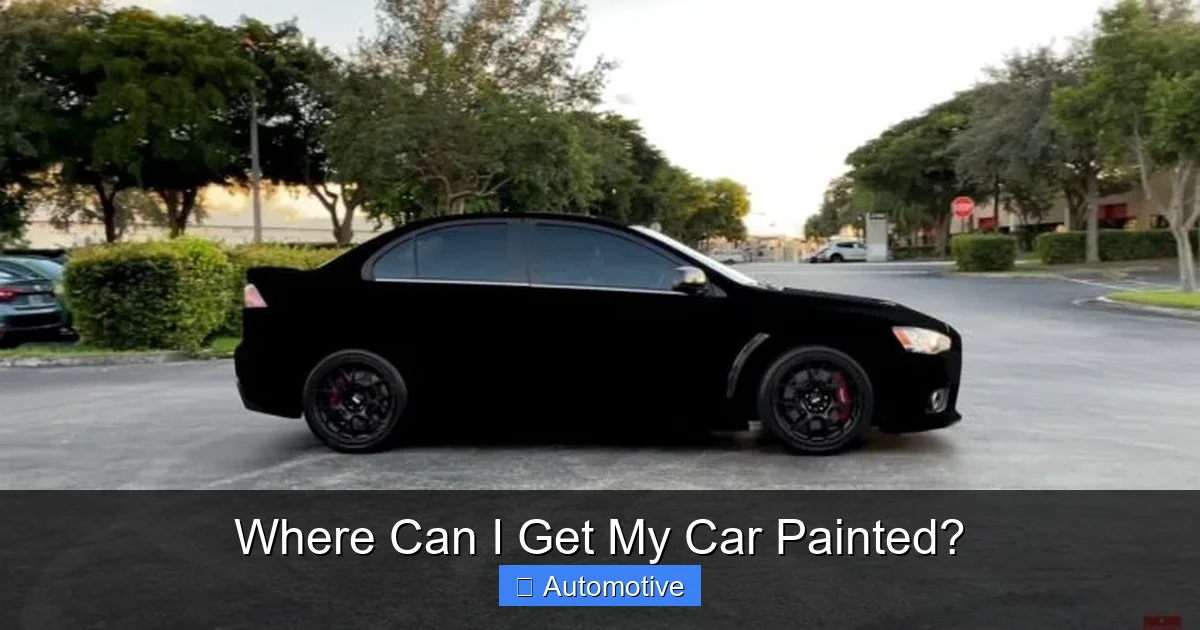
Imagine getting your car painted without ever leaving your driveway. That’s the promise of mobile paint services—companies that bring the equipment, paint, and technicians directly to you. These services are growing in popularity, especially for touch-ups, minor repairs, or full wraps.
Mobile painters typically use portable spray booths or tents to control the environment. They can handle everything from scratch repairs to full-color changes, though the quality may not match that of a full-service body shop.
One major advantage is convenience. You don’t have to drop off your car or arrange for a rental. The service comes to your home, office, or even your weekend cabin. This is a huge time-saver, especially for busy professionals or parents.
What Mobile Services Can and Can’t Do
Mobile services excel at smaller jobs. If you have a few scratches, a chipped bumper, or want to repaint a single panel, they’re a great option. Some even offer ceramic coating or paint protection film application on-site.
However, for a full vehicle repaint, especially on a large SUV or truck, a mobile service might not have the space or equipment to do a flawless job. Dust, wind, and temperature fluctuations can affect the finish. Also, they may not offer the same level of prep work—like sanding, priming, and rust treatment—that a shop can provide.
Cost and Quality Considerations
Mobile paint jobs are generally more affordable than shop-based services, with prices ranging from $500 to $3,000 depending on the scope. But remember: you’re paying for convenience, not necessarily top-tier quality.
Always ask to see photos of previous work and check reviews. Some mobile painters are highly skilled and use professional-grade materials, while others are more like “weekend warriors” with limited experience. Don’t hesitate to ask about their process, paint brand, and whether they offer a warranty.
DIY Painting: Save Money, But Know the Risks
For the hands-on car enthusiast, DIY painting can be a rewarding—and budget-friendly—option. With the right tools, patience, and preparation, you can achieve decent results at a fraction of the cost of professional services.
DIY paint kits are widely available online and at auto parts stores. They typically include primer, base coat, clear coat, sandpaper, and sometimes a spray gun. Prices range from $100 to $500, depending on the quality and brand.
Tools and Materials You’ll Need
To paint your car at home, you’ll need more than just paint. Here’s a basic checklist:
– High-quality spray gun or aerosol cans
– Sandpaper (various grits: 400, 600, 800, 1000, 1500, 2000)
– Tack cloths for cleaning
– Masking tape and plastic sheeting
– Respirator mask and safety goggles
– Paint booth or well-ventilated, dust-free area
– Polishing compound and wax for finishing
The environment is critical. You need a clean, dry, and temperature-controlled space—ideally a garage with no airflow. Even a speck of dust can ruin a finish, so take extra care during prep and application.
Step-by-Step DIY Painting Process
1. **Wash and Dry the Car**: Remove all dirt, grease, and wax.
2. **Sand the Surface**: Use progressively finer grits to smooth the old paint and create a surface the new paint can adhere to.
3. **Mask Off Areas**: Cover windows, trim, lights, and other parts you don’t want painted.
4. **Apply Primer**: Spray a thin, even coat and let it dry. Sand lightly between coats if needed.
5. **Apply Base Coat**: Spray in light, overlapping passes. Allow proper drying time between coats.
6. **Apply Clear Coat**: This protects the color and adds shine. Apply 2–3 coats.
7. **Wet Sand and Polish**: Once fully cured (usually 24–48 hours), wet sand with 1500–2000 grit, then polish to a high gloss.
Common DIY Mistakes to Avoid
– Rushing the drying time between coats
– Painting in humid or cold conditions
– Skipping proper sanding and prep
– Using low-quality paint or tools
– Not wearing proper safety gear
Many DIYers get excited and try to rush the process, only to end up with runs, orange peel texture, or uneven color. Take your time—this isn’t a race.
When DIY Makes Sense
DIY painting is best for small projects: repainting a bumper, fixing scratches, or giving an older car a fresh look. It’s not recommended for high-value vehicles or if you need a flawless, showroom finish.
If you’re new to car painting, consider starting with a single panel or practicing on an old car first. There’s a steep learning curve, but with practice, you can develop real skill.
Paint Protection: Keeping Your New Paint Job Looking Fresh
Once your car is painted, the work isn’t over. To protect your investment and keep that glossy finish, consider adding paint protection.
Ceramic Coating
Ceramic coatings are liquid polymers that bond with your car’s paint to create a hard, hydrophobic layer. They repel water, dirt, and UV rays, making washing easier and reducing the risk of fading.
A professional ceramic coating can last 2–5 years and costs between $500 and $2,000. DIY kits are cheaper ($100–$300) but require careful application and may not last as long.
Paint Protection Film (PPF)
Also known as “clear bra,” PPF is a transparent urethane film applied to high-impact areas like the hood, fenders, and mirrors. It absorbs scratches and rock chips, preserving the paint underneath.
PPF is more durable than ceramic coating but also more expensive—$1,500 to $3,000 for full coverage. It’s ideal for daily drivers in areas with lots of road debris.
Regular Maintenance Tips
Even with protection, regular care is essential. Wash your car every 1–2 weeks using pH-neutral soap and a microfiber mitt. Avoid automatic car washes with harsh brushes. Dry thoroughly to prevent water spots.
Apply wax every 3–6 months to add an extra layer of protection and enhance shine. For ceramic-coated cars, use a coating booster spray instead of wax.
How to Choose the Right Option for You
With so many choices, how do you decide where to get your car painted? Start by asking yourself a few key questions:
– What’s your budget?
– How important is a perfect finish?
– Do you need the job done quickly?
– Is your car new, old, or high-value?
– Are you comfortable doing the work yourself?
If you want the best quality and don’t mind spending more, go with a professional auto body shop or dealership. If convenience is your top priority, consider a mobile service. And if you’re on a tight budget and enjoy hands-on projects, DIY might be the way to go.
Always get at least three quotes and compare them. Don’t just look at price—consider the shop’s reputation, warranty, and the quality of materials they use. A slightly higher price might be worth it for a job that lasts longer and looks better.
Final Thoughts: Your Car, Your Choice
Getting your car painted is more than just a cosmetic upgrade—it’s an investment in your vehicle’s appearance, value, and longevity. Whether you choose a professional shop, a dealership, a mobile service, or the DIY route, the key is making an informed decision.
Take your time, do your research, and don’t be afraid to ask questions. A great paint job should look flawless, last for years, and give you pride every time you step into your car.
So, where can you get your car painted? The answer is: wherever you feel most confident. With the right preparation and the right partner, your car can look better than ever.
Frequently Asked Questions
How much does it cost to get a car painted professionally?
The cost of a professional car paint job typically ranges from $3,000 to $10,000, depending on the vehicle size, paint quality, and extent of prep work. Luxury or custom finishes can cost even more.
Can I paint my car myself at home?
Yes, you can paint your car at home using DIY kits, but it requires skill, proper tools, and a clean, controlled environment. Mistakes like runs or orange peel are common for beginners.
How long does a professional car paint job take?
A full professional paint job usually takes 5 to 10 business days, depending on the shop’s workload and whether parts need to be removed or repaired.
Will a mobile paint service do a full car repaint?
Some mobile services can handle full repaints, but results may vary due to environmental factors like dust and wind. They’re better suited for touch-ups or single panels.
Do dealerships use the same paint as the factory?
Yes, dealerships use OEM (Original Equipment Manufacturer) paint formulas, which match the factory color more accurately than aftermarket paints.
How can I protect my new car paint job?
Protect your paint with ceramic coating, paint protection film (PPF), regular washing, and waxing. These steps help prevent fading, scratches, and environmental damage.
