
Can a Car Battery Last 10 Years?

While most car batteries last 3–5 years, a 10-year lifespan is rare but possible under ideal conditions. With proper maintenance, quality components, and favorable climate, some drivers have pushed their batteries to a decade. However, typical usage and environmental factors usually shorten that timeline.
Key Takeaways
- Battery lifespan varies widely: Most car batteries last 3–5 years, but some can reach 7–10 years with excellent care and optimal conditions.
- Climate plays a major role: Extreme heat and cold accelerate battery degradation, reducing overall life expectancy.
- Quality matters: Premium batteries with advanced technology (like AGM or lithium) often outlast standard lead-acid models.
- Regular maintenance extends life: Cleaning terminals, checking voltage, and avoiding deep discharges help preserve battery health.
- Driving habits impact longevity: Frequent short trips prevent full recharging, while long drives help maintain charge levels.
- Parasitic drain shortens life: Electronics left on or faulty systems drawing power when the car is off can kill a battery prematurely.
- Signs of failure appear gradually: Slow cranking, dim lights, and warning lights are early indicators it’s time for a replacement.
📑 Table of Contents
Can a Car Battery Really Last 10 Years?
You’ve probably heard stories—maybe from a neighbor, a mechanic, or a friend who swears their car battery lasted a full decade. It sounds almost too good to be true. After all, most of us are used to replacing our car batteries every few years, especially when winter hits hard or our car starts acting sluggish on cold mornings. So, is a 10-year car battery lifespan realistic, or just a lucky anomaly?
The short answer? Yes, it’s possible—but it’s not the norm. While the average car battery lasts between three and five years, a small percentage of batteries can stretch to seven, eight, or even ten years under the right conditions. That said, expecting a decade of service from your battery without any issues is optimistic. Most manufacturers design batteries to perform reliably for about five years, and beyond that, performance begins to decline.
So what separates the batteries that make it to ten years from the ones that die after three? It’s a mix of quality, care, environment, and luck. In this article, we’ll break down the factors that influence battery life, explore real-world examples, and give you practical tips to help your battery last as long as possible—whether you’re aiming for five years or dreaming of a full decade.
What Determines How Long a Car Battery Lasts?
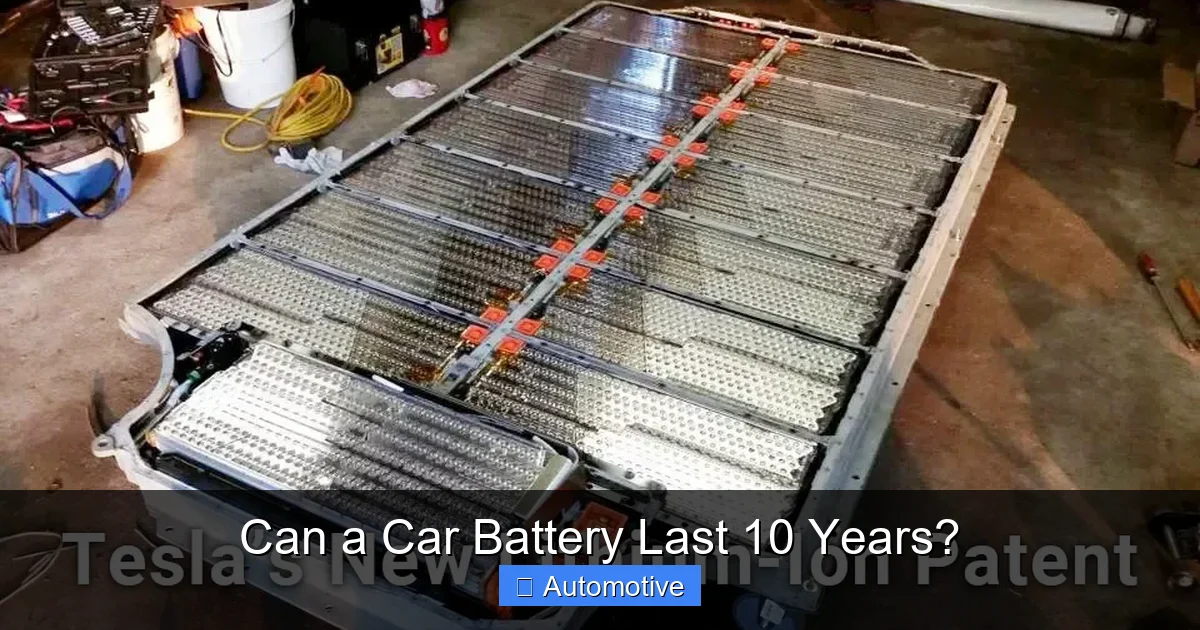
Visual guide about Can a Car Battery Last 10 Years?
Image source: redwaybattery.com
Car batteries don’t come with expiration dates like milk or bread, but they do have a natural lifespan influenced by several key factors. Understanding these can help you manage expectations and take steps to maximize your battery’s life.
Battery Chemistry and Design
Not all car batteries are created equal. The most common type is the lead-acid battery, which has been around for over a century. These are reliable and affordable but tend to wear out faster under stress. Within the lead-acid category, there are subtypes like flooded (wet cell) and enhanced flooded batteries (EFB), often used in start-stop vehicles.
Then there are absorbed glass mat (AGM) batteries, which are more durable, resistant to vibration, and better at handling frequent charging cycles. AGM batteries are commonly found in luxury cars and vehicles with high electrical demands. Because of their superior construction, AGM batteries often last longer—sometimes up to 7 or 8 years with proper care.
Lithium-ion batteries are another option, though less common in traditional gasoline-powered cars. They’re lighter, charge faster, and can last longer, but they’re expensive and not yet standard in most vehicles. Electric vehicles (EVs) use lithium-ion packs, and while those are designed for longevity, they’re not directly comparable to 12-volt starter batteries.
Climate and Temperature Extremes
One of the biggest enemies of car batteries is temperature—both hot and cold. In hot climates, like Arizona or Texas, high under-hood temperatures can cause the battery’s electrolyte fluid to evaporate, leading to internal damage and reduced capacity. Studies show that a battery operating in 80°F (27°C) will last significantly longer than one in 100°F (38°C).
On the flip side, cold weather slows down the chemical reactions inside the battery, reducing its ability to deliver power. In freezing temperatures, a weak battery may not have enough cranking amps to start the engine. This is why many drivers in northern states experience battery failures in winter—even if the battery was fine in summer.
The ideal temperature range for a car battery is between 60°F and 80°F (15°C to 27°C). If you live in an area with extreme seasonal swings, your battery will face more stress and likely won’t last as long.
Driving Habits and Usage Patterns
How you drive your car has a direct impact on battery life. Short trips—like driving to the grocery store or dropping off kids at school—don’t give the alternator enough time to fully recharge the battery after starting the engine. Over time, this leads to a condition called “undercharging,” where the battery is constantly operating below full capacity.
Undercharging causes sulfation, a process where lead sulfate crystals build up on the battery plates. These crystals reduce the battery’s ability to hold a charge and can eventually lead to failure. In contrast, longer drives (30 minutes or more) allow the alternator to restore the battery to full charge, reducing sulfation and extending life.
Frequent short trips are especially hard on batteries in stop-start vehicles, which use the battery more often to restart the engine. If you primarily drive in city traffic with lots of stops and starts, your battery may wear out faster than someone who takes regular highway trips.
Electrical Load and Parasitic Drain
Modern cars are packed with electronics—infotainment systems, GPS, dash cams, seat warmers, and more. All of these draw power from the battery, even when the engine is off. This is known as parasitic drain.
A small amount of parasitic drain is normal—your car’s computer systems need a trickle of power to stay active. But if something is drawing too much power when the car is off, it can drain the battery overnight. Common culprits include faulty door switches (that keep interior lights on), aftermarket accessories (like alarms or stereos), or a malfunctioning module.
Over time, chronic parasitic drain can shorten a battery’s life by preventing it from maintaining a full charge. If you notice your battery dying after the car sits for a few days, parasitic drain could be the cause.
Real-World Examples: Batteries That Lasted 10 Years
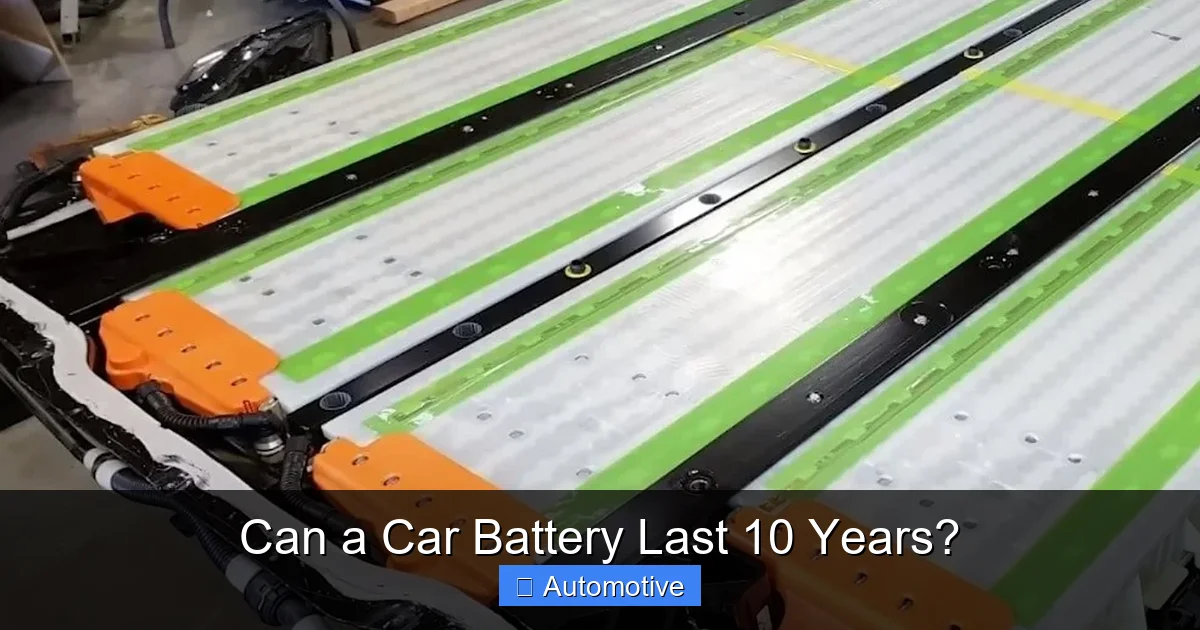
Visual guide about Can a Car Battery Last 10 Years?
Image source: richsautobodyshop.com
While 10-year battery life is uncommon, it’s not unheard of. There are documented cases of drivers getting a full decade out of their batteries—especially when they follow best practices and live in favorable conditions.
Case Study: The Minnesota Mechanic
One well-known example comes from a mechanic in Minnesota who reported using the same battery for over 10 years in his personal vehicle. How? He lived in a moderate climate (relatively mild winters and summers), drove mostly on highways, and performed regular maintenance. He also used a battery tender during the winter months to keep the charge stable when the car wasn’t in use.
His battery was a high-quality AGM model, and he avoided deep discharges by not leaving lights or accessories on. He also checked the voltage monthly and cleaned the terminals twice a year. While his experience is impressive, it’s important to note that he was meticulous about care—something most drivers don’t do.
Case Study: The Florida Retiree
Another example involves a retiree in Florida who kept her car in a garage and drove it only a few times a week for short errands. Her battery lasted nearly nine years. However, when she finally replaced it, the mechanic noted significant corrosion and sulfation, suggesting the battery was on its last legs.
This case highlights a key point: just because a battery still works doesn’t mean it’s healthy. A battery that’s been undercharged for years may still start the car, but it’s operating well below capacity and could fail at any moment.
Why These Cases Are Exceptions
These long-lived batteries are outliers, not the rule. Most drivers don’t have the ideal combination of climate, driving habits, and maintenance routines. Additionally, battery technology hasn’t advanced enough to guarantee 10-year lifespans across the board. Even the best batteries degrade over time due to chemical wear and tear.
That said, these examples show what’s possible with the right conditions and care. They also underscore the importance of proactive maintenance—something we’ll dive into next.
How to Extend Your Car Battery’s Life
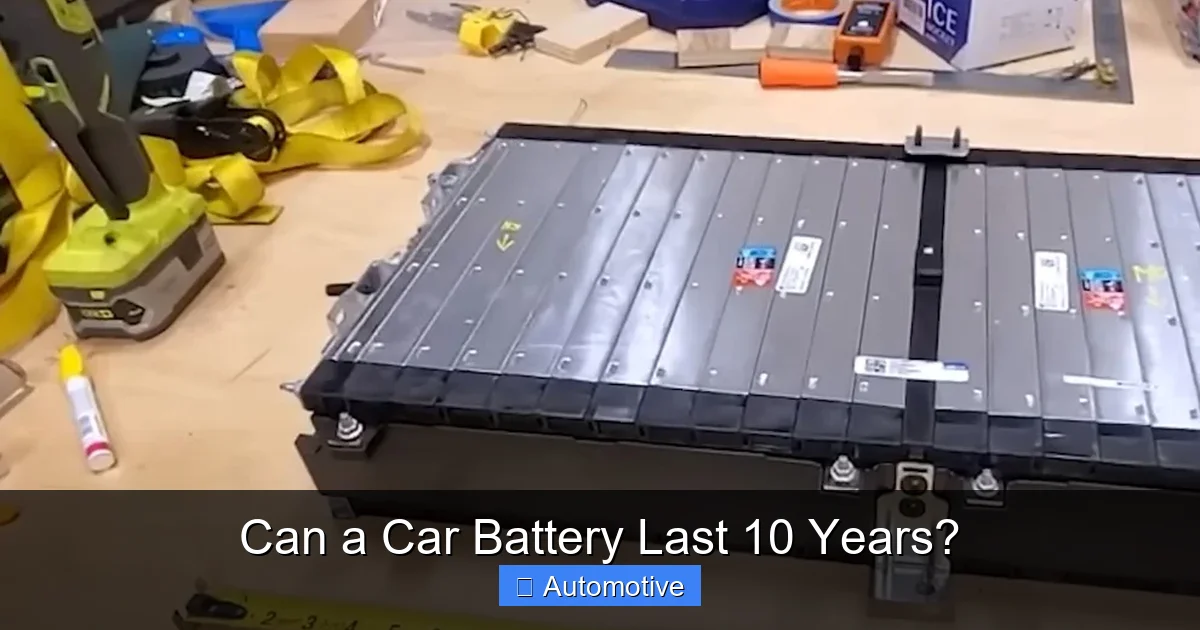
Visual guide about Can a Car Battery Last 10 Years?
Image source: richsautobodyshop.com
If you’re hoping to get more than the average 3–5 years out of your battery, there are several steps you can take to maximize its lifespan. While you can’t control everything—like the weather—you can make choices that reduce stress on your battery and keep it in top condition.
Keep It Clean and Secure
Dirt, grease, and corrosion on the battery terminals can interfere with electrical connections and reduce performance. Over time, corrosion (a white or greenish powder) can build up and prevent the battery from charging properly.
To clean the terminals, disconnect the battery (negative first, then positive), then use a mixture of baking soda and water to scrub away corrosion. Rinse with clean water and dry thoroughly before reconnecting. Apply a thin layer of petroleum jelly or terminal protector spray to prevent future buildup.
Also, make sure the battery is securely mounted. Vibration from rough roads can damage internal components, especially in older batteries. A loose battery can shift and crack, leading to leaks or short circuits.
Check the Voltage Regularly
A healthy car battery should read around 12.6 volts when the engine is off and 13.7 to 14.7 volts when the engine is running. You can check this with a multimeter or a battery tester.
If the voltage drops below 12.4 volts when the car is off, the battery may be undercharged. If it’s below 12 volts, it’s likely weak or dying. Regular voltage checks help you catch problems early before they lead to a dead battery.
Many auto parts stores offer free battery testing, so take advantage of that service during routine visits.
Avoid Deep Discharges
Every time you start your car, the battery delivers a burst of power. The alternator then recharges it while driving. But if you frequently drain the battery—by leaving lights on, using accessories with the engine off, or making very short trips—you increase the risk of deep discharge.
Deep discharges strain the battery and accelerate sulfation. To avoid this, try to minimize electrical use when the engine is off. If you’re parked for a long time, consider using a battery maintainer or trickle charger to keep the charge stable.
Use a Battery Maintainer for Long-Term Storage
If you have a classic car, motorcycle, or seasonal vehicle that sits for weeks or months, a battery maintainer (also called a trickle charger or smart charger) is a smart investment. These devices provide a low, steady charge to keep the battery topped off without overcharging.
Unlike old-style trickle chargers, modern smart chargers monitor the battery’s state and adjust the charge accordingly. They’re safe to leave connected for long periods and can extend battery life significantly.
Drive Regularly and Take Longer Trips
As mentioned earlier, short trips are hard on batteries. If possible, take your car on a longer drive (30 minutes or more) at least once a week. This gives the alternator time to fully recharge the battery and helps prevent sulfation.
If you only use your car for short errands, consider combining trips or using a battery maintainer to compensate for the lack of charging time.
Upgrade to a Higher-Quality Battery
If you’re replacing your battery, consider upgrading to a premium model. AGM batteries, for example, are more durable and longer-lasting than standard lead-acid batteries. They’re also better at handling the demands of modern electronics.
While they cost more upfront, the longer lifespan and improved performance can make them worth the investment—especially if you plan to keep your car for many years.
When Should You Replace Your Car Battery?
Even with the best care, car batteries don’t last forever. Knowing when to replace yours can prevent unexpected breakdowns and keep your vehicle running smoothly.
Age Is a Key Factor
Most manufacturers recommend replacing your battery every 5 years, regardless of how it’s performing. Why? Because internal components degrade over time, even if the battery still works. After 5 years, the risk of sudden failure increases significantly.
Check the manufacture date on your battery (usually a sticker with a code like “A123” where “A” represents the month and “123” the year). If it’s more than 5 years old, consider replacing it—especially if you live in a harsh climate or drive frequently in stop-and-go traffic.
Watch for Warning Signs
Your car will often give you clues that the battery is weakening. Common signs include:
– Slow engine cranking (the engine turns over slowly when starting)
– Dim headlights or interior lights
– Electrical issues (radio resetting, power windows moving slowly)
– The “Check Engine” or battery warning light on the dashboard
– A swollen or bloated battery case (a sign of overheating)
If you notice any of these symptoms, have your battery tested as soon as possible. Many auto parts stores offer free testing and can tell you if the battery needs replacement.
Seasonal Considerations
Winter is the most common time for battery failures. Cold weather reduces battery power, and a weak battery may not have enough cranking amps to start the engine. If your battery is more than 4 years old, consider replacing it before winter hits.
Similarly, extreme heat in summer can accelerate internal damage. If you live in a hot climate, don’t wait for failure—replace aging batteries proactively.
The Bottom Line: Is a 10-Year Battery Life Realistic?
So, can a car battery last 10 years? The answer is yes—but only under ideal conditions and with exceptional care. Most drivers won’t see a decade of service from a single battery, and that’s okay. The average lifespan of 3–5 years is normal and expected.
However, by understanding the factors that affect battery life—climate, driving habits, maintenance, and quality—you can take steps to extend its life and avoid premature failure. Regular checks, clean terminals, longer drives, and using a maintainer for stored vehicles can all help.
If you’re aiming for maximum longevity, invest in a high-quality AGM battery, avoid deep discharges, and monitor voltage regularly. And remember: even the best batteries have a shelf life. Replacing your battery every 5 years is a smart preventive measure that can save you from being stranded.
In the end, while a 10-year battery life is a rare achievement, it’s not impossible. With the right mix of care, conditions, and luck, you might just beat the odds.
Frequently Asked Questions
Can a car battery really last 10 years?
Yes, but it’s rare. Most car batteries last 3–5 years, but under ideal conditions—like mild climate, regular maintenance, and high-quality components—some can reach 7–10 years. However, this requires exceptional care and isn’t typical for most drivers.
What type of battery lasts the longest?
Absorbed glass mat (AGM) batteries generally last longer than standard lead-acid batteries. They’re more durable, resist vibration, and handle frequent charging cycles better, often lasting 6–8 years with proper care.
Does cold weather kill car batteries?
Extreme cold reduces a battery’s power output and can make it harder to start the engine. While cold doesn’t “kill” a battery outright, it can expose weaknesses and lead to failure if the battery is already aging or undercharged.
How often should I replace my car battery?
Most experts recommend replacing your car battery every 5 years, even if it seems to be working fine. After that point, the risk of sudden failure increases significantly due to internal degradation.
Can I extend my battery’s life with a trickle charger?
Yes, a smart trickle charger or battery maintainer can help extend battery life, especially for vehicles that sit unused for long periods. It keeps the battery charged without overcharging, preventing sulfation and deep discharge.
What are the first signs of a dying car battery?
Common signs include slow engine cranking, dim headlights, electrical glitches, a swollen battery case, and warning lights on the dashboard. If you notice any of these, have your battery tested as soon as possible.