
How to Remove Tar from Car Glass

Tar on car glass can be stubborn and unsightly, but with the right approach, it’s completely removable. This guide walks you through safe, effective methods using household items and professional products to restore clarity without damaging your windshield or windows.
Key Takeaways
- Act quickly: The sooner you address tar buildup, the easier it is to remove before it hardens or bonds to the glass.
- Use the right solvent: Products like WD-40, rubbing alcohol, or commercial tar removers break down tar without harming glass or paint.
- Protect surrounding areas: Always tape off rubber seals, paint, and trim to avoid accidental damage during cleaning.
- Microfiber cloths are essential: They prevent scratches and absorb residue better than paper towels or rough rags.
- Avoid harsh abrasives: Steel wool or harsh scrubbing pads can scratch glass—opt for plastic scrapers or soft sponges instead.
- Wash and wax after removal: Once tar is gone, clean the area thoroughly and apply glass sealant for long-term protection.
- Prevent future buildup: Regular washing and waxing create a protective barrier that makes future tar removal easier.
📑 Table of Contents
- Why Tar Sticks to Car Glass—And Why It’s a Problem
- Essential Tools and Supplies for Tar Removal
- Step-by-Step Guide to Removing Tar from Car Glass
- Best Household and Commercial Products for Tar Removal
- Preventing Tar Buildup on Your Car Glass
- Common Mistakes to Avoid When Removing Tar
- When to Call a Professional
- Maintaining Clear, Tar-Free Glass Long-Term
- Conclusion
Why Tar Sticks to Car Glass—And Why It’s a Problem
If you’ve ever driven behind a truck on a freshly paved road or parked near construction, you’ve probably seen it: dark, sticky blobs clinging to your windshield, side windows, or rear glass. That’s tar—a petroleum-based residue commonly used in road construction and roofing. While it might seem harmless at first glance, tar on car glass isn’t just an eyesore—it can seriously impact your safety and the longevity of your vehicle’s finish.
Tar is designed to be durable and adhesive, which means once it lands on your car’s glass, it doesn’t just wipe away with a quick pass of the wiper. Over time, exposure to heat, sunlight, and moisture causes tar to harden and bond more tightly to the surface. If left untreated, it can etch into the glass or leave behind permanent stains that distort your view. Worse yet, aggressive scrubbing with the wrong tools can scratch the glass, creating micro-abrasions that scatter light and reduce visibility—especially at night or in bad weather.
But here’s the good news: tar is soluble in certain chemicals, and with the right technique, you can remove it completely without damaging your car. The key is acting fast, using gentle yet effective solvents, and following a step-by-step process that prioritizes safety and results. Whether you’re dealing with a small splatter or a full windshield covered in road grime, this guide will show you exactly how to tackle the problem like a pro.
Essential Tools and Supplies for Tar Removal
Visual guide about How to Remove Tar from Car Glass
Image source: miro.medium.com
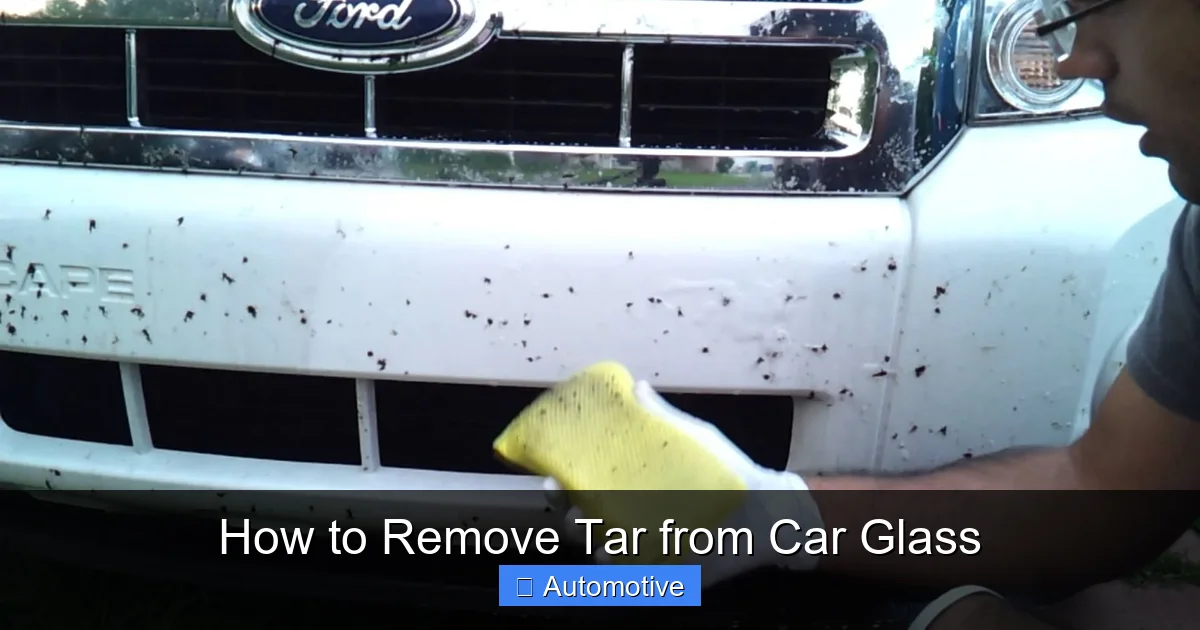
Before you start scrubbing, gather the right tools. Using the wrong materials can turn a simple cleanup into a costly repair job. Fortunately, most of what you need is already in your garage, kitchen, or bathroom cabinet.
Start with protective gear. Wear nitrile gloves to shield your hands from harsh chemicals and sticky residue. Safety goggles are also wise—especially if you’re working overhead or using spray-based products. Next, grab a clean bucket, warm water, and a mild car wash soap. This will be used for pre-washing and final rinsing.
For the actual tar removal, you’ll need a solvent. Common household options include WD-40, isopropyl (rubbing) alcohol (70% or higher), vinegar, or citrus-based degreasers. If you prefer a commercial solution, look for products specifically labeled as “tar remover” or “asphalt cleaner”—brands like Goo Gone, Turtle Wax Bug & Tar Remover, or 3M Adhesive Remover are trusted by detailers. Avoid gasoline, kerosene, or acetone unless absolutely necessary, as these can damage rubber seals, paint, and even some types of glass coatings.
You’ll also need soft, non-abrasive cleaning tools. Microfiber cloths are ideal—they’re gentle on glass and highly absorbent. For tougher spots, a plastic razor blade (also called a window scraper) can help lift hardened tar without scratching. Never use metal scrapers, steel wool, or abrasive pads on glass—they’ll leave permanent scratches.
Finally, have painter’s tape and a clean towel ready. Taping off the edges of your windshield and surrounding trim protects paint and rubber from accidental solvent exposure. And always work in a shaded area or garage to prevent cleaners from drying too quickly, which can leave streaks or residue.
Recommended Product List
- Microfiber cloths (at least 3–4)
- Plastic razor blade or window scraper
- WD-40 or isopropyl alcohol (70%+)
- Commercial tar remover (optional but effective)
- Mild car wash soap
- Spray bottle
- Nitrile gloves and safety goggles
- Bucket and warm water
- Clean towels for drying
Step-by-Step Guide to Removing Tar from Car Glass
Visual guide about How to Remove Tar from Car Glass
Image source: torquedetail.com
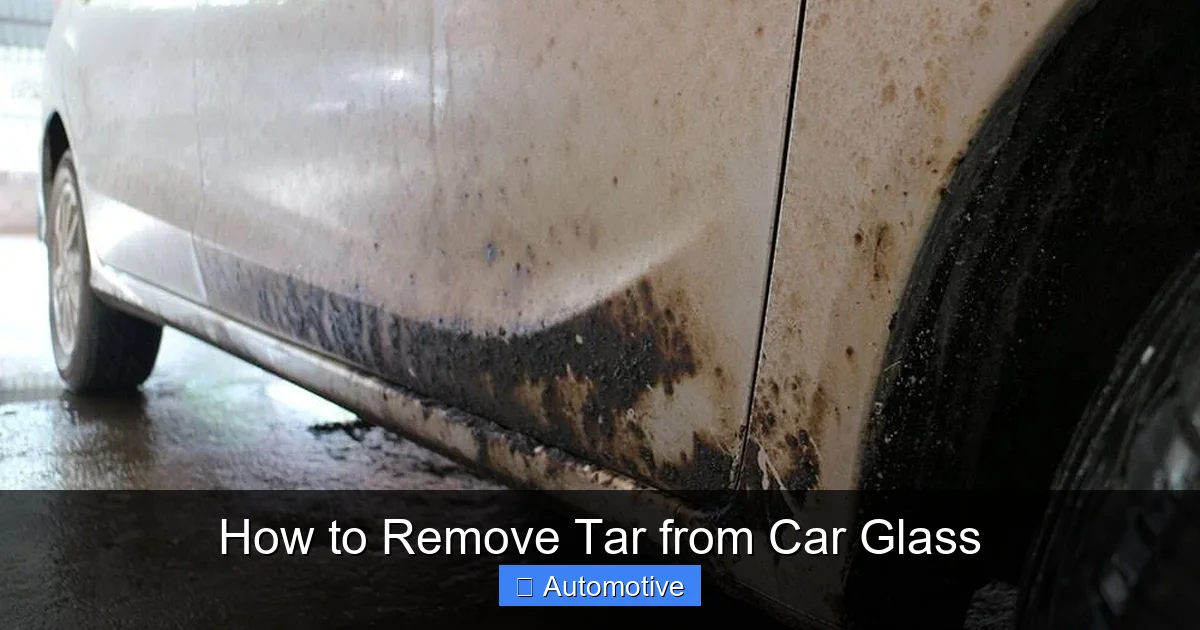
Now that you’re equipped, let’s get to work. Follow these steps carefully to remove tar safely and thoroughly.
Step 1: Pre-Wash the Glass
Start by rinsing the affected area with water to remove loose dirt, dust, and debris. Use a hose or bucket of warm, soapy water and a soft sponge or wash mitt. This prevents scratching when you later apply solvents. Focus on the tar spots—gently agitate them with the sponge, but don’t scrub hard yet. The goal here is just to loosen surface grime.
Step 2: Apply Your Chosen Solvent
Spray or dab your solvent directly onto the tar spots. If using WD-40, spray a generous amount and let it sit for 2–3 minutes. For rubbing alcohol, soak a corner of a microfiber cloth and press it onto the tar for about a minute. Commercial tar removers often come with a spray nozzle—follow the label instructions, but typically a 30–60 second dwell time is sufficient.
The solvent works by breaking down the petroleum bonds in the tar, making it soft and easier to lift off. You’ll notice the tar starting to look shiny or slightly runny—that’s a good sign.
Step 3: Gently Scrape or Wipe Away the Tar
For fresh or softened tar, a microfiber cloth may be enough. Fold the cloth into a small pad and wipe in circular motions. Apply light pressure—no need to bear down. If the tar is hardened or thick, use a plastic razor blade held at a 45-degree angle. Glide it slowly across the surface, lifting the tar in thin sheets. Always scrape in one direction (not back and forth) to avoid scratching.
Work in small sections, reapplying solvent as needed. Don’t rush—patience prevents damage.
Step 4: Repeat if Necessary
Stubborn tar may require a second or third application. Reapply the solvent, wait, then wipe or scrape again. Some deep-set spots might need extra time—up to 5 minutes of dwell time for very old tar. Just be sure to keep the area moist; drying solvents lose effectiveness.
Step 5: Wash and Rinse Thoroughly
Once all visible tar is gone, wash the entire glass surface with soapy water to remove any remaining solvent or residue. Rinse well with clean water. Leftover chemicals can attract dirt or leave hazy films.
Step 6: Dry and Inspect
Use a clean, dry microfiber towel to buff the glass to a streak-free shine. Inspect under bright light or sunlight to ensure no tar remnants remain. If you spot any, repeat the process on that specific area.
Best Household and Commercial Products for Tar Removal
Visual guide about How to Remove Tar from Car Glass
Image source: carcarereviews.net
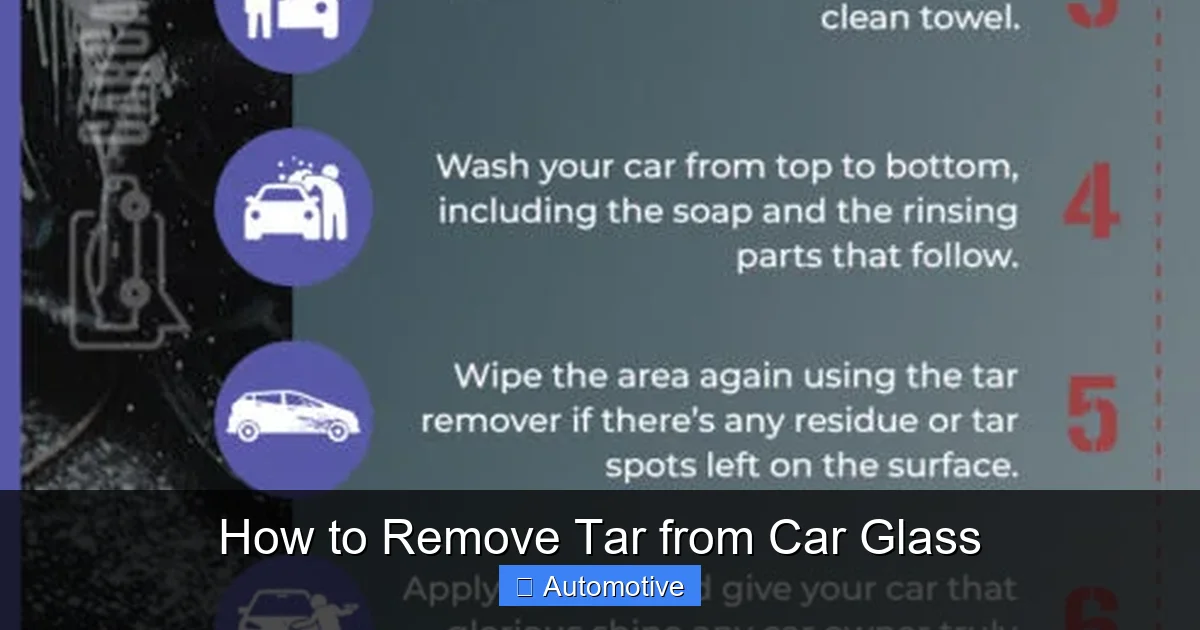
Not all cleaners are created equal when it comes to tar. Some work wonders; others do little or cause harm. Here’s a breakdown of the most effective options—from pantry staples to professional-grade solutions.
WD-40
This multipurpose lubricant is a favorite among car enthusiasts for tar removal. It’s safe on glass, easy to find, and requires no dilution. Simply spray, wait, and wipe. Bonus: it also helps repel water temporarily, giving you a clearer view after cleaning.
Isopropyl Alcohol (Rubbing Alcohol)
A 70% or higher concentration works well for light to moderate tar. It evaporates quickly, so work fast. Avoid using it near painted surfaces unless you’ve taped them off—alcohol can dull or strip wax.
Vinegar and Water Mix
For eco-conscious cleaners, a 1:1 mix of white vinegar and water can help soften tar. It’s less effective on heavy buildup but great for maintenance cleaning. Always rinse thoroughly afterward.
Citrus-Based Degreasers
Products like Citri-Solv or Simple Green are plant-based and biodegradable. They cut through tar without harsh fumes and are safe for most automotive surfaces when used as directed.
Commercial Tar Removers
For severe cases, invest in a dedicated product. Turtle Wax Bug & Tar Remover is affordable and widely available. Goo Gone Auto is another top pick—it’s formulated specifically for automotive use and won’t harm glass or paint when used correctly. Always test a small, inconspicuous area first if you’re trying a new product.
What to Avoid
Steer clear of gasoline, paint thinner, brake cleaner, or acetone. These solvents are too aggressive and can damage rubber seals, trim, and even the glass itself over time. They also pose fire and health risks.
Preventing Tar Buildup on Your Car Glass
An ounce of prevention is worth a pound of cure—especially when it comes to tar. While you can’t always avoid driving on freshly paved roads, a few proactive steps can minimize future buildup and make cleanup easier.
Wash Your Car Regularly
Dirt and grime act as a magnet for tar. Washing your car every 1–2 weeks removes contaminants before they have a chance to bond. Focus on the front end—windshield, grille, and headlights—where tar is most likely to land.
Apply a Glass Sealant or Rain Repellent
Products like Rain-X or Glass Science Hydrophobic Coating create a slick, water-repelling layer on your windshield. This not only improves visibility in rain but also makes it harder for tar and bugs to stick. Reapply every 2–3 months for best results.
Use a Car Cover or Park Smart
If you live near construction zones or frequently drive on rural roads, consider using a car cover when parked. Alternatively, park away from traffic flow when possible—tar often flies off vehicles ahead of you.
Wax Your Car (Yes, Even the Glass!)
While wax is typically for paint, a light application of synthetic sealant or glass-specific wax can add a protective barrier. It won’t stop tar completely, but it will make removal much easier.
Drive Defensively on New Roads
After roadwork, stay farther back from the vehicle in front of you. Fresh asphalt kicks up more debris, and maintaining distance reduces your exposure.
Common Mistakes to Avoid When Removing Tar
Even with the best intentions, it’s easy to make errors that can cost you time, money, or even your car’s finish. Here are the most common pitfalls—and how to dodge them.
Using Metal Scrapers or Abrasives
Glass may seem tough, but it scratches easily. Metal blades, steel wool, or abrasive pads leave fine scratches that scatter light and weaken the glass over time. Always use plastic tools.
Skipping the Pre-Wash
Jumping straight to solvents with dirt on the glass is like sanding with grit still on the surface—it guarantees scratches. Always rinse first.
Letting Solvents Dry on the Glass
WD-40, alcohol, and commercial removers can leave hazy residues if not wiped off promptly. Work in small sections and rinse thoroughly.
Ignoring Surrounding Materials
Tar removers can damage rubber seals, plastic trim, and painted surfaces. Always tape off edges and wipe overspray immediately.
Over-Scrubbing
More pressure doesn’t mean faster results. Tar dissolves—it doesn’t need brute force. Gentle, consistent wiping is far more effective and safer.
Using the Wrong Cloth
Paper towels, old t-shirts, or rough rags can scratch glass. Stick to high-quality microfiber—it’s soft, absorbent, and lint-free.
When to Call a Professional
Most tar removal jobs are DIY-friendly, but there are times when it’s smarter—and safer—to call in an expert.
If the tar has been on the glass for months or years, it may have bonded so tightly that home remedies won’t cut it. Professional detailers have access to industrial-grade solvents and steam cleaners that can tackle even the most stubborn buildup.
Similarly, if your windshield has existing chips, cracks, or aftermarket coatings (like hydrophobic or anti-glare films), DIY removal could compromise its integrity. A trained technician will know how to work around these features without causing damage.
Finally, if you’re unsure about the type of residue—tar can sometimes be confused with tree sap, oil, or adhesive—it’s worth getting a professional assessment. Using the wrong cleaner could make the problem worse.
Most auto detailing shops offer tar removal as part of their exterior cleaning service, often for under $50. Given the risk of damaging your windshield (which can cost hundreds to replace), it’s a small price to pay for peace of mind.
Maintaining Clear, Tar-Free Glass Long-Term
Once your glass is clean, keep it that way with consistent care. A little effort goes a long way in preventing future tar problems.
Start with a monthly deep clean. Use a dedicated glass cleaner (like Invisible Glass or Stoner Car Care) and a fresh microfiber cloth to remove light buildup before it becomes an issue. Pay extra attention to the lower third of your windshield—this is where tar and road spray accumulate most.
Consider upgrading your wiper blades. High-quality silicone blades (like those from Bosch or Rain-X) not only wipe more effectively but also reduce the chance of smearing tar across the glass.
And don’t forget the inside! Interior glass can also collect residue from cigarette smoke, fingerprints, and dust. Clean it regularly with an ammonia-free cleaner to maintain clarity and reduce glare.
Finally, inspect your car after every long drive—especially on highways or construction routes. Spotting tar early makes removal quick, easy, and damage-free.
Conclusion
Tar on car glass is more than just a cosmetic issue—it’s a visibility hazard that demands prompt attention. But with the right tools, techniques, and mindset, you can remove it safely and completely without risking damage to your vehicle. From household staples like WD-40 and rubbing alcohol to commercial tar removers, there’s a solution for every level of buildup. Remember to act quickly, protect surrounding areas, and always use gentle, non-abrasive methods. And when in doubt, don’t hesitate to seek professional help. By following this guide, you’ll keep your windshield crystal clear, your view unobstructed, and your car looking its best—no matter what the road throws at you.
Frequently Asked Questions
Can I use nail polish remover to remove tar from car glass?
Avoid using nail polish remover (which often contains acetone) on car glass. While it may dissolve tar, acetone can damage rubber seals, plastic trim, and even some glass coatings. Stick to safer alternatives like WD-40 or rubbing alcohol.
Will vinegar remove tar from my windshield?
Vinegar can help soften light tar buildup when mixed with water, but it’s not strong enough for heavy or hardened residue. It’s best used as a follow-up cleaner or for maintenance, not primary removal.
How long should I let the solvent sit on the tar?
Most solvents need 1–3 minutes to penetrate tar effectively. For very old or thick deposits, you can extend this to 5 minutes—just keep the area moist and avoid letting the product dry out.
Can tar removal damage my car’s paint?
If you’re careful and tape off surrounding areas, tar removal won’t harm paint. However, some solvents (like strong adhesives removers) can strip wax or dull finishes if left on too long. Always rinse thoroughly.
Is it safe to use a plastic scraper on glass?
Yes—plastic scrapers are specifically designed for glass and won’t scratch when used correctly. Hold them at a low angle and glide gently. Never force it; reapply solvent if the tar isn’t lifting easily.
How often should I clean my windshield to prevent tar buildup?
Wash your car—including the windshield—every 1–2 weeks, especially after driving on newly paved roads. Quick spot-cleaning with a damp microfiber cloth after long trips also helps prevent tar from hardening.