
Can No Coolant Make a Car Overheat

Yes, no coolant can absolutely make a car overheat—and fast. Coolant is essential for regulating engine temperature, and without it, heat builds up rapidly, risking warped parts, blown gaskets, or complete engine failure. Ignoring low or missing coolant is a shortcut to costly repairs.
Key Takeaways
- Coolant is vital for engine temperature control: It absorbs and dissipates heat, preventing the engine from reaching dangerous temperatures.
- Running without coolant causes immediate overheating: Even a short drive with no coolant can lead to engine damage due to excessive heat buildup.
- Overheating can result in severe engine damage: Warped cylinder heads, cracked engine blocks, and blown head gaskets are common outcomes.
- Coolant also prevents corrosion and lubricates components: It protects internal engine parts and ensures the water pump operates smoothly.
- Regular coolant checks are essential: Inspect levels monthly and top off as needed to avoid overheating risks.
- Low coolant often signals a leak: Don’t just refill—find and fix the source of the leak to prevent future issues.
- Use the correct coolant type: Mixing incompatible coolants or using plain water can reduce efficiency and cause damage.
📑 Table of Contents
- Can No Coolant Make a Car Overheat? The Short Answer Is Yes—And It’s Dangerous
- What Is Coolant and Why Is It So Important?
- What Happens When There’s No Coolant in the Car?
- Signs Your Car Is Low on Coolant (Before It Overheats)
- How to Check and Maintain Coolant Levels
- Common Causes of Coolant Loss (And How to Fix Them)
- Can You Drive a Car with No Coolant? The Risks Explained
- Preventing Overheating: Best Practices for Every Driver
- Conclusion: Coolant Is Not Optional—It’s Essential
Can No Coolant Make a Car Overheat? The Short Answer Is Yes—And It’s Dangerous
If you’ve ever popped the hood of your car and noticed the coolant reservoir was empty, you might have wondered: *Can no coolant make a car overheat?* The answer is a resounding yes—and not just eventually. We’re talking about overheating that can happen in minutes, not hours. Coolant, also known as antifreeze, is one of the most overlooked yet critical fluids in your vehicle. Without it, your engine is essentially running naked in a sauna—unprotected, overheating, and headed for trouble.
Think of your car’s engine as a high-performance athlete. It generates massive amounts of heat during operation—enough to boil water in seconds. Coolant is the athlete’s cooling system, circulating through the engine block and radiator to absorb that heat and release it into the air. When there’s no coolant, there’s nothing to carry that heat away. The engine temperature spikes rapidly, and components begin to warp, melt, or fail. It’s not just about comfort or performance—it’s about survival. Running your car without coolant is like running a marathon in a snowsuit with no water. You won’t last long.
What Is Coolant and Why Is It So Important?

Visual guide about Can No Coolant Make a Car Overheat
Image source: i.ytimg.com
Coolant is a specialized fluid designed to regulate your engine’s temperature. It’s typically a mixture of ethylene glycol or propylene glycol and water, often with additives to prevent corrosion and lubricate internal parts. While many people think of coolant only in terms of preventing freezing in winter, its primary job is actually heat management—keeping your engine cool during operation.
How Coolant Works in the Engine
When your engine runs, combustion creates intense heat—often exceeding 2,000°F (1,093°C) inside the cylinders. Without a cooling system, metal parts would expand, warp, and seize almost immediately. Coolant circulates through passages in the engine block and cylinder head, absorbing this heat. It then flows to the radiator, where air passing through (either from driving or the radiator fan) cools it down before it returns to the engine. This continuous cycle keeps temperatures stable.
But here’s the catch: coolant doesn’t just cool. It also:
– Prevents freezing in cold weather (hence the name “antifreeze”)
– Raises the boiling point of the liquid in the system
– Protects against rust and corrosion
– Lubricates the water pump seals
Without coolant, none of this happens. The engine overheats, parts degrade, and the risk of catastrophic failure skyrockets.
Coolant vs. Water: Why You Can’t Just Use Water
Some drivers, in a pinch, might think, “I’ll just top off with water.” While water can temporarily help, it’s not a long-term solution—and it can actually make things worse. Plain water lacks the additives that protect against corrosion and lubricate the water pump. It also boils at 212°F (100°C), much lower than a proper coolant mixture, which can handle temperatures up to 250°F (121°C) or more under pressure.
Using only water can lead to:
– Corrosion inside the engine and radiator
– Mineral buildup that clogs coolant passages
– Reduced heat transfer efficiency
– Premature water pump failure
Always use the manufacturer-recommended coolant type. Mixing coolants or using the wrong kind can cause chemical reactions that reduce effectiveness or damage components.
What Happens When There’s No Coolant in the Car?
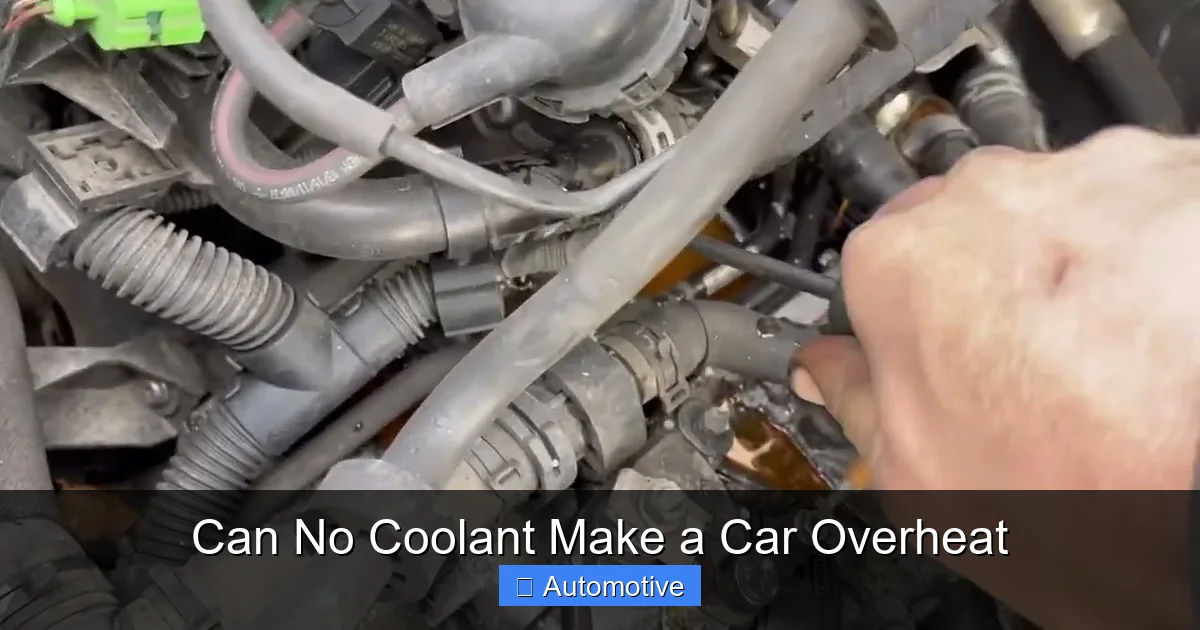
Visual guide about Can No Coolant Make a Car Overheat
Image source: i.ytimg.com
Now that we understand what coolant does, let’s answer the core question: *Can no coolant make a car overheat?* The answer is not just yes—it’s almost guaranteed. Here’s what happens step by step when your car runs without coolant.
Immediate Temperature Spike
As soon as the engine starts, it begins generating heat. Without coolant to absorb and transfer that heat, temperatures rise rapidly. Within minutes—sometimes even less—the engine can reach critical levels. The temperature gauge on your dashboard will climb into the red zone, and warning lights may flash.
At this point, the engine is under extreme stress. Metal components expand at different rates, causing friction, warping, and potential seizing.
Boiling and Steam Formation
As temperatures climb, any residual coolant or water in the system may begin to boil. This creates steam, which can cause pressure buildup in the cooling system. You might see steam escaping from under the hood or smell a sweet, syrupy odor—classic signs of overheating.
Steam is a warning sign. It means the system is failing, and the engine is in danger.
Engine Damage Begins
Once the engine overheats, damage starts almost immediately. Here are some of the most common issues:
– **Warped cylinder heads:** The cylinder head, made of aluminum, expands when hot. Without coolant, it can warp, leading to poor sealing and compression loss.
– **Blown head gasket:** The head gasket seals the cylinder head to the engine block. Excessive heat can cause it to fail, allowing coolant and oil to mix or combustion gases to leak.
– **Cracked engine block or cylinder head:** In extreme cases, thermal stress can cause cracks in the engine block or head, requiring expensive repairs or a full engine replacement.
– **Piston seizure:** Pistons can expand and seize in the cylinders, locking the engine.
These aren’t hypothetical scenarios—they happen to real drivers who ignore low coolant levels.
Real-World Example: A Costly Lesson
Imagine Sarah, a busy mom who’s always on the go. She notices her car’s temperature gauge creeping up but assumes it’s just a hot day. She doesn’t check the coolant. A few miles down the road, her car starts smoking. She pulls over, but it’s too late. The engine has overheated, and the head gasket is blown. The repair bill? Over $2,000.
Sarah’s story is common. A simple coolant top-off could have prevented thousands in damage. This is why checking coolant levels regularly is so important.
Signs Your Car Is Low on Coolant (Before It Overheats)
The good news? You don’t have to wait for your engine to overheat to know something’s wrong. There are several warning signs that your coolant level is low—or that there’s a leak. Catching these early can save you from a breakdown or engine damage.
Dashboard Warning Lights
Most modern cars have a temperature warning light or gauge. If it lights up or the needle enters the red zone, pull over immediately. Continuing to drive can cause irreversible damage.
Some vehicles also have a low coolant warning light, which looks like a thermometer or radiator symbol. Don’t ignore it.
Sweet Smell or Steam from Under the Hood
Coolant has a distinct sweet, syrupy smell. If you notice this odor—especially with steam or smoke—it’s a strong sign of a coolant leak or overheating.
Overheating in Traffic or at Idle
If your car overheats when stopped but cools down while driving, it could indicate a coolant circulation problem. At higher speeds, airflow helps cool the engine, but at idle, the radiator fan must do the work. Low coolant reduces the system’s ability to cool effectively.
Coolant Leaks Under the Car
Check your driveway or parking spot for puddles. Coolant is usually bright green, orange, pink, or yellow and has a slippery feel. If you see a colorful puddle, you likely have a leak.
Common leak sources include:
– Radiator
– Water pump
– Hoses
– Heater core
– Head gasket
Low Coolant Reservoir Level
The coolant reservoir (also called the overflow tank) is usually translucent with “MIN” and “MAX” markings. Check it when the engine is cold. If the level is below “MIN,” you need to add coolant.
Never open the radiator cap when the engine is hot—it’s under pressure and can cause severe burns.
How to Check and Maintain Coolant Levels
Preventing overheating starts with regular maintenance. Here’s how to check and maintain your coolant like a pro.
Step-by-Step: Checking Coolant
1. **Let the engine cool completely.** Never open the radiator cap when hot.
2. **Locate the coolant reservoir.** It’s usually a plastic tank near the radiator.
3. **Check the level.** The fluid should be between “MIN” and “MAX.”
4. **Inspect the condition.** Coolant should be clean and brightly colored. If it’s brown, cloudy, or has debris, it may need flushing.
5. **Top off if needed.** Use the correct coolant type (check your owner’s manual). Mix with distilled water if required.
When to Flush and Replace Coolant
Coolant doesn’t last forever. Over time, additives break down, and corrosion builds up. Most manufacturers recommend flushing and replacing coolant every 30,000 to 100,000 miles, depending on the type (conventional vs. extended-life).
Signs it’s time for a flush:
– Coolant is discolored or sludgy
– Engine runs hotter than usual
– You notice rust or debris in the reservoir
A professional flush removes old coolant and contaminants, ensuring optimal performance.
DIY vs. Professional Service
Checking and topping off coolant is easy to do yourself. But if you suspect a leak, overheating, or need a full flush, it’s best to visit a trusted mechanic. They can pressure-test the system, find leaks, and ensure everything is working properly.
Common Causes of Coolant Loss (And How to Fix Them)
Low coolant isn’t always due to evaporation. In most cases, it’s a sign of a leak or mechanical issue. Here are the most common causes and what you can do about them.
Radiator Leaks
Radiators can develop cracks or corrosion over time, especially in older vehicles. Look for wet spots or crusty deposits around the radiator seams.
**Fix:** Small leaks can sometimes be sealed with a radiator stop-leak product, but this is a temporary fix. For long-term reliability, replace the radiator.
Faulty Water Pump
The water pump circulates coolant through the engine. If it fails, coolant won’t flow, leading to overheating. Signs include coolant leaks near the pump, whining noises, or overheating.
**Fix:** Replace the water pump. This is a job for a mechanic, as it often requires removing multiple components.
Damaged Hoses
Coolant hoses can crack, swell, or split with age. Check for soft spots, bulges, or leaks.
**Fix:** Replace damaged hoses. Use OEM or high-quality aftermarket parts.
Head Gasket Failure
A blown head gasket can allow coolant to leak into the combustion chamber or oil passages. Symptoms include white exhaust smoke, milky oil, and overheating.
**Fix:** This is a major repair requiring engine disassembly. Costs can range from $1,500 to $3,000 or more.
Heater Core Issues
The heater core is a small radiator inside the dashboard. If it leaks, you may notice a sweet smell in the cabin or foggy windows.
**Fix:** Replacing the heater core is complex and often requires removing the dashboard. Best left to professionals.
Can You Drive a Car with No Coolant? The Risks Explained
Some drivers wonder: *Can I just drive a short distance with no coolant?* The answer is a firm no. Even a few minutes without coolant can cause permanent damage.
Short Trips Are Still Dangerous
You might think, “I’ll just drive to the gas station.” But engines heat up fast. In stop-and-go traffic, with the AC on, and no coolant, temperatures can spike in under five minutes.
Engine Damage Can Be Immediate
Once metal parts overheat, they don’t return to normal. Warping, cracking, and seizing happen quickly. Even if the car seems to run fine afterward, internal damage may already be done.
Towing Is Safer Than Driving
If you suspect low or no coolant, pull over safely and call for a tow. It’s far cheaper than engine repairs. Most roadside assistance plans cover towing, so use it.
Preventing Overheating: Best Practices for Every Driver
The best way to avoid overheating is prevention. Follow these tips to keep your cooling system in top shape.
Check Coolant Monthly
Make it a habit to check the coolant level once a month, especially before long trips. It takes less than two minutes.
Inspect Hoses and Belts
Look for cracks, leaks, or wear on coolant hoses and the drive belt that powers the water pump.
Use the Right Coolant
Always use the coolant type specified in your owner’s manual. Mixing types can cause problems.
Watch the Temperature Gauge
Pay attention to your dashboard. If the temperature rises, pull over immediately.
Service the Cooling System Regularly
Follow your manufacturer’s maintenance schedule for coolant flushes and inspections.
Address Leaks Promptly
Don’t ignore puddles or low levels. Find and fix the source of the leak.
Conclusion: Coolant Is Not Optional—It’s Essential
So, can no coolant make a car overheat? Absolutely. Coolant is the lifeblood of your engine’s cooling system. Without it, heat builds up fast, leading to warped parts, blown gaskets, and potentially a ruined engine. The good news is that overheating is almost always preventable with regular checks and maintenance.
Don’t wait for the warning light to come on. Take a few minutes each month to check your coolant level and look for leaks. Use the right coolant, and never drive if you suspect a problem. Your car will thank you with reliable performance and fewer repair bills.
Remember: a little prevention goes a long way. Keep your coolant full, your system healthy, and your engine cool—no matter how hot it gets outside.
Frequently Asked Questions
Can no coolant make a car overheat?
Yes, running a car with no coolant will cause it to overheat quickly. Coolant is essential for absorbing and dissipating engine heat, and without it, temperatures rise rapidly, risking severe engine damage.
How long can a car run with no coolant?
A car should not run at all with no coolant. Even a few minutes of operation can cause overheating and permanent engine damage due to excessive heat buildup.
What happens if you drive with low coolant?
Driving with low coolant can lead to overheating, especially in traffic or hot weather. It may also indicate a leak, which should be repaired to prevent further issues.
Can I use water instead of coolant?
Water can be used temporarily in an emergency, but it lacks corrosion inhibitors and lubricants. It also boils at a lower temperature, making it less effective than proper coolant.
How often should I check my coolant level?
Check your coolant level at least once a month, especially before long trips. Also inspect it whenever you service your vehicle or notice temperature fluctuations.
What are the signs of a coolant leak?
Signs include low coolant levels, puddles under the car (often green, orange, or pink), a sweet smell, overheating, or steam from under the hood. Address leaks promptly to avoid engine damage.
