
What Does a Maserati Car Look Like?

Ever wondered what makes a Maserati stand out on the road? From its aggressive grille to sculpted body lines, a Maserati car looks like a blend of art, power, and Italian elegance. With sleek silhouettes, bold curves, and luxurious interiors, every model exudes confidence and sophistication.
Key Takeaways
- Distinctive Front Grille: The iconic trident logo and wide, low grille give Maseratis an aggressive, commanding presence.
- Sculpted Body Lines: Flowing curves and aerodynamic shapes create a dynamic, athletic appearance that turns heads.
- Luxurious Interiors: Handcrafted leather, premium materials, and elegant finishes reflect Italian craftsmanship and comfort.
- Signature Exhaust Note: While not visual, the sound complements the car’s look—deep, throaty, and unmistakably Maserati.
- Model-Specific Styling: Each model—from the Ghibli to the MC20—has unique design cues that reflect its performance and purpose.
- Attention to Detail: From triple air vents to LED lighting, every element is designed for both beauty and function.
- Color and Finish Options: Maserati offers a range of custom paint colors and finishes to match personal style and enhance visual impact.
📑 Table of Contents
What Does a Maserati Car Look Like?
Imagine driving down a coastal highway, the sun glinting off a sleek, low-slung sports car that seems to hug the road like a predator ready to pounce. The engine growls with a deep, resonant tone, and every passerby does a double-take. That’s the magic of a Maserati. But what does a Maserati car look like, really? It’s more than just a fast car—it’s a statement. A Maserati isn’t designed to blend in. It’s built to stand out, to command attention, and to deliver an experience that’s as emotional as it is mechanical.
From the moment you lay eyes on one, you know it’s something special. Whether it’s the aggressive stance of a Quattroporte sedan or the futuristic curves of the MC20 supercar, Maserati vehicles are instantly recognizable. They combine Italian flair with performance engineering, creating machines that look as good parked as they do at full throttle. But beauty isn’t just skin deep. Every curve, every vent, every stitch in the leather serves a purpose—balancing form and function in a way few automakers can match.
The Iconic Exterior Design of Maserati
Visual guide about What Does a Maserati Car Look Like?
Image source: static.wixstatic.com
When you think of a Maserati, the first image that likely comes to mind is its bold, sculpted exterior. The brand’s design language is rooted in Italian automotive artistry, blending aggression with elegance. Unlike some luxury cars that prioritize subtlety, Maserati leans into drama. The result? A car that looks like it’s always in motion, even when it’s standing still.
The Signature Front Grille and Trident Logo
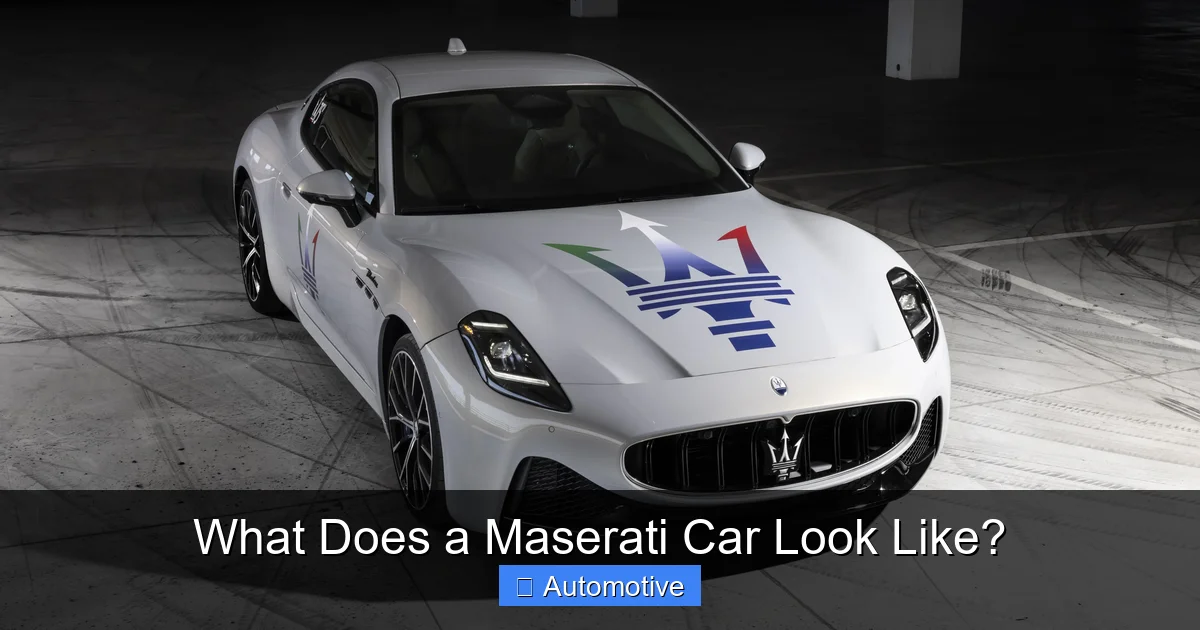
At the heart of every Maserati’s identity is its front grille—a wide, low-profile opening that dominates the car’s face. This isn’t just for show. The grille is functional, feeding air to the engine and cooling systems, but it’s also a symbol. Flanked by sleek LED headlights that often feature adaptive lighting, the grille frames the iconic trident logo, inspired by the statue of Neptune in Bologna, Italy.
The trident isn’t just a badge—it’s a declaration. It tells the world that this car is built for power, precision, and pride. The grille’s mesh pattern varies by model, with some featuring a more open, sporty design and others a refined, chrome-accented finish. On the Ghibli, for example, the grille is slightly more subdued, while the MC20 flaunts a carbon-fiber surround that screams high performance.
Aggressive Stance and Proportions
Maseratis are built low to the ground, with a wide track and long wheelbase that give them a planted, athletic stance. This isn’t just for aesthetics—it improves handling and stability at high speeds. The front end is typically elongated, especially on models like the GranTurismo, giving the car a classic grand tourer silhouette. The rear is often tapered, with a fastback or coupe-style roofline that flows seamlessly into the trunk.
The proportions are carefully balanced. The wheels are large—often 19 to 21 inches—and pushed to the corners of the body, enhancing both grip and visual impact. This “cab-rearward” design, where the cabin sits slightly behind the front axle, is a hallmark of sports car architecture and gives Maseratis their dynamic, ready-to-launch look.
Flowing Body Lines and Sculpted Surfaces
One of the most striking features of a Maserati is its bodywork. Instead of sharp, angular edges, Maserati favors soft, flowing lines that wrap around the car like a tailored suit. These curves aren’t just for beauty—they’re aerodynamically optimized to reduce drag and improve airflow.
Take the side profile of a Maserati Levante SUV. It looks like a coupe that’s been stretched into an SUV, with a sloping roofline and muscular rear haunches. The fenders bulge slightly over the wheels, emphasizing power and presence. Even the door handles are flush-mounted, maintaining the clean, uninterrupted lines.
On the MC20, the design is more futuristic. The body is made of carbon fiber, and the surfaces are sculpted with precision to manage airflow. The rear features a distinctive “cowl” shape that channels air over the engine cover, while the side intakes feed cooling air to the mid-mounted engine.
Signature Design Elements Across the Lineup
Visual guide about What Does a Maserati Car Look Like?
Image source: whocanfixmycar.com
While each Maserati model has its own personality, they all share a family resemblance. Certain design cues are consistent across the lineup, making it easy to spot a Maserati from a distance.
The Triple Air Vents
One of the most recognizable features on many Maserati models is the triple air vent on the front fender. Located just behind the front wheels, these vents aren’t just decorative—they help channel air away from the wheel wells, reducing turbulence and improving aerodynamics.
On the Ghibli and Quattroporte, the vents are elegantly integrated into the bodywork, often finished in chrome or body color. On the Levante, they’re slightly larger and more pronounced, reflecting the SUV’s sporty character. Even the newer MC20 incorporates subtle venting elements, though they’re more integrated into the overall design.
LED Lighting and Signature Taillights
Lighting plays a big role in how a Maserati looks, especially at night. The brand uses full-LED headlights with adaptive high beams that adjust based on traffic and road conditions. The daytime running lights often form a distinctive “eyebrow” shape above the main beam, adding a touch of personality.
At the rear, the taillights are equally striking. On the Ghibli, they’re slim and wrap around the corners, creating a wide, planted look. The Quattroporte features a full-width light bar that connects the two taillights, giving it a modern, upscale appearance. The MC20 has a more aggressive setup, with narrow, angular lights that echo the car’s futuristic design.
Exhaust Tips and Rear Diffuser
The rear of a Maserati is where performance meets style. Most models feature dual or quad exhaust tips, often finished in polished chrome or black. These aren’t just for looks—they’re part of a tuned exhaust system that delivers that signature Maserati roar.
Below the exhaust, you’ll often find a rear diffuser. This aerodynamic component helps manage airflow under the car, reducing lift and increasing downforce. On sportier models like the MC20 or the GranTurismo, the diffuser is more pronounced, sometimes integrated with a central exhaust or active aerodynamics.
Interior Luxury and Craftsmanship
Visual guide about What Does a Maserati Car Look Like?
Image source: topgear.com
Step inside a Maserati, and you’re greeted by an atmosphere of refined luxury. The interior is where Italian craftsmanship truly shines. Every surface feels premium, every control is intuitive, and every detail is designed to delight the senses.
Handcrafted Materials and Finishes
Maserati interiors are a celebration of materials. The seats are typically upholstered in fine leather—often Zegna silk-blend fabric on higher trims—with contrast stitching that adds visual depth. The dashboard and door panels are wrapped in soft-touch leather or Alcantara, with real wood, carbon fiber, or aluminum trim depending on the model and configuration.
Even the smallest details are considered. The gear shifter, for example, is often made of polished aluminum or carbon fiber, with a smooth, precise action. The door handles are weighted and engineered for a satisfying click. It’s these touches that make driving a Maserati feel special.
Ergonomic Design and Technology
While Maserati prioritizes luxury, it doesn’t sacrifice usability. The cockpit is driver-focused, with controls placed within easy reach. The steering wheel is typically wrapped in leather and features paddle shifters for manual gear changes. On newer models, the wheel may also include touch-sensitive controls for audio, navigation, and driver assistance systems.
The infotainment system has evolved over the years. Older models used a more traditional setup with a central screen and physical buttons, but newer vehicles like the MC20 and updated Ghibli feature large, high-resolution touchscreens with intuitive interfaces. Apple CarPlay and Android Auto are standard, and some models offer wireless connectivity.
Ambient Lighting and Acoustic Comfort
To enhance the driving experience, Maserati includes ambient lighting that can be customized in color and intensity. Soft LEDs illuminate the footwells, door handles, and center console, creating a calming, upscale atmosphere at night.
Sound insulation is another priority. Despite the thrilling engine noise, the cabin remains quiet at highway speeds. Active noise cancellation and premium sound-deadening materials help keep road and wind noise to a minimum, allowing the optional high-end audio systems—like the Bowers & Wilkins or Sonus Faber setups—to shine.
Model-Specific Design Differences
Not all Maseratis look the same. Each model in the lineup has its own design language, tailored to its role and performance profile.
The Ghibli: Sporty Elegance
The Maserati Ghibli is the brand’s entry-level sedan, but it doesn’t look entry-level. It’s a four-door sports sedan with a coupe-like roofline and aggressive front fascia. The Ghibli shares its platform with the Alfa Romeo Giulia, but its styling is distinctly Maserati—more muscular, more luxurious.
The Ghibli’s side profile features a long hood and short rear deck, emphasizing its rear-wheel-drive layout. The rear is dominated by quad exhaust tips and a subtle spoiler integrated into the trunk lid. Inside, it offers a driver-focused cockpit with sport seats and a 10.1-inch touchscreen.
The Quattroporte: Executive Presence
As Maserati’s flagship sedan, the Quattroporte is all about presence. It’s longer, wider, and more imposing than the Ghibli, with a stately grille and elegant proportions. The Quattroporte is designed for executives and dignitaries, blending performance with luxury.
The interior is even more opulent, with optional features like rear-seat entertainment, massaging seats, and a panoramic sunroof. The dashboard features a dual-screen setup, with one for the driver and one for the passenger, offering climate and media controls.
The Levante: SUV with Soul
The Levante was Maserati’s first SUV, and it set the standard for luxury performance crossovers. It looks like a sports car that’s been elevated for all-terrain capability. The roofline slopes dramatically toward the rear, giving it a coupe-like silhouette.
The Levante’s front end is aggressive, with a large grille and sharp headlights. The ride height is higher than a sedan, but the suspension is tuned for sporty handling. Inside, it offers three rows of seating (on some trims) and a wealth of tech features, including a 12.3-inch infotainment screen.
The MC20: Supercar Futurism
The MC20 is Maserati’s halo car—a mid-engine supercar that marks the brand’s return to high-performance excellence. Its design is radically different from the rest of the lineup, with a focus on aerodynamics and lightweight construction.
The body is made of carbon fiber, and the doors open upward in a dramatic “butterfly” style. The rear features a transparent engine cover, allowing a glimpse of the twin-turbo V6 engine. The interior is minimalist but high-tech, with a digital instrument cluster and a central touchscreen.
Customization and Color Options
One of the joys of owning a Maserati is the ability to personalize it. The brand offers a wide range of exterior colors, from classic blacks and whites to bold reds and silvers. Some colors are exclusive to certain models or trims.
Paint Finishes and Special Editions
Maserati offers several paint finishes, including metallic, pearlescent, and matte options. The MC20, for example, is available in a stunning “Blu Infinito” blue that shifts in the light. Special edition models often feature unique colors and badging.
Buyers can also choose from different wheel designs, brake caliper colors, and interior trim options. The “Fuoriserie” customization program allows for even more personalization, including custom stitching, monogramming, and bespoke materials.
Lighting and Badging Details
Even the badging can be customized. Some owners opt for chrome or blacked-out logos, while others prefer the classic polished finish. The lighting elements can also be tailored—some models offer dynamic turn signals that sweep across the light bar.
Conclusion: A Car That Looks as Good as It Drives
So, what does a Maserati car look like? It’s a blend of aggression and elegance, power and poise. From the iconic grille to the hand-stitched leather, every element is designed to inspire. Whether you’re behind the wheel of a Ghibli, Quattroporte, Levante, or MC20, you’re driving a piece of Italian art.
Maserati doesn’t just build cars—it creates experiences. And the first step in that experience is the way it looks. It’s not just about turning heads. It’s about feeling something every time you see it parked in your driveway or catch your reflection in the window. A Maserati isn’t just a mode of transportation. It’s a statement. And it looks exactly how you’d expect a legend to look.
Frequently Asked Questions
What makes a Maserati look different from other luxury cars?
Maseratis stand out with their aggressive grilles, flowing body lines, and signature design cues like the trident logo and triple air vents. Unlike some luxury brands that favor subtlety, Maserati embraces bold, athletic styling that reflects Italian passion and performance.
Do all Maserati models look similar?
While they share design DNA—like the grille and logo—each model has its own look. The Ghibli is sporty and sleek, the Quattroporte is stately and elegant, the Levante blends SUV practicality with coupe styling, and the MC20 is a futuristic supercar.
Can I customize the color and finish of my Maserati?
Yes, Maserati offers a wide range of exterior colors and finishes, including metallic, pearlescent, and matte options. The Fuoriserie program allows for even more personalization, including custom interiors and unique badging.
Are Maserati interiors as luxurious as the exterior suggests?
Absolutely. Maserati interiors feature handcrafted leather, premium materials, and elegant finishes. Attention to detail is evident in everything from the stitching to the ambient lighting, creating a truly luxurious cabin experience.
What is the most distinctive feature of a Maserati’s exterior?
The front grille with the trident logo is the most iconic feature. It’s instantly recognizable and sets the tone for the car’s aggressive, confident presence on the road.
Does the MC20 look like a traditional Maserati?
Not exactly. The MC20 has a more futuristic design with butterfly doors, a carbon-fiber body, and a transparent engine cover. It represents a new direction for the brand while still carrying Maserati’s performance DNA.