
Who Has the Cheapest Car Insurance?

Finding the cheapest car insurance isn’t just about picking the lowest number—it’s about getting the best value for your coverage needs. While companies like Geico, State Farm, and Progressive often rank among the most affordable, your personal profile plays a huge role in what you’ll actually pay.
Key Takeaways
- Geico and State Farm often offer the lowest average premiums for most drivers, especially those with clean records and good credit.
- Your location heavily impacts rates—urban areas with high traffic and theft rates typically cost more than rural zones.
- Young and high-risk drivers may find cheaper options with insurers like Dairyland or The General, which specialize in non-standard coverage.
- Discounts can slash your premium by 20–40%, including safe driver, multi-policy, and good student discounts.
- Comparing quotes from at least 3–5 insurers is the most reliable way to find the cheapest rate for your situation.
- Usage-based insurance programs (like Progressive’s Snapshot or Allstate’s Drivewise) can reward low-mileage, safe driving with lower premiums.
- Raising your deductible lowers monthly costs, but make sure you can afford the out-of-pocket expense if you file a claim.
📑 Table of Contents
- Who Has the Cheapest Car Insurance? A 2024 Guide to Saving on Your Premium
- Top Insurance Companies with the Cheapest Rates
- Factors That Affect Your Car Insurance Rates
- How to Find the Cheapest Car Insurance for You
- Cheap vs. Good: Why the Lowest Price Isn’t Always the Best
- Special Cases: Who Has the Cheapest Insurance for High-Risk Drivers?
- Final Tips to Save on Car Insurance
- Conclusion
Who Has the Cheapest Car Insurance? A 2024 Guide to Saving on Your Premium
Let’s be honest—nobody likes paying for car insurance. It’s one of those necessary expenses that feels like a monthly tax on driving. But here’s the good news: you don’t have to overpay. With a little research and smart shopping, you can find affordable coverage that still protects you on the road.
So, who has the cheapest car insurance? The short answer: it depends. There’s no one-size-fits-all provider that’s the cheapest for everyone. Your age, driving history, location, vehicle type, and even your credit score all influence how much you’ll pay. But certain companies consistently rank among the most affordable for the average driver. In 2024, Geico, State Farm, and Progressive are frequently cited as top contenders for low-cost coverage—especially for drivers with clean records and good credit.
But don’t just take their word for it. The real secret to finding cheap car insurance is shopping around. Insurance companies use complex algorithms to calculate risk, and no two insurers weigh the same factors equally. That means you could get a quote of $120/month from one company and $180/month from another—for the exact same coverage.
Top Insurance Companies with the Cheapest Rates
Visual guide about Who Has the Cheapest Car Insurance?
Image source: motorbiscuit.com
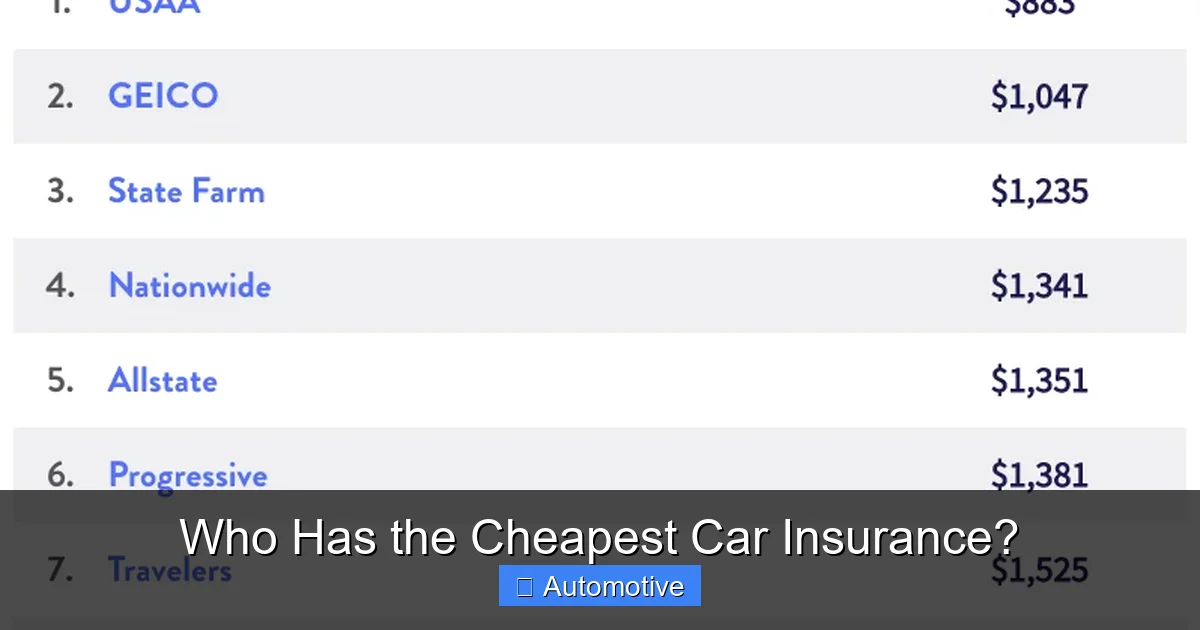
When it comes to affordability, a few names keep popping up in industry reports and customer reviews. Let’s break down the insurers that consistently offer some of the lowest average premiums.
Geico: The Budget-Friendly Giant
Geico (Government Employees Insurance Company) is often the first name people think of when searching for cheap car insurance—and for good reason. It’s one of the largest auto insurers in the U.S. and is known for competitive pricing, especially for safe drivers.
According to recent data from the National Association of Insurance Commissioners (NAIC), Geico’s average annual premium hovers around $1,200—well below the national average of about $1,700. They offer a wide range of discounts, including:
– Safe driver discount (up to 25%)
– Multi-vehicle discount
– Good student discount
– Military and federal employee discounts
One real-world example: Sarah, a 32-year-old teacher in Ohio with a clean driving record, pays just $98/month for full coverage with Geico. She bundles her auto and renters insurance, which knocked another 15% off her bill.
State Farm: Personalized Service at a Fair Price
State Farm is another top pick for affordable car insurance, particularly for drivers who value local agent support. While its rates are slightly higher than Geico’s on average, they’re still very competitive—especially in states like Texas, Illinois, and Minnesota.
State Farm shines when it comes to discounts. Their “Steer Clear” program rewards young drivers for safe habits, and their “Drive Safe & Save” program uses telematics to lower premiums based on actual driving behavior.
For example, Mike, a 28-year-old software developer in Austin, Texas, pays $112/month with State Farm. He’s been accident-free for five years and qualifies for multiple discounts, including a multi-policy discount for bundling with his homeowner’s insurance.
Progressive: Great for High-Risk and Tech-Savvy Drivers
Progressive is known for its innovative tools and flexible pricing, making it a strong option for drivers who might not qualify for the lowest rates elsewhere. They’re especially popular among younger drivers, those with minor violations, and people who drive less frequently.
Progressive’s “Name Your Price” tool lets you set a budget and see coverage options that fit. Their Snapshot program tracks your driving habits (like braking, speed, and mileage) and can reduce your premium by up to 30% if you drive safely.
Take Jessica, a 24-year-old grad student in Denver. She had a speeding ticket two years ago, which bumped up her rates elsewhere. But with Progressive’s Snapshot program and a good student discount, she pays just $105/month—less than she would with many competitors.
USAA: The Best (If You Qualify)
If you’re eligible, USAA (United Services Automobile Association) is hands-down one of the cheapest and most customer-friendly insurers. It consistently ranks #1 in customer satisfaction and offers some of the lowest premiums in the industry.
However, USAA is only available to active military members, veterans, and their immediate family members. If you qualify, you could be paying as little as $800–$1,000 per year for full coverage. Their claims process is fast, their customer service is top-notch, and they offer generous discounts for safe driving and military service.
For instance, David, a Navy veteran in San Diego, pays just $78/month with USAA. He bundles his auto, home, and life insurance, and his clean driving record keeps his rates low.
Factors That Affect Your Car Insurance Rates
Visual guide about Who Has the Cheapest Car Insurance?
Image source: motoringresearch.com
Now that you know which companies often offer the cheapest rates, let’s talk about what actually determines how much you’ll pay. Insurance companies use a mix of personal and vehicle-related factors to calculate your risk—and your premium.
Your Driving Record
This is a big one. A clean driving record with no accidents, tickets, or DUIs can save you hundreds per year. On the flip side, even one speeding ticket can increase your premium by 10–20%.
For example, a 35-year-old driver with a clean record might pay $100/month, while the same driver with a recent at-fault accident could pay $140/month or more.
Age and Experience
Young drivers, especially those under 25, pay significantly more because they’re statistically more likely to be in accidents. Rates typically drop around age 25 and continue to decrease with experience.
A 19-year-old male driver might pay $250/month for basic coverage, while a 40-year-old with the same profile could pay half that.
Location, Location, Location
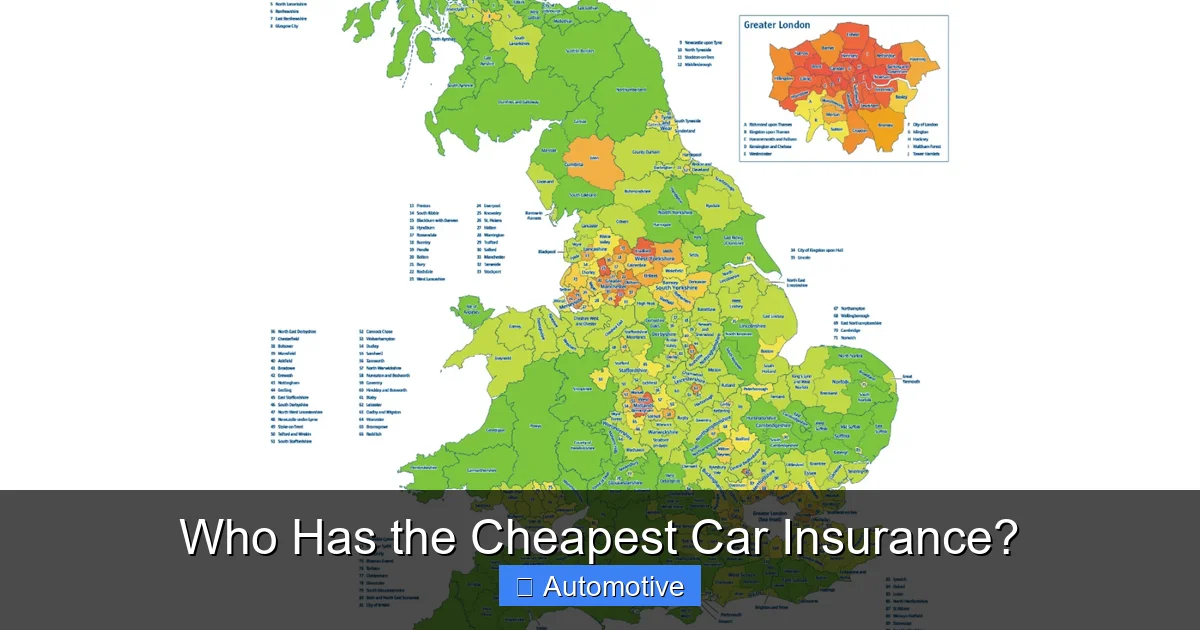
Where you live has a massive impact on your rates. Urban areas with high traffic, crime, and accident rates (like Los Angeles, New York, or Chicago) tend to have much higher premiums than rural areas.
For instance, the average annual premium in Michigan is over $3,000—the highest in the nation—due to no-fault laws and high medical costs. In contrast, drivers in Maine pay around $1,000 per year on average.
Vehicle Type
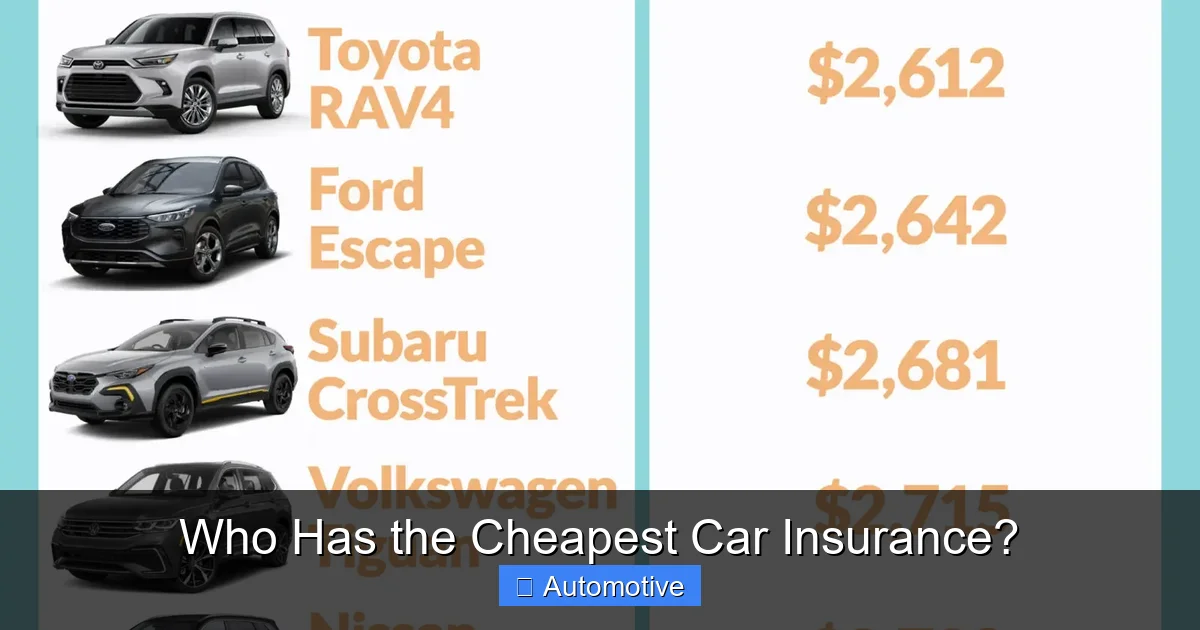
The car you drive affects your insurance cost. Sports cars, luxury vehicles, and models with high theft rates cost more to insure. Safer, more common vehicles with good safety ratings are cheaper.
A Toyota Camry or Honda Civic will typically cost less to insure than a BMW 3 Series or a Ford Mustang.
Credit Score
In most states (except California, Hawaii, and Massachusetts), insurers can use your credit-based insurance score to set rates. People with good credit (700+) often pay less than those with poor credit.
A driver with excellent credit might pay $90/month, while someone with poor credit could pay $150/month for the same coverage.
Coverage Level and Deductible
The more coverage you buy, the higher your premium. Full coverage (liability, collision, and comprehensive) costs more than state-minimum liability only.
Also, choosing a higher deductible (the amount you pay out of pocket before insurance kicks in) lowers your monthly payment. For example, raising your deductible from $500 to $1,000 could save you 15–30% on your premium.
How to Find the Cheapest Car Insurance for You
Visual guide about Who Has the Cheapest Car Insurance?
Image source: mychoice.ca
Now that you understand the factors that affect your rates, here’s how to find the best deal.
Shop Around and Compare Quotes
This is the #1 rule. Never assume your current insurer is giving you the best rate. Get quotes from at least 3–5 companies. Use online comparison tools like NerdWallet, The Zebra, or Insurify to speed up the process.
Pro tip: Get quotes at the same time of day and use identical coverage limits and deductibles for accurate comparisons.
Take Advantage of Discounts
Most insurers offer a variety of discounts. Make sure you’re getting every one you qualify for. Common discounts include:
– Safe driver discount
– Multi-policy (bundling auto with home or renters)
– Good student (for full-time students with B averages)
– Low mileage
– Anti-theft device
– Defensive driving course
– Pay-in-full discount
For example, bundling auto and home insurance can save you 10–25%. Completing a defensive driving course might knock 10% off your premium.
Consider Usage-Based Insurance
If you don’t drive much or you’re a safe driver, telematics programs can save you money. These programs track your driving via a mobile app or plug-in device and reward good behavior.
Progressive’s Snapshot, Allstate’s Drivewise, and State Farm’s Drive Safe & Save are popular options. Some drivers save up to $300 per year.
Raise Your Deductible (If You Can Afford It)
Increasing your deductible from $500 to $1,000 can reduce your premium by 15–30%. Just make sure you have enough savings to cover the higher out-of-pocket cost if you need to file a claim.
Maintain a Good Credit Score
Improving your credit can lead to lower insurance rates over time. Pay bills on time, keep credit card balances low, and check your credit report for errors.
Review Your Policy Annually
Life changes—so should your insurance. Got married? Moved? Paid off your car? These changes can affect your rates. Review your policy every year and shop around again.
Cheap vs. Good: Why the Lowest Price Isn’t Always the Best
It’s tempting to go with the cheapest option, but remember: you get what you pay for. A super-low premium might mean limited coverage, high deductibles, or poor customer service.
For example, a policy that costs $60/month might only include state-minimum liability coverage. If you’re in a serious accident, that might not be enough to cover medical bills or vehicle damage.
On the other hand, a slightly higher premium from a reputable company could include better customer support, faster claims processing, and more comprehensive protection.
What to Look for Beyond Price
When comparing insurers, consider:
– Financial strength (check ratings from AM Best or Standard & Poor’s)
– Customer satisfaction (J.D. Power and Consumer Reports publish annual rankings)
– Claims process (how fast and easy is it to file and settle a claim?)
– Coverage options (do they offer extras like roadside assistance or rental reimbursement?)
For instance, Geico and State Farm both have strong financial ratings and high customer satisfaction scores, making them reliable choices—even if they’re not always the absolute cheapest.
Special Cases: Who Has the Cheapest Insurance for High-Risk Drivers?
Not everyone fits the “ideal driver” profile. If you’re a young driver, have a history of accidents, or drive a high-risk vehicle, you might be paying more than average. But there are still ways to save.
Young Drivers (Under 25)
Teens and young adults face the highest insurance rates. To save:
– Stay on your parents’ policy if possible
– Maintain good grades (many insurers offer good student discounts)
– Take a defensive driving course
– Choose a safe, affordable car
Companies like Progressive, Geico, and State Farm often offer the best rates for young drivers.
Drivers with Accidents or Violations
A single accident or ticket can spike your rates. But over time, the impact fades. After 3–5 years with a clean record, your rates should improve.
In the meantime, consider insurers that specialize in high-risk drivers, such as:
– The General
– Dairyland
– SafeAuto
These companies are more lenient with past violations and may offer more affordable options.
High-Risk Vehicles
If you drive a sports car, luxury vehicle, or model with a high theft rate, your insurance will cost more. To offset costs:
– Install anti-theft devices
– Park in a garage
– Choose a higher deductible
– Consider dropping collision coverage on older vehicles
Final Tips to Save on Car Insurance
Here are a few final strategies to keep your premiums low:
– Pay your premium in full to avoid monthly fees
– Set up automatic payments for a small discount
– Avoid unnecessary coverage (e.g., collision on a 15-year-old car)
– Keep your mileage low
– Drive safely—every year without an accident helps
And remember: the cheapest car insurance isn’t always the best. Focus on value—coverage that protects you without breaking the bank.
Conclusion
So, who has the cheapest car insurance? The answer isn’t a single company—it’s the one that offers the best rate for your unique situation. Geico, State Farm, and Progressive are often the most affordable for average drivers, while USAA is unbeatable for military families.
But the real key to saving is shopping around, taking advantage of discounts, and understanding the factors that affect your rates. Don’t settle for the first quote you get. Compare, ask questions, and review your policy regularly.
With a little effort, you can find affordable car insurance that gives you peace of mind—without draining your wallet.
Frequently Asked Questions
Who has the cheapest car insurance for young drivers?
Geico, State Farm, and Progressive often offer the most affordable rates for drivers under 25. Discounts for good grades and safe driving can help reduce costs.
Does your credit score affect car insurance rates?
Yes, in most states, insurers use credit-based insurance scores to set premiums. Drivers with good credit typically pay less than those with poor credit.
Can I lower my car insurance by driving less?
Yes. Many insurers offer low-mileage discounts or usage-based programs that reward drivers who log fewer miles or drive safely.
Is it worth switching car insurance companies?
It can be, especially if you haven’t shopped around in a few years. Comparing quotes annually can help you find better rates and coverage.
What’s the cheapest car insurance for high-risk drivers?
Companies like The General, Dairyland, and SafeAuto specialize in high-risk coverage and may offer more affordable options for drivers with accidents or violations.
How much can I save by bundling insurance policies?
Bundling auto with home or renters insurance can save you 10–25%, depending on the insurer and your location. It’s one of the easiest ways to lower your premium.