
How to Clean White Leather Bmw Car Seats

Keeping your white leather BMW seats looking pristine requires the right tools, techniques, and regular care. This guide walks you through safe cleaning methods, stain removal, conditioning, and maintenance to preserve that luxury look without damaging delicate leather.
Owning a BMW is more than just driving a car—it’s experiencing luxury, performance, and attention to detail. And when that luxury includes white leather seats, you’re not just sitting on upholstery; you’re sitting on a statement. White leather exudes elegance, modernity, and sophistication. But let’s be honest: it also shows every smudge, spill, and speck of dust like a spotlight on a stage.
That’s why knowing how to clean white leather BMW car seats isn’t just helpful—it’s essential. Unlike darker leathers that can hide minor imperfections, white leather demands consistent care to maintain its showroom shine. Whether you’ve got a brand-new BMW X5 with pristine ivory seats or a well-loved 3 Series with a few coffee stains, the right cleaning routine can make all the difference. The good news? With the right approach, you can keep your seats looking fresh, clean, and luxurious for years to come.
In this guide, we’ll walk you through everything you need to know—from understanding your leather type to choosing the best cleaning products, tackling tough stains, and establishing a maintenance schedule that fits your lifestyle. No fluff, no jargon—just practical, proven steps that real BMW owners use to protect their investment. So grab your microfiber cloth, and let’s get started on restoring that flawless white finish.
Key Takeaways
- Use pH-balanced leather cleaners: Harsh chemicals can dry out or discolor white leather, so always choose products specifically designed for automotive leather.
- Test cleaners in hidden areas first: Before applying any product, test it on a small, inconspicuous spot to avoid unexpected reactions or fading.
- Clean spills immediately: White leather shows stains quickly—acting fast prevents permanent marks from setting in.
- Condition regularly: Leather needs moisture to stay supple; conditioning every 3–6 months prevents cracking and maintains softness.
- Avoid direct sunlight and heat: Prolonged exposure fades and damages leather—park in shade or use sunshades when possible.
- Use microfiber cloths only: Abrasive materials scratch delicate surfaces; soft, lint-free cloths are essential for safe cleaning.
- Professional help for deep stains: If DIY methods fail, consult a leather restoration specialist to avoid further damage.
📑 Table of Contents
Understanding Your BMW’s White Leather Seats
Before you start scrubbing or spraying, it’s important to understand what you’re working with. Not all white leather is created equal, and BMW uses different types of leather across its models and trim levels. Knowing your seat material helps you choose the right cleaning method and avoid accidental damage.
Types of Leather Used in BMW Vehicles
BMW typically uses high-quality, semi-aniline or protected leather in its interiors. Semi-aniline leather is treated with a light protective coating that helps resist stains and fading while still allowing the natural grain and texture to show through. This makes it durable yet elegant—perfect for luxury vehicles. Protected leather, on the other hand, has a slightly thicker topcoat, offering even more resistance to spills and wear.
White leather, especially in models like the BMW 7 Series, X7, or M Performance editions, is often part of premium packages like “Dakota Leather” or “Merino Leather.” These are top-tier materials designed to age gracefully—but only if cared for properly. Unlike cheap imitation leather or vinyl, real leather breathes, ages, and reacts to its environment. That means it needs gentle, consistent care.
Why White Leather Is More Challenging
White leather is beautiful, but it comes with unique challenges. First, it’s highly visible. A single drop of soda, a muddy shoe print, or even sunscreen residue can leave a noticeable mark. Second, white leather is more prone to yellowing over time, especially if exposed to UV rays or improper cleaning products. Third, some cleaning agents contain bleach or ammonia, which can strip the dye and cause discoloration.
Additionally, white leather can develop a grayish or dull appearance if not conditioned regularly. Leather is a natural material that loses moisture over time, leading to dryness and cracking. Without proper hydration, even the cleanest white seat can look tired and aged.
Identifying Your Seat’s Finish
To determine how to clean your white leather BMW seats, check the finish. Run your hand over the surface—does it feel smooth and slightly glossy, or does it have a more natural, matte texture? Glossier finishes usually indicate a protected or coated leather, which can handle mild cleaners and conditioners. Matte or softer finishes may be semi-aniline and require extra caution.
You can also consult your owner’s manual or contact a BMW dealership with your VIN to confirm the exact leather type. This small step can save you from using the wrong product and potentially ruining your seats.
Essential Tools and Products for Cleaning
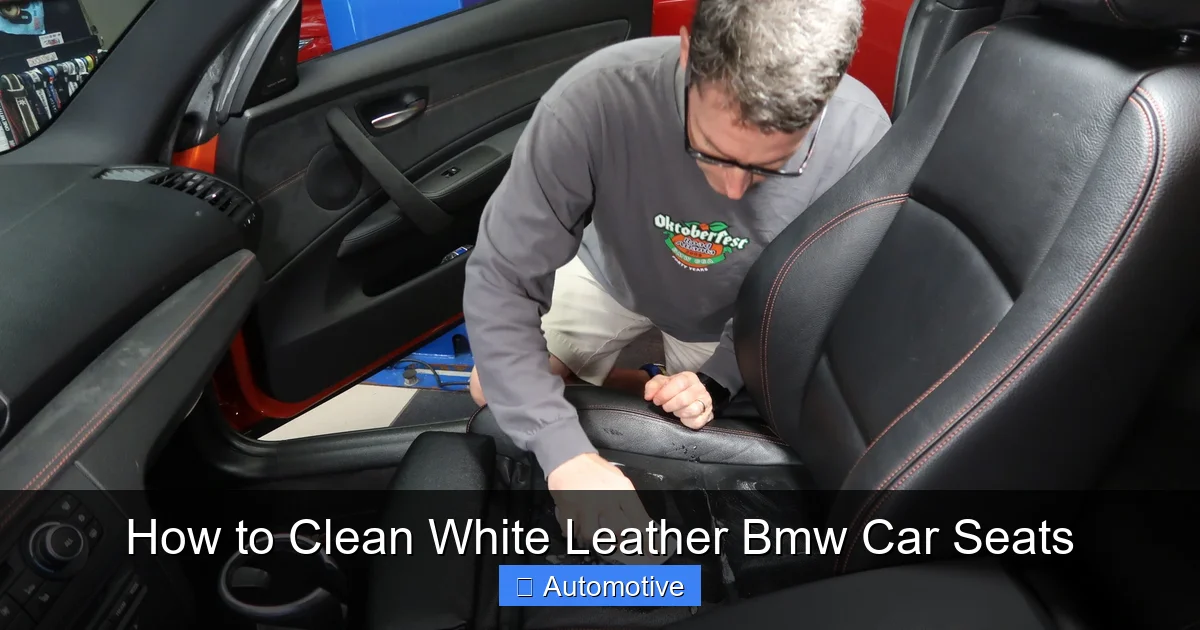
Visual guide about How to Clean White Leather Bmw Car Seats
Image source: cdn.bmwblog.com
Having the right tools makes all the difference when cleaning white leather. You don’t need a professional detailing kit, but you do need quality products that are safe and effective. Here’s a breakdown of what you’ll need for a thorough, safe cleaning session.
Recommended Cleaning Products
Start with a pH-balanced leather cleaner designed specifically for automotive use. Avoid household cleaners like Windex, dish soap, or all-purpose sprays—they’re too harsh and can strip the leather’s natural oils. Instead, look for brands like Lexol, Chemical Guys, or BMW’s own leather care line.
For example, Lexol Leather Cleaner is a popular choice among BMW owners because it’s gentle, effective, and safe for colored and white leather. It removes dirt and grime without leaving residue. Chemical Guys’ Leather Cleaner & Conditioner is another great option—it cleans and conditions in one step, saving time.
If you’re dealing with stubborn stains, consider a dedicated leather stain remover. Products like Weiman Leather Cleaner & Conditioner or Meguiar’s Gold Class Rich Leather Cleaner are excellent for tackling coffee, ink, or food spills.
Must-Have Cleaning Tools
Your tools matter just as much as your products. Here’s what to gather:
– **Microfiber cloths:** Use soft, lint-free microfiber towels for wiping and buffing. Avoid paper towels or rough cloths—they can scratch the surface.
– **Soft-bristle brush:** A horsehair or nylon brush helps lift dirt from seams and textured areas without damaging the leather.
– **Spray bottle:** Dilute your cleaner if needed and apply it evenly.
– **Vacuum with soft brush attachment:** Use this to remove loose dust and debris before cleaning.
– **Leather conditioner:** After cleaning, always follow up with a conditioner to restore moisture and prevent cracking.
DIY vs. Professional-Grade Solutions
While DIY cleaners like diluted vinegar or baking soda might seem tempting, they’re not recommended for white leather. Vinegar is acidic and can dry out the leather, while baking soda is abrasive and may scratch the surface. Stick to products formulated for automotive leather.
That said, some BMW owners swear by mild soap solutions—like a few drops of Castile soap in water—for light cleaning. If you go this route, always rinse thoroughly and condition afterward. But for best results, invest in a trusted leather cleaner.
Step-by-Step Cleaning Process
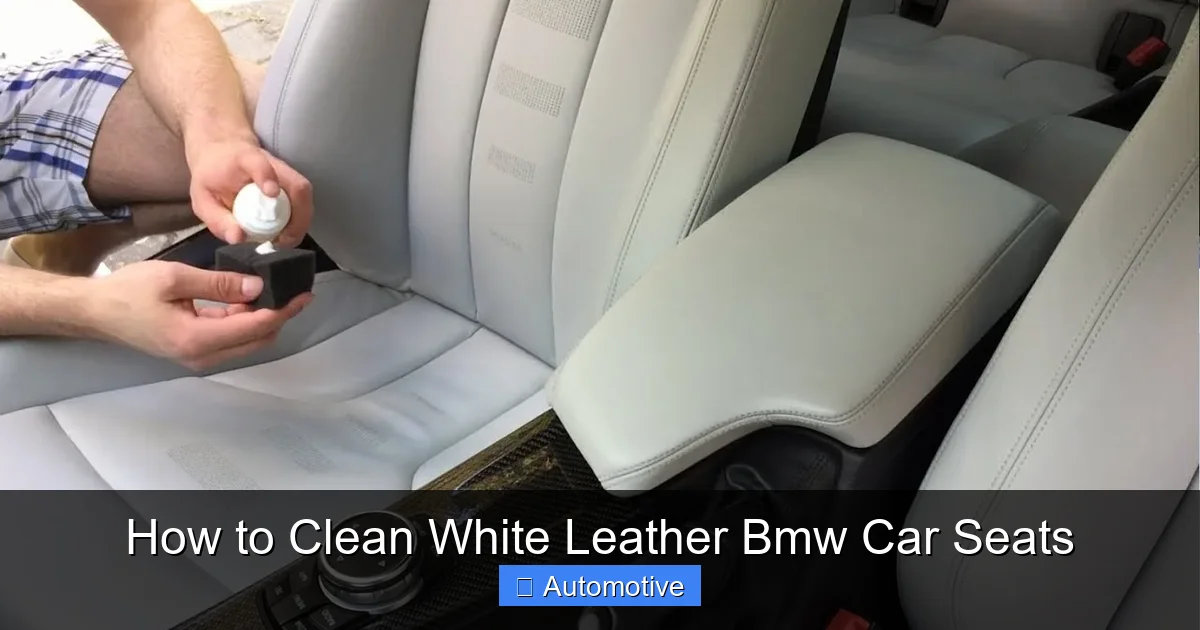
Visual guide about How to Clean White Leather Bmw Car Seats
Image source: i.ytimg.com
Now that you have your tools and products ready, it’s time to clean. Follow this step-by-step guide to safely and effectively clean your white leather BMW seats without causing damage.
Step 1: Prepare the Area
Start by removing any loose items from the car—bags, jackets, or floor mats. Open the doors to allow ventilation. If possible, park in a shaded area to prevent the cleaner from drying too quickly in the sun.
Use a vacuum with a soft brush attachment to gently remove dust, crumbs, and debris from the seats, especially around the seams and crevices. This prevents grinding dirt into the leather during cleaning.
Step 2: Test the Cleaner
Before applying any product, test it on a small, hidden area—like the back of the seat or under the headrest. Wait 5–10 minutes to ensure there’s no discoloration, fading, or adverse reaction. This simple step can save you from a costly mistake.
Step 3: Apply the Cleaner
Spray a small amount of leather cleaner onto a microfiber cloth—not directly onto the seat. This gives you better control and prevents over-saturation. Gently wipe the surface in circular motions, focusing on stained or dirty areas.
For textured leather or hard-to-reach spots, use a soft-bristle brush to work the cleaner into the grain. Be gentle—scrubbing too hard can damage the finish.
Step 4: Wipe and Dry
Use a clean, dry microfiber cloth to wipe away the cleaner and lifted dirt. Make sure no residue is left behind. If the seat feels sticky or damp, buff it with a dry cloth until it’s smooth and dry.
Allow the seats to air dry completely before moving to the next step. Avoid using heat sources like hair dryers, as rapid drying can cause cracking.
Step 5: Condition the Leather
Once the seats are dry, apply a high-quality leather conditioner. This step is crucial—it replenishes lost moisture and keeps the leather soft and supple. Use a clean microfiber cloth to apply the conditioner in thin, even layers.
Let it sit for 10–15 minutes, then buff off any excess with a dry cloth. Conditioning every 3–6 months (or more often in dry climates) will prevent cracking and maintain the leather’s natural luster.
Step 6: Final Inspection
After conditioning, inspect the seats under good lighting. Look for missed spots, streaks, or residue. Touch the surface—it should feel smooth and slightly soft, not sticky or greasy.
If you notice any lingering stains, repeat the cleaning process or consider a targeted stain treatment (see next section).
Dealing with Common Stains and Spills
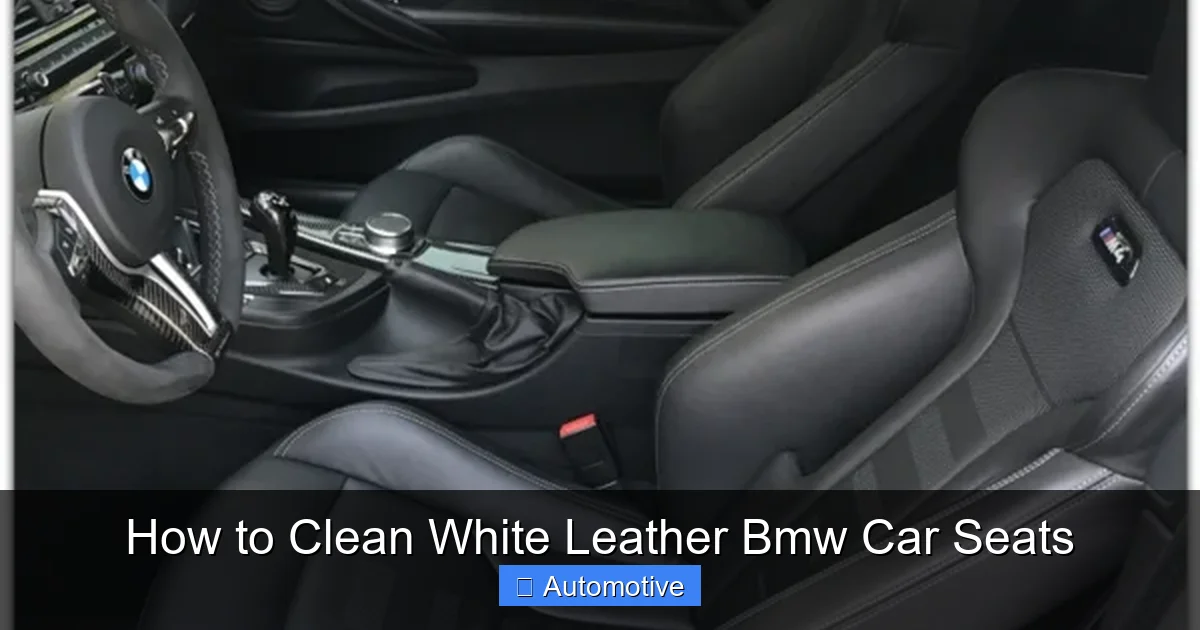
Visual guide about How to Clean White Leather Bmw Car Seats
Image source: best-auto-detailing-tips.com
Even with careful driving, accidents happen. Whether it’s coffee, ink, or mud, knowing how to treat common stains quickly can prevent permanent damage to your white leather seats.
Coffee and Beverage Stains
Spilled coffee is one of the most common culprits. Act fast—blot (don’t rub) the spill with a clean, dry cloth to absorb as much liquid as possible. Then, mix a small amount of leather cleaner with water and gently dab the area.
For set-in stains, use a specialized leather stain remover. Apply it to a cloth and gently work it into the stain. Avoid soaking the leather—excess moisture can cause warping or mold.
Ink and Marker Marks
Ink stains can be tricky, but they’re not impossible to remove. Start with a cotton swab dipped in isopropyl alcohol (70% or less). Test on a hidden area first, then gently dab the ink spot. Alcohol can dissolve ink without damaging leather if used sparingly.
Never use acetone or nail polish remover—they’re too harsh and will strip the color.
Grease and Oil Stains
Grease from food or hands can leave shiny, dark spots on white leather. Sprinkle a small amount of cornstarch or talcum powder on the stain and let it sit for several hours (or overnight) to absorb the oil. Then, brush it off and clean with a leather cleaner.
For stubborn grease, use a degreaser formulated for leather, like Lexol Leather Cleaner with degreasing agents.
Mud and Dirt
Let mud dry completely, then gently brush it off with a soft brush. Once the bulk is removed, clean the area with a damp microfiber cloth and leather cleaner. Avoid scrubbing wet mud—it can grind dirt into the leather.
Makeup and Sunscreen
These oily residues can leave yellowish stains. Use a mild leather cleaner and a soft cloth to gently remove the residue. For stubborn makeup, a small amount of rubbing alcohol on a cotton swab can help—again, test first.
Prevention Tips
The best way to deal with stains is to prevent them. Keep a small cleaning kit in your car with a microfiber cloth and travel-sized leather cleaner. Wipe spills immediately, and consider using seat covers or protective sprays for high-risk situations (like road trips with kids).
Maintaining White Leather Between Cleanings
Cleaning is only part of the equation. Regular maintenance keeps your white leather looking fresh and extends its lifespan. Here’s how to care for your seats between deep cleanings.
Weekly Wipe-Downs
Once a week, give your seats a quick wipe with a dry or slightly damp microfiber cloth. This removes dust, fingerprints, and light grime before they build up. Avoid using water alone—it can leave water spots or encourage mold.
Use a Leather Protectant
After cleaning and conditioning, apply a leather protectant spray. These products create an invisible barrier that repels spills and UV rays. Look for formulas with UV inhibitors, especially if you live in a sunny climate.
BMW offers its own leather protectant, but third-party options like 303 Aerospace Protectant or Chemical Guys Leather Guard work well too.
Avoid Direct Sunlight
UV rays are leather’s worst enemy. Prolonged exposure causes fading, drying, and cracking. Whenever possible, park in the shade or use a windshield sunshade. Consider tinting your windows to reduce UV penetration.
Rotate Seat Usage
If you have passengers frequently sitting in the same spot, rotate seating when possible to distribute wear evenly. This prevents one area from becoming overly worn or stained.
Keep the Interior Cool
High heat accelerates leather deterioration. On hot days, crack the windows slightly or use a sunshade to keep the cabin cooler. Never leave cleaning products or conditioners in a hot car—they can degrade or leak.
When to Call a Professional
Sometimes, DIY methods aren’t enough. If your white leather seats have deep stains, discoloration, or cracking, it may be time to call in a professional.
Signs You Need Expert Help
– Persistent yellowing or graying
– Deep cracks or peeling
– Stubborn stains that won’t lift
– Foul odors trapped in the leather
– Uneven texture or bubbling
Professional detailers have specialized tools and techniques, like steam cleaning, leather re-dyeing, or reconditioning, that can restore severely damaged seats.
Choosing a Reputable Service
Look for detailers with experience in luxury vehicles and leather restoration. Ask for before-and-after photos, read reviews, and inquire about the products they use. Avoid shops that use harsh chemicals or abrasive methods.
Many BMW dealerships also offer interior detailing services, which can be a safe bet for maintaining your warranty and resale value.
Cost Considerations
Professional cleaning typically costs between $100 and $300, depending on the extent of the work. Re-dyeing or major restoration can run higher. While it’s an investment, it’s often cheaper than replacing seats.
Conclusion
Keeping your white leather BMW seats clean and beautiful doesn’t have to be a chore—it’s a rewarding part of owning a luxury vehicle. With the right products, techniques, and consistent care, you can preserve that showroom shine for years.
Remember: gentle cleaning, regular conditioning, and quick spill response are the keys to success. Avoid harsh chemicals, test products first, and don’t skip the conditioner. And when in doubt, consult a professional.
Your BMW is more than a car—it’s a reflection of your style and standards. Treat your white leather seats with the care they deserve, and they’ll continue to turn heads every time you drive.
Frequently Asked Questions
Can I use baby wipes to clean white leather BMW seats?
It’s not recommended. Many baby wipes contain alcohol, fragrances, or moisturizers that can dry out or discolor white leather over time. Stick to cleaners specifically designed for automotive leather.
How often should I clean my white leather seats?
Deep clean every 4–6 weeks, depending on usage. Weekly wipe-downs with a dry microfiber cloth help maintain cleanliness between deep cleans.
Will leather conditioner make my white seats yellow?
High-quality conditioners won’t yellow white leather if used properly. Avoid products with heavy oils or dyes. Always apply in thin layers and buff off excess.
Can I use a steam cleaner on white leather?
Steam cleaning can be safe if done correctly, but excessive heat and moisture can damage leather. Use a low-setting steam cleaner and follow up with conditioning. When in doubt, consult a professional.
What’s the best way to remove water spots from white leather?
Lightly dampen a microfiber cloth with distilled water and gently wipe the spot. Follow with a leather cleaner and conditioner to restore moisture and shine.
Is it safe to use vinegar and water on white leather?
Vinegar is too acidic for regular use on leather and can dry it out. Occasional, highly diluted use (1 part vinegar to 4 parts water) may be safe for tough stains, but always test first and condition afterward.