
Can a Head Gasket Cause a Car to Overheat?

A blown head gasket is a leading cause of engine overheating and can result in costly repairs if ignored. It disrupts the cooling system, allows combustion gases into coolant passages, and may mix oil with coolant—leading to poor heat transfer and engine damage.
Key Takeaways
- Yes, a head gasket can cause overheating: When it fails, combustion gases or coolant leaks disrupt the engine’s cooling system, leading to rapid temperature spikes.
- Common symptoms include white exhaust smoke, coolant loss, and milky oil: These signs often point to a compromised head gasket.
- Overheating can actually cause a head gasket to fail: It’s a two-way street—excessive heat warps engine components, increasing the risk of gasket failure.
- Ignoring the problem leads to severe engine damage: Continued driving with a blown gasket can warp the cylinder head or crack the engine block.
- Early diagnosis saves money: Catching the issue early may allow for repair instead of a full engine replacement.
- Regular maintenance helps prevent failure: Keeping coolant levels topped off and servicing the cooling system reduces risk.
- Professional inspection is crucial: Many symptoms mimic other issues, so a mechanic’s diagnosis is essential.
📑 Table of Contents
- Can a Head Gasket Cause a Car to Overheat?
- What Is a Head Gasket and Why Is It Important?
- How a Blown Head Gasket Causes Overheating
- Common Symptoms of a Blown Head Gasket
- Can Overheating Cause a Head Gasket to Fail?
- Diagnosing a Blown Head Gasket
- Repairing a Blown Head Gasket
- Preventing Head Gasket Failure
- Conclusion
Can a Head Gasket Cause a Car to Overheat?
If your car’s temperature gauge suddenly spikes into the red zone, your first instinct might be to check the coolant level or look for a leak. But what if the real culprit is something deeper—like a blown head gasket? The short answer is yes: a failing or failed head gasket can absolutely cause your car to overheat. In fact, it’s one of the most serious and common causes of engine overheating, especially in high-mileage vehicles or those subjected to extreme driving conditions.
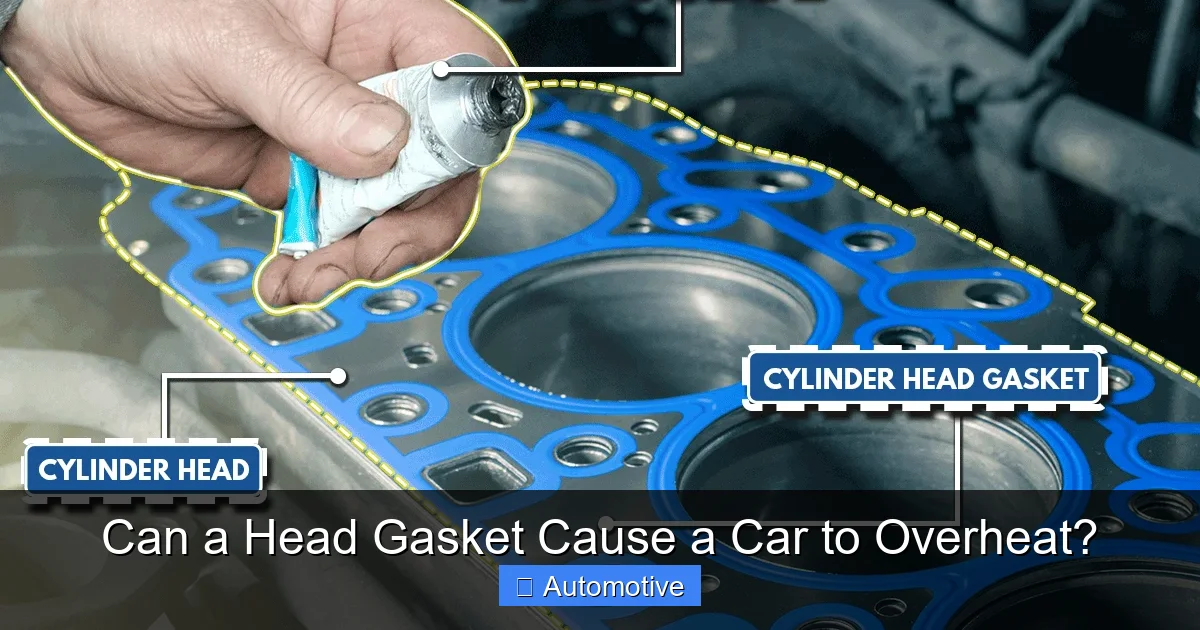
The head gasket is a small but mighty component that sits between the engine block and the cylinder head. Its job is to seal the combustion chambers, keep coolant and oil passages separate, and maintain proper compression in the cylinders. When this gasket fails—whether due to age, overheating, or manufacturing defects—it can create leaks that disrupt the engine’s delicate balance. One of the most dangerous consequences is overheating, which can spiral into catastrophic engine failure if not addressed quickly.
Understanding how a head gasket contributes to overheating—and recognizing the warning signs early—can save you thousands in repair costs and prevent being stranded on the side of the road. In this guide, we’ll explore the role of the head gasket, how it can cause overheating, the symptoms to watch for, and what you can do to fix or prevent the problem.
What Is a Head Gasket and Why Is It Important?
Visual guide about Can a Head Gasket Cause a Car to Overheat?
Image source: vehq.com
Before diving into how a head gasket can cause overheating, it’s important to understand what this component actually does. Think of the head gasket as the engine’s peacekeeper. It sits snugly between the engine block (which houses the pistons and cylinders) and the cylinder head (which contains the valves and spark plugs). This thin, multi-layered seal is made from materials like steel, graphite, or composite compounds designed to withstand extreme heat and pressure.
Functions of the Head Gasket
The head gasket has several critical jobs:
– Sealing combustion chambers: It ensures that the explosive force of combustion stays contained within the cylinders, maintaining proper compression and engine power.
– Separating coolant and oil passages: Coolant flows through channels in the engine block and cylinder head to regulate temperature, while oil lubricates moving parts. The gasket keeps these fluids from mixing.
– Maintaining cylinder pressure: A strong seal ensures that each cylinder fires efficiently, contributing to smooth engine operation and fuel economy.
When the head gasket is intact, your engine runs smoothly, efficiently, and at the right temperature. But when it fails, even slightly, it can trigger a chain reaction of problems—starting with overheating.
How the Head Gasket Affects Engine Temperature
The cooling system relies on a closed loop of coolant circulating through the engine to absorb heat and transfer it to the radiator. The head gasket plays a vital role in this process by sealing the coolant passages between the block and head. If the gasket develops a leak—especially near a coolant passage—coolant can escape into the combustion chamber, oil passages, or even externally.
This loss of coolant reduces the system’s ability to absorb and dissipate heat. As a result, the engine begins to run hotter than normal. In severe cases, coolant may be burned off in the combustion chamber, producing white smoke from the exhaust and further depleting the cooling system. The combination of reduced coolant and increased heat creates a dangerous feedback loop that can quickly lead to overheating.
How a Blown Head Gasket Causes Overheating
Visual guide about Can a Head Gasket Cause a Car to Overheat?
Image source: villamarinaautocare.com
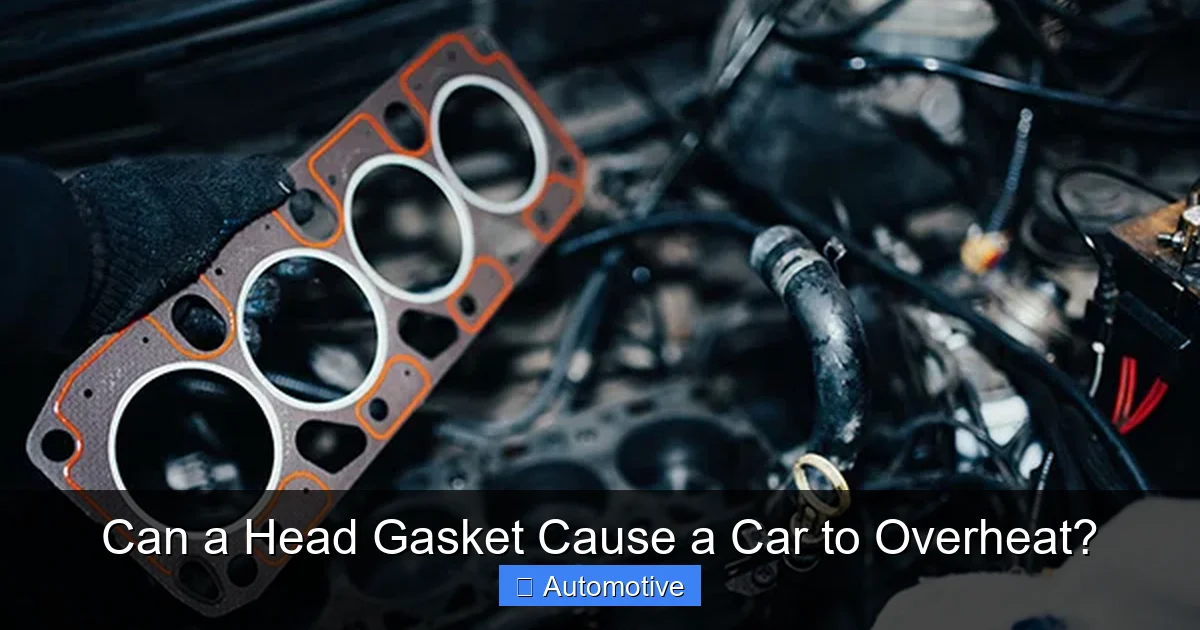
Now that we know what the head gasket does, let’s look at the specific ways a failure can lead to overheating. It’s not just one mechanism—there are several paths through which a compromised gasket can cause your engine to overheat.
Coolant Leakage into Combustion Chambers
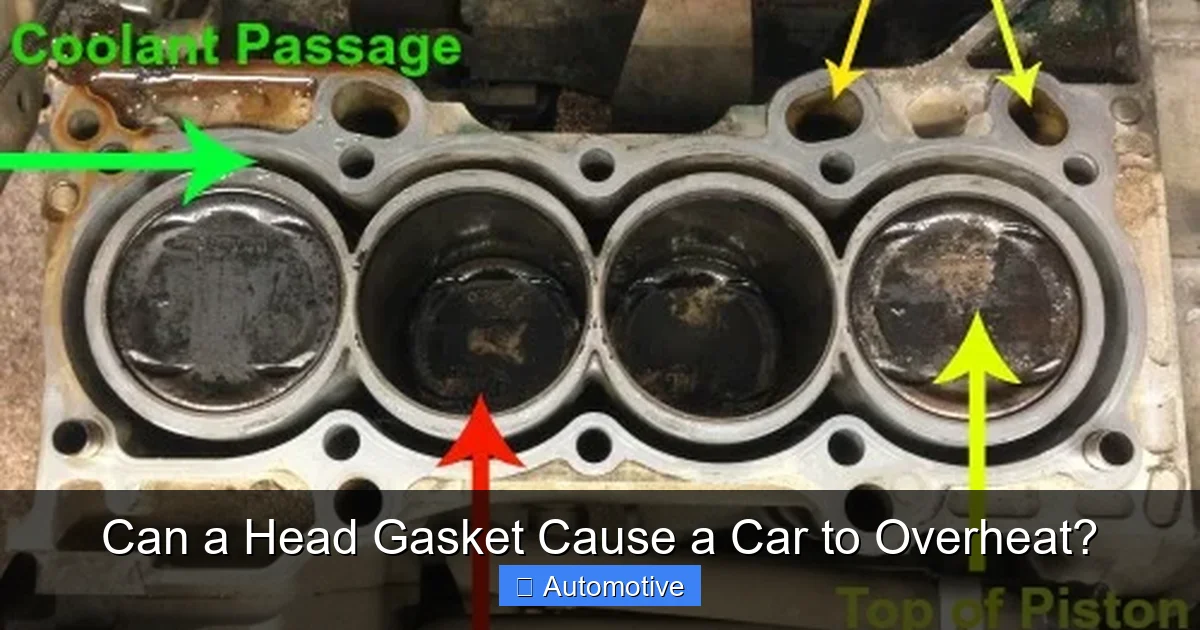
One of the most direct ways a head gasket causes overheating is by allowing coolant to leak into the combustion chamber. This typically happens when the gasket fails near a coolant passage that borders a cylinder. As the engine runs, coolant seeps into the combustion space and gets burned along with the fuel-air mixture.
When coolant enters the combustion chamber, it vaporizes and exits through the exhaust as thick white smoke—often described as “steam” or “like a diesel engine.” But more importantly, this process removes coolant from the system. Over time, the coolant level drops, reducing the volume available to absorb heat. With less coolant circulating, the engine heats up faster and more intensely, eventually triggering the temperature warning light.
Combustion Gases Entering the Cooling System
In the opposite scenario, high-pressure combustion gases can force their way through a blown gasket and into the cooling system. This is known as a “head gasket leak into the coolant.” The gases create bubbles or foam in the coolant, which disrupts the flow and reduces its ability to transfer heat.
Imagine trying to cool a room with a fan that keeps stalling—because the airflow is inconsistent. That’s what happens when combustion gases mix with coolant. The radiator and water pump can’t do their job effectively, and the engine temperature rises. You might also notice the coolant reservoir bubbling or overflowing, even when the engine isn’t running.
Oil and Coolant Mixing
Another serious consequence of a blown head gasket is the mixing of engine oil and coolant. When the gasket fails between an oil passage and a coolant passage, the two fluids can cross-contaminate. This creates a milky, frothy substance often seen on the dipstick or in the coolant reservoir.
This mixture is terrible for engine lubrication and cooling. Oil loses its viscosity and ability to protect engine parts, while coolant becomes less effective at absorbing heat. The result? Increased friction, reduced heat transfer, and—you guessed it—overheating.
Loss of Compression and Engine Efficiency
While not a direct cause of overheating, a loss of compression due to a blown head gasket can contribute to higher engine temperatures. When combustion gases escape past the piston rings or into adjacent cylinders, the engine has to work harder to maintain power. This increased workload generates more heat, which the cooling system may struggle to manage—especially if coolant is already compromised.
Additionally, a misfiring engine (often caused by low compression) can cause unburned fuel to enter the exhaust system, where it ignites and creates excessive heat in the catalytic converter. This secondary heat source can further strain the cooling system and lead to overheating.
Common Symptoms of a Blown Head Gasket
Visual guide about Can a Head Gasket Cause a Car to Overheat?
Image source: simple-car-answers.com
Because a blown head gasket can cause overheating, it’s crucial to recognize the warning signs early. Many of these symptoms overlap with other engine problems, so a proper diagnosis is essential. But if you notice one or more of the following, a head gasket issue could be to blame.
White Smoke from the Exhaust
Thick, white smoke pouring from the tailpipe—especially when the engine is cold—is a classic sign of coolant burning in the combustion chamber. This smoke often has a sweet smell (from ethylene glycol in coolant) and doesn’t dissipate quickly. Unlike normal water vapor, which clears up after a few minutes, this smoke persists and may increase under acceleration.
Coolant Loss Without Visible Leaks
If you’re constantly topping off your coolant but can’t find any external leaks, the coolant may be disappearing internally. A blown head gasket can allow coolant to leak into the combustion chamber or mix with engine oil, where it’s burned or degraded. Check your oil dipstick: if it looks milky or frothy, that’s a strong indicator of coolant contamination.
Overheating Engine
Of course, the most obvious symptom is an overheating engine. If your temperature gauge climbs into the red zone or the warning light comes on, pull over safely and turn off the engine. Continuing to drive can cause severe damage. While overheating can stem from a faulty thermostat, water pump, or radiator, a blown head gasket should be high on the list of suspects—especially if other symptoms are present.
Bubbling in the Coolant Reservoir
Open the coolant reservoir (when the engine is cool) and look for bubbles or a “gurgling” sound. This indicates combustion gases are entering the cooling system through a blown gasket. You might also notice the coolant level rising and falling abnormally as pressure builds and releases.
Milky or Foamy Engine Oil
Remove the oil dipstick and inspect the oil. If it looks like a chocolate milkshake—milky, frothy, or cloudy—coolant has likely mixed with the oil. This is a serious issue that can lead to engine bearing failure and overheating due to poor lubrication and cooling.
Misfiring or Rough Idling
A blown head gasket can cause compression loss in one or more cylinders, leading to engine misfires, rough idling, or reduced power. You might feel the engine shaking or hear a knocking sound. These performance issues often accompany overheating and should be investigated immediately.
Can Overheating Cause a Head Gasket to Fail?
Here’s an important twist: while a blown head gasket can cause overheating, the reverse is also true. Overheating can cause a head gasket to fail. It’s a bit of a chicken-and-egg scenario, but understanding this relationship is key to prevention.
How Overheating Damages the Head Gasket
The head gasket is designed to withstand high temperatures, but only within a certain range. When an engine overheats—due to a low coolant level, faulty thermostat, or clogged radiator—the cylinder head and engine block can expand at different rates. This thermal stress can warp or crack the cylinder head, creating gaps that the gasket can no longer seal.
Additionally, extreme heat can degrade the gasket material over time, making it brittle and more prone to failure. Once the seal is compromised, combustion gases, coolant, and oil can mix, leading to further overheating and a vicious cycle of damage.
Common Causes of Engine Overheating
To prevent head gasket failure, it’s important to address the root causes of overheating, such as:
– Low coolant level: Always check and top off coolant regularly.
– Faulty thermostat: A stuck-closed thermostat prevents coolant flow.
– Water pump failure: The pump circulates coolant; if it fails, overheating is inevitable.
– Clogged radiator: Debris or sediment can block coolant flow.
– Cooling fan issues: Electric or mechanical fans must engage when needed.
By maintaining your cooling system and addressing overheating promptly, you reduce the risk of head gasket damage.
Diagnosing a Blown Head Gasket
Because many symptoms of a blown head gasket mimic other issues, a proper diagnosis is essential. Don’t assume it’s the head gasket just because your car is overheating. A mechanic will use several tests to confirm the problem.
Compression Test
A compression test measures the pressure in each cylinder. Low compression in one or more cylinders can indicate a blown head gasket, especially if adjacent cylinders are affected (suggesting a leak between them).
Cylinder Leak-Down Test
This test pressurizes each cylinder and checks for leaks. If air escapes into the coolant system (bubbling in the reservoir) or oil passages, it confirms a head gasket failure.
Chemical Block Tester
A block tester uses a chemical that changes color in the presence of combustion gases in the coolant. If the fluid turns yellow or green, it indicates exhaust gases are leaking into the cooling system—a clear sign of a blown head gasket.
Visual Inspection
In some cases, a mechanic may remove the cylinder head to inspect the gasket directly. This is the most definitive method but also the most invasive and costly.
Repairing a Blown Head Gasket
If a head gasket is confirmed, repair is necessary—but the cost and complexity depend on the extent of the damage.
Head Gasket Replacement
The standard repair involves removing the cylinder head, replacing the gasket, and reassembling the engine. This is a labor-intensive job that can cost $1,500 to $2,500 or more, depending on the vehicle.
Cylinder Head Resurfacing
If the cylinder head is warped from overheating, it may need to be machined (resurfaced) to ensure a proper seal with the new gasket. This adds to the cost but is often necessary.
Engine Block Inspection
In severe cases, the engine block may also be damaged. A cracked block usually means the engine needs to be replaced, which can cost several thousand dollars.
Preventive Measures After Repair
After repair, follow these tips to prevent future issues:
– Use high-quality coolant and change it according to the manufacturer’s schedule.
– Avoid overloading or towing beyond the vehicle’s capacity.
– Monitor the temperature gauge regularly.
– Address any cooling system issues immediately.
Preventing Head Gasket Failure
While not all head gasket failures can be prevented, regular maintenance significantly reduces the risk.
Maintain the Cooling System
Flush and refill the coolant every 30,000 to 50,000 miles. Use the correct type of coolant for your vehicle and check for leaks regularly.
Don’t Ignore Overheating
If your engine starts to overheat, pull over and turn it off. Continuing to drive can warp the cylinder head and blow the gasket.
Use Quality Parts
If you’re replacing the head gasket yourself or having it done, use OEM or high-quality aftermarket parts. Cheap gaskets are more likely to fail prematurely.
Monitor Oil and Coolant
Check your oil and coolant levels weekly. Look for signs of contamination or unusual consumption.
Conclusion
Yes, a head gasket can cause a car to overheat—and overheating can cause a head gasket to fail. It’s a dangerous cycle that can lead to expensive repairs or even engine replacement if ignored. The head gasket plays a critical role in sealing the engine and maintaining proper coolant and oil flow. When it fails, coolant can leak, combustion gases can enter the cooling system, and fluids can mix—all of which contribute to overheating.
Recognizing the symptoms—white exhaust smoke, coolant loss, milky oil, and bubbling in the reservoir—can help you catch the problem early. And remember, regular maintenance of your cooling system is one of the best ways to prevent head gasket failure in the first place.
If you suspect a blown head gasket, don’t delay. Have your vehicle inspected by a qualified mechanic. The sooner you address the issue, the better your chances of avoiding catastrophic engine damage. Your car—and your wallet—will thank you.
Frequently Asked Questions
Can a blown head gasket cause overheating?
Yes, a blown head gasket can cause overheating by allowing coolant to leak into the combustion chamber or letting combustion gases enter the cooling system. This disrupts heat transfer and reduces coolant volume.
What are the first signs of a blown head gasket?
Common early signs include white smoke from the exhaust, coolant loss without visible leaks, overheating, and milky or foamy engine oil. Bubbling in the coolant reservoir is also a strong indicator.
Can I drive with a blown head gasket?
No, driving with a blown head gasket is extremely risky. It can lead to severe engine damage, including a warped cylinder head or cracked engine block, resulting in costly repairs.
How much does it cost to fix a blown head gasket?
Repair costs typically range from $1,500 to $2,500, depending on the vehicle and labor rates. If the cylinder head or engine block is damaged, costs can be much higher.
Can overheating cause a head gasket to fail?
Yes, overheating can warp the cylinder head or degrade the gasket material, leading to failure. It’s important to address overheating issues promptly to prevent gasket damage.
How can I prevent head gasket failure?
Regular maintenance is key: keep coolant levels topped off, replace coolant as recommended, monitor oil and coolant for contamination, and address any overheating immediately.