
Can You Sleep in a Car with the Windows Up?

Sleeping in a car with the windows up is possible, but it comes with real risks like poor air quality, overheating, and carbon dioxide buildup. With proper ventilation, safety precautions, and awareness of your environment, you can make it safer—especially during emergencies or road trips.
Key Takeaways
- Ventilation is critical: Even a small crack in the window can prevent dangerous CO2 buildup and improve airflow.
- Temperature control matters: Cars can overheat quickly in sunlight or get dangerously cold at night—plan accordingly.
- Carbon monoxide risk is low but real: Never run the engine with windows fully closed, especially in enclosed spaces.
- Choose safe locations: Park in well-lit, public areas like rest stops or designated camping zones to avoid trouble.
- Use sleep aids wisely: Sunshades, seat cushions, and portable fans can improve comfort without compromising safety.
- Know your limits: Short naps are safer than long overnight sleeps in a car with windows up.
- Legal and social considerations: Some cities ban overnight parking—check local laws to avoid fines or towing.
📑 Table of Contents
- Can You Sleep in a Car with the Windows Up?
- The Science Behind Sleeping in a Sealed Car
- Safety Risks of Sleeping in a Car with Windows Up
- How to Sleep Safely in a Car with Windows Up
- When Is It Okay to Sleep in a Car with Windows Up?
- Real-Life Examples and Tips from Experienced Car Sleepers
- Conclusion: Smart, Safe Car Sleeping Is Possible
Can You Sleep in a Car with the Windows Up?
Have you ever been on a long road trip, pulled over at a rest stop, and thought, “I’ll just close my eyes for a few minutes”? Or maybe you’re traveling on a tight budget and considering sleeping in your car to save on lodging. It’s a common scenario—and one that raises an important question: *Can you sleep in a car with the windows up?*
The short answer is yes, you can sleep in a car with the windows up. But the longer, more important answer is that it comes with risks. While it might seem cozy or safe to seal yourself inside, especially on a cold or rainy night, doing so without proper precautions can lead to discomfort, health issues, or even danger. Your car is not a sealed environment like a tent or a room. It’s a metal box with limited airflow, and when you’re breathing inside it for hours, things can get tricky.
So, is it safe? The truth lies somewhere in the middle. With the right knowledge and preparation, sleeping in your car with the windows up can be manageable—even comfortable—for short periods. But without attention to ventilation, temperature, and safety, it can quickly become unhealthy or unsafe. Whether you’re a digital nomad, a festival-goer, or just someone who needs a quick nap on the road, understanding how to do this wisely is essential.
The Science Behind Sleeping in a Sealed Car
Visual guide about Can You Sleep in a Car with the Windows Up?
Image source: coralablanket.com
To understand whether sleeping in a car with the windows up is safe, it helps to know what happens inside that metal shell when you’re breathing for hours.
When you sleep, your body consumes oxygen and releases carbon dioxide (CO2). In an open space, this isn’t a problem—the air circulates naturally. But in a closed car, especially one with all windows shut, the air can become stale. Over time, CO2 levels rise, and oxygen levels drop. While it’s unlikely to reach life-threatening levels in a standard car during a normal sleep session, it can still cause drowsiness, headaches, or difficulty waking up.
Let’s break it down. A typical adult at rest breathes about 12–20 times per minute, inhaling roughly 500 milliliters of air each time. That’s about 6–10 liters of air per minute. Of that, only about 5% is oxygen, and your body uses only a fraction of it. The rest, along with exhaled CO2, goes back into the cabin.
Now, consider the volume of a car’s interior. A midsize sedan has about 100–120 cubic feet of space. That might sound like a lot, but when you’re breathing steadily for 6–8 hours, the air quality can degrade. Studies have shown that CO2 levels can rise significantly in enclosed vehicles, especially if multiple people are inside.
For example, a 2015 study published in *Indoor Air* found that CO2 concentrations in parked cars with closed windows could exceed 3,000 parts per million (ppm) within an hour—far above the recommended indoor limit of 1,000 ppm. At 3,000 ppm, people often report fatigue, difficulty concentrating, and mild headaches. While this isn’t immediately dangerous, it’s not ideal for restful sleep.
Oxygen Depletion: How Bad Can It Get?
You might wonder: Can you actually run out of oxygen in a car? The short answer is no—not in a typical passenger vehicle under normal conditions. The air exchange through door seals, vents, and micro-gaps is usually enough to prevent suffocation.
However, the real concern isn’t suffocation—it’s the buildup of CO2. High CO2 levels can make you feel groggy, disoriented, or nauseous. In extreme cases, especially in very small or tightly sealed vehicles, it could impair your ability to wake up or respond to danger.
One real-world example comes from emergency responders. There have been cases where people sleeping in cars with the engine off and windows up became unresponsive due to CO2 buildup, particularly in cold weather when people try to seal every gap to stay warm. While rare, these incidents highlight the importance of airflow.
The Role of Temperature
Temperature plays a huge role in how safe it is to sleep in a car with the windows up. On a hot day, a parked car can heat up rapidly. Even with the windows cracked, the interior can reach 120°F (49°C) or more within an hour. This can lead to heat exhaustion, dehydration, or heatstroke—especially if you’re asleep and not aware of your body overheating.
Conversely, in cold weather, sleeping in a sealed car might seem like a good way to stay warm. But without proper insulation or a heat source, you can still get dangerously cold. And if you try to run the engine to stay warm, you risk carbon monoxide poisoning—a silent, deadly threat.
So, while closing the windows might seem like a way to control temperature, it often backfires. The key is balance: allow enough airflow to prevent overheating or CO2 buildup, but not so much that you’re exposed to the elements.
Safety Risks of Sleeping in a Car with Windows Up
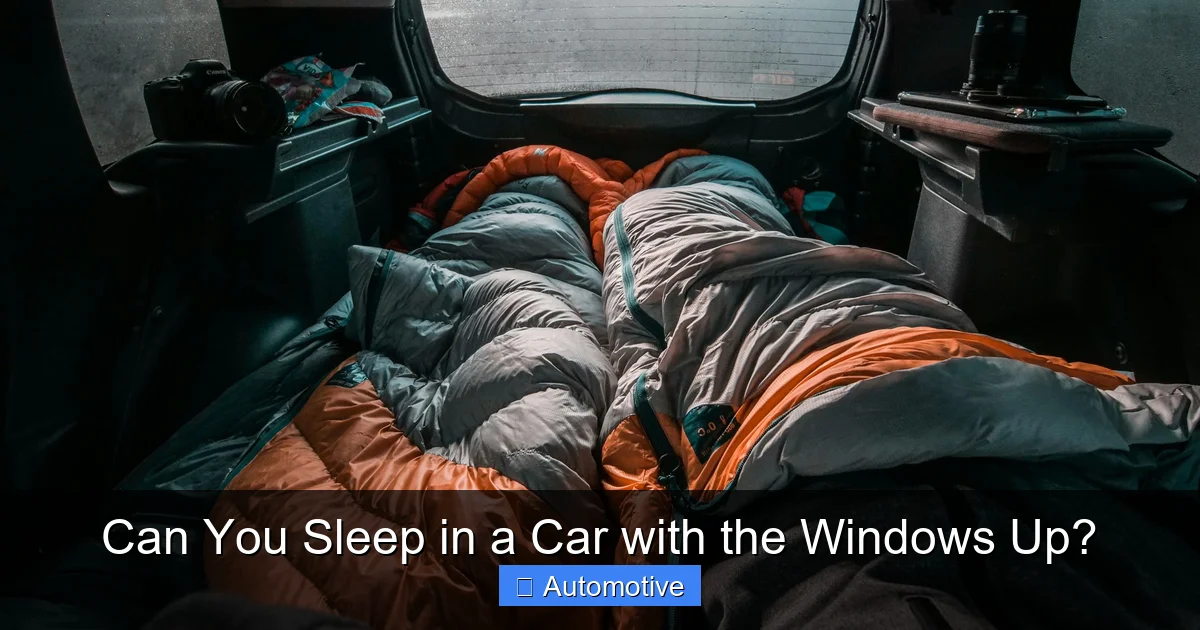
Visual guide about Can You Sleep in a Car with the Windows Up?
Image source: images.carexpert.com.au
Now that we understand the science, let’s talk about the real-world risks. Sleeping in a car with the windows up isn’t inherently dangerous, but it does come with several hazards that you should be aware of.
Carbon Monoxide Poisoning
This is the most serious risk—and the one that gets the most attention. Carbon monoxide (CO) is a colorless, odorless gas produced when fuel is burned. If your car’s engine is running, even for a few minutes, CO can build up inside the cabin—especially if the exhaust system has a leak or if you’re parked in a garage or enclosed space.
Even with the windows up, a small amount of CO can enter through the air intake or ventilation system. Over time, this can lead to poisoning, which causes symptoms like headache, dizziness, nausea, confusion, and eventually loss of consciousness or death.
The scary part? You won’t smell it. You won’t see it. And if you’re asleep, you might not even realize what’s happening until it’s too late.
That’s why experts universally agree: **Never run your car’s engine with the windows fully closed, especially while sleeping.** Even if you’re parked outside, a blocked tailpipe (from snow, mud, or debris) can cause CO to back up into the cabin.
Overheating and Heatstroke
On a sunny day, your car acts like a greenhouse. Sunlight comes in through the windows, heats up the interior surfaces, and the heat gets trapped. This is why your steering wheel can feel like a frying pan after sitting in the sun.
If you’re sleeping in a car with the windows up on a hot day, you’re at risk of overheating. Your body can’t cool down effectively, especially if you’re covered with blankets or wearing heavy clothing. Symptoms of heat exhaustion include heavy sweating, weakness, dizziness, and nausea. If left untreated, it can progress to heatstroke—a medical emergency.
Children and pets are especially vulnerable, but adults aren’t immune. Even in mild weather, the temperature inside a parked car can rise quickly.
Carbon Dioxide Buildup
As mentioned earlier, CO2 buildup is a real concern. While it’s not as immediately deadly as carbon monoxide, high levels can make you feel tired, disoriented, or unable to wake up. This is especially dangerous if you’re in an unsafe location and need to be alert.
Imagine falling into a deep, unnatural sleep because of CO2, only to wake up disoriented and unable to react to a threat. That’s why ventilation is so important—even a small crack in a window can make a big difference.
Security and Privacy Risks
Sleeping in a car with the windows up might seem private, but it can actually make you more vulnerable. If people can’t see inside, they might assume the car is empty—or worse, that someone is hiding. This can attract unwanted attention, especially in isolated areas.
Additionally, if you’re in a high-crime area, a sealed car might make it harder for you to hear approaching danger. You’re essentially cutting yourself off from your surroundings, which can be risky.
How to Sleep Safely in a Car with Windows Up
Visual guide about Can You Sleep in a Car with the Windows Up?
Image source: cdn.shopify.com
So, is there a safe way to sleep in a car with the windows up? Yes—if you follow some key guidelines. The goal is to balance comfort, ventilation, and safety.
Crack the Windows Slightly
This is the most important tip. Even a half-inch crack in one or two windows can provide enough airflow to prevent CO2 buildup and regulate temperature. Choose windows that are opposite each other to create cross-ventilation. For example, crack the front left and rear right windows.
If you’re worried about rain or theft, use window deflectors or rain guards. These allow airflow while keeping water out. You can also use a small piece of tape or a wedge to keep the window slightly open without it being obvious.
Park in a Safe, Legal Location
Where you park matters just as much as how you sleep. Avoid isolated areas, dark alleys, or private property without permission. Instead, choose well-lit, public spaces like:
– Rest areas or highway pull-offs
– 24-hour truck stops
– Designated overnight parking zones
– Walmart parking lots (many allow overnight parking)
– Campgrounds or RV parks
Always check local laws. Some cities ban overnight parking in vehicles, and you could face fines or towing. Apps like iOverlander or Parkopedia can help you find safe, legal spots.
Use Sunshades and Window Covers
If you’re sleeping during the day, sunlight can turn your car into an oven. Use reflective sunshades on the windshield and side windows to block heat. You can also use blackout curtains or DIY covers made from blankets or reflective insulation.
These not only keep the car cooler but also add privacy. Just make sure they don’t block your view completely—you still want to be aware of your surroundings.
Bring the Right Gear
Comfort matters, especially if you’re sleeping for more than a few hours. Bring:
– A travel pillow or neck support
– A lightweight blanket or sleeping bag
– A seat cushion or foam pad
– Noise-canceling headphones or earplugs
– A small battery-powered fan for airflow
Avoid heavy blankets in hot weather—they can trap heat. In cold weather, layer up and consider a portable heater (but never use an open flame or fuel-burning heater inside the car).
Monitor the Weather
Check the forecast before you settle in. Avoid sleeping in extreme heat or cold if possible. If it’s going to be very hot, try to park in the shade or use a sunshade. If it’s cold, dress warmly and consider using a sleeping bag rated for low temperatures.
Never rely on the car’s heater or air conditioning while sleeping—especially with the engine off. The battery will drain quickly, and you risk CO poisoning if the engine is running.
Set an Alarm and Stay Alert
Even if you’re in a safe location, it’s smart to set an alarm. This ensures you don’t oversleep and miss your schedule. It also helps you stay aware of your surroundings.
Keep your phone charged and within reach. Let someone know where you’re sleeping, especially if you’re alone.
When Is It Okay to Sleep in a Car with Windows Up?
Not all situations are equal. Here are some scenarios where sleeping in a car with the windows up is more acceptable—and some where it’s best avoided.
Acceptable Situations
– **Short naps (under 2 hours):** A quick power nap at a rest stop is generally safe, especially if you crack a window.
– **Emergency situations:** If you’re stranded due to weather, breakdown, or travel delays, sleeping in your car may be your best option.
– **Overlanding or van life:** People who live in their vehicles often modify them for safe, long-term sleeping with proper ventilation and insulation.
– **Festivals or events:** Many music festivals allow car camping, and attendees often sleep in their vehicles with windows slightly open.
Situations to Avoid
– **Running the engine:** Never sleep in a car with the engine running and windows up—especially in a garage or enclosed space.
– **Extreme temperatures:** Avoid sleeping in a sealed car during heatwaves or sub-zero conditions unless you have proper climate control.
– **Isolated or unsafe areas:** Don’t sleep in abandoned lots, dark forests, or high-crime neighborhoods.
– **With pets or children:** Kids and animals are more vulnerable to heat and CO2. If you must sleep with them, ensure maximum ventilation and never leave them unattended.
Real-Life Examples and Tips from Experienced Car Sleepers
To get a better sense of how people actually sleep in cars, let’s look at some real-world examples and tips from those who’ve done it.
The Road Tripper
Sarah, a freelance photographer, often travels cross-country for work. She says, “I’ve slept in my car dozens of times. My rule is always to crack two windows—front and back—and park at a Walmart or rest area. I use a windshield sunshade and a small fan powered by a USB battery. It’s not five-star, but it’s safe and free.”
Her top tip? “Never close all the windows. Even a tiny gap makes a huge difference in how you feel when you wake up.”
The Festival Goer
Jake, who attends music festivals regularly, parks his car in the campground and sleeps in the back seat. “I recline the seats, use a sleeping pad, and crack the windows about an inch. I also bring a battery-powered LED light so I can read or charge my phone without turning on the car.”
He adds, “The key is preparation. Bring everything you need so you don’t have to get out in the middle of the night.”
The Emergency Sleeper
Maria was stranded during a snowstorm and had to sleep in her car overnight. “I was terrified at first, but I cracked the windows, wrapped myself in blankets, and kept my phone charged. I also kept the keys in my pocket so I could start the car quickly if needed.”
Her advice? “Always have an emergency kit: water, snacks, flashlight, blanket, and a portable charger. And tell someone where you are.”
Conclusion: Smart, Safe Car Sleeping Is Possible
So, can you sleep in a car with the windows up? Yes—but only if you do it wisely. The risks are real: poor air quality, overheating, carbon monoxide, and security concerns. But with the right precautions, you can make it safe and even comfortable.
The golden rule? **Always allow for airflow.** A small crack in the window can prevent CO2 buildup, regulate temperature, and keep you alert. Combine that with smart parking, proper gear, and awareness of your environment, and you’ve got a solid plan.
Remember, your car is a tool—not a hotel room. It wasn’t designed for long-term sleeping, but in a pinch, it can serve the purpose. Whether you’re on a budget, in an emergency, or just need a quick nap, knowing how to sleep safely in your car is a valuable skill.
So next time you’re on the road and feeling tired, don’t just close your eyes and hope for the best. Take a few minutes to prepare. Crack a window. Park safely. Bring a blanket. And sleep smart.
Your health—and your peace of mind—are worth it.
Frequently Asked Questions
Is it safe to sleep in a car with the windows completely closed?
Sleeping in a car with all windows fully closed is not recommended for extended periods. It can lead to poor air quality, CO2 buildup, and overheating. Always crack at least one window slightly to allow airflow.
Can you get carbon monoxide poisoning from sleeping in a parked car?
Carbon monoxide poisoning is unlikely if the engine is off and the car is parked outside. However, it can happen if the engine is running, especially in enclosed spaces or with a blocked exhaust. Never run the engine while sleeping.
How long can you safely sleep in a car with windows up?
Short naps of 1–2 hours are generally safe with proper ventilation. Overnight sleep is riskier and should only be done in safe locations with cracked windows and temperature control.
What’s the best way to ventilate a car while sleeping?
Crack two windows on opposite sides to create cross-ventilation. Use window deflectors to keep rain out, and avoid sealing all gaps completely.
Can sleeping in a hot car with windows up cause heatstroke?
Yes, especially on sunny days. Cars can heat up rapidly, and without airflow, your body can’t cool down. Use sunshades, park in shade, and crack windows to reduce risk.
Are there apps to find safe places to sleep in your car?
Yes, apps like iOverlander, Parkopedia, and Rest Stops USA help locate safe, legal overnight parking spots, including rest areas, truck stops, and campgrounds.
