
Can a Bad Heater Core Cause a Car to Overheat?

A bad heater core typically doesn’t cause a car to overheat directly, but it can contribute to cooling system problems that lead to overheating. Issues like coolant leaks, blockages, or air pockets from a failing heater core may reduce cooling efficiency. Understanding the connection helps prevent engine damage and costly repairs.
Key Takeaways
- A bad heater core rarely causes overheating on its own: It’s more likely to leak coolant or reduce heating performance than directly overheat the engine.
- Coolant loss from a leaking heater core can lead to overheating: Low coolant levels reduce the system’s ability to regulate engine temperature.
- Blockages in the heater core restrict coolant flow: This can disrupt the overall circulation in the cooling system, increasing the risk of overheating.
- Air pockets from a compromised heater core affect cooling efficiency: Trapped air prevents proper coolant circulation and heat dissipation.
- Overheating is more commonly caused by other issues: Such as a faulty thermostat, water pump failure, or radiator problems.
- Early detection prevents major engine damage: Watch for sweet smells, foggy windows, or coolant leaks inside the car.
- Regular maintenance helps avoid heater core and overheating issues: Flushing the cooling system and checking coolant levels can extend component life.
📑 Table of Contents
- Can a Bad Heater Core Cause a Car to Overheat?
- What Is a Heater Core and How Does It Work?
- Common Symptoms of a Bad Heater Core
- Can a Bad Heater Core Actually Cause Overheating?
- Other Common Causes of Car Overheating
- How to Diagnose a Bad Heater Core
- How to Fix a Bad Heater Core
- Preventing Heater Core and Overheating Issues
- Conclusion
Can a Bad Heater Core Cause a Car to Overheat?
If you’ve ever noticed a sweet smell inside your car, foggy windows that won’t clear, or a puddle of green or pink fluid under your dashboard, you might be dealing with a bad heater core. These symptoms are classic signs of a failing heater core, but one question often comes up: can a bad heater core cause a car to overheat?
The short answer is: not directly. A malfunctioning heater core is not typically the primary cause of engine overheating. However, it can contribute to conditions that increase the risk of overheating, especially if it leads to coolant loss or disrupts the cooling system’s balance. Understanding how the heater core works and its role in your vehicle’s overall cooling system is key to diagnosing and preventing serious engine problems.
In this article, we’ll explore the function of the heater core, how it interacts with the engine’s cooling system, and whether—and how—a bad heater core might lead to overheating. We’ll also cover warning signs, common causes of failure, and what you can do to fix or prevent issues before they escalate.
What Is a Heater Core and How Does It Work?
Visual guide about Can a Bad Heater Core Cause a Car to Overheat?
Image source: carglassadvisor.com
Before diving into whether a bad heater core can cause overheating, it’s important to understand what the heater core is and how it functions.
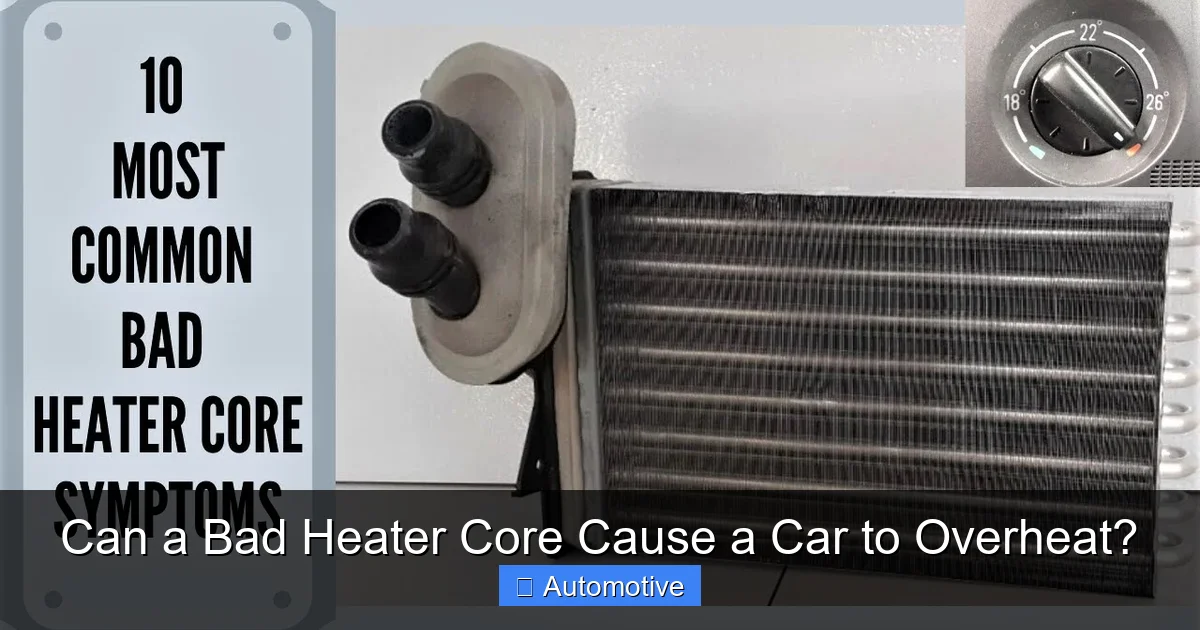
The heater core is a small radiator-like component located inside your vehicle’s dashboard, usually behind the glove box or center console. It’s part of the car’s heating, ventilation, and air conditioning (HVAC) system. Its main job is to provide heat to the cabin by circulating hot coolant from the engine.
Here’s how it works: As the engine runs, it generates heat. Coolant (a mixture of water and antifreeze) absorbs this heat and flows through the engine block and cylinder head. From there, the hot coolant is pumped through hoses to the heater core. A fan blows air over the heater core, warming the air before it’s directed into the cabin through the vents. Once the coolant releases its heat, it returns to the engine to repeat the cycle.
This process is essential for passenger comfort, especially in cold weather. But the heater core also plays a subtle role in the overall cooling system. It helps regulate coolant flow and temperature, acting as a secondary heat exchanger.
The Heater Core’s Role in the Cooling System
While the radiator is the primary component responsible for cooling the engine, the heater core serves as a supplementary heat dissipation point. In some vehicles, especially those with high-performance engines or auxiliary heating systems, the heater core can help manage excess heat during idle or low-speed driving.
Additionally, the heater core is part of a closed-loop system. Any disruption—such as a leak, blockage, or air pocket—can affect the entire cooling system’s performance. For example, if the heater core develops a crack or clog, it can restrict coolant flow, leading to uneven temperature distribution and potential hot spots in the engine.
Common Symptoms of a Bad Heater Core
Visual guide about Can a Bad Heater Core Cause a Car to Overheat?
Image source: i.ytimg.com
Recognizing the signs of a failing heater core is the first step in addressing potential problems. While overheating isn’t the most common symptom, several other indicators can point to heater core issues.
1. Sweet Smell Inside the Cabin
One of the earliest and most noticeable signs of a bad heater core is a sweet, syrupy smell coming from the vents. This odor is caused by coolant (which contains ethylene glycol) leaking into the HVAC system and evaporating. Unlike engine oil or fuel, coolant has a distinct sweet scent that’s hard to miss.
If you notice this smell, especially when the heater is on, it’s a strong indication that coolant is escaping from the heater core and entering the air ducts.
2. Foggy or Misty Windows
Another telltale sign is persistent fogging or misting on the inside of your windshield, particularly when the heater is running. This happens because coolant vapor is being blown onto the glass. Unlike normal condensation, this fog doesn’t clear easily and may leave a greasy residue.
This symptom is not only annoying but also dangerous, as it can reduce visibility and increase the risk of accidents.
3. Coolant Leaks Inside the Car
If you find a puddle of coolant on the passenger-side floor mat, especially near the firewall, it’s likely coming from a leaking heater core. The heater core is located deep inside the dashboard, and when it fails, coolant can drip down into the cabin.
The fluid is usually green, orange, or pink and has a slimy texture. It may also leave stains or a sticky residue on carpeting.
4. Reduced or No Heat from Vents
A clogged or leaking heater core can restrict coolant flow, reducing the amount of heat available for the cabin. You might notice that the heater blows lukewarm or cold air even when the engine is fully warmed up.
This happens because the coolant can’t circulate properly through the heater core, so it doesn’t absorb enough heat to warm the air.
5. Low Coolant Level Without Visible Leaks
If your coolant reservoir keeps dropping but you don’t see any puddles under the car, the leak might be internal—inside the cabin. A leaking heater core can slowly drain coolant into the HVAC system, where it evaporates or pools out of sight.
This silent coolant loss can eventually lead to low levels in the radiator and overflow tank, increasing the risk of overheating.
Can a Bad Heater Core Actually Cause Overheating?
Visual guide about Can a Bad Heater Core Cause a Car to Overheat?
Image source: i.ytimg.com
Now, let’s address the core question: can a bad heater core cause a car to overheat?
The answer is nuanced. A bad heater core is not a direct cause of engine overheating, but it can contribute to conditions that make overheating more likely.
How a Leaking Heater Core Can Lead to Overheating
The most significant way a bad heater core can contribute to overheating is through coolant loss. Coolant is essential for absorbing and transferring heat away from the engine. If the heater core develops a leak, coolant escapes from the system, reducing the total volume available for cooling.
Even a small leak can gradually deplete the coolant level. Over time, this can lead to low coolant levels in the radiator and engine block. When there’s not enough coolant to circulate, the engine can’t dissipate heat effectively, leading to rising temperatures and eventual overheating.
For example, imagine your car’s cooling system holds 10 quarts of coolant. If the heater core leaks just 1 quart over several weeks, the system is now operating at 90% capacity. While this might not cause immediate overheating, it reduces the system’s safety margin. Under heavy load—like climbing a hill or towing—the engine may overheat because there’s not enough coolant to handle the extra heat.
Blockages and Restricted Flow
Another way a bad heater core can contribute to overheating is through internal blockages. Over time, sediment, rust, or scale can build up inside the heater core’s small tubes, restricting coolant flow.
When coolant can’t flow freely through the heater core, it can disrupt the overall circulation in the cooling system. This may cause hot spots in the engine, where heat isn’t being removed efficiently. In severe cases, the thermostat or water pump may struggle to maintain proper flow, increasing the risk of overheating.
Additionally, some vehicles route coolant through the heater core even when the heater is off. If the core is clogged, it can act like a bottleneck, slowing down the entire system.
Air Pockets and Trapped Air
When a heater core leaks or is replaced, air can get trapped in the cooling system. Air pockets prevent coolant from circulating properly, reducing heat transfer and creating hot zones in the engine.
This is especially problematic during cold starts or idle conditions, when coolant flow is already slower. Trapped air can cause the engine to run hotter than normal, potentially leading to overheating if not addressed.
Indirect Effects on Other Components
A failing heater core can also indirectly affect other parts of the cooling system. For instance, if coolant is leaking into the cabin, it may damage electrical components like the blower motor or HVAC controls. While this doesn’t cause overheating directly, it can lead to system failures that complicate diagnosis and repair.
Moreover, repeated overheating episodes—even mild ones—can damage the head gasket, warp cylinder heads, or crack engine blocks. So while the heater core may not be the root cause, it can be a contributing factor in a chain of failures.
Other Common Causes of Car Overheating
While a bad heater core can play a role, it’s important to remember that most overheating issues stem from other, more direct causes. Understanding these can help you diagnose problems more accurately.
1. Faulty Thermostat
The thermostat regulates coolant flow between the engine and radiator. If it gets stuck closed, coolant can’t reach the radiator to cool down, causing the engine to overheat quickly.
Symptoms include rapid temperature spikes, especially after starting the car.
2. Water Pump Failure
The water pump circulates coolant through the engine and radiator. If it fails—due to a broken impeller, worn bearings, or a leaking seal—coolant stops flowing, leading to overheating.
You might notice coolant leaks near the front of the engine or a whining noise from the pump.
3. Radiator Problems
A clogged, damaged, or leaking radiator can’t dissipate heat effectively. Debris, rust, or bent fins can block airflow, while internal corrosion can restrict coolant flow.
Overheating often occurs during highway driving or hot weather.
4. Coolant Leaks (External)
Leaks from hoses, the radiator, water pump, or heater hoses can cause coolant loss and overheating. These are usually easier to spot than internal leaks.
Look for puddles under the car or white residue around connections.
5. Low Coolant Level
Simply not having enough coolant—due to evaporation, leaks, or neglect—can cause overheating. Always check the coolant reservoir and radiator when the engine is cold.
6. Faulty Cooling Fan
Electric or mechanical fans help cool the radiator when the car is idling or moving slowly. If the fan doesn’t turn on, the engine can overheat in traffic.
Check for blown fuses, bad relays, or motor failure.
How to Diagnose a Bad Heater Core
If you suspect a bad heater core, it’s important to confirm the diagnosis before jumping to conclusions. Here’s how to check:
Step 1: Check for Coolant Leaks Inside the Car
Inspect the passenger-side floor for wetness, stains, or coolant residue. Use a flashlight to look under the dashboard. If you see fluid, smell it—coolant has a sweet odor.
Step 2: Smell the Air from the Vents
Turn on the heater and smell the air coming from the vents. A sweet smell indicates coolant vapor, a strong sign of a leaking heater core.
Step 3: Monitor Coolant Levels
Check the coolant reservoir regularly. If the level keeps dropping without visible external leaks, an internal leak (like a bad heater core) is likely.
Step 4: Feel the Heater Hoses
With the engine warm, feel the two heater hoses (inlet and outlet) near the firewall. Both should be hot. If one is cold, the heater core may be clogged.
Step 5: Perform a Pressure Test
A mechanic can perform a cooling system pressure test to check for leaks. They’ll pressurize the system and look for drops in pressure, which indicate leaks—possibly from the heater core.
Step 6: Use a UV Dye Test
Adding UV dye to the coolant can help locate leaks. After running the engine, a UV light can reveal where the dye is escaping—even inside the cabin.
How to Fix a Bad Heater Core
Replacing a heater core is a complex job that typically requires removing parts of the dashboard. It’s not a DIY-friendly repair for most people, but here’s what’s involved:
1. Drain the Coolant
The first step is to drain the coolant from the system to prevent spills during disassembly.
2. Remove the Dashboard Components
Depending on the vehicle, you may need to remove the glove box, center console, instrument panel, or even the entire dashboard to access the heater core.
3. Disconnect Heater Hoses
Carefully disconnect the inlet and outlet hoses from the heater core. Be prepared for some coolant spillage.
4. Remove the Heater Core
Unbolt the heater core housing and carefully extract the old core. Inspect it for leaks, cracks, or blockages.
5. Install the New Heater Core
Insert the new heater core into the housing, reconnect the hoses, and reassemble the dashboard components.
6. Refill and Bleed the Cooling System
Refill the coolant and bleed air from the system to prevent air pockets. Run the engine with the heater on to ensure proper circulation.
7. Test for Leaks and Function
Check for leaks and verify that the heater produces hot air and the engine maintains normal temperature.
Due to the complexity, most mechanics charge $500–$1,200 for a heater core replacement, depending on the vehicle.
Preventing Heater Core and Overheating Issues
While you can’t always prevent a heater core failure, regular maintenance can reduce the risk:
- Flush the cooling system every 30,000–50,000 miles: This removes sediment and rust that can clog the heater core.
- Use the correct coolant type: Always follow the manufacturer’s recommendations for coolant mix and type.
- Check coolant levels monthly: Top off as needed and investigate any drops.
- Inspect hoses and connections: Look for cracks, bulges, or leaks in heater hoses.
- Run the heater regularly: Even in summer, use the heater for a few minutes to keep the core active and prevent stagnation.
- Address overheating immediately: Never ignore a high-temperature warning light.
Conclusion
So, can a bad heater core cause a car to overheat? Not directly—but it can contribute to overheating by causing coolant loss, restricting flow, or creating air pockets in the cooling system. While the heater core’s main job is to provide cabin heat, it’s an integral part of the overall cooling system.
Recognizing the signs of a failing heater core—like sweet smells, foggy windows, or coolant leaks inside the car—can help you catch problems early. And while replacing a heater core is a major repair, addressing it promptly can prevent more serious engine damage down the road.
Remember, overheating is usually caused by other issues like a bad thermostat, water pump, or radiator. But if you’re dealing with unexplained coolant loss or heating problems, don’t rule out the heater core. A little awareness and maintenance can go a long way in keeping your car running cool and comfortable.
Frequently Asked Questions
Can a bad heater core cause a car to overheat?
A bad heater core doesn’t directly cause overheating, but it can contribute by leaking coolant or restricting flow. Low coolant levels from a leak reduce the system’s ability to cool the engine.
What are the signs of a failing heater core?
Common signs include a sweet smell inside the car, foggy windows, coolant leaks on the passenger floor, reduced heat from vents, and low coolant levels without visible external leaks.
How much does it cost to replace a heater core?
Heater core replacement typically costs between $500 and $1,200, depending on the vehicle. The job is labor-intensive and often requires dashboard removal.
Can I drive with a bad heater core?
You can drive short distances, but it’s not recommended. Coolant loss can lead to overheating, and fumes may enter the cabin. Have it repaired as soon as possible.
How often should I flush my cooling system?
Most manufacturers recommend flushing the cooling system every 30,000 to 50,000 miles or every 2–5 years to prevent clogs and corrosion.
Will a clogged heater core cause overheating?
A clogged heater core can restrict coolant flow and contribute to overheating, especially under heavy load. It’s not the most common cause, but it can be a factor.