
Which Is Better: Lexus or Mercedes?

Choosing between Lexus and Mercedes depends on your priorities—Lexus excels in reliability and value, while Mercedes leads in performance and prestige. Both brands offer luxury, but their strengths cater to different lifestyles and driving preferences.
Key Takeaways
- Lexus prioritizes reliability and long-term value: Known for low maintenance costs and high resale value, Lexus vehicles are ideal for buyers seeking dependable luxury.
- Mercedes focuses on performance and innovation: With powerful engines, cutting-edge tech, and a sportier driving experience, Mercedes appeals to driving enthusiasts.
- Lexus offers a smoother, quieter ride: Emphasizing comfort and refinement, Lexus cabins are designed for relaxed, stress-free driving.
- Mercedes delivers a more dynamic driving experience: Sport-tuned suspensions and responsive handling make Mercedes models feel more engaging on the road.
- Both brands offer strong safety features: Lexus Safety System+ and Mercedes-Benz Intelligent Drive provide advanced driver assistance across their lineups.
- Maintenance and repair costs differ significantly: Lexus generally has lower ownership costs, while Mercedes may require more expensive servicing over time.
- Brand image and prestige vary: Mercedes carries a stronger legacy of performance and status, while Lexus is respected for consistency and customer satisfaction.
📑 Table of Contents
Introduction: The Luxury Car Dilemma
Picking a luxury car is more than just choosing a vehicle—it’s about selecting a lifestyle. When it comes to premium brands, few names spark as much debate as Lexus and Mercedes-Benz. Both have built strong reputations over decades, offering high-end interiors, advanced technology, and a sense of prestige. But which one is truly better? The answer isn’t black and white. It depends on what you value most: comfort, performance, reliability, or status.
Lexus, the luxury division of Toyota, has long been praised for its bulletproof reliability and customer-first approach. If you want a car that starts every morning, needs minimal repairs, and holds its value well, Lexus is a top contender. On the other hand, Mercedes-Benz, a German icon with over a century of automotive innovation, is synonymous with performance, engineering excellence, and a bold design language. Whether you’re cruising down the highway or carving through mountain roads, Mercedes often delivers a more thrilling ride.
But the comparison goes deeper than just brand image. From fuel efficiency to infotainment systems, from ride comfort to long-term ownership costs, every detail matters. In this article, we’ll dive into the strengths and weaknesses of both brands, comparing them across key categories. Whether you’re shopping for a sedan, SUV, or hybrid, this guide will help you decide: which is better—Lexus or Mercedes?
Brand History and Reputation
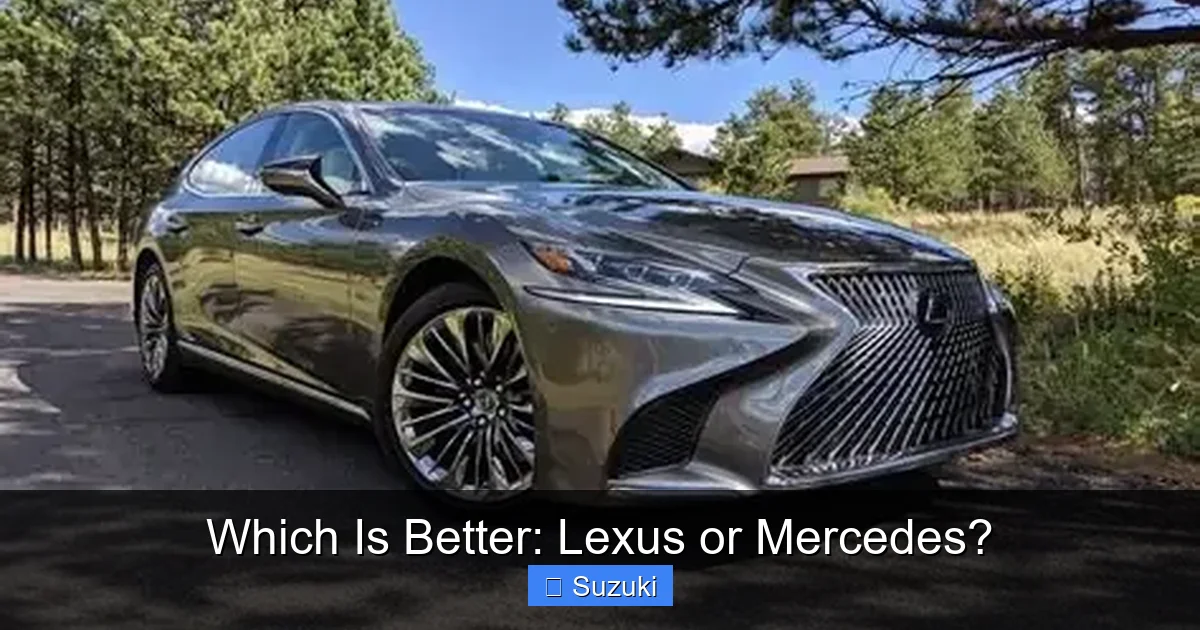
Visual guide about Which Is Better: Lexus or Mercedes?
Image source: autozonic.com
To understand why Lexus and Mercedes are often pitted against each other, it helps to look at their origins and how they’ve evolved.
Lexus: The Reliability King
Lexus launched in 1989 as Toyota’s answer to the growing demand for luxury vehicles in North America. From the start, the brand focused on delivering exceptional quality, comfort, and customer service. The first model, the Lexus LS 400, shocked the automotive world with its near-silent engine, smooth ride, and attention to detail—all at a price point undercutting European rivals.
Over the years, Lexus has built a reputation for reliability. According to J.D. Power and Consumer Reports, Lexus consistently ranks at or near the top for dependability. This isn’t just marketing—it’s backed by real-world data. Owners report fewer breakdowns, lower repair costs, and longer vehicle lifespans. For example, the Lexus RX, one of the brand’s best-selling SUVs, often reaches 200,000 miles with minimal issues if properly maintained.
Lexus also pioneered the luxury hybrid market with the introduction of the RX 450h in 2005. Today, many of its models offer hybrid variants, appealing to eco-conscious buyers who don’t want to sacrifice comfort or space.
Mercedes-Benz: The Performance Pioneer
Mercedes-Benz traces its roots back to 1886, when Karl Benz invented the first gasoline-powered automobile. Since then, the brand has been at the forefront of automotive innovation—introducing features like anti-lock brakes, airbags, and advanced driver assistance systems long before they became standard.
Mercedes is known for its engineering prowess and sporty character. Models like the AMG line deliver race-inspired performance, with turbocharged engines, adaptive suspensions, and aggressive styling. The brand’s slogan, “The Best or Nothing,” reflects its commitment to excellence and luxury.
While Mercedes has a strong reputation for performance and prestige, it hasn’t always matched Lexus in reliability. In recent years, the brand has improved its dependability scores, but it still tends to lag behind Lexus in long-term ownership surveys. That said, many drivers are willing to accept slightly higher maintenance costs for the thrill of driving a Mercedes.
Reliability and Ownership Costs
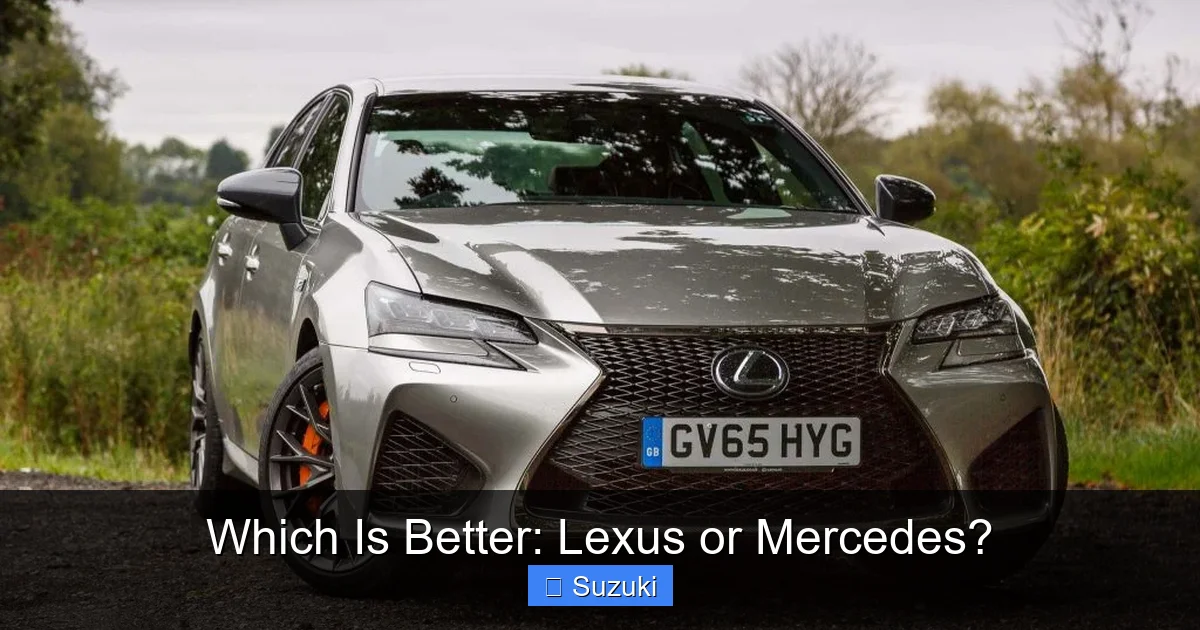
Visual guide about Which Is Better: Lexus or Mercedes?
Image source: motorverso.com
When it comes to long-term value, reliability is king. No one wants to spend their weekends at the dealership or worry about unexpected repair bills.
Lexus: Built to Last
Lexus vehicles are engineered for durability. The brand uses high-quality materials, rigorous testing, and conservative engineering to ensure longevity. For example, the Lexus ES sedan is known for its smooth V6 engine and quiet cabin—features that remain consistent even after years of use.
According to RepairPal, the average annual repair cost for a Lexus is around $551, significantly lower than the industry average. In contrast, Mercedes-Benz vehicles average about $908 per year in repairs. That’s a difference of over $350 annually—money that adds up over time.
Lexus also offers a competitive warranty: 4 years/50,000 miles basic coverage and 6 years/70,000 miles on the powertrain. Many models also come with complimentary maintenance for the first two years or 20,000 miles, reducing out-of-pocket expenses.
Mercedes: Performance Comes at a Price
Mercedes vehicles are built for performance, which often means more complex systems—turbocharged engines, air suspensions, and advanced electronics. While these features enhance the driving experience, they can also lead to higher repair costs.
For instance, replacing a Mercedes air suspension strut can cost over $1,000 per corner, while a Lexus with a traditional coil suspension might only need a $300 shock absorber. Similarly, Mercedes’ Mbrace infotainment system, while feature-rich, has been criticized for being less intuitive and more prone to glitches than Lexus’ Enform system.
That said, Mercedes has made strides in improving reliability. The 2023 C-Class, for example, received high marks for dependability in early owner reviews. And with proper maintenance, many Mercedes models can last well over 150,000 miles.
Driving Experience and Performance

Visual guide about Which Is Better: Lexus or Mercedes?
Image source: autozonic.com
How a car feels on the road is just as important as how it looks or how much it costs to maintain.
Lexus: Comfort First
Lexus prioritizes a smooth, quiet, and comfortable ride. Whether you’re driving a compact UX or a full-size LX SUV, the focus is on isolating passengers from road noise and harsh impacts. The suspension is tuned for comfort, and the steering is light and easy to manage—ideal for daily commuting or long road trips.
For example, the Lexus LS flagship sedan glides over bumps like it’s floating on air. The cabin is whisper-quiet, thanks to acoustic glass and active noise cancellation. It’s the kind of car you drive to relax, not to race.
Lexus also offers hybrid powertrains that deliver excellent fuel economy without sacrificing performance. The Lexus ES 300h, for instance, gets up to 44 mpg combined—impressive for a luxury midsize sedan.
Mercedes: Sporty and Engaging
Mercedes takes a different approach. Its vehicles are designed to be dynamic and responsive. Even base models like the C-Class come with sport-tuned suspensions and precise steering. The driving experience is more engaging, with a sense of connection to the road that many enthusiasts love.
The AMG performance division takes this to the next level. Models like the Mercedes-AMG C 63 S feature hand-built V8 engines, launch control, and track-ready handling. These cars aren’t just fast—they’re thrilling to drive.
Mercedes also offers a range of engine options, from efficient four-cylinders to powerful V8s and even electric powertrains in the EQ lineup. The EQS, for example, is a fully electric luxury sedan with over 500 horsepower and a range of up to 350 miles.
Interior Quality and Technology
The cabin is where luxury truly shines—or falls short.
Lexus: Refined and User-Friendly
Lexus interiors are known for their high-quality materials, excellent fit and finish, and intuitive design. Soft-touch plastics, real wood trim, and premium leather are standard even in lower trims. The seats are supportive and comfortable, often with heating, ventilation, and massage functions.
The infotainment system, while not the flashiest, is reliable and easy to use. The latest Lexus models feature a 12.3-inch touchscreen with Apple CarPlay, Android Auto, and Amazon Alexa compatibility. The interface is responsive, and the menu layout is straightforward—no steep learning curve.
One standout feature is the Mark Levinson audio system, available on higher trims. It delivers concert-hall-quality sound with crisp highs and deep bass.
Mercedes: Cutting-Edge and Luxurious
Mercedes cabins are a blend of luxury and technology. The brand was one of the first to adopt large, curved digital displays. The latest MBUX (Mercedes-Benz User Experience) system features a massive 12.3-inch central screen and an optional 12.3-inch digital instrument cluster.
MBUX is highly customizable, with voice control, augmented reality navigation, and AI that learns your preferences. Say “Hey Mercedes, I’m cold,” and the system will adjust the climate control. It’s futuristic, but some users find it overly complex.
Materials are top-tier, with options like Nappa leather, open-pore wood, and ambient lighting with over 64 colors. The seats are supportive and adjustable, though some find them firmer than Lexus counterparts.
Safety and Driver Assistance
Both brands take safety seriously, but their approaches differ.
Lexus Safety System+
Lexus includes its Safety System+ suite as standard on all new vehicles. It includes features like:
– Pre-Collision System with Pedestrian Detection
– Lane Departure Alert with Steering Assist
– Dynamic Radar Cruise Control
– Road Sign Assist
These systems are reliable and well-tested. In IIHS (Insurance Institute for Highway Safety) tests, many Lexus models earn Top Safety Pick+ ratings.
Mercedes-Benz Intelligent Drive
Mercedes offers Intelligent Drive, a comprehensive suite of driver assistance technologies. Features include:
– Active Brake Assist
– Active Lane Keeping Assist
– Distronic adaptive cruise control
– Evasive Steering Assist
Mercedes also offers advanced options like Active Distance Assist and Active Steering Assist, which can nearly drive the car autonomously in certain conditions.
Both systems are highly rated, but Mercedes tends to offer more advanced automation, while Lexus focuses on simplicity and reliability.
Fuel Efficiency and Environmental Impact
With rising fuel prices and environmental concerns, efficiency matters.
Lexus Hybrids Lead the Way
Lexus offers more hybrid models than Mercedes. The RX 450h, NX 350h, and ES 300h all deliver excellent fuel economy. The ES 300h, for example, gets up to 44 mpg combined—beating most gasoline-powered luxury sedans.
Lexus also offers plug-in hybrids like the NX 450h+, which can travel up to 37 miles on electric power alone.
Mercedes: Catching Up with EQ
Mercedes is investing heavily in electrification. The EQ lineup includes fully electric models like the EQS and EQE. The EQS 450+ offers up to 350 miles of range and rapid charging capabilities.
However, most Mercedes gasoline models are less efficient than their Lexus counterparts. The C 300, for instance, gets around 28 mpg combined—respectable, but not class-leading.
Resale Value and Long-Term Value
A car’s value over time affects your total cost of ownership.
Lexus Holds Its Value
According to Kelley Blue Book, Lexus consistently ranks among the top brands for resale value. The RX, for example, retains over 50% of its value after five years. This is due to strong demand, low depreciation, and high owner satisfaction.
Mercedes Depreciates Faster
Mercedes vehicles tend to lose value more quickly, especially in the first few years. While they start at higher prices, their resale values are often lower than Lexus. However, limited-edition AMG models can appreciate in value over time.
Conclusion: Which Is Better?
So, which is better: Lexus or Mercedes? The answer depends on your priorities.
If you value reliability, low maintenance costs, and a comfortable, stress-free driving experience, Lexus is the clear winner. It’s the brand for buyers who want luxury without the hassle.
If you crave performance, cutting-edge technology, and a sportier driving feel, Mercedes is the way to go. It’s for those who see driving as an experience, not just a commute.
Both brands offer exceptional quality, safety, and prestige. But they cater to different tastes. Lexus is like a trusted friend—dependable, calm, and always there when you need it. Mercedes is the charismatic athlete—exciting, bold, and full of energy.
Ultimately, the best choice is the one that fits your lifestyle, budget, and driving preferences. Test drive both, compare ownership costs, and think about how you’ll use the car. Whether you choose Lexus or Mercedes, you’re getting a premium vehicle built to impress.
Frequently Asked Questions
Which brand is more reliable, Lexus or Mercedes?
Lexus is generally more reliable than Mercedes, according to long-term dependability studies. Lexus vehicles have lower repair costs and fewer mechanical issues over time, making them a better choice for buyers prioritizing reliability.
Are Mercedes cars more fun to drive than Lexus?
Yes, Mercedes vehicles typically offer a more engaging and sporty driving experience. With responsive handling, powerful engines, and performance-focused tuning, Mercedes appeals to driving enthusiasts more than the comfort-oriented Lexus.
Which brand has better fuel economy?
Lexus generally offers better fuel economy, especially with its hybrid models like the ES 300h and RX 450h. Mercedes is improving with its EQ electric lineup, but most gasoline models are less efficient than comparable Lexus vehicles.
Do Lexus cars hold their value better than Mercedes?
Yes, Lexus vehicles tend to have higher resale values and slower depreciation than Mercedes. This is due to strong brand reputation, reliability, and high demand in the used car market.
Which brand has better technology and infotainment?
Mercedes leads in cutting-edge technology with its MBUX system, offering features like voice control and augmented reality navigation. Lexus systems are more user-friendly and reliable, but less flashy.
Is it more expensive to maintain a Mercedes than a Lexus?
Yes, Mercedes vehicles typically have higher maintenance and repair costs due to complex systems and premium parts. Lexus offers lower annual repair costs and often includes complimentary maintenance, making it more affordable to own long-term.
