
Does Ferrari Make Fiat?

Ferrari does not make Fiat—the two are separate Italian automotive brands with distinct identities and histories. While both originated in Italy and share a passion for performance, Ferrari focuses on luxury sports cars and racing, whereas Fiat produces affordable, mass-market vehicles. Though they were once loosely connected through shared ownership under Fiat Chrysler Automobiles (now Stellantis), Ferrari became an independent company in 2016, further solidifying its standalone status. Today, they operate as competitors in different segments of the automotive industry, each with its own engineering philosophy and brand legacy.
Key Takeaways
- Ferrari does not make Fiat: They are separate brands with distinct identities and operations.
- Both were once under Fiat ownership: Fiat acquired Ferrari in 1969 but later spun it off.
- Ferrari became independent in 2016: It operates as a standalone luxury sports car manufacturer.
- Fiat focuses on mass-market vehicles: It produces affordable cars for everyday consumers.
- Ferrari specializes in high-performance supercars: Its brand centers on exclusivity, racing heritage, and innovation.
- Shared history doesn’t mean current production ties: Past connections don’t imply current collaboration.
- Ownership changes clarify brand separation: Understanding corporate history helps distinguish their roles.
📑 Table of Contents
- Does Ferrari Make Fiat?
- The Origins of Ferrari and Fiat: Two Italian Icons
- The Complex Relationship: Ownership and Corporate Ties
- Brand Identity: Speed vs. Practicality
- Engineering and Technology: Shared Roots, Different Paths
- Market Position and Consumer Perception
- Common Misconceptions and Clarifications
- Conclusion: Two Legends, One Country
Does Ferrari Make Fiat?
Imagine you’re at a car show, standing between a sleek, fire-engine red Ferrari and a practical, family-friendly Fiat. One roars with the soul of a race car, the other hums quietly through city traffic. They couldn’t be more different, right? But what if someone leaned over and asked, “Hey, does Ferrari make Fiat?” You’d probably pause. After all, both brands are Italian, both have iconic status, and both have deep roots in automotive history. It’s a fair question—and one that deserves a clear, honest answer.
The short answer? No, Ferrari does not make Fiat. But the story behind these two legendary brands is far more fascinating than a simple yes or no. To understand why this question even comes up, we need to dive into the complex web of Italian automotive history, corporate mergers, and brand identities. From Enzo Ferrari’s racing dreams to the humble origins of the Fiat 500, these companies have shaped the way we think about cars—speed, style, and everyday mobility. So let’s take a journey through time, ownership, and engineering to uncover the real relationship between Ferrari and Fiat.
The Origins of Ferrari and Fiat: Two Italian Icons
Ferrari: Born from Racing Passion
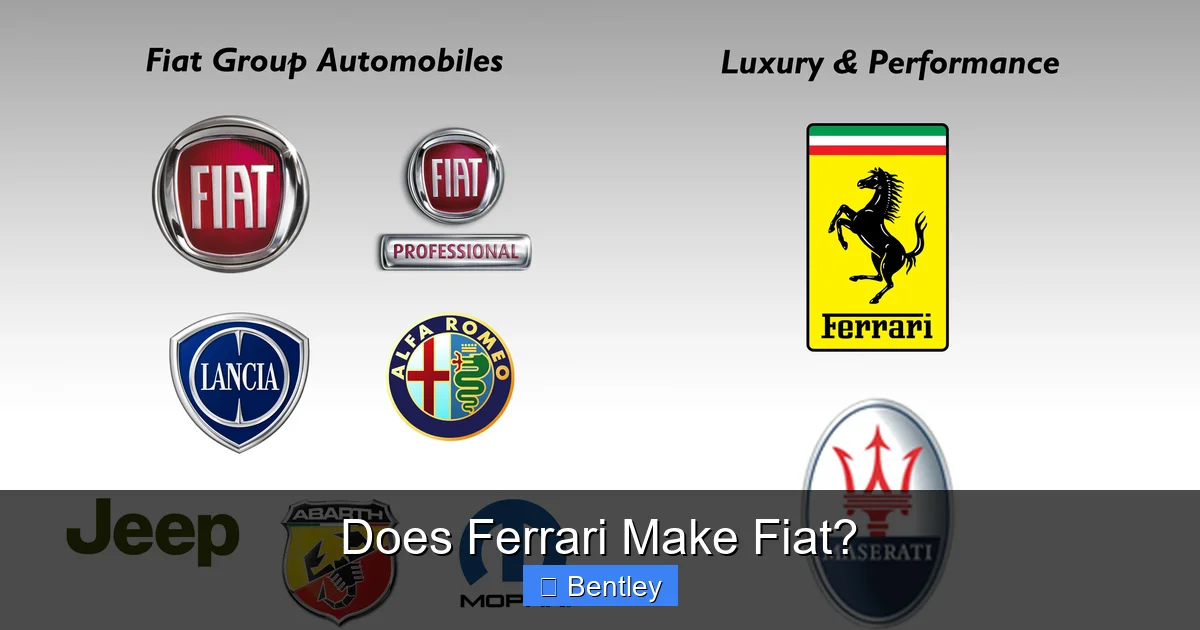
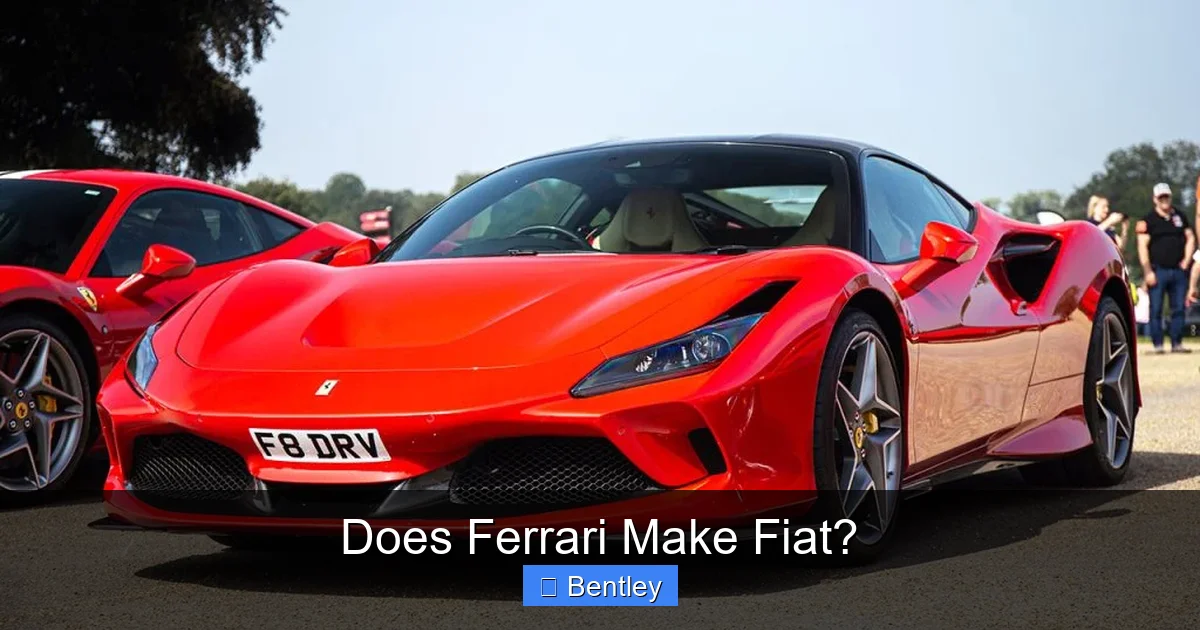
Ferrari wasn’t just built in a factory—it was born on the racetrack. Founded by Enzo Ferrari in 1939, the company began as Auto Avio Costruzioni, a parts and tooling business. But Enzo’s true passion was racing. By 1947, the first car to bear the Ferrari name—the 125 S—hit the streets, powered by a V12 engine that would become legendary. From the very beginning, Ferrari was about performance, precision, and prestige. It wasn’t just a car; it was a statement.
Visual guide about Does Ferrari Make Fiat?
Image source: fiatgroupworld.com
Enzo Ferrari famously said, “Aerodynamics are for people who can’t build engines.” That mindset defined the brand: raw power, driver engagement, and a relentless pursuit of speed. Over the decades, Ferrari became synonymous with Formula 1 dominance, producing icons like the F40, the Enzo, and the LaFerrari. Each model pushed the boundaries of what a road car could do, blending track technology with road legality.
Fiat: The People’s Car
Meanwhile, Fiat—Fabbrica Italiana Automobili Torino—was founded in 1899, over 40 years before Ferrari. Its mission was different: to make cars accessible to the average Italian. The brand’s early models, like the Fiat 500 “Topolino” (Little Mouse), were small, affordable, and practical. They weren’t built for speed or luxury—they were built to get people from point A to point B.
Fiat became the backbone of Italy’s automotive industry, producing millions of vehicles for domestic and international markets. Over time, it expanded into trucks, buses, and even aerospace. But its core identity remained rooted in practicality and mass production. While Ferrari chased the checkered flag, Fiat focused on filling driveways and city streets.
Different Philosophies, Same Country
Despite both being Italian, Ferrari and Fiat represented two very different visions of what a car could be. Ferrari was about emotion, exclusivity, and engineering excellence. Fiat was about utility, affordability, and everyday usability. One catered to enthusiasts and collectors; the other to families and commuters. Their philosophies were almost opposites—yet they coexisted, each shaping Italy’s automotive legacy in their own way.
The Complex Relationship: Ownership and Corporate Ties
Fiat’s Role in Ferrari’s Early Survival
Here’s where things get interesting. While Ferrari didn’t make Fiat, Fiat actually played a crucial role in Ferrari’s survival—especially in the 1960s. By the mid-1960s, Enzo Ferrari was facing financial strain. The costs of running a racing team and developing high-performance road cars were staggering. Ferrari needed capital, and Fiat was there to help.
Visual guide about Does Ferrari Make Fiat?
Image source: experienceferrari.com
In 1969, Fiat acquired a 50% stake in Ferrari. This partnership gave Ferrari the financial stability it needed to continue innovating, while Fiat gained access to cutting-edge engineering and a prestigious brand. It wasn’t a takeover—Enzo Ferrari retained control over racing operations—but it was a strategic alliance that benefited both companies.
The Gradual Shift in Ownership
Over the next few decades, Fiat increased its stake in Ferrari. By 1988, just before Enzo Ferrari’s death, Fiat owned 90% of the company. The remaining 10% stayed with the Ferrari family. This shift marked a turning point: Ferrari was no longer an independent entity but a subsidiary of a much larger automotive group.
Even so, Ferrari maintained its identity. The brand continued to focus on high-performance vehicles, limited production runs, and racing heritage. Fiat respected Ferrari’s autonomy, allowing it to operate as a separate entity with its own design, engineering, and marketing teams. This separation was key to preserving Ferrari’s exclusivity and brand value.
Spin-Off and Independence
In 2016, Fiat Chrysler Automobiles (FCA)—the parent company formed after Fiat merged with Chrysler—announced it would spin off Ferrari as an independent company. This move was driven by several factors: Ferrari’s high profit margins, its strong brand equity, and the desire to unlock shareholder value.
The spin-off was completed in 2016, with Ferrari becoming a publicly traded company on the New York Stock Exchange. Today, Ferrari operates independently, though it still shares some corporate history and Italian roots with Fiat. The two brands are no longer under the same corporate umbrella, but their intertwined past remains a fascinating chapter in automotive history.
Brand Identity: Speed vs. Practicality
Ferrari: The Ultimate Driving Machine
When you think of Ferrari, you think of speed, sound, and style. The brand’s identity is built on performance. Every Ferrari is engineered to deliver an emotional driving experience—whether it’s the roar of a V8, the grip of carbon-ceramic brakes, or the aerodynamics of a sculpted body.
Visual guide about Does Ferrari Make Fiat?
Image source: cartireinflator.com
Ferrari produces fewer than 15,000 cars per year, ensuring exclusivity. Each model is hand-assembled in Maranello, Italy, with meticulous attention to detail. The brand’s racing DNA is evident in everything from the engine placement to the steering feel. Driving a Ferrari isn’t just about getting somewhere—it’s about the journey, the adrenaline, the connection between driver and machine.
Fiat: The Everyday Companion
Fiat, on the other hand, is all about practicality. The brand’s most famous model, the Fiat 500, is a compact city car designed for urban living. It’s fuel-efficient, easy to park, and stylish in a retro-modern way. Fiat vehicles are built for daily use—commuting, errands, family trips.
While Fiat has experimented with performance models like the Abarth 595, its core lineup remains focused on affordability and functionality. The brand’s slogan, “Driven by Passion,” might sound similar to Ferrari’s ethos, but the passion here is about making life easier, not breaking speed records.
Marketing and Customer Experience
The difference in brand identity is also reflected in marketing. Ferrari’s campaigns emphasize heritage, innovation, and exclusivity. You’ll see ads featuring racetracks, famous drivers, and limited-edition models. The customer experience is personalized—buyers often work with dedicated consultants and attend exclusive events.
Fiat’s marketing, by contrast, focuses on lifestyle, design, and accessibility. Ads highlight the car’s charm, color options, and city-friendly features. The buying process is straightforward, with dealerships in urban centers and online configurators for easy customization.
Engine Development and Innovation
Both Ferrari and Fiat have contributed significantly to automotive engineering, but in very different ways. Ferrari is known for its high-revving, naturally aspirated engines—like the 6.3-liter V12 in the 812 Superfast. These engines are works of art, designed for maximum performance and sound.
Fiat, meanwhile, has focused on efficiency and innovation in smaller engines. The brand pioneered turbocharging in compact cars with models like the Fiat Tipo and later embraced hybrid technology with the Fiat 500e. While not as powerful as Ferrari’s powerplants, Fiat’s engines are engineered for reliability and fuel economy.
Design Philosophy
Design is another area where the two brands diverge. Ferrari’s design language is aggressive, aerodynamic, and futuristic. Every curve serves a purpose—whether it’s downforce, cooling, or aesthetics. Designers like Flavio Manzoni work closely with engineers to ensure form follows function.
Fiat’s design is more playful and nostalgic. The new Fiat 500, for example, pays homage to the original 1957 model with its rounded shape and retro details. The brand uses color and interior materials to create a cheerful, inviting atmosphere. It’s design for joy, not just performance.
Safety and Technology
Both brands have embraced modern technology, but with different priorities. Ferrari integrates advanced driver aids—like adaptive cruise control and blind-spot monitoring—into its high-performance models. However, the focus remains on driver engagement, not automation.
Fiat, on the other hand, has made safety and connectivity central to its strategy. The Fiat 500e comes with a large touchscreen, smartphone integration, and a suite of driver assistance features. The brand aims to make technology accessible and user-friendly for everyday drivers.
Market Position and Consumer Perception
Ferrari: Luxury and Exclusivity
Ferrari occupies the upper echelon of the automotive market. Its cars are priced from $250,000 to over $2 million, depending on the model and customization. Ownership is seen as a status symbol—a reward for success, passion, or legacy.
Ferrari buyers are often collectors, enthusiasts, or high-net-worth individuals. The brand cultivates a sense of community through events like the Ferrari Challenge and exclusive owner gatherings. It’s not just about the car; it’s about belonging to a select group.
Fiat: Accessibility and Style
Fiat targets a completely different demographic. Its vehicles are priced affordably, with the Fiat 500 starting around $20,000. The brand appeals to urban dwellers, young professionals, and design-conscious buyers who value style and practicality.
Fiat’s marketing emphasizes individuality—offering a wide range of colors, trims, and customization options. It’s a brand that celebrates personality, not just performance. For many, owning a Fiat is about expressing who they are, not how much they earn.
Global Reach and Sales Data
Despite their differences, both brands have a global presence. Ferrari sells primarily in North America, Europe, and Asia, with strong demand in the Middle East and China. Fiat, meanwhile, has a broader footprint, with significant sales in Europe, Latin America, and parts of Asia.
| Brand | Annual Production (Approx.) | Primary Markets | Price Range (USD) |
|---|---|---|---|
| Ferrari | 14,000 | North America, Europe, Asia | $250,000 – $2,000,000+ |
| Fiat | 1,000,000+ | Europe, Latin America, Asia | $18,000 – $40,000 |
This table highlights the stark contrast in scale and positioning. Ferrari produces fewer than 15,000 cars a year, while Fiat produces over a million. One is a boutique manufacturer; the other is a mass-market brand.
Common Misconceptions and Clarifications
“Ferrari Makes Fiat Because They’re Both Italian”
One of the most common misconceptions is that because both brands are Italian, they must be related. While they share a country of origin, that doesn’t mean one makes the other. Italy is home to many automotive brands—Lamborghini, Maserati, Alfa Romeo—each with its own history and ownership.
Just because two companies are from the same country doesn’t mean they’re part of the same corporate family. Ferrari and Fiat are independent entities with different goals, customers, and strategies.
“Fiat Owns Ferrari, So Ferrari Must Make Fiat Cars”
Another misunderstanding stems from the historical ownership. Because Fiat once owned a majority stake in Ferrari, some assume that Ferrari produces Fiat vehicles. But that’s not how it works. Ownership doesn’t imply manufacturing.
Think of it like this: if a tech giant owns a smartphone brand, that doesn’t mean the smartphone brand makes laptops for the parent company. Similarly, Ferrari never manufactured Fiat cars—even when it was partially owned by Fiat.
“They Share Engines or Platforms”
Some people believe Ferrari and Fiat share technology or platforms. While there may have been minor collaborations in the past—such as shared research or components—the two brands operate independently in terms of design and production.
Ferrari develops its own engines, chassis, and electronics. Fiat does the same for its lineup. Any overlap is minimal and typically limited to supplier relationships, not core engineering.
Conclusion: Two Legends, One Country
So, does Ferrari make Fiat? The answer is a clear and definitive no. Ferrari does not manufacture Fiat vehicles, nor has it ever. The two brands have distinct identities, different missions, and separate production lines. One is a symbol of speed and exclusivity; the other, of practicality and accessibility.
But their stories are intertwined in fascinating ways. From Fiat’s financial support during Ferrari’s early struggles to their shared Italian heritage, these brands have influenced each other—not through manufacturing, but through history, culture, and innovation. They represent two sides of the same coin: the passion for cars that drives Italy’s automotive legacy.
Whether you’re dreaming of a Ferrari’s roar or enjoying the charm of a Fiat 500, both brands offer something unique. And that’s the beauty of the automotive world—there’s room for both the extraordinary and the everyday. So the next time someone asks, “Does Ferrari make Fiat?” you can smile, shake your head, and say, “No—but they’re both legends in their own right.”
Frequently Asked Questions
Does Ferrari make Fiat cars?
No, Ferrari does not make Fiat cars. While both brands are iconic Italian automakers, they operate as separate entities with distinct histories and product lines.
Are Ferrari and Fiat the same company?
No, Ferrari and Fiat are not the same company, though they were once closely linked. Fiat acquired a controlling stake in Ferrari in the 1960s, but Ferrari has since become an independent company.
What is the relationship between Ferrari and Fiat?
Ferrari originated as part of Fiat in the 1960s, but the two brands split in 2016 when Ferrari became fully independent. Today, they operate under different corporate structures despite their shared Italian heritage.
Does Ferrari produce any Fiat models?
Ferrari does not produce any Fiat models. Ferrari focuses exclusively on high-performance sports cars and luxury vehicles, while Fiat specializes in compact and city cars.
Why do people think Ferrari makes Fiat?
Some people confuse the two due to their Italian roots and historical ties through Fiat’s past ownership of Ferrari. However, they are now completely separate brands with different ownership and manufacturing.
Can you buy a Ferrari-made Fiat?
No, you cannot buy a Ferrari-made Fiat because Ferrari does not manufacture Fiat vehicles. Each brand designs, engineers, and produces its own distinct lineup of automobiles.
