
Can Anyone Buy a Ferrari?

Buying a Ferrari isn’t just about having enough money—it’s about meeting brand standards, building relationships, and sometimes waiting years. While technically anyone with deep pockets can purchase one, Ferrari maintains strict control over who becomes an owner to preserve its elite image.
Key Takeaways
- Ferrari ownership requires more than just cash: The brand carefully vets buyers to maintain exclusivity and brand prestige.
- New Ferraris often have long waiting lists: High demand and limited production mean you may wait 1–3 years for delivery.
- Previous ownership matters: Ferrari prefers customers who already own or have owned other Ferraris.
- Dealership relationships are key: Building trust with a Ferrari dealer can improve your chances of getting rare models.
- Used Ferraris are more accessible: Pre-owned models offer a faster, more flexible path to ownership.
- Customization adds cost and time: Tailoring your Ferrari through Carrozzeria Scaglietti can increase price and delivery time significantly.
- Global availability varies: Some models are region-specific, and import regulations may affect your purchase.
📑 Table of Contents
- Can Anyone Buy a Ferrari? The Truth Behind the Badge
- The Myth of the Open Market: Why Ferrari Isn’t Like Other Luxury Brands
- The Cost of Entry: How Much Does a Ferrari Really Cost?
- The Waiting Game: Why You Might Not Get Your Ferrari This Year
- Beyond the Price Tag: The Hidden Costs of Ferrari Ownership
- Ferrari vs. Bentley: A Study in Luxury Philosophies
- Final Thoughts: Is a Ferrari Right for You?
Can Anyone Buy a Ferrari? The Truth Behind the Badge
So, you’ve seen the sleek curves, heard the roar of the engine, and dreamed of owning a Ferrari. Maybe you’ve saved up, climbed the corporate ladder, or struck it big in tech or real estate. You walk into a Ferrari dealership, wallet in hand, ready to drive off in a red stallion—only to be told, “We’ll need to review your application.” Wait… what?
Yes, that’s right. You can’t just walk in and buy a Ferrari like you would a Toyota or even a Porsche. While technically, anyone with enough money *can* purchase one, the reality is far more nuanced. Ferrari isn’t just selling cars—it’s selling a legacy, a lifestyle, and an identity. And to protect that, the Italian automaker has built a system that filters who gets to wear the prancing horse badge.
This isn’t about being elitist for the sake of it. It’s about control. Ferrari produces far fewer vehicles than competitors like Lamborghini or even Bentley. In 2023, Ferrari delivered just over 13,000 cars worldwide—compare that to Bentley’s 14,000+ and you start to see the difference in scale. With such limited supply and sky-high demand, Ferrari has to be selective. They want owners who appreciate the craftsmanship, respect the heritage, and won’t treat the car like just another status symbol.
So, can *anyone* buy a Ferrari? The short answer is yes—if you meet the unwritten rules. The long answer? It’s a mix of money, timing, reputation, and relationships. Let’s dive into what it really takes to join the exclusive club of Ferrari owners.
The Myth of the Open Market: Why Ferrari Isn’t Like Other Luxury Brands
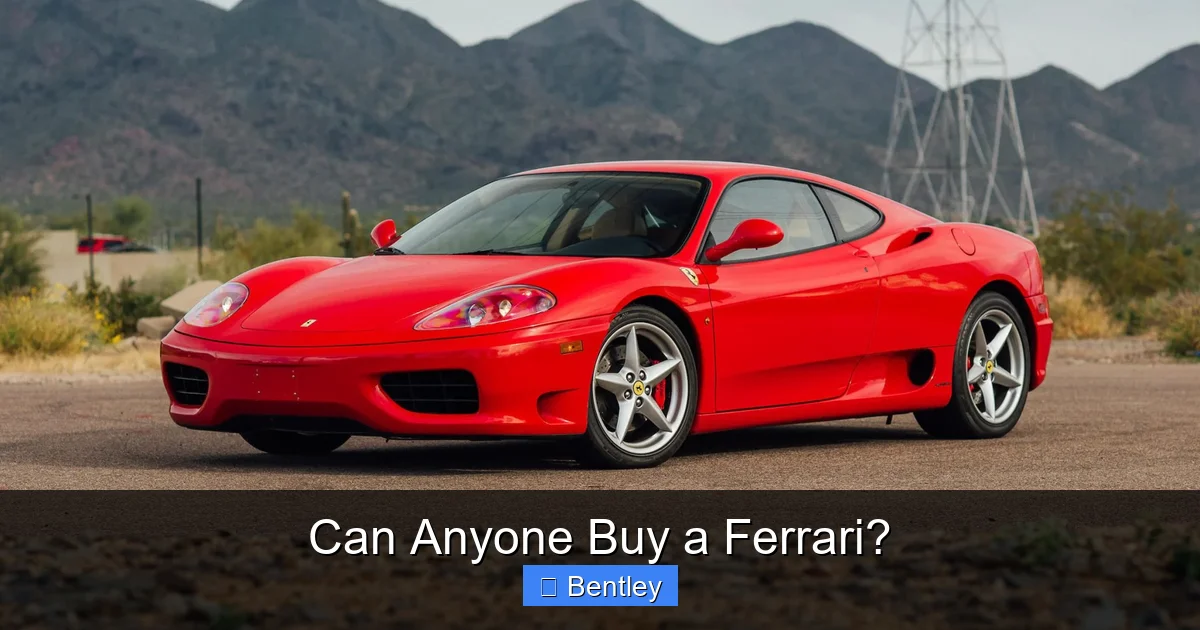
Visual guide about Can Anyone Buy a Ferrari?
Image source: experienceferrari.com
When you think of luxury cars, you might picture walking into a dealership, picking a model, paying, and driving away. That works for brands like Mercedes, BMW, or even Bentley. But Ferrari operates differently. It’s not just a car company—it’s a cultural institution with a fiercely protected brand image.
Ferrari’s exclusivity isn’t accidental. It’s a core part of its business strategy. By limiting production and controlling who buys its cars, Ferrari maintains high resale values, fuels demand, and keeps its brand aspirational. If everyone could buy one, the allure would fade. Imagine if every corner store sold Rolex watches—would they still feel special? Probably not.
This philosophy starts at the factory. Ferrari doesn’t mass-produce. Each car is hand-assembled in Maranello, Italy, with meticulous attention to detail. The F8 Tributo, for example, takes over 30 hours to build. That’s not just engineering—it’s artistry. And art deserves the right audience.
Then there’s the emotional connection. Ferrari has a racing pedigree that dates back to 1947. It’s won more Formula 1 championships than any other team. Owning a Ferrari isn’t just about speed or luxury—it’s about being part of a legacy. The brand wants owners who understand that. They don’t want someone buying a LaFerrari just to park it in a Dubai garage and post Instagram pics. They want enthusiasts.
This is why Ferrari dealerships don’t just sell cars—they curate experiences. You’re not just a customer; you’re a candidate. And like any exclusive club, there’s an application process.
How Ferrari Vets Potential Buyers
So, how does Ferrari decide who gets in? It’s not written in a public handbook, but industry insiders and former owners have shared some consistent patterns.
First, **previous ownership matters**. If you already own a Ferrari—or better yet, multiple—you’re far more likely to be approved for a new model. Ferrari loves repeat customers. They know you’re not a one-time buyer looking for a quick flex. You’re part of the family.
Second, **your financial profile is reviewed**. This isn’t just about having $300,000 in the bank. Ferrari wants to ensure you can afford not just the car, but the maintenance, insurance, and potential modifications. A Ferrari isn’t a set-it-and-forget-it purchase. It requires regular servicing at authorized centers, specialized parts, and expert care. If you can’t handle that, the brand may hesitate.
Third, **your reputation and lifestyle are considered**. While Ferrari doesn’t run background checks like a bank, dealers often informally assess whether you’re a good fit. Are you known in the car community? Do you attend track days or Ferrari club events? Have you been involved in any controversies? These factors can influence the decision.
Finally, **timing and availability play a role**. Even if you meet all the criteria, you might be put on a waiting list. Popular models like the SF90 Stradale or the 296 GTB can have wait times of 18–36 months. Ferrari prioritizes existing customers and those with strong dealer relationships.
The Cost of Entry: How Much Does a Ferrari Really Cost?

Visual guide about Can Anyone Buy a Ferrari?
Image source: experienceferrari.com
Let’s talk numbers. How much does it actually cost to buy a Ferrari? The answer depends on the model, condition, and whether you’re buying new or used.
New Ferrari Prices: Starting Points and Realistic Expectations
The most affordable new Ferrari currently available is the **Ferrari Roma**, which starts around **$230,000**. It’s the brand’s entry-level grand tourer—sleek, powerful, and relatively practical. But “starting price” is misleading. Once you add options, taxes, and dealer fees, the final price often climbs to **$280,000 or more**.
The **Ferrari Portofino M**, a convertible GT, starts at about **$250,000**, but fully loaded versions can exceed **$320,000**. The **F8 Tributo**, a mid-engine V8 supercar, begins around **$280,000**, but with carbon fiber packages, upgraded interiors, and performance tweaks, it’s easy to hit **$350,000+**.
Then there are the halo cars. The **SF90 Stradale**, Ferrari’s first series-production hybrid, starts at **$625,000**. The **LaFerrari**, now discontinued, originally sold for around **$1.4 million**, but used examples now go for **$3–5 million** depending on condition and provenance.
And don’t forget the **customization tax**. Ferrari’s Carrozzeria Scaglietti program allows buyers to personalize everything from paint color to interior stitching. Want a one-off shade of blue? That could add $50,000. Hand-stitched leather with gold thread? Another $20,000. These aren’t just upgrades—they’re statements.
Used Ferrari Market: A More Accessible Path
If the new car prices and waitlists feel overwhelming, the used market offers a faster, often more affordable route. A well-maintained **Ferrari 488 GTB** from 2018 might cost **$220,000–$260,000**, significantly less than a new F8 Tributo. Older models like the **F430** or **360 Modena** can be found for **$100,000–$150,000**, making them entry points for passionate enthusiasts.
But buying used isn’t risk-free. Ferraris are high-performance machines with complex systems. A poorly maintained example can hide engine issues, transmission problems, or electrical faults. That’s why it’s crucial to buy from a reputable dealer or certified pre-owned program. Ferrari’s **CPO (Certified Pre-Owned)** program offers inspections, warranties, and peace of mind—though at a premium.
Also, consider depreciation. While Ferraris hold value better than most cars, they still lose money in the first few years. A new Roma might drop 20% in value the moment you drive it off the lot. But if you buy a 3-year-old model, you avoid that initial hit.
The Waiting Game: Why You Might Not Get Your Ferrari This Year
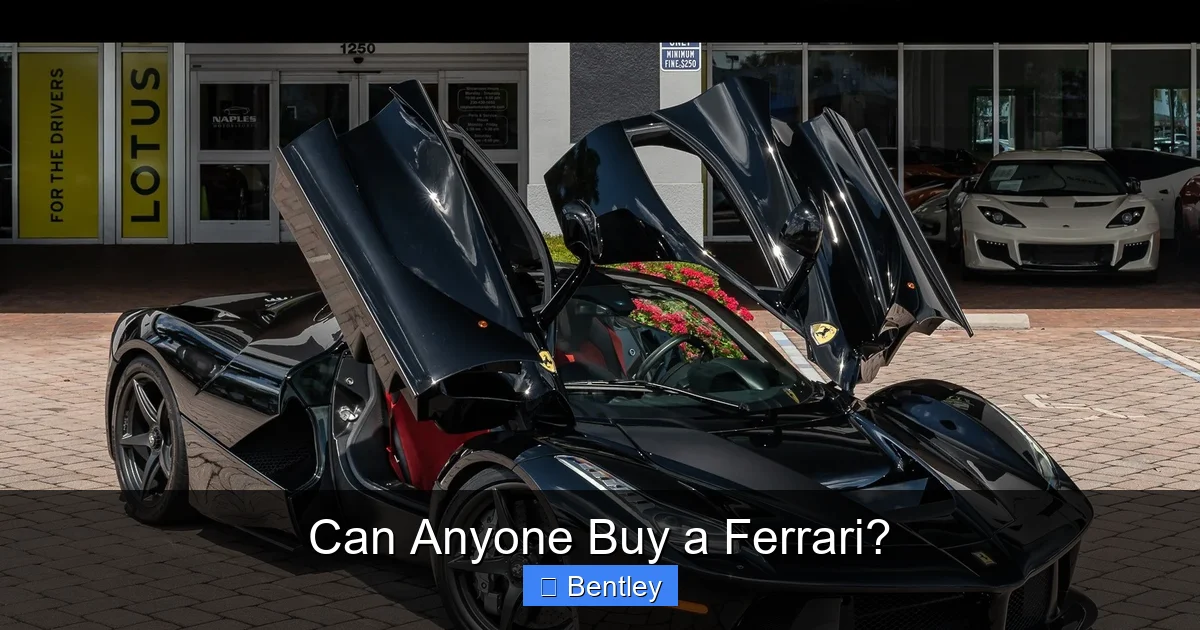
Visual guide about Can Anyone Buy a Ferrari?
Image source: vehicle-images.dealerinspire.com
Even if you have the money and meet the criteria, you might still be waiting. Ferrari’s production is intentionally limited. In 2023, the company produced just **13,221 vehicles**—fewer than Bentley, Lamborghini, or even McLaren. This scarcity fuels demand and keeps prices high.
But it’s not just about numbers. Ferrari uses a **managed allocation system**. Dealers receive a set number of cars each year, and they distribute them based on customer loyalty, purchase history, and relationship strength.
How the Allocation System Works
Imagine you walk into a Ferrari dealership in Miami. You’re wealthy, enthusiastic, and ready to buy. But the sales manager says, “We don’t have any F8 Tributos available right now.” Why? Because the allocation for that model has already been assigned.
Dealers prioritize:
– **Existing Ferrari owners** – If you already have a Ferrari, you’re first in line for upgrades.
– **Long-term customers** – Those who’ve bought multiple cars or used the service center regularly.
– **High-spending clients** – Buyers who’ve customized heavily or purchased rare models.
– **Local influencers** – People who promote the brand through events or social media.
Newcomers? They’re often placed on a waiting list. And if demand exceeds supply—which it usually does—you could wait 12–36 months.
Tips to Improve Your Chances
Want to speed up the process? Here’s what works:
– **Build a relationship with a dealer.** Visit regularly, attend events, and get to know the staff. Loyalty matters.
– **Buy a used Ferrari first.** Owning a 488 GTB makes you a known quantity. When a new model launches, you’ll be higher on the list.
– **Be flexible with models.** If the F8 is sold out, consider the Roma or Portofino. You’re still in the family.
– **Attend Ferrari events.** Track days, club meetings, and owner gatherings show your passion and commitment.
Remember: Ferrari isn’t just selling you a car. It’s inviting you into a community. The more you engage, the better your chances.
Beyond the Price Tag: The Hidden Costs of Ferrari Ownership
Owning a Ferrari isn’t just about the purchase price. There are ongoing costs that can surprise new owners.
Maintenance and Servicing
Ferraris require specialized care. Regular maintenance isn’t optional—it’s essential. A major service on an F8 Tributo can cost **$10,000–$15,000** every 12,000 miles. That includes oil changes, brake fluid, spark plugs, and software updates.
And if something breaks? Parts are expensive. A new exhaust system can run **$20,000+**. A replacement turbocharger? **$15,000–$25,000**. Labor rates at authorized centers are also high—often **$300–$500 per hour**.
Insurance
Insuring a Ferrari isn’t like insuring a sedan. Premiums depend on age, driving history, and location. A 40-year-old with a clean record in a low-risk area might pay **$8,000–$12,000/year**. Younger drivers or those in cities like New York or Los Angeles could pay **$20,000+**.
Comprehensive coverage is a must. Ferraris are theft targets, and repairs are costly. Some owners even use specialized insurers like Hagerty or Chubb, which understand classic and high-performance cars.
Storage and Security
You can’t just park a Ferrari on the street. Most owners use climate-controlled garages, security systems, and GPS trackers. If you live in an apartment, you’ll need to rent a secure parking spot—another **$200–$800/month** in major cities.
And if you drive it regularly, wear and tear adds up. Tires on a high-performance Ferrari last **10,000–15,000 miles** and cost **$1,500–$3,000 per set**. Brake pads? **$2,000–$4,000** for a full replacement.
Depreciation and Resale
While Ferraris hold value better than most cars, they still depreciate. A new Roma might lose 20–25% in the first year. But if you keep it well-maintained and low-mileage, you can recoup a significant portion when you sell.
The key is timing. Some models, like the LaFerrari or limited editions, appreciate over time. Others, like base-model GTs, depreciate steadily. Research market trends before buying.
Ferrari vs. Bentley: A Study in Luxury Philosophies
Now, let’s compare Ferrari to Bentley—a brand that also represents luxury, but with a different approach.
Bentley focuses on **comfort, craftsmanship, and grand touring**. Its cars, like the Continental GT or Bentayga, are designed for long-distance travel, plush interiors, and quiet refinement. Bentley buyers often value discretion, tradition, and understated elegance.
Ferrari, by contrast, is about **performance, passion, and emotion**. Its cars are built for speed, handling, and driver engagement. The sound of a V12, the grip of magnetic suspension, the thrill of 0–60 in 2.5 seconds—these are the priorities.
This difference affects ownership. Bentley is more accessible. You can walk into a dealership and drive away in a new Continental GT the same day. There’s no waiting list, no vetting process. Bentley produces more cars and targets a broader luxury audience.
Ferrari, on the other hand, is a **cult brand**. It’s not for everyone. It demands commitment, knowledge, and a certain lifestyle. That’s why Ferrari owners often feel a deeper connection to their cars. It’s not just transportation—it’s a statement.
Both are prestigious. Both are expensive. But they serve different dreams. Bentley says, “I’ve arrived.” Ferrari says, “I’m still chasing.”
Final Thoughts: Is a Ferrari Right for You?
So, can anyone buy a Ferrari? Technically, yes—if you have the money, patience, and respect for the brand. But it’s not as simple as writing a check. Ferrari ownership is a journey, not a transaction.
You’ll need to build relationships, understand the costs, and embrace the culture. You’ll likely wait months—or years—for your dream car. And even then, you’ll need to commit to maintenance, insurance, and care.
But for those who truly love driving, who appreciate engineering excellence, and who want to be part of an iconic legacy, it’s worth it. A Ferrari isn’t just a car. It’s a masterpiece on wheels.
If you’re serious about joining the prancing horse family, start by visiting a dealership, attending events, and learning the history. Buy a used model first if you can. Show your passion. Prove you’re not just a buyer—you’re a believer.
Because in the end, Ferrari doesn’t sell cars. It invites you into a story. And that’s something money can’t buy—but dedication can earn.
Frequently Asked Questions
Can I buy a Ferrari if I’ve never owned one before?
Yes, but it’s more difficult. Ferrari prefers repeat customers, so first-time buyers may face longer wait times or be offered less desirable models. Building a relationship with a dealer and starting with a used Ferrari can help.
How long is the wait for a new Ferrari?
Wait times vary by model and region, but most new Ferraris have a waiting list of 12 to 36 months. Popular models like the SF90 Stradale or 296 GTB often have the longest delays.
Is it cheaper to buy a used Ferrari?
Generally, yes. Used Ferraris avoid the initial depreciation hit and can be significantly cheaper than new ones. However, maintenance and repair costs should be factored in, especially for older models.
Do I need to be wealthy to own a Ferrari?
You need substantial financial resources. Beyond the purchase price, consider maintenance, insurance, storage, and potential repairs. Most owners have high incomes or significant assets.
Can I customize my Ferrari?
Absolutely. Through Ferrari’s Carrozzeria Scaglietti program, you can personalize paint, interior, wheels, and more. However, customization increases cost and delivery time.
Are Ferraris reliable?
Ferraris are engineered for performance, not daily reliability. With proper maintenance, they can be dependable, but they require expert care and aren’t ideal for everyday commuting.
