
What Is Coolant Liquid Refrigerant for Nissan?

Coolant liquid refrigerant for Nissan is a specialized fluid that regulates engine temperature and prevents overheating. It circulates through the engine and radiator, absorbing heat and transferring it away to ensure smooth operation. Using the right type and maintaining proper levels is critical for engine longevity and performance.
Key Takeaways
- Coolant liquid refrigerant regulates engine temperature: It absorbs heat from the engine and releases it through the radiator, preventing overheating and damage.
- Nissan recommends specific coolant types: Using Nissan-approved coolant ensures compatibility and protects engine components from corrosion and wear.
- Regular maintenance is essential: Coolant should be checked and replaced every 30,000 to 60,000 miles or as specified in your owner’s manual.
- Mixing coolants can cause problems: Different formulations may react poorly, leading to sludge, clogging, or reduced efficiency.
- Signs of low or bad coolant include overheating and leaks: Watch for dashboard warnings, sweet smells, or puddles under your car.
- DIY checks are simple and helpful: You can inspect coolant levels and color at home with basic tools and knowledge.
- Professional service ensures accuracy: Mechanics can perform pressure tests and flush systems to maintain peak performance.
📑 Table of Contents
What Is Coolant Liquid Refrigerant for Nissan?
If you own a Nissan, you’ve probably heard the term “coolant” thrown around during routine maintenance or when your check engine light comes on. But what exactly is coolant liquid refrigerant, and why is it so important for your Nissan? Simply put, coolant—sometimes referred to as antifreeze or engine coolant—is a vital fluid that keeps your engine from overheating. It’s not the same as the refrigerant used in your air conditioning system, though both play cooling roles in different parts of your vehicle.
For Nissan vehicles, the coolant liquid refrigerant is a specially formulated mixture designed to protect the engine under extreme temperatures. Whether you’re driving through scorching summer heat or freezing winter conditions, this fluid ensures your engine stays within the optimal temperature range. Without it, your engine could overheat, warp, or even seize—leading to costly repairs. Think of it as your car’s internal air conditioning system, working quietly behind the scenes to keep everything running smoothly.
But coolant isn’t just about cooling. It also prevents corrosion, lubricates key components like the water pump, and protects against freezing in cold climates. Nissan engineers design their engines with specific coolant requirements in mind, so using the right type is crucial. Using the wrong coolant or neglecting maintenance can lead to reduced efficiency, engine damage, and even complete failure. That’s why understanding what coolant liquid refrigerant is and how it works is essential for every Nissan owner who wants to keep their vehicle reliable and long-lasting.
How Coolant Works in Your Nissan Engine
Visual guide about What Is Coolant Liquid Refrigerant for Nissan?
Image source: d2n97g4vasjwsk.cloudfront.net
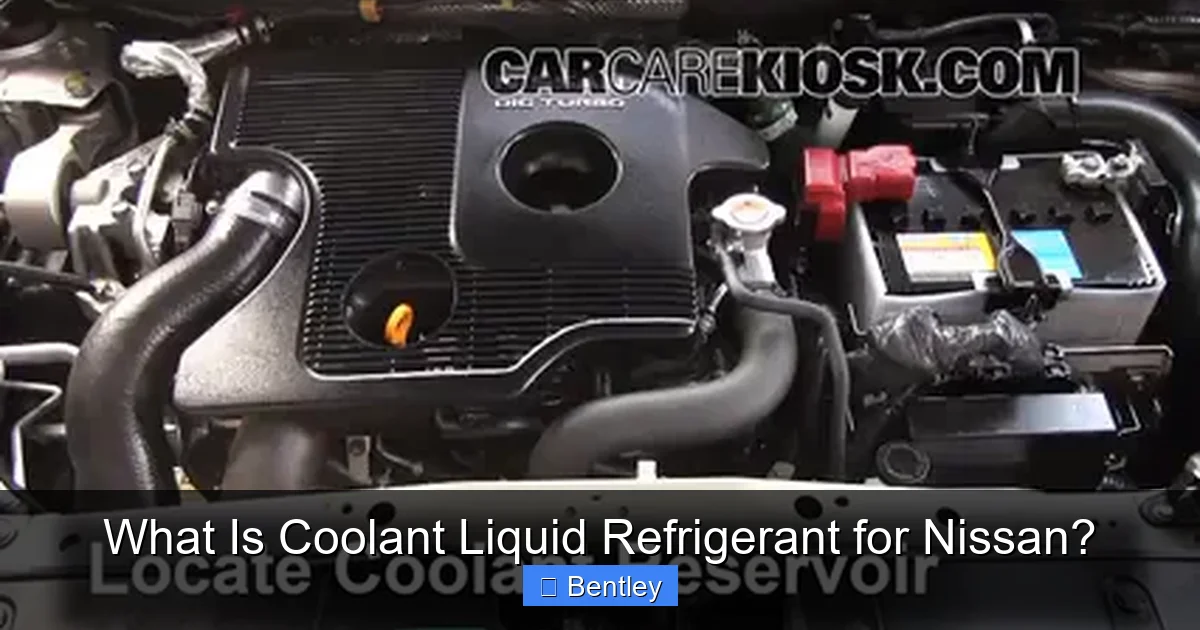
To truly appreciate the role of coolant liquid refrigerant in your Nissan, it helps to understand how it moves through your engine. The cooling system is a closed loop that includes the radiator, water pump, thermostat, hoses, and engine block. When your engine runs, it generates intense heat—up to 4,500 degrees Fahrenheit in the combustion chamber. Without proper cooling, this heat would quickly destroy engine parts.
As the engine heats up, the coolant—typically a 50/50 mix of antifreeze and distilled water—begins to circulate. The water pump pushes the coolant through passages in the engine block and cylinder head, where it absorbs heat. Once heated, the coolant flows to the radiator at the front of the car. Here, air passing through the radiator fins cools the fluid down. A fan may also kick in to increase airflow, especially when the car is idling or moving slowly.
The cooled coolant then returns to the engine to repeat the cycle. This continuous flow keeps engine temperatures stable. The thermostat acts as a gatekeeper, regulating when coolant flows based on temperature. When the engine is cold, the thermostat stays closed, allowing the engine to warm up quickly. Once it reaches operating temperature, the thermostat opens, letting coolant circulate.
One key feature of Nissan’s cooling system is its precision. Modern Nissans use advanced materials and designs that require specific coolant formulations. For example, some models use aluminum components that are sensitive to certain chemicals. Using the wrong coolant can lead to corrosion, leaks, or even radiator failure. That’s why Nissan recommends using only approved coolants, such as Nissan Premium Long Life Antifreeze/Coolant or equivalent Genuine Nissan Coolant.
Types of Coolant Used in Nissan Vehicles
Not all coolants are created equal, and Nissan vehicles are no exception. Over the years, Nissan has evolved its coolant specifications to match advancements in engine technology. Today, most Nissan models use one of two primary types of coolant: Organic Acid Technology (OAT) or Hybrid Organic Acid Technology (HOAT).
OAT coolants are known for their long service life—often lasting up to 100,000 miles or five years. They contain organic acids that provide excellent corrosion protection without the need for frequent additives. Nissan’s Genuine Long Life Coolant is an OAT-based formula designed specifically for their engines. It’s compatible with aluminum, plastic, and rubber components commonly found in modern Nissans.
HOAT coolants, on the other hand, blend organic acids with traditional inorganic additives. These are often used in older Nissan models or in regions with extreme weather conditions. While they offer strong protection, they typically require more frequent changes—around 30,000 to 50,000 miles.
It’s important to note that mixing different types of coolant can cause chemical reactions that reduce effectiveness or create sludge. For example, mixing an OAT coolant with a traditional green inorganic coolant can lead to gel formation, clogging passages and reducing flow. Always check your owner’s manual or consult a Nissan service center to confirm the correct type for your vehicle.
The Role of Additives in Coolant
Coolant isn’t just water and antifreeze—it’s a carefully balanced cocktail of additives that protect your engine. These additives serve several critical functions. First, they prevent corrosion. Metal parts in the engine and radiator are constantly exposed to moisture and heat, which can lead to rust and pitting. Additives like silicates and phosphates form a protective layer on metal surfaces, slowing down corrosion.
Second, additives help prevent scale buildup. Hard water contains minerals like calcium and magnesium that can deposit on engine surfaces, reducing heat transfer and clogging narrow passages. Coolant additives inhibit these deposits, keeping the system clean.
Third, some additives act as lubricants. The water pump, which circulates coolant, relies on the fluid to reduce friction and wear. Without proper lubrication, the pump can fail prematurely, leading to overheating.
Finally, modern coolants include pH buffers to maintain a stable acidity level. If the coolant becomes too acidic, it can eat away at gaskets and seals. Buffers help keep the pH in the safe range, ensuring long-term protection.
Nissan’s proprietary coolant formulations are designed to deliver all these benefits in harmony with their engine materials. That’s why using generic or off-brand coolants can be risky—they may not contain the right balance of additives for your specific model.
Signs Your Nissan Needs Coolant Service
Visual guide about What Is Coolant Liquid Refrigerant for Nissan?
Image source: i.ytimg.com
Even with the best maintenance, coolant doesn’t last forever. Over time, it breaks down, loses its protective properties, and can become contaminated. Knowing the signs that your Nissan needs coolant service can save you from a breakdown or expensive repair.
One of the most obvious signs is overheating. If your temperature gauge climbs into the red zone or you see steam coming from under the hood, your engine is too hot. This could mean low coolant levels, a leak, or a failing water pump. Don’t ignore it—pull over safely and turn off the engine.
Another common symptom is a sweet, syrupy smell inside or outside the car. Coolant has a distinct odor, and if you notice it while driving or parked, there may be a leak. Check under your car for puddles—coolant is usually bright green, orange, or pink and feels slippery to the touch.
You might also see warning lights on your dashboard. Many Nissans have a coolant temperature warning light that looks like a thermometer in water. If it illuminates, it’s time to check your coolant level and condition.
Low coolant levels are another red flag. If you frequently need to top off the reservoir, there’s likely a leak somewhere in the system. Common leak points include radiator hoses, the radiator itself, the water pump, or the heater core. A professional inspection can help pinpoint the source.
Finally, watch for changes in coolant color or consistency. Fresh coolant is usually bright and translucent. If it looks rusty, cloudy, or has particles floating in it, it’s time for a change. Sludge or gel formation indicates chemical breakdown or contamination, which can block coolant flow.
How to Check Coolant Levels at Home
Checking your coolant level is one of the easiest DIY maintenance tasks you can do. Here’s how to do it safely and correctly.
First, make sure your engine is cool. Never open the radiator cap when the engine is hot—pressurized coolant can spray out and cause severe burns. Wait at least 30 minutes after driving.
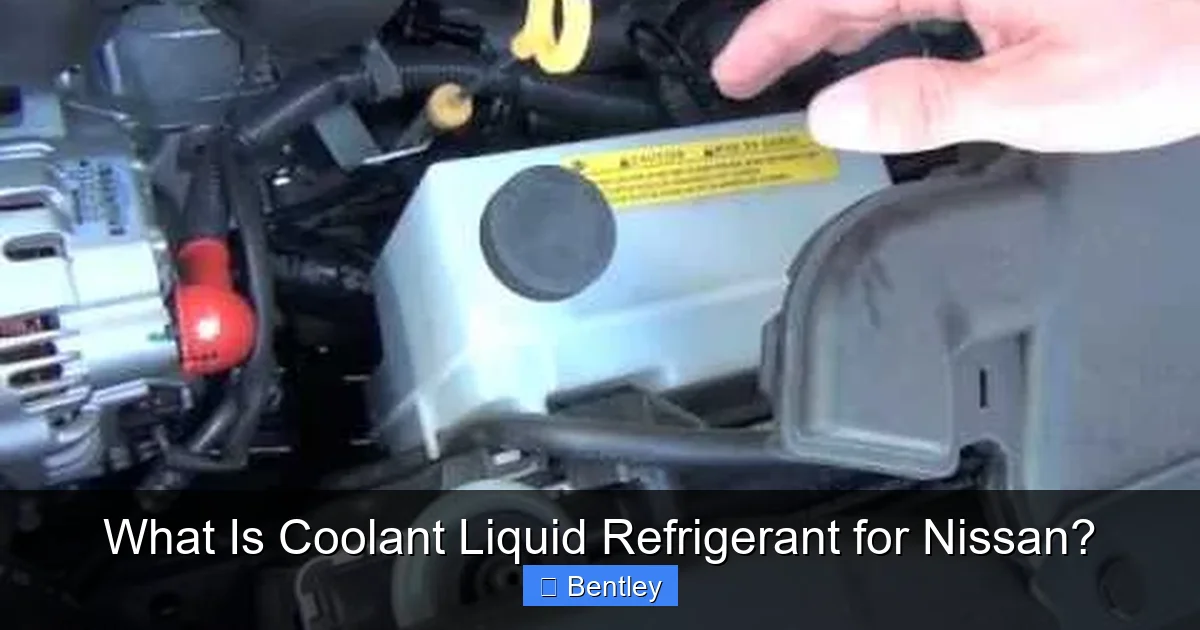
Locate the coolant reservoir. In most Nissans, it’s a translucent plastic tank near the radiator, labeled “ coolant” or “antifreeze.” It has “MIN” and “MAX” markings on the side.
Check the level. The coolant should be between the MIN and MAX lines. If it’s below MIN, you’ll need to add more. Use only the type recommended by Nissan—usually a 50/50 mix of coolant and distilled water.
If the reservoir is empty or very low, inspect for leaks. Look under the car, around hoses, and near the radiator. If you find a leak, have it repaired before adding coolant.
When adding coolant, pour it slowly into the reservoir until it reaches the MAX line. Don’t overfill. Replace the cap securely.
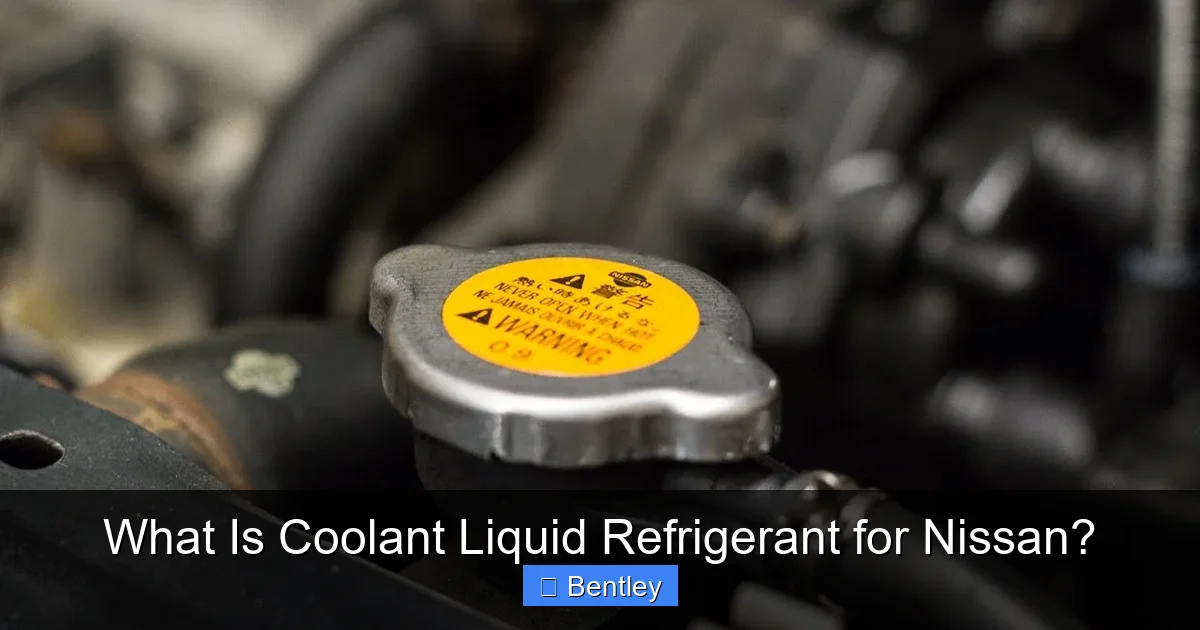
For a more thorough check, some Nissans have a radiator cap that can be removed (only when cool). This allows you to see the actual coolant level in the radiator. But be cautious—only do this if you’re comfortable and the engine is completely cool.
When to Replace Coolant in Your Nissan
Coolant doesn’t last forever. Even high-quality formulations degrade over time. Nissan recommends replacing coolant based on mileage and time, whichever comes first.
For most newer Nissans, the interval is every 60,000 to 100,000 miles or every five years. However, some older models may require changes every 30,000 miles. Always refer to your owner’s manual for the exact schedule.
Driving conditions also affect coolant life. If you frequently drive in extreme heat, cold, or dusty environments, your coolant may break down faster. Towing heavy loads or stop-and-go traffic can also increase engine stress and coolant wear.
During a coolant replacement, a technician will drain the old fluid, flush the system with clean water or a cleaning solution, and refill it with fresh coolant. This removes contaminants and ensures optimal performance.
Skipping coolant changes can lead to corrosion, overheating, and reduced fuel efficiency. It’s a small investment that pays big dividends in engine health.
Choosing the Right Coolant for Your Nissan
Visual guide about What Is Coolant Liquid Refrigerant for Nissan?
Image source: i.ytimg.com
With so many coolant options on the market, choosing the right one for your Nissan can be confusing. The best approach is to stick with what Nissan recommends. Using the wrong coolant can void your warranty and damage your engine.
Nissan’s official coolant is labeled “Genuine Nissan Long Life Antifreeze/Coolant.” It’s an OAT-based formula designed for modern Nissan engines. It’s available at Nissan dealerships and authorized parts retailers.
If you can’t find the genuine product, look for coolants that meet Nissan’s specifications. These are often labeled as “Nissan NS-2” or “Nissan Premium” compatible. Common equivalents include Prestone Extended Life Antifreeze/Coolant and Peak Long Life Antifreeze.
Avoid using traditional green coolant (IAT) in newer Nissans. It’s designed for older vehicles and can cause corrosion in aluminum components. Also, never use pure antifreeze without mixing it with distilled water—this can reduce heat transfer and increase the risk of freezing.
When in doubt, consult your owner’s manual or a Nissan service technician. They can confirm the correct type and help you avoid costly mistakes.
Can You Mix Coolants?
Mixing coolants is a common question among Nissan owners. The short answer is: it depends.
In an emergency, you can top off with a compatible coolant if your reservoir is low. For example, if you’re using Nissan OAT coolant, you can add more of the same type or a compatible OAT formula. But avoid mixing OAT with HOAT or traditional green coolant.
Mixing incompatible types can cause chemical reactions that form sludge or gel. This can clog the radiator, water pump, and heater core, leading to overheating and reduced performance.
If you accidentally mix coolants, have the system flushed as soon as possible. A professional flush will remove the old mixture and refill it with the correct coolant.
DIY vs. Professional Coolant Service
Some Nissan owners prefer to handle coolant maintenance themselves. While checking levels and topping off is safe for most people, a full coolant replacement is more complex.
A professional service includes draining the system, flushing it thoroughly, and refilling with the correct mixture. Technicians also inspect hoses, the radiator, and the water pump for wear.
DIY flushes are possible but require care. You’ll need to drain the coolant, flush with water, and refill properly. Disposal of old coolant must be done responsibly—never pour it down the drain or on the ground.
For peace of mind and accuracy, many owners choose professional service. It ensures the job is done right and may be covered under warranty.
Maintaining Your Nissan’s Cooling System
Coolant is just one part of your Nissan’s cooling system. To keep everything running smoothly, regular maintenance is key.
Inspect hoses and belts during oil changes. Look for cracks, bulges, or leaks. Replace worn parts before they fail.
Check the radiator for dirt, bugs, or debris. A clogged radiator reduces airflow and cooling efficiency. Use a soft brush or compressed air to clean it gently.
Test the radiator cap. A faulty cap can’t maintain pressure, leading to overheating. Most caps should be replaced every few years.
Monitor the water pump. Listen for whining or grinding noises, which may indicate bearing failure. Leaks around the pump are also a warning sign.
Finally, keep an eye on the thermostat. If your engine takes too long to warm up or overheats quickly, the thermostat may be stuck.
Seasonal Coolant Tips
Your coolant needs may change with the seasons. In winter, ensure your coolant has adequate freeze protection—usually down to -34°F for a 50/50 mix. In summer, check levels more often, as evaporation can reduce volume.
Park in the shade when possible to reduce heat buildup. Use a windshield sunshade to keep the interior cooler.
Conclusion
Coolant liquid refrigerant is the unsung hero of your Nissan’s engine. It keeps temperatures in check, prevents corrosion, and ensures reliable performance in all conditions. By understanding how it works, choosing the right type, and maintaining it properly, you can extend the life of your engine and avoid costly repairs.
Whether you’re checking levels at home or scheduling a professional service, staying on top of coolant care is one of the smartest things you can do for your Nissan. It’s a small effort with big rewards—keeping your car running smoothly mile after mile.
Frequently Asked Questions
What happens if I use the wrong coolant in my Nissan?
Using the wrong coolant can cause corrosion, sludge formation, and reduced cooling efficiency. It may damage aluminum components and lead to overheating or engine failure.
How often should I check my Nissan’s coolant level?
Check the coolant level every month or before long trips. Also inspect it during oil changes to catch leaks or low levels early.
Can I use water instead of coolant in an emergency?
In a pinch, you can use distilled water to top off, but only temporarily. Water lacks corrosion inhibitors and can freeze or boil, so replace it with proper coolant as soon as possible.
Is Nissan coolant the same as other brands?
Nissan coolant is formulated specifically for their engines. While some equivalents exist, always verify compatibility to avoid damage.
Why is my coolant disappearing?
Low coolant levels often indicate a leak. Common causes include damaged hoses, a cracked radiator, or a failing water pump. Have it inspected promptly.
Can I drive with low coolant?
Driving with low coolant risks overheating and engine damage. If the level is below MIN, add coolant or have the system checked before driving.
