
What Is Shift Lock Release on Hyundai?

The shift lock release on Hyundai vehicles is a safety feature that prevents accidental gear shifts when the brake pedal isn’t pressed. It ensures your car stays in Park until you’re ready to drive, enhancing safety and preventing unintended movement.
Key Takeaways
- What It Is: The shift lock release is a safety mechanism that keeps the gear shifter locked in Park until the brake pedal is pressed.
- How It Works: It uses an electronic or mechanical lock that disengages only when the brake is applied and the ignition is on.
- When to Use It: You may need to manually override it if the car loses power, the battery dies, or the system malfunctions.
- Location Varies: The release button or lever is usually near the shifter, often under a small cover or marked with a symbol.
- Safety First: Always ensure the vehicle is on level ground and the parking brake is engaged before using the manual release.
- Common Issues: A dead battery, faulty brake light switch, or electrical glitch can trigger the need for manual release.
- Regular Checks: Test the shift lock function periodically to ensure it’s working properly and avoid surprises.
📑 Table of Contents
What Is Shift Lock Release on Hyundai?
Have you ever hopped into your Hyundai, turned the key, and found that your gear shifter won’t budge from Park? It’s not broken—it’s working exactly as designed. That’s the shift lock release system in action. This clever safety feature is standard on most modern Hyundai vehicles, including popular models like the Elantra, Sonata, Tucson, and Santa Fe. Its job? To prevent accidental gear shifts that could lead to unintended vehicle movement.
The shift lock release is part of a broader safety protocol built into automatic transmissions. It ensures that the shifter can only be moved out of Park when the brake pedal is pressed and the ignition is on. This simple yet effective mechanism reduces the risk of rolling away or sudden acceleration caused by shifting gears unintentionally. Think of it as a digital handshake between your foot and the transmission—no brake, no shift.
But what happens when this system doesn’t work as expected? Maybe your battery died overnight, or you’re trying to move your car in an emergency. That’s where the manual shift lock release comes in. It’s a backup method that lets you override the electronic lock and shift the car into Neutral so you can tow it or move it safely. Understanding how and when to use this feature can save you time, stress, and potentially costly repairs.
How Does the Shift Lock Release Work?
Visual guide about What Is Shift Lock Release on Hyundai?
Image source: paulstravelpictures.com
At its core, the shift lock release system is an electronic safety interlock. It’s designed to prevent the gear shifter from being moved out of Park unless specific conditions are met. These conditions typically include having the ignition in the “On” position and pressing the brake pedal. When both are satisfied, an electronic signal is sent to a solenoid or actuator near the shifter, which unlocks the mechanism and allows you to shift into Drive, Reverse, or other gears.
This system is closely tied to the brake light switch. When you press the brake pedal, it activates the brake lights—and also sends a signal to the transmission control module (TCM) or body control module (BCM). The TCM then verifies that the brake is pressed and the ignition is on before releasing the shift lock. It’s a seamless process that most drivers don’t even notice—until something goes wrong.
For example, imagine you’re parked in a tight garage and your Hyundai’s battery dies. You can’t start the car, so the ignition isn’t on, and the shift lock remains engaged. Without power, the electronic lock won’t disengage, even if you press the brake. That’s when you’ll need to use the manual shift lock release. It’s a mechanical override that bypasses the electronic system, allowing you to shift into Neutral so you can push or tow the vehicle.
Electronic vs. Mechanical Shift Lock Systems
Not all Hyundai models use the same type of shift lock system. Some rely entirely on electronic controls, while others include a mechanical backup. In newer models, the system is almost entirely electronic, with a small solenoid that physically blocks the shifter until the correct conditions are met. Older models or base trims might use a cable-operated mechanism, but the principle remains the same.
The electronic systems are more precise and integrate well with other vehicle safety features, such as keyless entry and push-button start. However, they’re also more dependent on electrical power. If the battery is weak or dead, the system may not function, making the manual release essential.
Mechanical systems, while less common today, are simpler and don’t rely on electricity. They often use a spring-loaded pin or lever that must be depressed to unlock the shifter. These are less prone to electrical failure but may wear out over time.
The Role of the Brake Light Switch
One of the most common reasons the shift lock doesn’t release is a faulty brake light switch. This small component sits above the brake pedal and detects when the pedal is pressed. If it fails, the car doesn’t “know” you’re braking, so it won’t unlock the shifter—even if you’re pressing the pedal hard.
Symptoms of a bad brake light switch include brake lights that stay on, don’t turn on at all, or flicker. You might also notice that the shift lock doesn’t release when you press the brake. In some cases, the car may not start at all, as the system interprets the lack of brake input as a safety risk.
Replacing a brake light switch is usually a straightforward job, but it’s important to use the correct part for your Hyundai model. A mismatched switch can cause further issues or fail prematurely.
Where Is the Shift Lock Release Located?

Visual guide about What Is Shift Lock Release on Hyundai?
Image source: paulstravelpictures.com
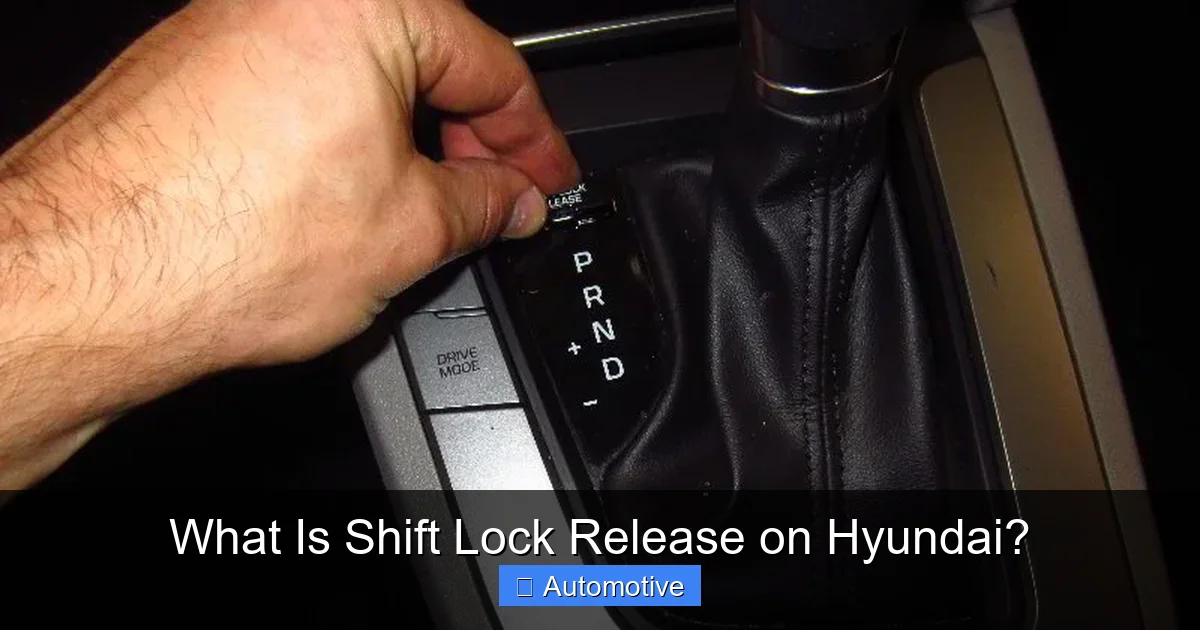
The location of the manual shift lock release varies slightly depending on your Hyundai model and year, but it’s typically found near the gear shifter. In most cases, it’s a small button or slot hidden under a plastic cover. You’ll need a small tool—like a key, paperclip, or flathead screwdriver—to access it.
For example, in the Hyundai Elantra, the release is often located on the side of the shifter console, just below the gear selector. There’s usually a small rectangular cover with a symbol that looks like a shifter with an arrow. Prying this cover off reveals a small hole where you can insert your tool to manually release the lock.
In the Hyundai Santa Fe or Tucson, the release might be on the front or side of the shifter assembly. Some models have a small lever that you can lift or push, while others require you to press a button through a slot. Always refer to your owner’s manual for the exact location and instructions.
How to Access the Shift Lock Release
To use the manual shift lock release, follow these steps:
1. Turn the ignition to the “On” position (or press the start button without pressing the brake, if your car has push-button start).
2. Locate the shift lock release cover near the shifter.
3. Use a small, sturdy tool to gently pry off the cover.
4. Insert the tool into the slot or press the button inside.
5. While holding the release, move the shifter from Park to Neutral.
6. Once in Neutral, you can push or tow the vehicle.
It’s important to note that you should only use the manual release when necessary—such as when the battery is dead or the system malfunctions. Using it unnecessarily can damage the shifter mechanism.
Visual Cues and Symbols
Hyundai often includes visual cues to help drivers find the shift lock release. Look for a small icon on the console that resembles a gear shifter with an arrow pointing down or to the side. This symbol indicates where the release is located. Some models also have a label or embossed marking near the shifter.
If you’re unsure, consult your owner’s manual. Hyundai provides detailed diagrams and instructions for each model. You can usually find a digital copy online if you’ve misplaced the physical one.
When Do You Need to Use the Shift Lock Release?

Visual guide about What Is Shift Lock Release on Hyundai?
Image source: automotiveaddicts.com
The shift lock release is designed for emergencies and specific situations where the normal electronic system can’t function. Here are the most common scenarios when you’ll need to use it:
Dead or Weak Battery
A dead battery is the number one reason drivers need the manual shift lock release. Without power, the ignition can’t send the signal to unlock the shifter. Even if you jump-start the car, it may take a moment for the electronics to reset. In the meantime, the shifter remains locked.
If your Hyundai won’t start and the shifter won’t move, check the battery first. Use a multimeter or have it tested at an auto parts store. If it’s below 12 volts, it may not have enough power to run the shift lock system.
Towing or Flat Towing
If your Hyundai needs to be towed, it must be in Neutral. But if the car won’t start, you can’t shift into Neutral electronically. That’s where the manual release comes in. It allows you to shift the transmission into Neutral so the vehicle can be safely towed without damaging the transmission.
Always check your owner’s manual for towing instructions. Some Hyundai models require a specific towing method, such as using a flatbed truck or disconnecting the driveshaft. Improper towing can cause serious damage.
Electrical or Sensor Malfunction
Sometimes, the shift lock system fails due to an electrical issue. A blown fuse, corroded wiring, or a faulty sensor can prevent the system from working. For example, if the brake light switch is stuck open, the car may think the brake is always pressed—or never pressed—causing the shift lock to behave unpredictably.
In these cases, the manual release lets you get the car moving while you diagnose the problem. However, it’s important to have the issue repaired as soon as possible to restore full functionality.
Keyless Entry or Push-Button Start Issues
Hyundai models with keyless entry and push-button start rely on electronic signals to unlock the shifter. If the key fob battery is dead or the system loses communication, the car may not recognize that you’re trying to start it. This can prevent the shift lock from releasing.
In such cases, try holding the key fob near the start button or using the physical key blade to unlock the door. Once inside, use the manual shift lock release to shift into Neutral, then attempt to start the car.
Common Problems and Troubleshooting
While the shift lock release is a reliable system, it’s not immune to problems. Here are some common issues and how to troubleshoot them:
Shifter Stuck in Park
If your shifter won’t move from Park, first check if the brake lights are working. If they’re not, the brake light switch may be faulty. Try pressing the brake pedal firmly a few times—sometimes a sticky switch will respond to repeated use.
If the brake lights work but the shifter still won’t move, try turning the ignition on and off a few times. This can reset the electronic system. If that doesn’t work, use the manual shift lock release.
Brake Pedal Feels Stiff or Unresponsive
A stiff brake pedal can make it hard to press the brake far enough to trigger the shift lock. This is often due to a vacuum leak or brake booster issue. If the pedal feels hard and the car won’t shift, have the brake system inspected immediately.
Intermittent Shift Lock Failure
If the shift lock works sometimes but not others, it could be a loose connection or a failing sensor. Check the wiring harness near the shifter and brake pedal for damage or corrosion. A mechanic can run a diagnostic scan to check for error codes related to the transmission or brake system.
Aftermarket Modifications
Installing aftermarket parts—like a new shifter knob or console trim—can sometimes interfere with the shift lock mechanism. If you’ve recently modified your Hyundai and the shifter is stuck, double-check that nothing is blocking the movement or pressing on the release button.
Safety Tips and Best Practices
Using the shift lock release is safe when done correctly, but it’s important to follow a few guidelines to avoid accidents or damage:
Always Use the Parking Brake
Before using the manual release, make sure the parking brake is fully engaged. This prevents the car from rolling, especially on inclines. Even in Neutral, a vehicle can move if it’s not properly secured.
Work on Level Ground
Whenever possible, use the shift lock release on a flat, level surface. This reduces the risk of the car rolling and makes it easier to control.
Don’t Force the Shifter
If the shifter won’t move even after using the release, don’t force it. Forcing the mechanism can damage the transmission or shifter linkage. Instead, check for obstructions or consult a professional.
Test the System Regularly
Make it a habit to test the shift lock function every few months. Turn on the ignition, press the brake, and try shifting out of Park. This ensures the system is working and helps you identify issues early.
Keep Tools Handy
Store a small tool—like a flathead screwdriver or paperclip—in your glove compartment or center console. You never know when you’ll need it to access the shift lock release.
Conclusion
The shift lock release on Hyundai vehicles is a vital safety feature that protects drivers from accidental gear shifts. By locking the shifter in Park until the brake is pressed, it prevents unintended movement and enhances overall driving safety. While the system is designed to work seamlessly, there are times—like a dead battery or electrical故障—when you’ll need to use the manual override.
Knowing where the shift lock release is located and how to use it can save you from frustration and costly towing fees. Whether you drive an Elantra, Sonata, or Santa Fe, this feature is there to help in emergencies. Just remember to use it responsibly, follow safety precautions, and address any underlying issues that cause the system to fail.
Understanding your Hyundai’s shift lock release isn’t just about convenience—it’s about being prepared. With this knowledge, you can handle unexpected situations with confidence and keep your vehicle running smoothly for years to come.
Frequently Asked Questions
What is the shift lock release on a Hyundai?
The shift lock release is a safety feature that prevents the gear shifter from moving out of Park unless the brake pedal is pressed and the ignition is on. It ensures the vehicle doesn’t shift accidentally.
Where is the shift lock release located on a Hyundai?
It’s usually near the gear shifter, often under a small plastic cover marked with a shifter symbol. Use a key or tool to access it.
Can I drive my Hyundai if the shift lock won’t release?
No, you can’t drive it normally. Use the manual release to shift into Neutral, then have the issue diagnosed and repaired.
Why won’t my Hyundai shifter move from Park?
Common causes include a dead battery, faulty brake light switch, or electrical issue. Check the brake lights and battery first.
Is it safe to use the shift lock release frequently?
No, it’s meant for emergencies only. Frequent use can damage the shifter mechanism. Address the root cause instead.
Can a bad battery cause shift lock problems?
Yes, a weak or dead battery can prevent the electronic shift lock from working, requiring the manual release to shift the car.
