
When Buying a Used Car

Buying a used car can save you thousands—if you do it right. This guide walks you through every step, from research and inspection to negotiation and paperwork, so you drive away with a reliable vehicle and peace of mind.
Key Takeaways
- Research is your best friend: Know the make, model, year, and fair market value before you even look at a car.
- Always check the vehicle history report: Services like Carfax or AutoCheck reveal accidents, title issues, and odometer fraud.
- Get a professional inspection: A trusted mechanic can spot hidden problems that sellers might miss or hide.
- Test drive like you mean it: Pay attention to how the car sounds, feels, and handles—don’t rush this step.
- Negotiate with confidence: Use your research and inspection findings to justify your offer and avoid overpaying.
- Understand the paperwork: Ensure the title is clean, registration is transferable, and all documents are in order before handing over cash.
- Consider certified pre-owned (CPO) vehicles: They often come with warranties and have passed rigorous inspections.
📑 Table of Contents
- When Buying a Used Car: Your Complete Guide to Making a Smart Purchase
- Start with Research: Know What You Want and What It’s Worth
- Where to Buy: Dealerships vs. Private Sellers
- Check the Vehicle History Report: Don’t Skip This Step
- Inspect the Car: Look, Listen, and Feel
- Get a Professional Inspection: Worth Every Penny
- Negotiate the Price: Use Facts, Not Emotions
- Finalize the Paperwork: Don’t Skip the Details
- Consider Certified Pre-Owned (CPO) Vehicles
- Final Thoughts: Drive Away Confident
When Buying a Used Car: Your Complete Guide to Making a Smart Purchase
So you’re thinking about buying a used car. Maybe your current ride is on its last legs, or you’re ready to upgrade without breaking the bank. Whatever your reason, you’re making a smart move—used cars offer incredible value, especially when you know what to look for. But let’s be honest: the used car market can feel a little like the Wild West. Private sellers, dealerships, online listings, and “as-is” deals—there’s a lot to navigate.
The good news? With the right knowledge and a bit of patience, you can find a reliable, affordable vehicle that fits your lifestyle and budget. This guide will walk you through every step of the process, from initial research to driving off the lot (or driveway) with your new-to-you car. We’ll cover how to spot red flags, what questions to ask, and how to avoid common pitfalls. By the end, you’ll feel confident, informed, and ready to make a purchase you won’t regret.
Start with Research: Know What You Want and What It’s Worth
Visual guide about When Buying a Used Car
Image source: quicksetautoglass.com
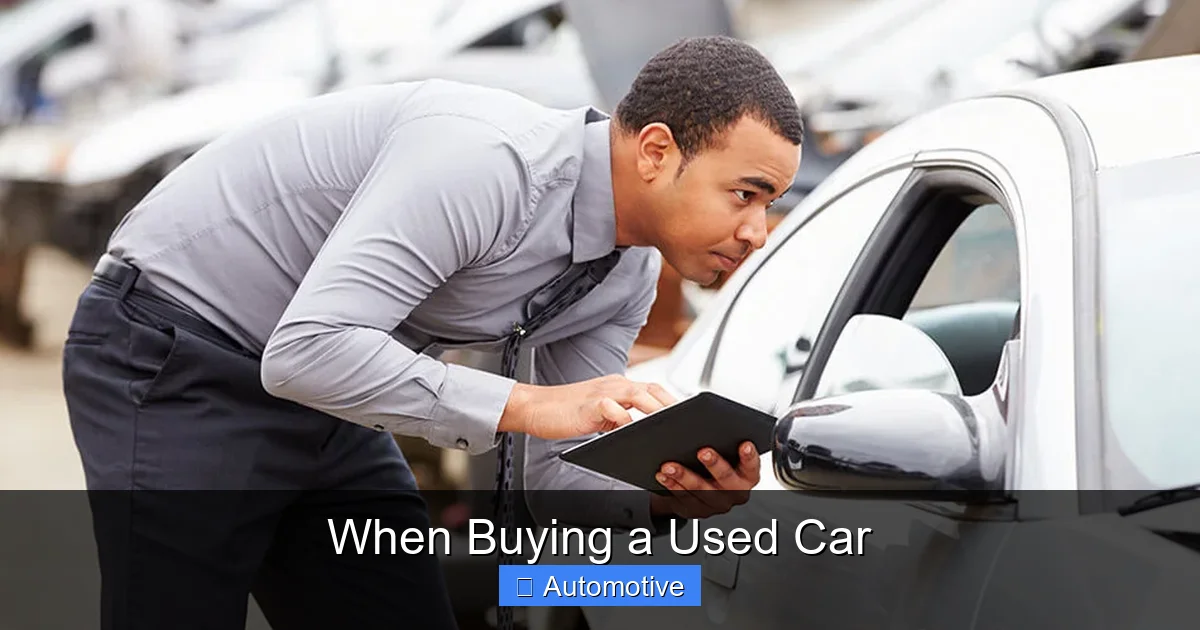
Before you even glance at a car listing, take time to do your homework. Research is the foundation of a successful used car purchase. Start by asking yourself: What do I need this car for? Are you commuting daily, hauling kids, or heading off-road on weekends? Your lifestyle will help narrow down the type of vehicle that makes sense.
Next, decide on a few makes and models that fit your needs. For example, if fuel efficiency is a priority, consider a Toyota Prius or Honda Civic. If you need space and safety for a growing family, a Subaru Outback or Honda CR-V might be ideal. Once you’ve narrowed it down, dig into reliability ratings, common issues, and owner reviews. Websites like Kelley Blue Book (KBB), Edmunds, and Consumer Reports are goldmines of information.
But don’t stop there. You also need to know what a fair price looks like. Use pricing tools on KBB or Edmunds to check the “fair market range” for the car you’re interested in, based on its year, mileage, condition, and location. This gives you a solid baseline for negotiation. For example, a 2018 Honda Accord with 60,000 miles might be listed at $18,000, but if the fair market value is $16,500, you’ll know you’re overpaying unless the car has exceptional features or condition.
Pro tip: Set a budget—and stick to it. Include not just the purchase price, but also taxes, registration, insurance, and potential repairs. A car that seems like a steal might cost you more in the long run if it needs frequent maintenance.
Where to Buy: Dealerships vs. Private Sellers
Visual guide about When Buying a Used Car
Image source: activecarremoval.com.au
Once you know what you’re looking for, it’s time to decide where to buy. The two main options are dealerships and private sellers, each with pros and cons.
Buying from a Dealership
Dealerships offer convenience and peace of mind. Reputable dealers often inspect vehicles before selling, and many offer certified pre-owned (CPO) programs. These CPO cars have passed multi-point inspections, come with extended warranties, and sometimes include perks like roadside assistance. Plus, dealerships are regulated and must follow certain consumer protection laws, which can make the process feel safer.
However, dealerships typically charge more than private sellers. They have overhead costs—showrooms, staff, advertising—that get baked into the price. You might also face pressure from salespeople to add extras like extended warranties, paint protection, or fabric treatments. While some of these can be useful, many are overpriced and unnecessary.
Buying from a Private Seller
Private sellers usually offer lower prices because they don’t have the same overhead. You’re buying directly from the owner, which can mean more room to negotiate. Private sales also tend to be faster—no waiting for financing approvals or paperwork processing.
But there are risks. Private sellers aren’t required to disclose everything, and “as-is” sales mean you’re taking the car with all its flaws. There’s also a higher chance of encountering scams, especially on online marketplaces. Always meet in a public place, bring a friend, and never wire money or send deposits without seeing the car in person.
Online Marketplaces: A Middle Ground
Platforms like CarGurus, Autotrader, and even Facebook Marketplace blend elements of both options. You can filter by price, mileage, and location, and some sites offer vehicle history reports directly in the listing. Some even connect you with certified dealers or allow you to schedule inspections through their network.
No matter where you buy, remember: the seller’s story matters, but the car’s condition matters more. A friendly seller with a sad story about why they’re selling isn’t a substitute for a clean title and solid mechanical condition.
Check the Vehicle History Report: Don’t Skip This Step

Visual guide about When Buying a Used Car
Image source: spyne.ai
You wouldn’t buy a house without checking for leaks or foundation issues—so why skip this step with a car? A vehicle history report is one of the most important tools in your used car buying toolkit.
What’s in a Vehicle History Report?
Reports from services like Carfax or AutoCheck pull data from DMVs, insurance companies, repair shops, and law enforcement to give you a detailed record of the car’s past. Here’s what to look for:
– **Accident history:** Even minor fender benders can affect a car’s value and safety. Major accidents may have compromised the frame or airbags.
– **Title status:** A clean title means the car hasn’t been declared a total loss by an insurance company. Watch out for salvage, rebuilt, or flood titles—these can indicate serious damage.
– **Odometer readings:** Rolling back an odometer is illegal, but it still happens. A history report can show if the mileage has been tampered with.
– **Service records:** Regular maintenance is a good sign. Cars with documented oil changes, tire rotations, and brake service are more likely to be reliable.
– **Number of owners:** Frequent ownership changes can be a red flag. It might mean the car had recurring problems.
How to Get a Report
Most reputable sellers will provide a vehicle history report upfront. If they don’t, ask for the VIN (Vehicle Identification Number) and run the report yourself. Carfax charges around $40 for a single report, while AutoCheck offers similar pricing. Some sites like VinAudit offer cheaper alternatives, though they may not be as comprehensive.
Pro tip: If the report shows gaps in service history or inconsistent mileage, ask the seller for explanations. A honest seller will have answers. If they dodge questions or seem evasive, walk away.
Inspect the Car: Look, Listen, and Feel
Even with a clean history report, you still need to inspect the car in person. A visual and mechanical check can reveal issues that don’t show up on paper.
Exterior Inspection
Start outside. Walk around the car and look for:
– **Paint inconsistencies:** Mismatched panels or overspray can indicate past repairs or accidents.
– **Rust or corrosion:** Check wheel wells, door sills, and under the car. Surface rust is common, but structural rust is a dealbreaker.
– **Tire condition:** Uneven wear could mean alignment issues or suspension problems. Check tread depth—less than 4/32” means it’s time for new tires.
– **Lights and signals:** Make sure all headlights, brake lights, turn signals, and reverse lights work.
Interior Inspection
Inside, check for:
– **Odors:** A musty smell could mean water damage or mold. Smoke odor is hard to remove and may bother sensitive passengers.
– **Wear and tear:** Excessive wear on seats, steering wheel, or pedals might indicate high mileage, even if the odometer says otherwise.
– **Electronics:** Test the radio, air conditioning, power windows, locks, and infotainment system. A malfunctioning touchscreen or AC can be expensive to fix.
– **Trunk and spare tire:** Make sure the spare is present and in good condition. Check for water stains or signs of leaks.
Under the Hood
Pop the hood and look for:
– **Fluid levels:** Check oil, coolant, brake fluid, and transmission fluid. Low or dirty fluids can signal neglect.
– **Leaks:** Look for oil, coolant, or transmission fluid stains under the car or on engine components.
– **Belts and hoses:** Cracks, fraying, or looseness mean they need replacement soon.
– **Battery:** Check for corrosion on terminals and ensure it’s securely mounted.
Test Drive: The Ultimate Test
This is where you find out how the car really performs. Take it on a variety of roads—city streets, highways, and hills if possible. Pay attention to:
– **Engine sound:** It should run smoothly without knocking, ticking, or excessive noise.
– **Transmission:** Shifting should be smooth. Hesitation, jerking, or slipping is a red flag.
– **Brakes:** They should stop the car firmly without pulling to one side or making grinding noises.
– **Steering:** The car should track straight. Vibrations or wobbling could mean alignment or tire issues.
– **Suspension:** Listen for clunks or rattles over bumps. A smooth ride is a good sign.
Pro tip: Bring a checklist and take notes during the test drive. It’s easy to forget details once you’re back home.
Get a Professional Inspection: Worth Every Penny
Even if you’re confident in your inspection skills, hiring a mechanic to do a pre-purchase inspection (PPI) is one of the best investments you can make. A trained eye can spot problems you might miss—like worn suspension components, engine leaks, or transmission wear.
How It Works
Most mechanics charge between $100 and $200 for a PPI. You’ll need to schedule it in advance and bring the car to their shop. They’ll spend 30–60 minutes checking everything from the engine to the exhaust system, suspension, brakes, and electrical components.
What to Expect
The mechanic will provide a detailed report outlining any issues, their severity, and estimated repair costs. This report is gold during negotiation. If they find a $1,200 transmission issue, you can use that to justify a lower offer—or walk away if the seller won’t budge.
Pro tip: Choose a mechanic who specializes in the make and model you’re buying. A Honda expert will know common issues with Civics or Accords that a general mechanic might overlook.
Negotiate the Price: Use Facts, Not Emotions
Negotiation is where many buyers either save hundreds or overpay out of fear of losing the deal. But with the right approach, you can negotiate confidently and fairly.
Start with Your Research
Use the fair market value from KBB or Edmunds as your baseline. If the car has high mileage, cosmetic flaws, or needs repairs, factor those into your offer. For example, if similar cars are listed at $16,000 but this one needs new tires ($600) and has a dent ($300 to fix), a fair offer might be $15,100.
Use the Inspection Report
If your mechanic found issues, bring that report to the table. Say something like, “I really like the car, but the inspection showed a worn serpentine belt that needs replacing. That’s $200. Can we adjust the price to reflect that?” Most sellers will appreciate your honesty and may agree to a lower price or cover the repair.
Be Prepared to Walk Away
The best negotiating tool is the ability to walk away. If the seller won’t budge or pressures you to decide on the spot, it’s a red flag. There are plenty of used cars out there—don’t let FOMO (fear of missing out) cloud your judgment.
Pro tip: In private sales, cash can be a powerful incentive. Sellers often prefer cash because it’s immediate and avoids financing delays. But never carry large amounts of cash alone—use a secure method like a cashier’s check.
Finalize the Paperwork: Don’t Skip the Details
Once you’ve agreed on a price, it’s time to handle the paperwork. This step is critical—mishandling it can lead to legal or financial headaches down the road.
Title Transfer
The seller must sign over the title to you. Make sure the VIN, mileage, and seller’s information match exactly. In most states, you’ll need to complete a bill of sale, which acts as a receipt and proof of purchase.
Registration and Taxes
You’ll need to register the car in your name and pay sales tax, registration fees, and possibly a title fee. These vary by state, so check your local DMV website for specifics. Some states require a smog check or safety inspection before registration.
Insurance
You can’t drive the car legally without insurance. Call your provider before you leave with the car to add it to your policy. If you’re buying from a private seller, make sure the insurance is active before you drive off—don’t rely on the seller’s policy.
Warranty and Return Policies
Most private sales are “as-is,” meaning no warranty. Dealerships may offer limited warranties or return policies, especially on CPO vehicles. Read the fine print carefully. If something goes wrong the day after you buy it, you may be on your own.
Pro tip: Keep all documents—title, bill of sale, inspection report, and insurance proof—in a safe place. You’ll need them for future sales, insurance claims, or registration renewals.
Consider Certified Pre-Owned (CPO) Vehicles
If you want extra peace of mind, consider a certified pre-owned (CPO) vehicle. These are used cars that have been inspected, refurbished, and certified by the manufacturer or a certified dealer.
What Makes CPO Special?
CPO cars typically come with:
– **Extended warranties:** Often covering powertrain, electronics, and roadside assistance for 1–2 years beyond the original warranty.
– **Rigorous inspections:** Multi-point checks that go beyond what a private seller or independent dealer might do.
– **Roadside assistance:** Many CPO programs include 24/7 support.
– **Better financing rates:** Some manufacturers offer low APR financing on CPO vehicles.
Are They Worth the Extra Cost?
CPO cars usually cost more than non-certified used cars—sometimes $1,000–$3,000 more. But for many buyers, the added security and warranty coverage are worth it, especially if you’re buying a higher-mileage vehicle or a luxury brand.
Pro tip: Compare CPO programs across brands. Honda, Toyota, and Subaru are known for strong CPO programs, but even luxury brands like BMW and Mercedes offer competitive options.
Final Thoughts: Drive Away Confident
Buying a used car doesn’t have to be stressful. With the right preparation, you can find a reliable vehicle that fits your needs and budget. Remember: research, inspection, and negotiation are your best allies. Don’t rush the process, and never let pressure override your instincts.
Take your time, ask questions, and trust your gut. If something feels off—whether it’s the seller’s story, the car’s condition, or the paperwork—walk away. There’s always another car around the corner.
When you do find the right one, you’ll not only save money compared to buying new, but you’ll also gain the satisfaction of making a smart, informed decision. So go ahead—start your search, stay vigilant, and enjoy the ride.
Frequently Asked Questions
How much should I budget for a used car?
A good rule of thumb is to spend no more than 20% of your monthly take-home pay on car payments, insurance, and maintenance. For most buyers, this means a total purchase price between $10,000 and $25,000, depending on income and needs.
Is it better to buy a used car from a dealer or private seller?
Dealers offer more protection and often include inspections and warranties, but charge higher prices. Private sellers are usually cheaper but come with more risk. Your choice depends on your budget, comfort level, and need for peace of mind.
Can I return a used car after buying it?
Most private sales are “as-is,” meaning no returns. Some dealerships offer short return windows (e.g., 3–7 days), especially on CPO vehicles. Always ask about return policies before finalizing the purchase.
What should I do if the car breaks down right after I buy it?
If you bought from a dealer with a warranty, contact them immediately. For private sales, you’re typically responsible for repairs. That’s why a pre-purchase inspection is so important—it helps avoid surprise breakdowns.
How can I avoid scams when buying a used car online?
Never wire money or send deposits without seeing the car. Use secure payment methods, meet in public places, and always verify the VIN and vehicle history. If a deal seems too good to be true, it probably is.
Do I need a mechanic to inspect a used car?
Yes, highly recommended. A professional inspection can uncover hidden issues that could cost thousands to repair. It’s a small price to pay for long-term reliability and safety.