
What Is Shift Lock Release on Kia?

The shift lock release on Kia vehicles is a safety feature that prevents accidental gear shifts when the brake pedal isn’t pressed. It ensures your car stays in Park unless you’re ready to drive, but it can sometimes get stuck—knowing how to manually override it is crucial.
Key Takeaways
- What It Is: The shift lock release is a safety mechanism that locks the gear shifter in Park until the brake pedal is pressed.
- Why It Exists: It prevents unintended vehicle movement and enhances driver safety during startup.
- When to Use It: You may need to manually activate it if the shifter won’t move due to electrical issues, a dead battery, or mechanical faults.
- Location Varies: The release button or lever is usually near the shifter, often under a small cover or marked with “Shift Lock.”
- How to Activate: Insert a key, screwdriver, or use the provided tool to press the release button while gently moving the shifter.
- Common Causes of Failure: Dead battery, faulty brake light switch, or debris blocking the shifter mechanism.
- When to Seek Help: If the manual release doesn’t work, consult a Kia technician to avoid damaging the transmission.
📑 Table of Contents
- What Is Shift Lock Release on Kia?
- How the Shift Lock System Works in Kia Vehicles
- When and Why You Might Need the Shift Lock Release
- Where to Find the Shift Lock Release on Different Kia Models
- Step-by-Step Guide to Using the Shift Lock Release
- Common Problems and Troubleshooting Tips
- Maintenance and Prevention
- Conclusion
What Is Shift Lock Release on Kia?
If you’ve ever sat in your Kia, turned the key, and found that the gear shifter won’t budge out of Park—even though you’re pressing the brake—you’ve likely encountered the shift lock release system. This isn’t a malfunction. In fact, it’s a built-in safety feature designed to protect you, your passengers, and your vehicle. Understanding how it works can save you time, frustration, and even a tow truck bill.
The shift lock release on Kia vehicles is an electronic and mechanical safety mechanism that prevents the gear shifter from being moved out of the Park position unless the brake pedal is fully depressed. It’s part of a broader system called the shift interlock system, which is standard in most modern automatic transmission vehicles, including all recent Kia models like the Kia Sportage, Sorento, Optima, and Forte. This feature ensures that your car won’t accidentally lurch forward or backward when you start it, especially on inclines or in tight parking spaces.
But what happens when this system doesn’t work as intended? Maybe your brake lights aren’t turning on, your battery is dead, or there’s a glitch in the electrical system. That’s when the manual shift lock release comes into play. It’s a small, often overlooked component that gives you a way to override the electronic lock and move the shifter manually. Think of it as a backup plan—your car’s version of a “get out of jail free” card when technology fails.
How the Shift Lock System Works in Kia Vehicles
Visual guide about What Is Shift Lock Release on Kia?
Image source: paulstravelpictures.com
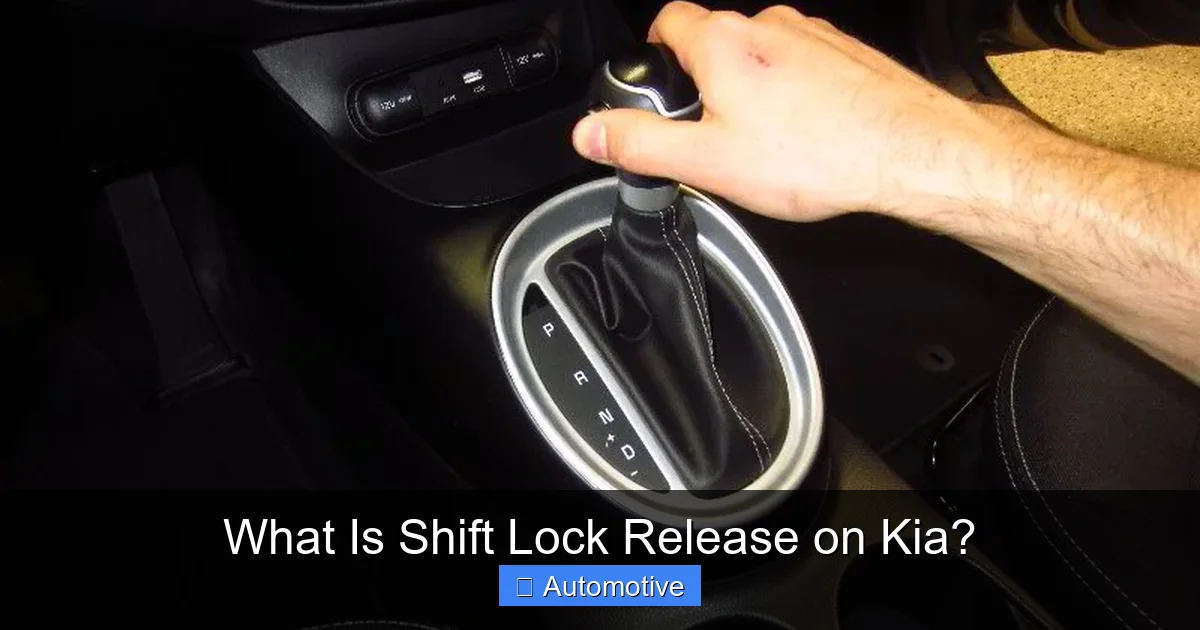
To truly understand the shift lock release, it helps to know how the entire shift interlock system operates. At its core, this system relies on a combination of electrical signals and mechanical components working in harmony.
When you press the brake pedal, a brake light switch sends an electrical signal to the vehicle’s transmission control module (TCM) or body control module (BCM). This signal confirms that the brake is engaged. Only then does the system unlock the shifter, allowing you to move it from Park to Drive, Reverse, or any other gear. If the brake isn’t pressed—or if the signal isn’t received—the shifter remains locked in Park.
This design prevents accidental shifts that could cause the vehicle to move unexpectedly. For example, imagine starting your Kia in a crowded parking garage. Without the shift lock, a child or distracted driver might bump the shifter into Drive while the engine is running, leading to a dangerous situation. The shift lock ensures that the driver must intentionally press the brake before the car can move.
In most Kia models, the shift lock is electronically controlled via a solenoid—a small electromechanical device—located near the shifter assembly. When the brake signal is received, the solenoid retracts a pin or lever that physically blocks the shifter’s movement. Without that signal, the pin stays extended, locking the shifter in place.
It’s worth noting that this system is tied to other safety features. For instance, if your brake lights aren’t working, the shift lock may not disengage because the vehicle can’t confirm the brake is pressed. Similarly, a weak or dead battery might not provide enough power for the solenoid to activate, even if you’re pressing the brake.
When and Why You Might Need the Shift Lock Release
Visual guide about What Is Shift Lock Release on Kia?
Image source: paulstravelpictures.com
So, when would you actually need to use the manual shift lock release? There are several common scenarios where this feature becomes essential.
One of the most frequent situations is a dead or weak battery. If your Kia’s battery has died—perhaps because you left the lights on or the battery is old—the electrical system may not have enough power to activate the shift lock solenoid. Even if you press the brake pedal, the shifter won’t move because the system can’t receive or process the signal. In this case, the manual release allows you to shift into Neutral so you can push the car or connect jumper cables.
Another common cause is a faulty brake light switch. This small component, usually located near the brake pedal, can wear out over time or become misaligned. When it fails, the car doesn’t recognize that the brake is being pressed, so the shift lock remains engaged. You might notice that your brake lights aren’t turning on—this is a strong indicator that the switch needs replacement.
Mechanical issues can also trigger the need for a manual release. Dirt, debris, or spilled liquids near the shifter can jam the mechanism, preventing it from moving even when the lock is disengaged. In rare cases, the solenoid itself may fail, leaving the shifter permanently locked.
Let’s say you’re parked on a steep hill and your Kia won’t shift out of Park. You press the brake, but nothing happens. You check the brake lights—they’re off. That’s a red flag. Using the shift lock release, you can move the shifter to Neutral, allowing you to safely roll the car to a flat area or call for assistance.
It’s also possible that the ignition is in the wrong position. On many Kia models, the shifter will only unlock when the ignition is in the “On” or “Start” position. If the key is in “Accessory” or “Off,” the shift lock remains active. Always make sure the ignition is fully turned before attempting to shift.
Where to Find the Shift Lock Release on Different Kia Models
Visual guide about What Is Shift Lock Release on Kia?
Image source: paulstravelpictures.com
The location of the shift lock release varies slightly depending on your Kia model and year, but it’s generally easy to find once you know what to look for.
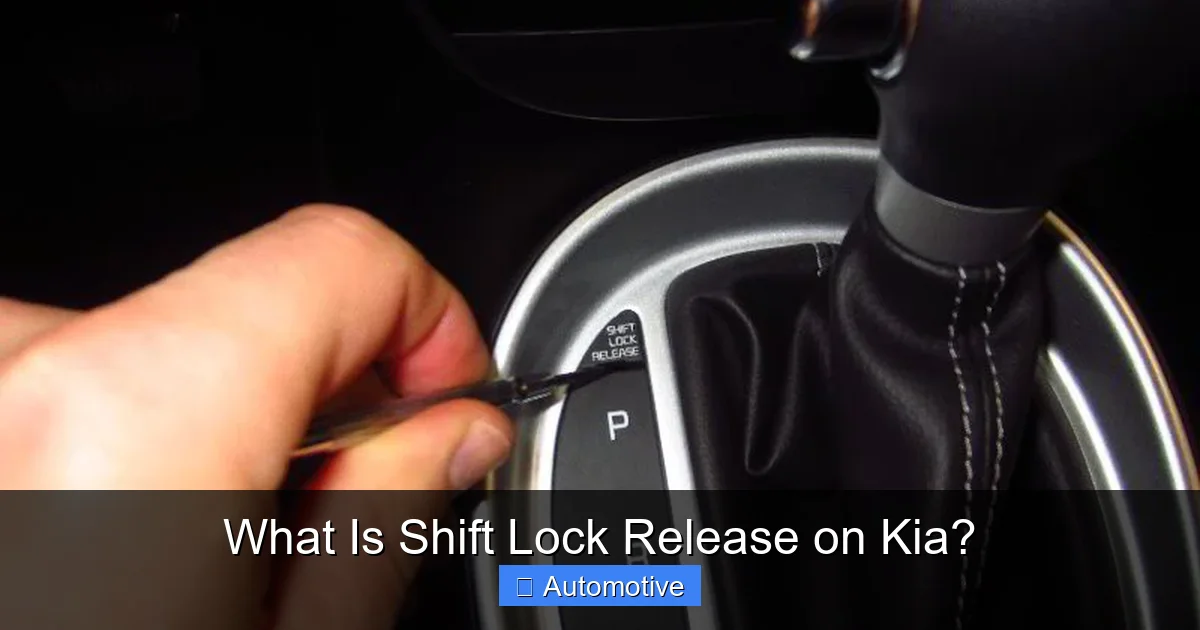
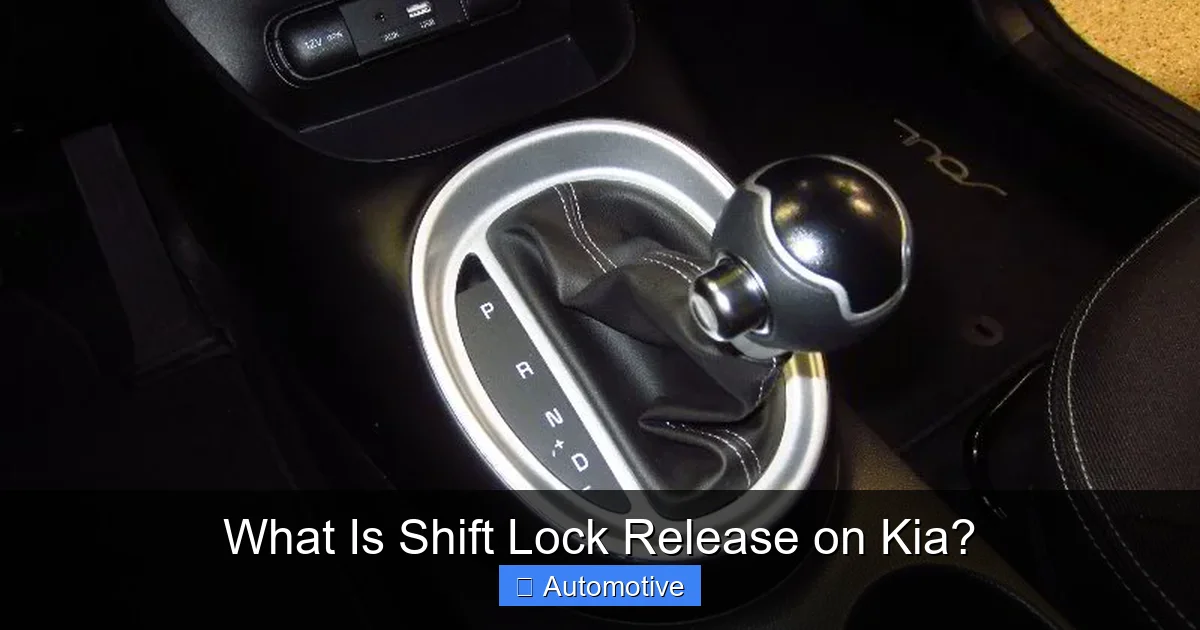
In most modern Kia vehicles—such as the Kia Sorento, Sportage, and Telluride—the shift lock release is located near the base of the gear shifter, often under a small plastic cover. This cover is usually marked with a symbol resembling a shifter with a key or a lock icon. On some models, it’s labeled “Shift Lock” or “Override.”
For example, in the Kia Optima or Kia Forte, you’ll typically find a small slot or button on the side or front of the shifter console. To access it, you may need to pry off a small cap using a flathead screwdriver or your fingernail. Once removed, you’ll see a small hole or button that accepts a key, paperclip, or the tip of a pen.
In newer Kia models with electronic push-button shifters (like the Kia K5 or Kia EV6), the process is a bit different. These vehicles don’t have a traditional lever, so the shift lock release is often a hidden button near the center console or under the armrest. The owner’s manual will specify the exact location, but it’s usually designed to be accessible in emergencies.
Here’s a quick guide by model:
– Kia Sorento (2015–2023): Look for a small cover on the front of the shifter console. Remove it and insert a key or tool into the slot.
– Kia Sportage (2017–2023): The release is located on the left side of the shifter, under a removable cap.
– Kia Optima (2011–2020): A small button is hidden beneath a plastic panel near the shifter. Press it while moving the shifter.
– Kia Forte (2014–2023): The release slot is on the right side of the shifter, accessible with a key or screwdriver.
– Kia EV6 (2022–present): The manual release is a small button under the center console, near the cup holders.
Always consult your owner’s manual for the exact location and instructions. Kia designs these features to be user-friendly, but they’re not always intuitive if you’ve never used them before.
Step-by-Step Guide to Using the Shift Lock Release
Using the shift lock release is simpler than it sounds, but it does require a gentle touch and the right tools. Here’s a step-by-step guide to help you get your Kia moving again.
Step 1: Ensure the Vehicle Is Secure
Before doing anything, make sure your Kia is on a flat surface and the parking brake is fully engaged. If you’re on a hill, use wheel chocks or place large rocks behind the tires to prevent rolling. Safety first!
Step 2: Turn the Ignition to the “On” Position
Insert your key and turn it to the “On” position (or press the start button without pressing the brake). This powers up the electrical system, which is necessary even for the manual release. Do not start the engine yet.
Step 3: Locate the Shift Lock Release
Find the small cover or slot near the shifter. Use a flathead screwdriver, key, or the tool provided in your owner’s manual to gently pry off the cover. Be careful not to scratch the surrounding trim.
Step 4: Insert the Tool and Press the Release
Insert the tip of your key, a paperclip, or a small screwdriver into the hole or onto the button. You should feel a slight resistance. Press firmly but gently—there’s no need to force it. You’re activating a mechanical override, not breaking anything.
Step 5: Move the Shifter While Pressing the Release
While holding the release button or tool in place, gently wiggle the shifter. It should move out of Park and into Neutral. Once it’s in Neutral, you can release the tool.
Step 6: Shift to the Desired Gear
Now that the shifter is unlocked, you can move it to Drive, Reverse, or any other gear as needed. If your battery is dead, you may need to jump-start the car before it will run.
Step 7: Reassemble and Test
Replace the cover over the shift lock release. Start the engine (if possible) and test the shifter to ensure it’s working normally. If the problem persists, there may be a deeper issue that requires professional attention.
Pro Tips:
- Use the tool that came with your Kia, if available. It’s designed specifically for this purpose.
- If the shifter feels stiff, don’t force it. Check for debris or obstructions first.
- After using the manual release, have your brake light switch and battery checked to prevent future issues.
Common Problems and Troubleshooting Tips
Even with a working shift lock release, you might encounter issues that prevent your Kia from shifting properly. Here are some common problems and how to address them.
Dead or Weak Battery
A dead battery is the most common reason the shift lock won’t disengage. If your dashboard lights are dim or the engine won’t crank, the electrical system lacks the power to activate the solenoid. In this case, use the manual release to shift to Neutral, then jump-start the vehicle. Once the battery is charged, the shifter should work normally.
Faulty Brake Light Switch
If your brake lights aren’t working, the shift lock may remain engaged. This switch is inexpensive and relatively easy to replace. Locate it near the brake pedal (usually a small plastic component with wires), disconnect it, and install a new one. After replacement, test the brake lights and try shifting again.
Debris or Spills Near the Shifter
Coffee, soda, or food particles can gum up the shifter mechanism, causing it to stick. Clean the area with a damp cloth and compressed air. Avoid using excessive liquid, as it can damage electrical components.
Ignition in the Wrong Position
Make sure the ignition is in the “On” position. If it’s in “Accessory” or “Off,” the shift lock will remain active. Turn the key fully or press the start button (without the brake) to power up the system.
Faulty Solenoid or Wiring
If the manual release works but the shifter still won’t move normally, the solenoid or wiring may be damaged. This requires a diagnostic scan and possible repair by a Kia technician.
Maintenance and Prevention
While the shift lock release is designed for emergencies, regular maintenance can help prevent issues from arising in the first place.
Keep the area around the shifter clean and dry. Wipe up spills immediately and avoid placing drinks near the console. Check your brake lights periodically—if they’re not working, address the issue promptly.
Test the shift lock system occasionally by starting your car and ensuring the shifter moves freely when the brake is pressed. If you notice any stiffness or delay, have it inspected.
Finally, keep your battery in good condition. Replace it every 3–5 years, and consider using a battery maintainer if you don’t drive often. A healthy battery ensures all electrical systems, including the shift lock, function properly.
Conclusion
The shift lock release on Kia vehicles is a vital safety feature that protects you from accidental gear shifts. While it’s designed to work seamlessly with your brake pedal, knowing how to manually override it can be a lifesaver in emergencies. Whether you’re dealing with a dead battery, a faulty brake switch, or a stuck shifter, the manual release gives you the control you need to get back on the road.
By understanding how the system works, where to find the release, and how to use it safely, you’ll be prepared for almost any situation. And with regular maintenance, you can minimize the chances of encountering problems in the first place.
So the next time your Kia won’t shift out of Park, don’t panic. Take a deep breath, locate that little release button, and remember—you’ve got this. Your Kia is built to keep you safe, and now you know how to help it do its job.
Frequently Asked Questions
What is the shift lock release on a Kia?
The shift lock release is a manual override feature that allows you to move the gear shifter out of Park when the electronic shift lock system fails. It’s a safety backup for situations like a dead battery or faulty brake switch.
Where is the shift lock release located on a Kia?
The release is usually found near the base of the gear shifter, under a small plastic cover marked with a lock or shifter symbol. The exact location varies by model, so check your owner’s manual.
Can I drive my Kia if the shift lock won’t disengage?
You can use the manual release to shift into Neutral and move the vehicle short distances, but you should not drive it long-term without fixing the underlying issue, such as a dead battery or brake switch problem.
Why won’t my Kia shifter move even when I press the brake?
This is likely due to a dead battery, faulty brake light switch, or electrical issue. Check your brake lights—if they’re not working, the shift lock may remain engaged.
Do all Kia models have a shift lock release?
Yes, all modern Kia vehicles with automatic transmissions are equipped with a shift lock system and a manual release mechanism for safety and compliance with federal regulations.
Is it safe to use the shift lock release frequently?
The manual release is intended for emergencies only. Frequent use may indicate a deeper mechanical or electrical problem that should be diagnosed and repaired by a professional.