
How to Sell a Car in Alaska

Selling a car in Alaska doesn’t have to be complicated—if you know the right steps. From preparing your vehicle and setting a fair price to handling paperwork and avoiding scams, this guide walks you through the entire process so you can sell with confidence and get top dollar.
Thinking about selling your car in Alaska? You’re not alone. Whether you’re upgrading to a more rugged SUV for the backcountry, downsizing after a move, or just ready for something new, selling a vehicle in the 49th state comes with its own set of quirks and considerations. Alaska’s vast distances, extreme weather, and unique driving conditions mean that buyers—and sellers—need to be extra prepared.
Unlike warmer states where cars can sit outside year-round, Alaska’s harsh winters take a toll on vehicles. Rust, cold starts, and snow-damaged undercarriages are common concerns. That’s why buyers here often look for well-maintained, four-wheel-drive vehicles with solid heating systems and reliable engines. As a seller, understanding these local preferences can help you position your car to sell faster and for a better price.
But beyond the mechanical and environmental factors, selling a car in Alaska also involves navigating state-specific rules and paperwork. From title transfers to DMV notifications, there are legal steps you can’t skip. And with limited public transportation in many areas, private car sales are a major part of the local economy—especially in rural communities where online listings might be the only way to reach buyers.
Key Takeaways
- Prepare your car thoroughly: Clean it inside and out, fix minor issues, and gather maintenance records to boost buyer confidence and value.
- Price it right using local data: Research similar vehicles on Alaska-specific platforms like Craigslist Anchorage or Fairbanks Auto Trader to set a competitive price.
- Understand Alaska’s title and registration rules: Alaska requires a signed title, odometer disclosure, and a bill of sale for private sales—know the forms to avoid delays.
- Advertise smartly with high-quality photos: Use clear images taken in daylight, highlight Alaska-friendly features like 4WD or winter tires, and write honest, detailed descriptions.
- Meet safely and verify payment: Always meet in public places, accept secure payment methods like cash or cashier’s checks, and never release the car before payment clears.
- Complete the transfer correctly: Submit the Notice of Sale form to the DMV within 10 days to avoid liability for the new owner’s actions.
- Be aware of seasonal demand: Spring and early summer are peak selling times in Alaska due to better weather and road conditions.
📑 Table of Contents
Step 1: Prepare Your Car for Sale
Before you even think about listing your car, take the time to get it in the best possible shape. First impressions matter, especially in a market where buyers are cautious about hidden problems. A clean, well-maintained vehicle signals that you’ve taken care of it—and that it’s likely to be reliable on Alaska’s rugged roads.
Start with a thorough cleaning. Wash the exterior, wax it if possible, and vacuum the interior. Don’t forget the trunk, cup holders, and under the seats. A little elbow grease can go a long way. If your car has strong odors—like smoke or pets—consider using an odor eliminator or having it professionally detailed. A fresh-smelling car feels newer and more inviting.
Next, address any minor repairs. Fixing a cracked windshield, replacing burnt-out bulbs, or patching small dents can significantly increase your car’s perceived value. You don’t need to rebuild the engine, but showing that you’ve maintained the vehicle builds trust. For example, if your brake pads are worn, replacing them before sale can justify a higher asking price and prevent negotiation headaches.
Gather all your maintenance records. Buyers in Alaska especially appreciate documentation showing regular oil changes, timing belt replacements, or winter prep work. If you’ve had the battery tested recently or replaced the heater core, include that info. These details prove your car is ready for the cold.
Finally, consider getting a pre-sale inspection. Many Alaskan buyers will ask for one anyway, so getting it done upfront can speed up the process. A clean bill of health from a trusted mechanic can be a powerful selling tool—and it might even help you catch small issues before they become big problems.
Step 2: Determine the Right Price
Visual guide about How to Sell a Car in Alaska
Image source: alaskacartransport.com
Pricing your car correctly is one of the most important steps in the selling process. Overprice it, and it sits on the market for months. Underprice it, and you leave money on the table. In Alaska, where the market can be smaller and more regional, getting the price right is even more critical.
Start by researching comparable vehicles. Use local platforms like Craigslist (Anchorage, Fairbanks, Juneau), Facebook Marketplace, or Alaska-specific sites like AlaskaAutoFinder.com. Look for cars with similar make, model, year, mileage, and condition. Pay attention to features that matter in Alaska—like 4WD, heated seats, or block heaters—and adjust your price accordingly.
For example, a 2018 Toyota Tacoma with 60,000 miles and 4WD might list for $28,000 in Anchorage, while the same truck without 4WD might go for $24,500. That $3,500 difference shows how much Alaskans value capability in tough conditions.
Don’t rely solely on national pricing tools like Kelley Blue Book or Edmunds. While they’re helpful starting points, they don’t always reflect Alaska’s unique market. A car that’s in high demand in Fairbanks might be harder to sell in Ketchikan due to different driving needs and buyer preferences.
Consider seasonal timing, too. Spring and early summer are peak selling seasons in Alaska. Roads are clearer, weather is improving, and people are more likely to be out shopping for vehicles. If you list in January, you might get fewer views and lower offers—even if your car is in great shape.
Once you’ve gathered your data, set a competitive price. You can start slightly higher than your target to leave room for negotiation, but avoid overpricing. A car that’s priced too high may be ignored altogether, even if it’s a great deal. Aim for a price that’s fair, realistic, and attractive to serious buyers.
Step 3: Gather the Necessary Paperwork
Visual guide about How to Sell a Car in Alaska
Image source: supercarblondie.com
Alaska has specific requirements for selling a car, and missing a single document can delay or derail the sale. To avoid headaches, gather all the necessary paperwork before you list your vehicle.
First and most important: the vehicle title. In Alaska, the title must be signed over to the buyer by the seller. Make sure the title is free of liens—if you still owe money on the car, you’ll need to pay it off before selling. Contact your lender to get a lien release if needed.
Next, prepare a bill of sale. While not always required by law, it’s highly recommended. A bill of sale protects both you and the buyer by documenting the sale details, including the sale price, date, and vehicle identification number (VIN). You can find free templates online or use Alaska’s official form if available.
Alaska also requires an odometer disclosure for vehicles under 10 years old. This is a statement confirming the current mileage at the time of sale. It must be included on the title or as a separate form. Be honest—lying about mileage is illegal and can lead to serious consequences.
If your car is more than 10 years old, you may not need a smog check, but some buyers will still want proof of emissions compliance. Check with your local DMV to confirm current requirements.
Finally, keep a copy of the signed title, bill of sale, and odometer disclosure for your records. You’ll also need to notify the DMV that the car has been sold.
Step 4: Advertise Your Car Effectively
Visual guide about How to Sell a Car in Alaska
Image source: alaskacartransport.com
Once your car is ready and priced, it’s time to get the word out. In Alaska, where internet access varies by region, a mix of online and local advertising often works best.
Start with high-quality photos. Take pictures in daylight, from multiple angles—front, back, sides, interior, trunk, and engine bay. Show any special features like roof racks, snow tires, or a winch. If your car has minor flaws, include photos of those too. Transparency builds trust and reduces the chance of disputes later.
Write a clear, honest description. Mention the make, model, year, mileage, transmission type, and fuel efficiency. Highlight Alaska-specific benefits: “Excellent heater,” “Starts reliably in -30°F,” or “Recently replaced winter tires.” Be upfront about any issues—buyers appreciate honesty and are more likely to make an offer if they know what they’re getting.
Use local platforms to reach the right audience. Post on Craigslist in your city (Anchorage, Fairbanks, etc.), Facebook Marketplace, and Alaska-focused car sites. Consider community bulletin boards in grocery stores or gas stations, especially in smaller towns where online access is limited.
Include your contact info—phone number and email—and respond promptly to inquiries. Serious buyers often move quickly, so being available can make the difference between a sale and a missed opportunity.
Avoid scams by being cautious with out-of-state buyers or requests for wire transfers. Most legitimate Alaskan buyers will want to see the car in person before buying.
Step 5: Handle the Sale Safely and Legally
When a buyer shows interest, it’s time to move toward closing the deal—safely and legally.
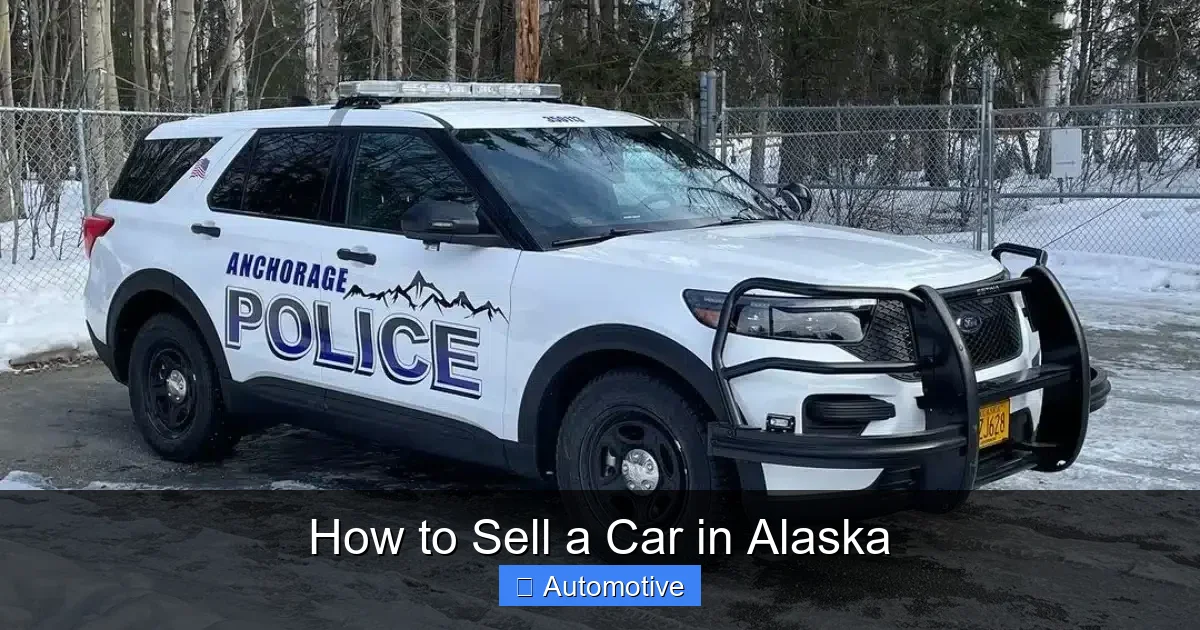
Always meet in a public place, like a DMV office, police station parking lot, or busy shopping center. Avoid meeting at your home or in remote areas. Bring a friend if possible, and let someone know where you’re going and when you expect to return.
Inspect the buyer’s interest. Ask questions about their intended use—commuting, off-roading, family trips—to gauge if they’re serious. A buyer who asks about winter performance or towing capacity is likely a good fit for an Alaskan vehicle.
When it’s time to exchange money, use secure payment methods. Cash is safest for amounts under $10,000. For larger amounts, a cashier’s check from a local bank is better than a personal check, which can bounce. Never accept a money order unless you can verify it’s legitimate.
Once payment is complete, sign the title over to the buyer. Make sure the odometer reading is recorded and the bill of sale is signed by both parties. Provide the buyer with a copy of all documents.
Step 6: Complete the Transfer and Protect Yourself
After the sale, your responsibility isn’t over. You must notify the Alaska DMV that the vehicle has been sold. This is crucial—if you don’t, you could still be liable for parking tickets, tolls, or accidents involving the car.
Fill out a Notice of Sale form (available on the Alaska DMV website) and submit it within 10 days of the sale. You can mail it or drop it off at a DMV office. Keep a copy for your records.
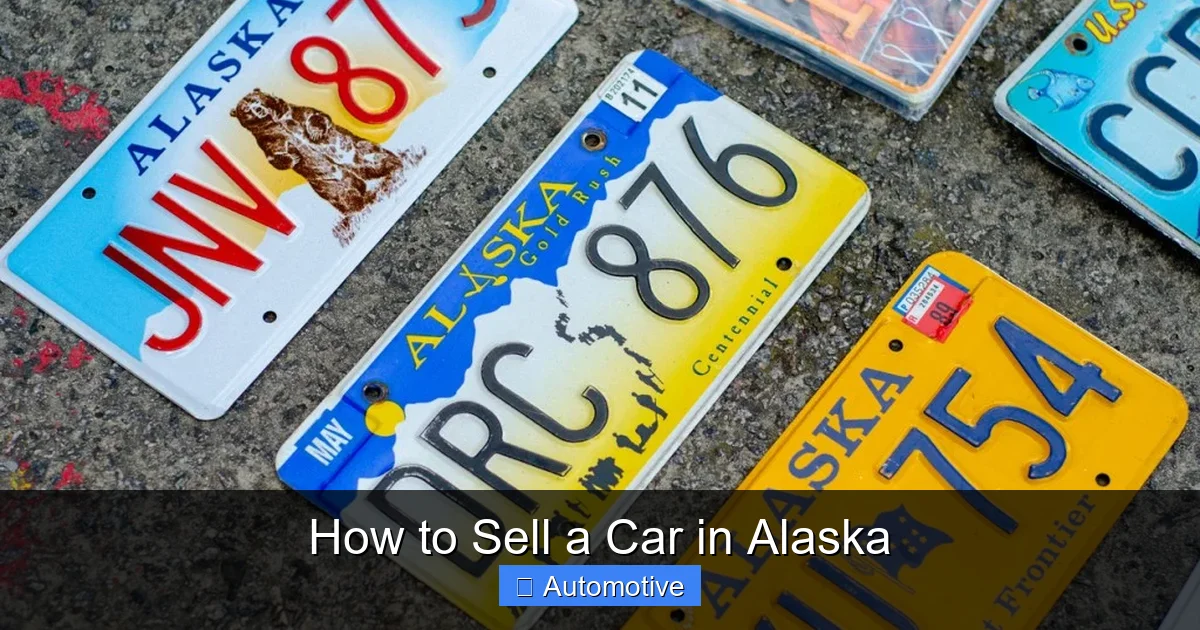
Remove your license plates. In Alaska, plates stay with the seller, not the vehicle. You can reuse them on your next car or return them to the DMV for a refund of the plate fee.
Cancel your insurance on the vehicle once the sale is complete. Contact your provider to stop coverage and avoid unnecessary charges.
Finally, consider sending a follow-up email or text to the buyer with tips for registering the car in their name. It’s a small gesture that builds goodwill and reduces the chance of them coming back to you with problems.
Bonus Tips for Selling in Rural Alaska
If you’re selling in a remote or rural area, the process can be a bit different. Internet access may be limited, and buyers might travel long distances to inspect a vehicle.
In these cases, word of mouth can be powerful. Let friends, coworkers, or community groups know you’re selling. Post flyers at the local post office, grocery store, or community center.
Be patient. It may take longer to find a buyer, but the right one will come along. Consider offering delivery for serious buyers who live far away—just make sure payment is secure first.
Also, be prepared for bartering. In some rural communities, cash is tight, and trades (like snow machines, boats, or tools) are common. If you’re open to it, be clear about what you’re willing to accept.
Conclusion
Selling a car in Alaska doesn’t have to be stressful. With the right preparation, pricing, and paperwork, you can sell your vehicle quickly, safely, and for a fair price. Remember to clean and repair your car, research local market values, advertise honestly, and follow Alaska’s legal requirements for title transfer and DMV notification.
By taking these steps, you’ll not only protect yourself from liability but also give buyers confidence in your vehicle. Whether you’re in Anchorage, Fairbanks, or a remote village, the key is to be transparent, prepared, and proactive.
So go ahead—get your car ready, snap some great photos, and list it with confidence. The right buyer is out there, and with this guide, you’re ready to make the sale.
Frequently Asked Questions
Do I need a smog check to sell a car in Alaska?
No, Alaska does not require a smog check for most vehicles. However, some buyers may request one, especially for newer cars. Check with your local DMV for any regional requirements.
Can I sell my car if I still owe money on it?
No, you must pay off the loan and get a lien release before selling. Contact your lender to arrange the payoff and title transfer.
How long do I have to notify the DMV after selling my car?
You must submit a Notice of Sale form to the Alaska DMV within 10 days of the sale to avoid liability for the new owner’s actions.
Should I include my license plates with the car?
No, license plates stay with the seller in Alaska. You can reuse them on your next vehicle or return them to the DMV.
What’s the best time of year to sell a car in Alaska?
Spring and early summer are ideal. Better weather increases buyer activity, and roads are more accessible for test drives.
Can I sell my car to someone outside Alaska?
Yes, but out-of-state buyers may face additional registration and inspection requirements. Make sure all paperwork is complete and payment is secure before releasing the vehicle.